Harvard Square, Cambridge
A cultural anchor, an academic crossroads, and a neighborhood that never stands still!
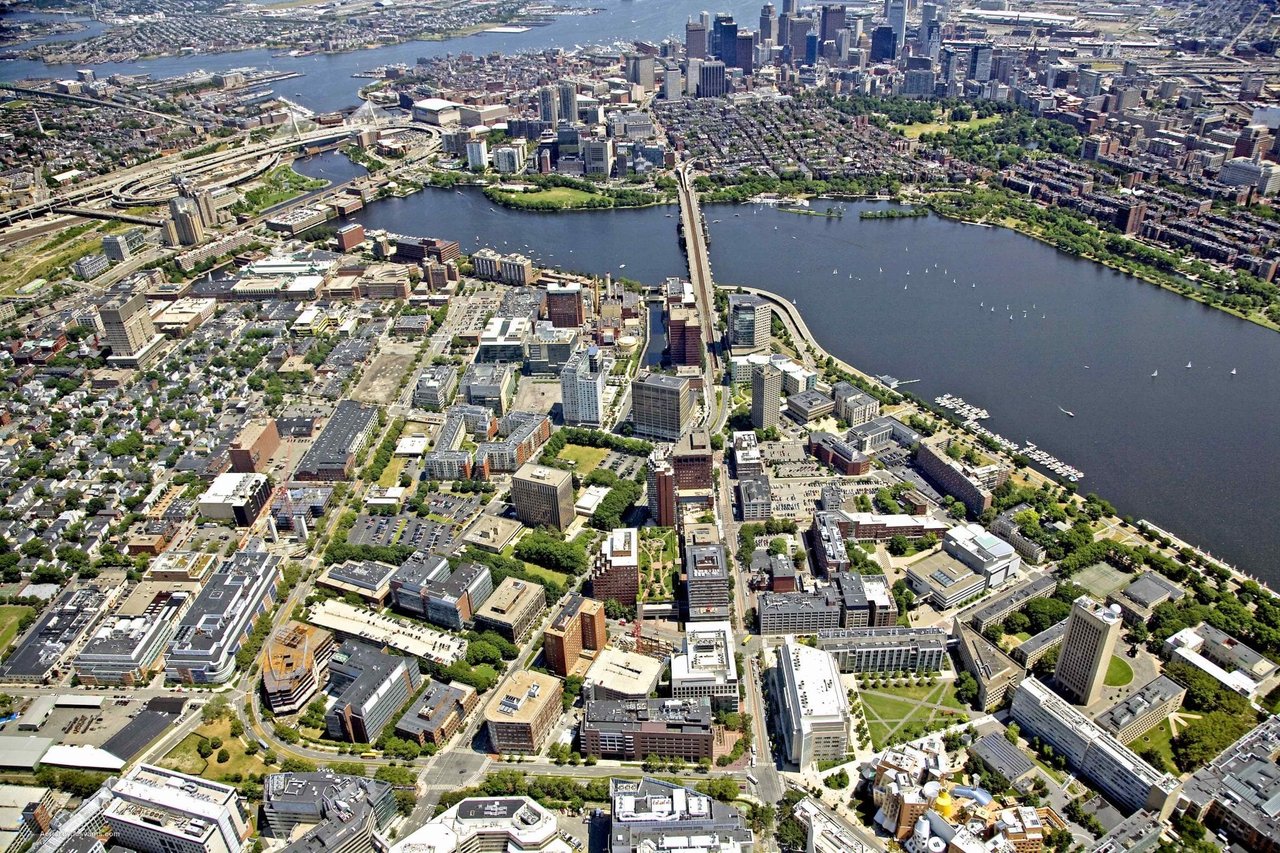
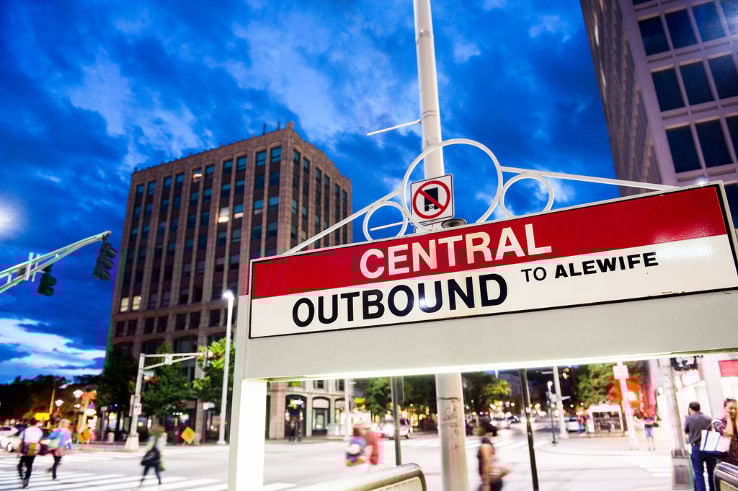
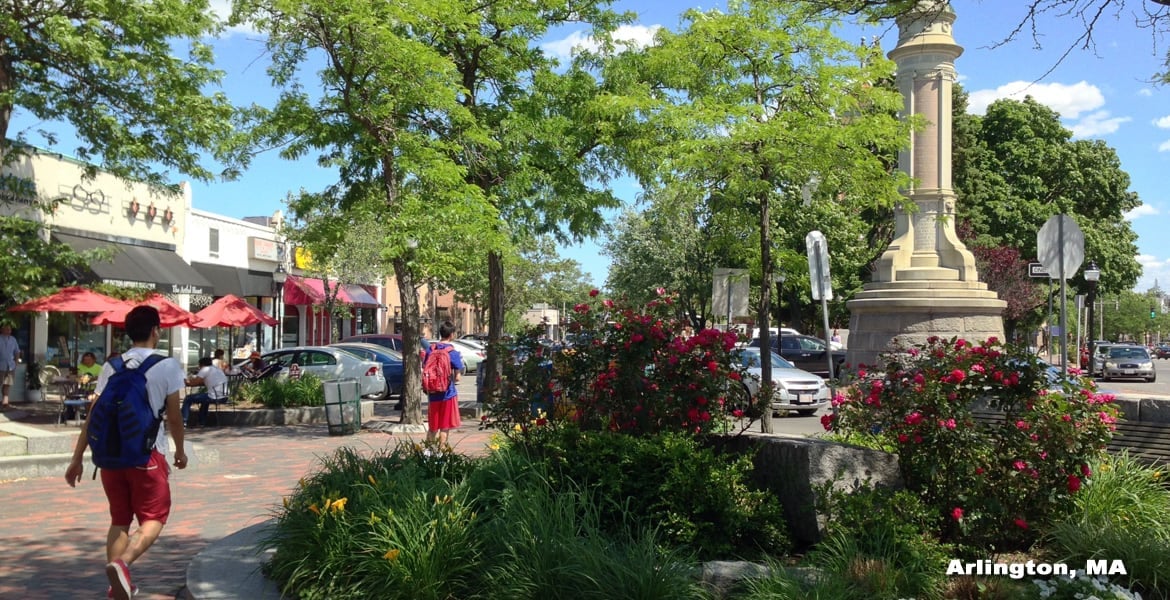
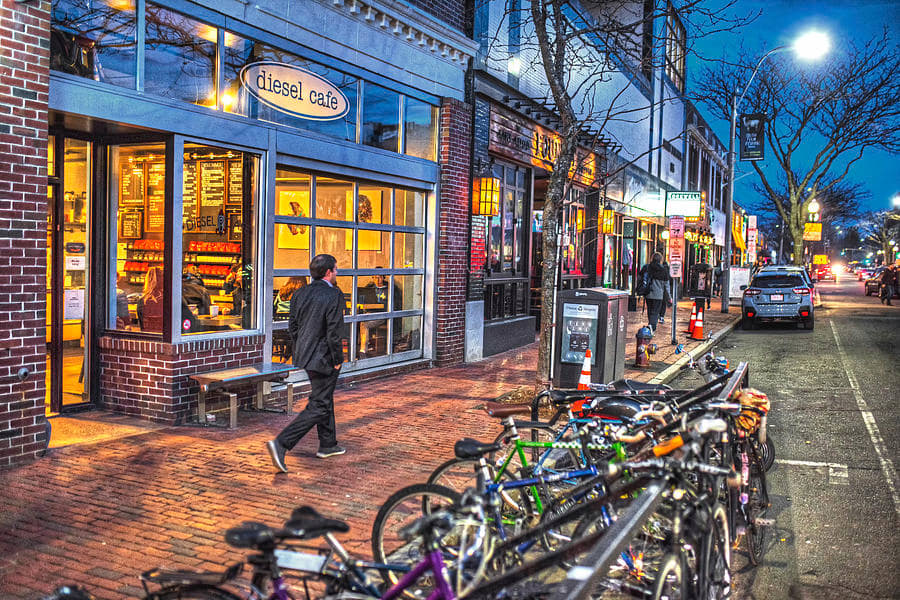
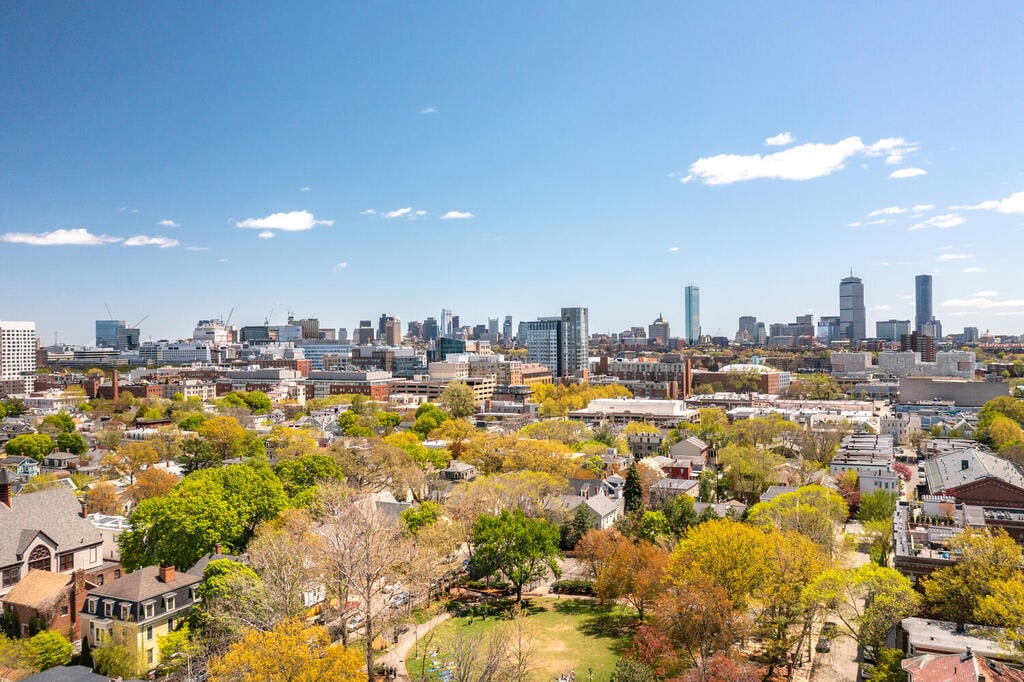
Harvard Square is one of the most recognizable and enduring neighborhoods in Cambridge, Massachusetts — a place where history, culture, academia, and daily life intersect with rare intensity. Centered around Harvard University and anchored by the Red Line, the Square has spent more than a century evolving while somehow remaining unmistakably itself.
Part intellectual capital, part living neighborhood, Harvard Square attracts students, professors, artists, entrepreneurs, longtime residents, and newcomers from around the world. It is at once cerebral and lively, rooted in tradition yet constantly reinterpreting what an urban village can be.
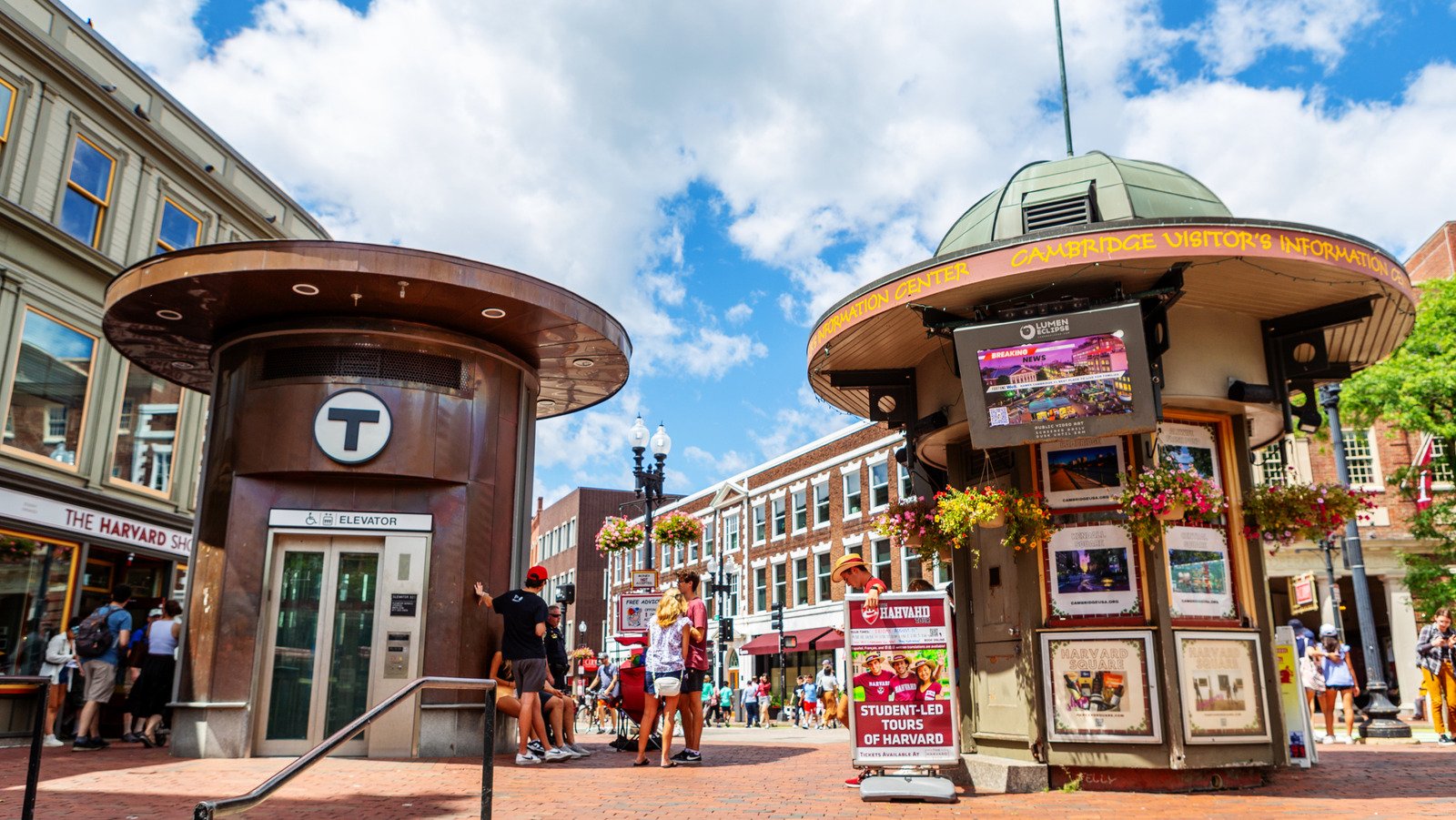
A living square shaped by centuries — and the last 20 years
Harvard Square’s story stretches back to the 17th century, but its more recent transformation has been quieter and more nuanced than Kendall Square’s skyline-driven evolution.
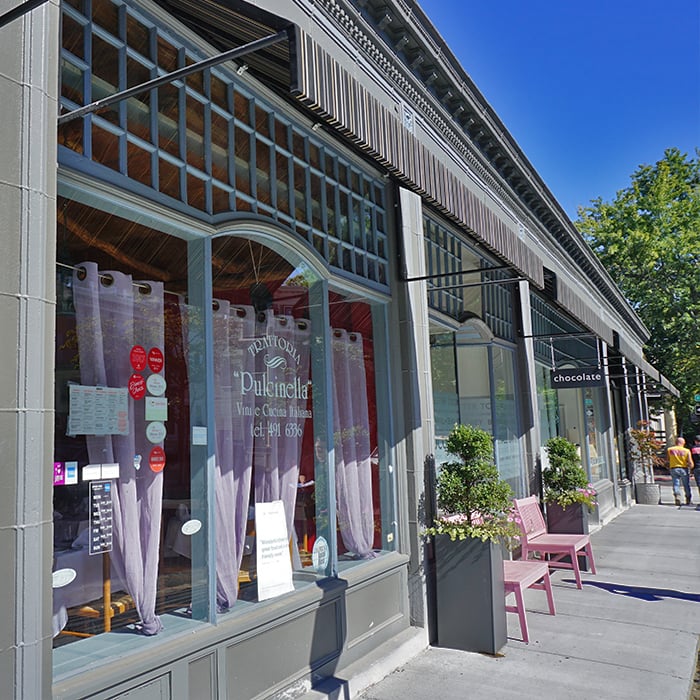
Over the past two decades, Harvard Square has adapted to changing retail patterns, the rise of digital commerce, and shifting demographics — all while retaining its core identity as Cambridge’s cultural heart. Historic theaters, independent bookstores, cafés, and music venues coexist with carefully reimagined retail, new housing, and revitalized public spaces.
Key changes in recent years include:
-
The reinvention of landmark spaces like The Garage at Harvard Square, introducing curated retail and dining while preserving the Square’s eclectic feel
-
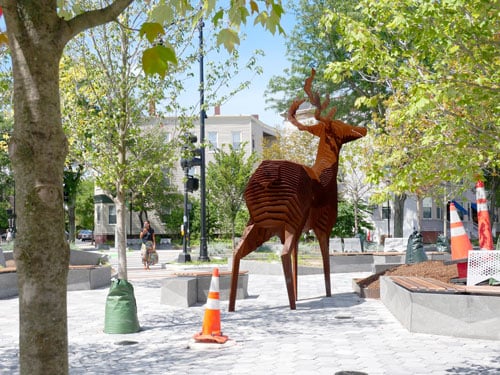
Renewed focus on public realm improvements, pedestrian flow, and programming
-
Increased demand for nearby housing driven by Harvard University, biotech professionals, and buyers seeking walkability and intellectual energy
Where Kendall Square feels future-facing and driven by global research, Harvard Square remains human-scaled, layered, and deeply tied to everyday urban life.
Cultural anchors that define Harvard Square
Harvard Square’s influence goes far beyond Cambridge. Its institutions and venues have shaped American intellectual and cultural life for generations.
Among its defining anchors:
-
Harvard University – one of the world’s great academic institutions, whose presence shapes architecture, rhythm, and global relevance
-
American Repertory Theater (A.R.T.) – a nationally respected theater company bringing bold, contemporary performances to the Square
-
Harvard Book Store – a fiercely independent bookstore and cultural institution known for author talks and curated literary programming
-
The Harvard Coop – a historic retail landmark serving generations of students and residents
-
Winthrop Park & The Charles River paths – green spaces that soften the Square’s urban energy
Together, these anchors create a neighborhood that feels animated at nearly every hour of the day — thoughtful by morning, vibrant by evening, and quietly electric in between.
A dining destination with character and range
Harvard Square has long been one of Cambridge’s most reliable dining neighborhoods — not flashy, but deeply established.


Alden & Harlow
Inventive, ingredient-driven, and widely considered one of Cambridge’s most influential restaurants. Seasonal menus, thoughtful cocktails, and a lively atmosphere make it a go-to for locals and visitors alike.
Pammy’s
Warm, intimate, and deeply loved. Known for handmade pasta, live-fire cooking, and a neighborhood-forward sensibility, Pammy’s feels both refined and welcoming — the kind of place people return to often.
Henrietta’s Table
A longstanding classic located in the Charles Hotel, celebrating New England ingredients and farm-to-table cooking long before it was fashionable.
Harvest
Elegant and enduring, Harvest has defined Harvard Square dining for decades. Ideal for business lunches, special occasions, or lingering dinners with a view of the Square.
Felipe’s Taqueria
Casual, lively, and essential. The rooftop alone has made Felipe’s a destination, offering skyline views, margaritas, and a truly Cambridge mix of students, families, and locals.
Harvard Square — Local Tips
Best “only in Cambridge” dinner
Alden & Harlow — intellectually playful food in a lively, unfussy setting.
Best cozy neighborhood table
Pammy’s — intimate, soulful, and quietly excellent.
Best outdoor moment
Felipe’s rooftop — especially at sunset, overlooking the Square.
Best classic New England room
Henrietta’s Table — timeless and reliable.
Best between-meetings walk
A loop through Harvard Yard, Brattle Street, and down to the Charles River paths.
Living near Harvard Square means culture is woven into daily life — not something you schedule, but something you encounter naturally.
Harvard Square Real Estate — A Micro Guide
Who lives here, how housing works, and what drives long-term value.
Who chooses Harvard Square?
Harvard Square attracts a broad and intellectually diverse community:
-
Harvard faculty, researchers, and graduate students
-
Professionals in law, education, tech, and life sciences
-
Longtime Cambridge residents with deep neighborhood ties
-
Buyers seeking walkability, culture, and architectural character
Unlike Kendall, where residents often cluster around newer buildings, Harvard Square residents are drawn to texture, history, and proximity to ideas as much as convenience.
Housing types you’ll find.
Real estate near Harvard Square is varied and limited:
-
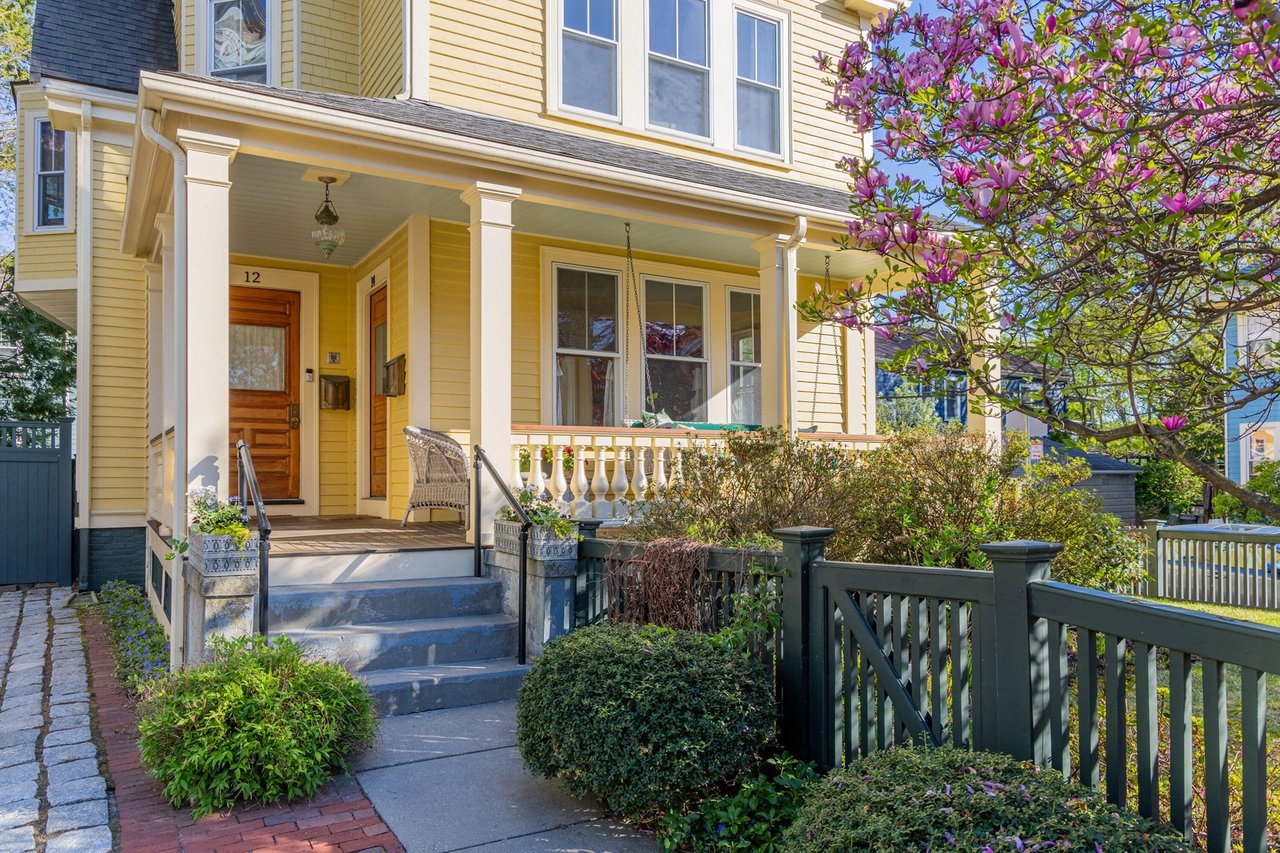
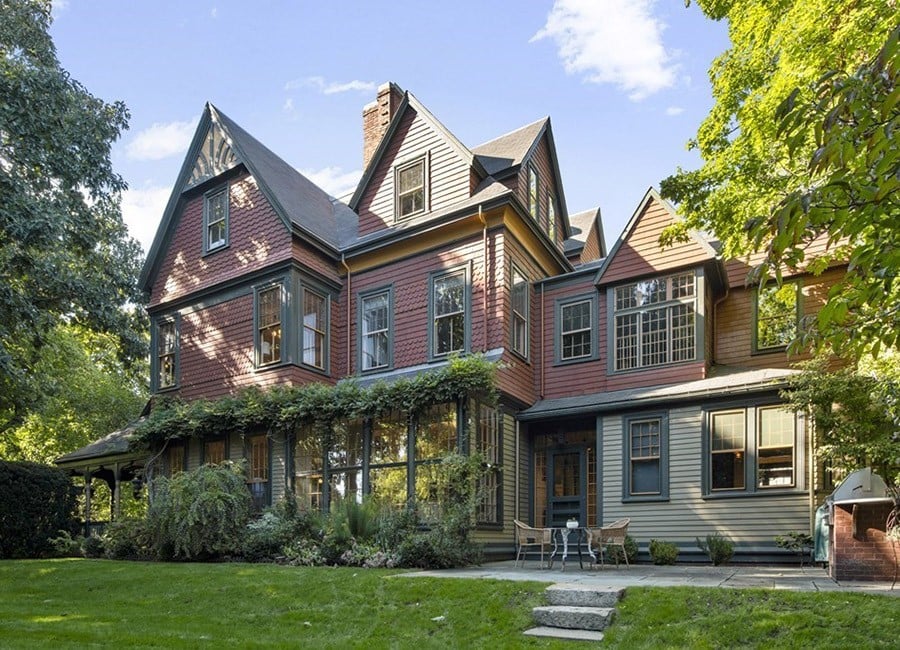
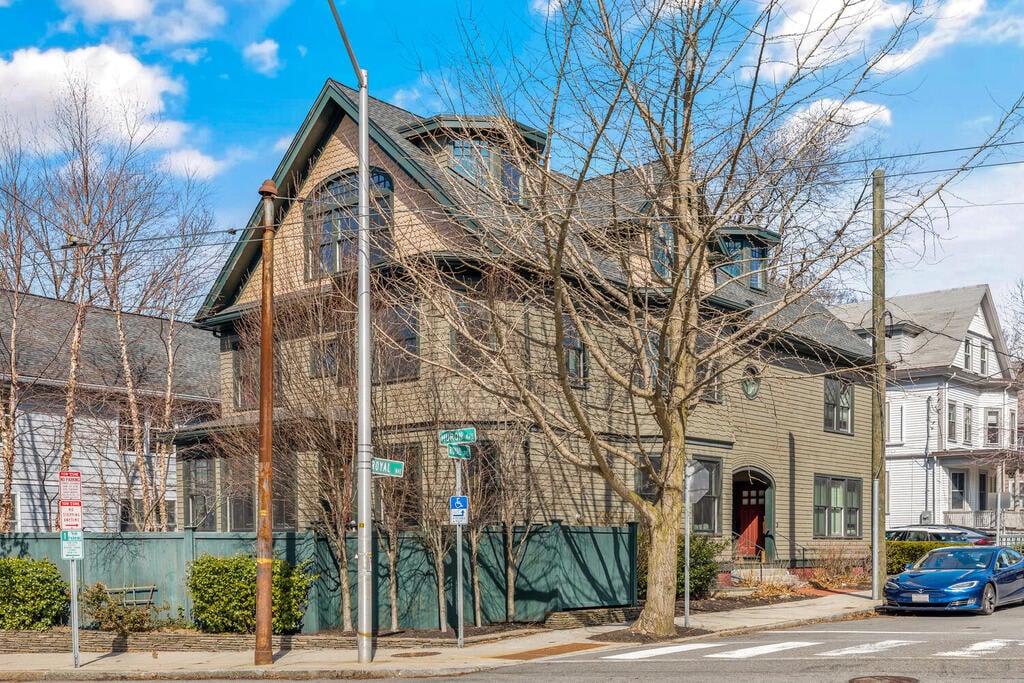
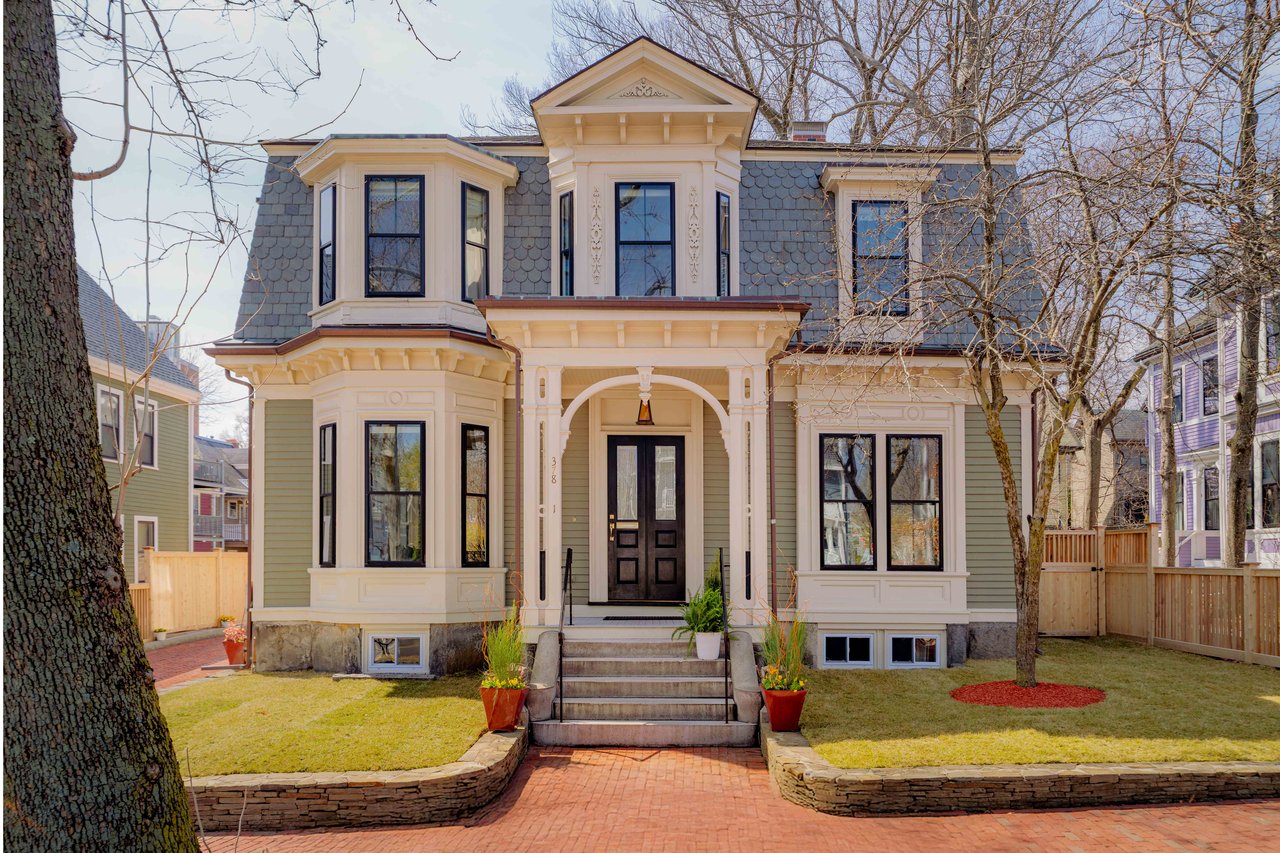
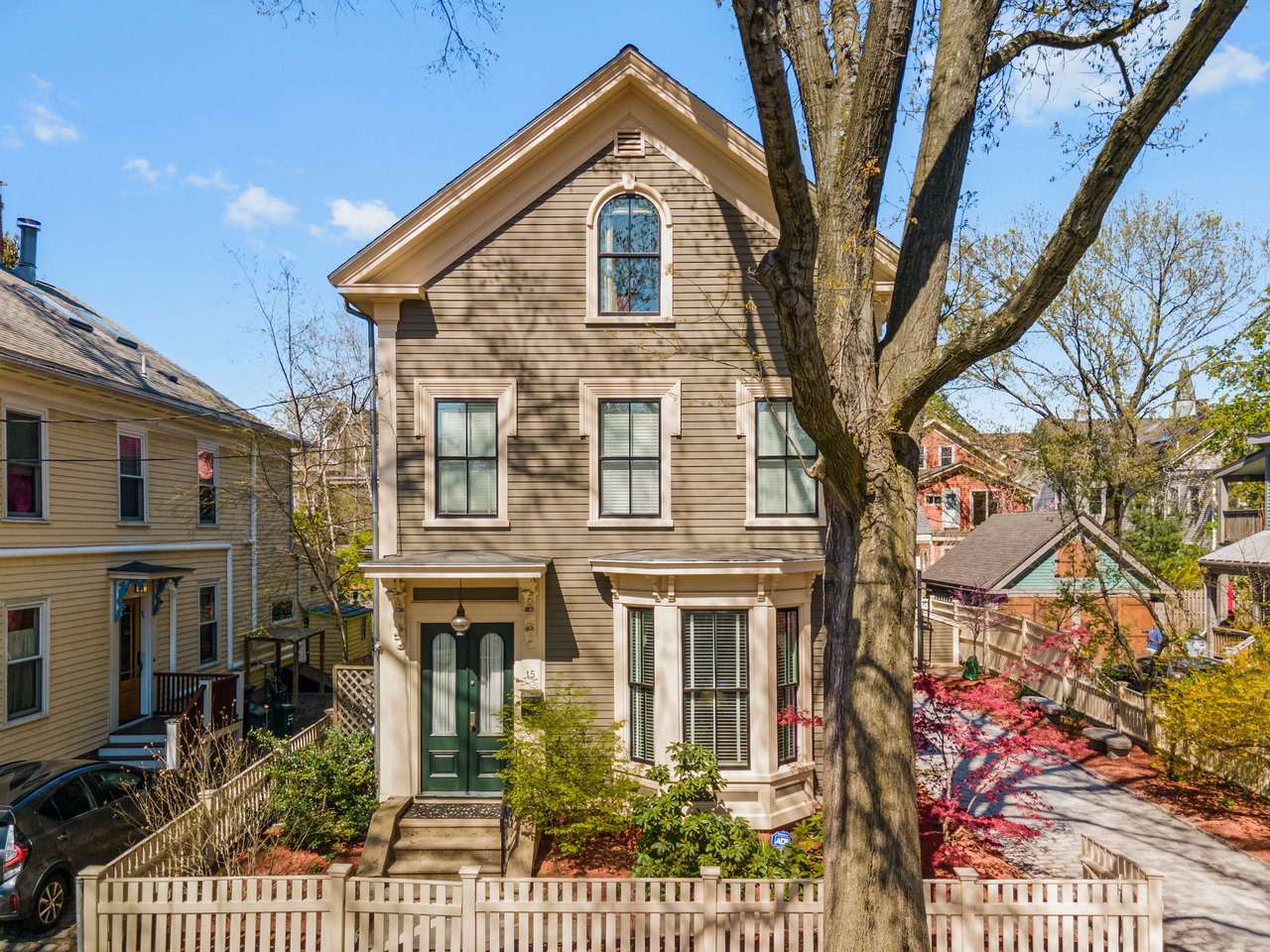
Historic single-family homes and townhouses, especially along Brattle Street and side streets
-
Classic Cambridge multifamilies — often owner-occupied or thoughtfully renovated
-
Smaller condominium buildings, many converted from older structures
-
Very limited new construction, which contributes to long-term price resilience
Inventory is scarce, and opportunities often come through timing, preparation, and deep local knowledge.
Buying vs. renting dynamics
-
Renters are often academic affiliates or professionals seeking flexibility
-
Buyers tend to be long-term oriented, valuing stability, prestige, and lifestyle over short-term trends
Harvard Square is not a speculative market — it rewards patience and clarity.
Value drivers unique to Harvard Square
-
International prestige and institutional permanence
-
Walkable access to culture, transit, and green spaces
-
Architectural heritage and protected streetscapes
-
Consistent demand across market cycles
Homes near Harvard Square often maintain value during downturns and see measured, durable appreciation over time.
📈 Expert Perspective on the Current Market
As of late 2025, Harvard Square remains one of Cambridge’s most coveted neighborhoods — but that comes with layers of nuance. Here’s how I see it, as someone who watches this market closely:
Market Data Snapshot
-
Recent listing data shows median listing prices in Harvard Square around $2.3 million.
-
On the rental side, recent data pegs median rents around $3,487/month across types — significantly above national norms.
-
Despite the high price point, turnover remains low and inventory is tight — typical for a mature, heritage-heavy district where supply is constrained by historic architecture and zoning.
What’s Driving Demand — And What’s Holding It Tight
Strong demand stems from enduring characteristics of the Square:
-
Proximity to Harvard University — for faculty, graduate students, visiting scholars, and involved families.
-
Walkable access to culture, retail, cafés, theaters, the river, and public transit (Red Line + buses) — appealing for those who want a rich urban lifestyle without needing a car.
-
A finite and historic housing stock: heritage homes, classic Cambridge row houses, small multifamily buildings — meaning supply rarely catches up with demand. That tends to sustain value over time.
At the same time, market forces are shifting, offering a more complex environment:
-
Some segments — particularly smaller units (e.g. 1–2 bed condos or apartments) — are seeing softness or slower movement compared with larger homes or premium properties.
-
High interest rates, inflation, and broader economic uncertainty are tempering buyer enthusiasm across Greater Boston (not just Cambridge). That tends to affect affordability for entry-level buyers.
-
For investors or renters, competition remains stiff: low vacancy, high demand, and relatively limited new construction.
What That Means For Buyers, Sellers, Investors
-
For buyers looking long-term: Harvard Square remains a strategic choice — particularly for those valuing stability, legacy, and lifestyle over flips or speculative moves. Limited supply + strong demand + institutional anchor (Harvard) = resilience.
-
For sellers of larger homes or well-located condos: It’s still a strong market. Premium or well-maintained properties stand out.
-
For renters or small-unit buyers: It may be a mixed bag — rental rates are high and entry costs steep. But if you secure a well-priced unit in a good building, that could be a reasonable value, especially for short-to-mid-term stays (students, post-docs, young professionals).
-
For investors: With tight supply and continued demand, especially from academic and professional tenants, rental properties or well-positioned condos can hold value — but success depends on quality, location, and realistic pricing.
🔭 What I’m Watching Next
-
Whether high or rising interest rates and macroeconomic uncertainty will further cool demand for smaller, entry-level condos — possibly softening that segment more than premium or historic homes.
-
Whether any modest increase in supply emerges (rare but possible, via townhouse conversions, smaller condo projects, or infill developments), which could shift dynamics — especially for renters or first-time buyers.
-
The ongoing appeal of Harvard-adjacent living: as long as the University, cultural institutions, and walkability remain anchors, Harvard Square’s long term value seems likely to stay strong.
-
The effect of broader Cambridge-wide trends: if demand rises in other neighborhoods (driven by life sciences growth, transit improvements, or affordability elsewhere), there might be some spillover pressure — but likely without sharply diluting Harvard Square’s exclusivity.
A final, quiet note
Harvard Square is not a market driven by speculation or rapid churn. It is defined by scarcity, stability, and long-term relevance. Prices are supported not by hype, but by fundamentals: a world-class university, walkability, cultural life, and architectural character that cannot be replicated.
Buying or selling here is less about chasing momentum and more about understanding nuance — the block, the building, the light, the rhythm of the Square itself. For those who appreciate thoughtful guidance and long-view strategy, Harvard Square continues to reward restraint, insight, and timing.
For buyers, this is a neighborhood where patience and insight tend to outperform urgency.
For sellers, success often hinges less on volume and more on presentation, pricing strategy, and understanding who the right buyer actually is.
If you’re curious about what living near Harvard Square could look like for you — or what your property’s place is within its evolving story — a conversation with Cambridge top real estate agent, Sandrine Deschaux, can be a good place to start.