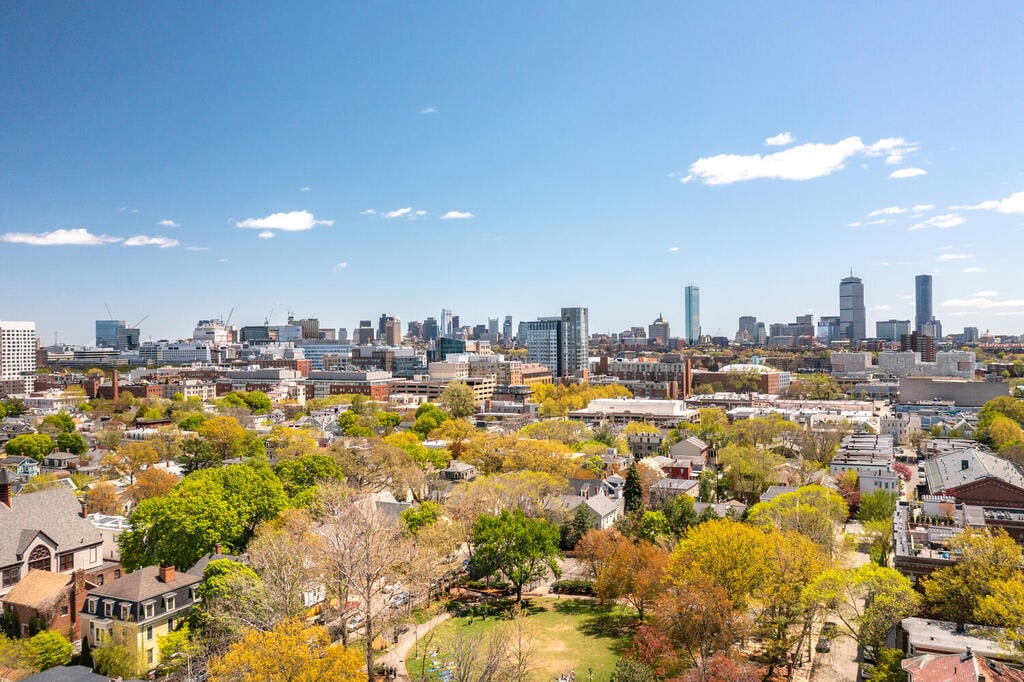
Discover Kendall Square, Cambridge
From industrial waterfront to “the most innovative square mile on the planet”
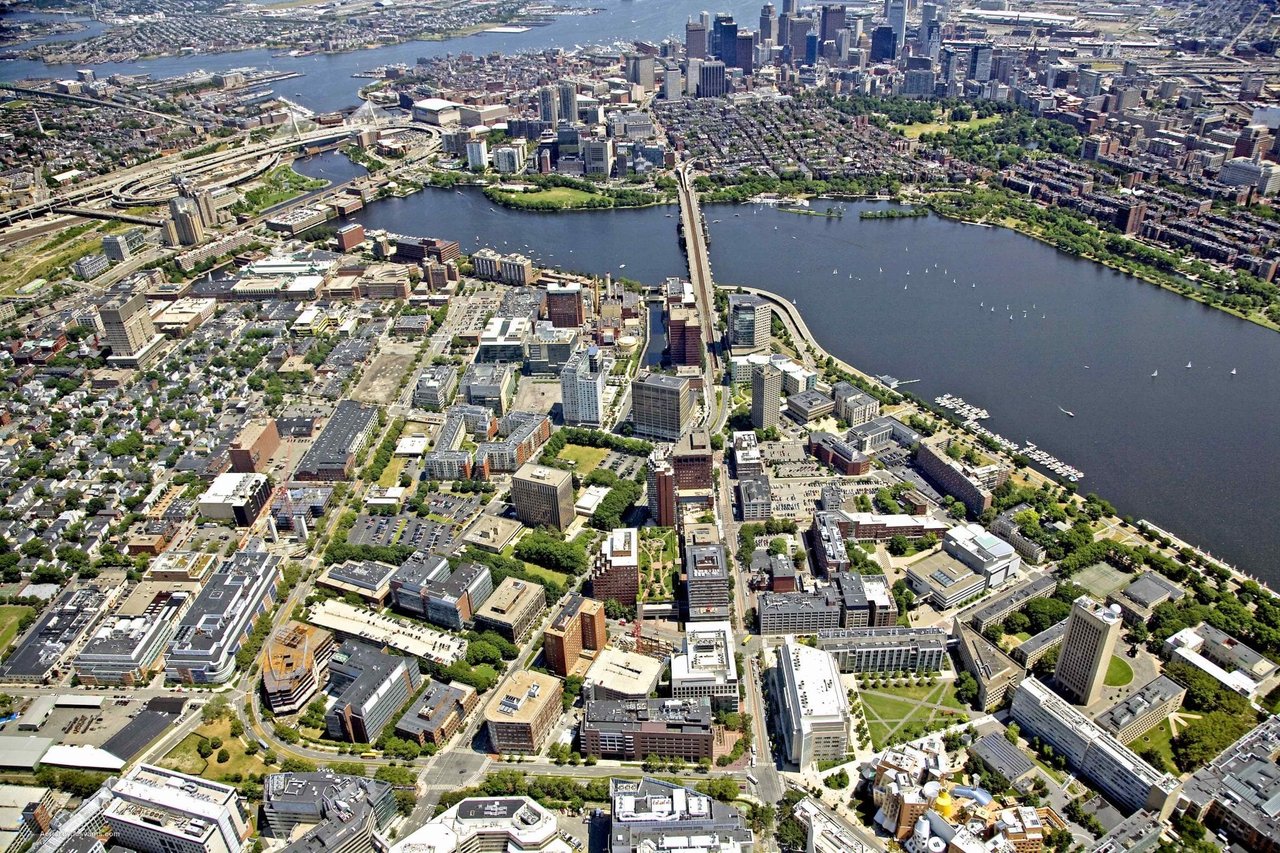
Kendall Square sits on the Charles River between MIT and the Longfellow Bridge, a quick Red Line ride from downtown Boston. Once a landscape of warehouses, rail yards, and a NASA research center, it has transformed over the past few decades into one of the world’s leading hubs for life sciences, pharmaceuticals, and technology.
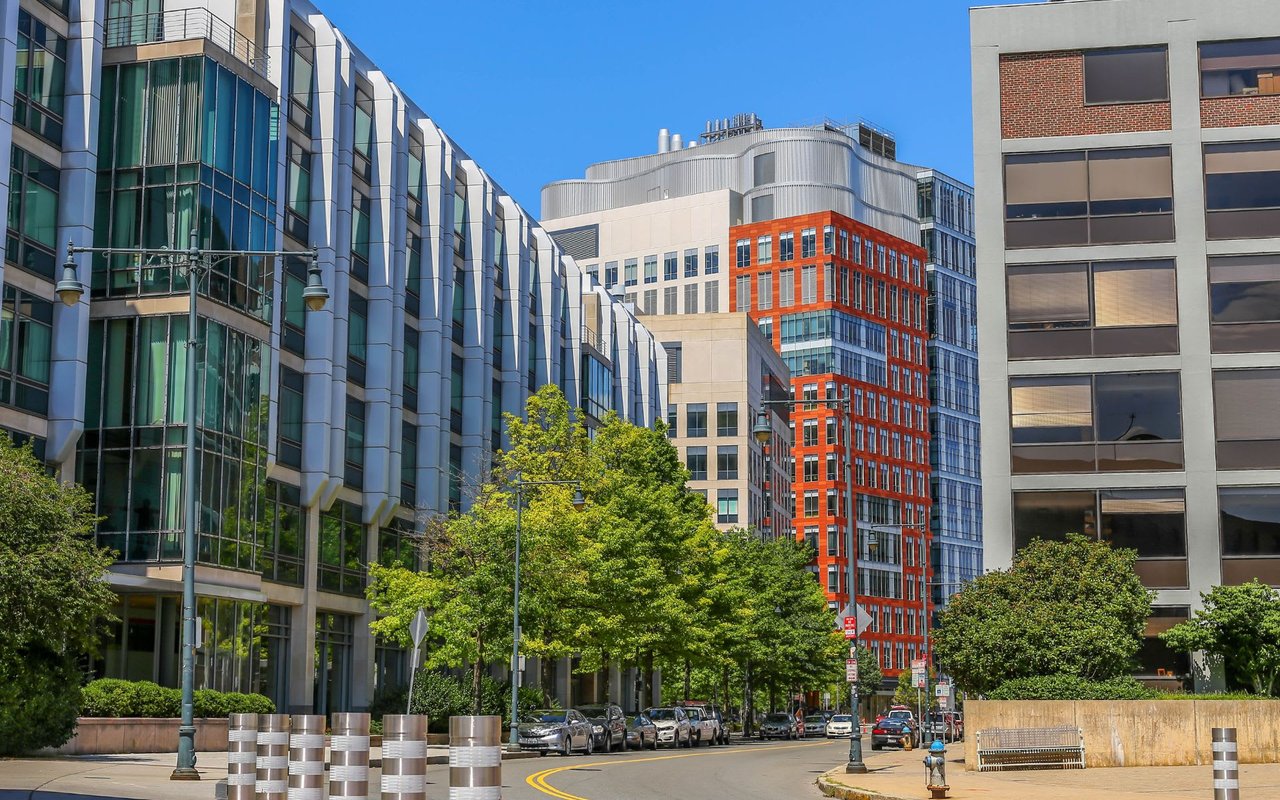
Today, Kendall Square is home to a dense cluster of labs, offices, start-ups, and new residential buildings, with an everyday scene of researchers in hoodies, founders with laptops, and neighbors walking dogs through pocket parks and along the river. More than 50,000 people now work in and around the neighborhood on a typical day.

A 20-year transformation
Over roughly the last 20 years, Kendall Square has been reshaped by a deliberate partnership between the City of Cambridge, the Cambridge Redevelopment Authority, MIT, and private developers. What was once characterized as a “dustbowl” of surface parking lots and aging factories has been steadily rebuilt into a mixed-use district with housing, retail, open spaces, and research space layered together.
Key milestones in Kendall’s evolution include:
-
MIT’s Kendall Initiative – bringing new academic buildings, housing, street-level retail, and public plazas along Main Street and Broadway.
-
The life sciences boom – more than 120 biotech companies now operate within about a mile, making Kendall one of the most important biotech clusters in the United States.
-
A growing residential neighborhood – new rental and condominium buildings, plus additional graduate and affordable housing, have added a resident community to what used to be a 9-to-5 office district.
For someone moving to Cambridge today, Kendall feels like an urban campus: glassy lab towers, historic brick buildings, cafés under office lobbies, a grocery store, the MIT Museum, and the Charles River esplanade all within a short walk.
The big players: 5 anchor companies in Kendall Square
Kendall’s reputation comes from the concentration of global companies and research institutions that chose to build here. Among hundreds of organizations, a few stand out as anchors.
1. Biogen
Biogen, founded in the late 1970s, was one of the early biotech pioneers to plant roots in Kendall Square. The company has maintained its Cambridge presence for more than forty years and is now consolidating into a new global headquarters at Kendall Common on Broadway, a 16-story, state-of-the-art lab and office building scheduled to open later this decade.
Biogen’s focus on neurological and rare diseases has helped anchor Kendall as a serious biotech research destination, attracting suppliers, collaborators, and talent from around the world.
2. Moderna
Moderna, known globally for its mRNA-based medicines and COVID-19 vaccines, is headquartered in Kendall Square. Its new 462,000-square-foot campus on Binney Street consolidates employees from several nearby buildings into a single R&D and office hub. The site replaces one of the last industrial holdouts in the area and represents the shift from warehouses to high-tech research.
3. Novartis Institutes for BioMedical Research
Novartis chose Cambridge for its global research organization, building a multi-building campus that stretches between Kendall and Central Squares along Massachusetts Avenue. The campus combines cutting-edge lab space with a central plaza, ground-floor retail, and public open space that helps knit the neighborhood together.
4. Pfizer
Pfizer has a major research presence in Kendall Square, including a two-building campus at 610 Main Street and additional nearby labs. These facilities, developed in close partnership with MIT, focus on areas such as neuroscience and cardiovascular and metabolic diseases, taking advantage of the proximity to academic researchers and hospital partners.
5. Microsoft New England Research & Development Center (NERD)
On the tech side, Microsoft’s New England Research and Development Center at 1 Memorial Drive has become a visible part of the Kendall skyline, right on the Charles. The center is one of Microsoft’s global R&D hubs and focuses on AI and software innovation, reinforcing Kendall’s role at the intersection of life sciences and technology.
These anchors sit alongside MIT, the Broad Institute, the Whitehead Institute, dozens of smaller biotechs and tech start-ups, and outposts of other global companies like Google, Amazon, and Facebook, creating a dense ecosystem of research, venture capital, and entrepreneurship.
How Kendall Square powers Cambridge
Kendall’s economic engine has an outsized impact on the City of Cambridge and on daily life for residents.
1. Property taxes and city services
Organizations based in Kendall Square pay roughly one-third of Cambridge’s total property taxes, plus millions more in permits and fees. That robust commercial tax base allows the city to keep one of the lowest residential property-tax rates in Massachusetts, while still funding high levels of public services and infrastructure.
Cambridge ranks near the top in the state for per-student spending in its public schools and is able to offer universal pre-kindergarten, generous support for affordable housing, and grants for arts, small businesses, and neighborhood events—investments that are directly supported by the revenues generated in places like Kendall.
2. Jobs and career pathways
Kendall Square employers support more than 35,000 jobs in life sciences alone, plus thousands more in academia, tech, hospitality, retail, and services. Sixteen of Cambridge’s twenty largest employers are located in Kendall, and thousands of Cambridge residents work in the neighborhood, including more than 2,500 people at MIT alone.
For students and workers, that means access to internships, co-ops, and career paths in research, engineering, data science, design, and operations—often just a bike ride or one Red Line stop away.
3. Green spaces and everyday amenities
As new buildings have gone up, they’ve brought a surprising amount of green space with them. There are now more than 600,000 square feet of privately owned public open space in Kendall Square, including parks, plazas, rooftop gardens, and the new Common and Dawes Field in the adjacent Cambridge Crossing area.
Residents and workers use these spaces for outdoor lunch, community events, free concerts and movie nights, fitness classes, and casual play—turning what could have been a purely corporate district into a lived-in neighborhood.
4. Transportation and climate leadership
Kendall is one of the most transit-rich corners of Greater Boston. The Kendall/MIT Red Line station is at the center, with frequent bus routes, the nearby Lechmere Green Line station, miles of bike lanes, and a dense network of Bluebikes stations funded largely by companies in the district. Many employers also subsidize transit passes and support local shuttles and multi-use paths like the Grand Junction.
At the same time, many of the area’s newest buildings pursue LEED certification and advanced sustainability strategies. MIT and neighboring institutes are actively researching solutions for renewable energy, low-carbon materials, and climate resilience—often piloting new technologies right in the neighborhood.
5. Philanthropy, education, and community programs
Kendall-based organizations invest time and money into Cambridge through school partnerships, workforce training programs, arts funding, and direct support for local nonprofits. Their contributions help sponsor guaranteed-income pilots, grants for neighborhood projects, and free access to institutions like the MIT Museum for Cambridge residents.
What it’s like to live near Kendall Square
For someone considering a move to Cambridge, Kendall Square offers:
-
An urban, walkable lifestyle – cafés, restaurants, roof decks, a small-format grocery store, river paths, and cultural spaces like the MIT Museum all within a short walk.
-
Proximity to global employers – many residents can walk or bike to work at some of the world’s most influential life sciences and tech companies.
-
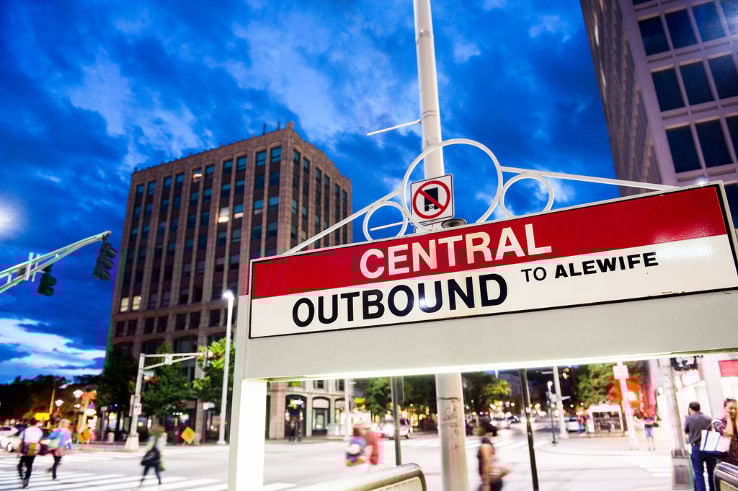
Excellent transit connections – a direct Red Line ride to Harvard, Central, downtown Boston, South Station, and fast connections to Logan Airport.
-
A dynamic, evolving skyline – new buildings, parks, and public art continue to reshape the neighborhood every few years, keeping Kendall in constant motion.
A true dining destination
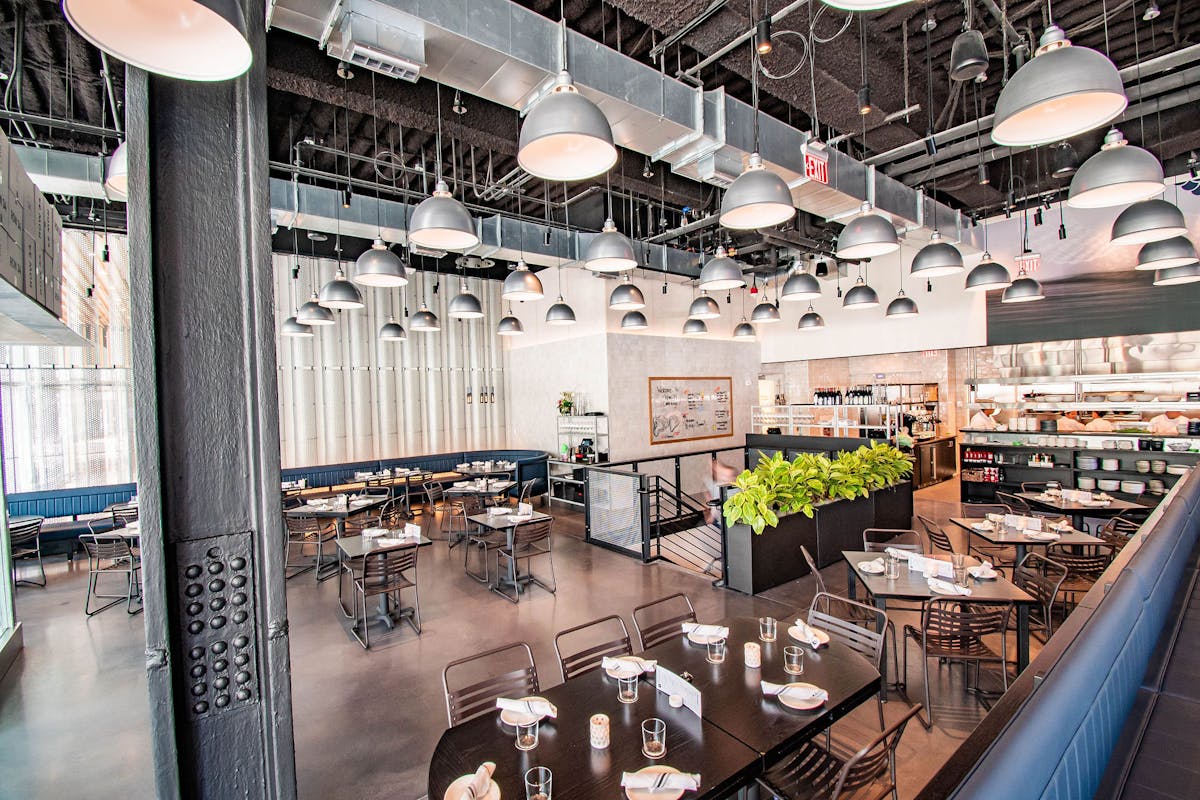


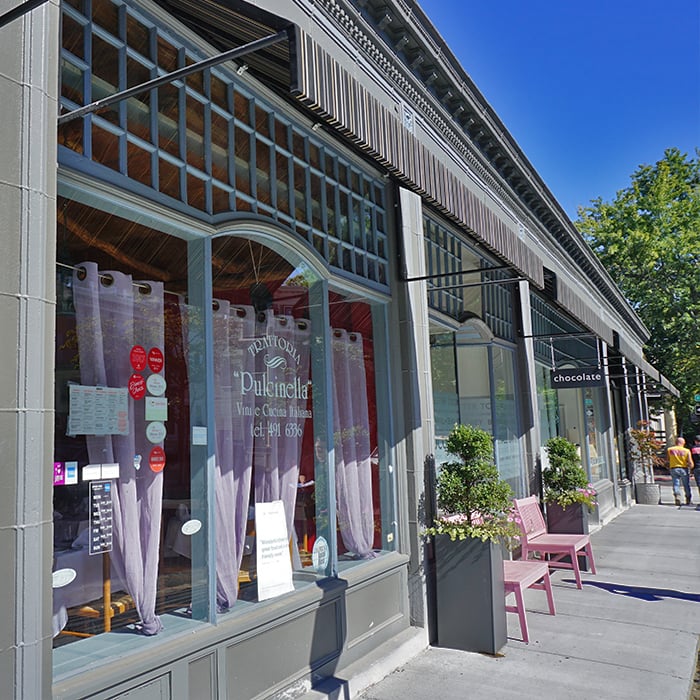
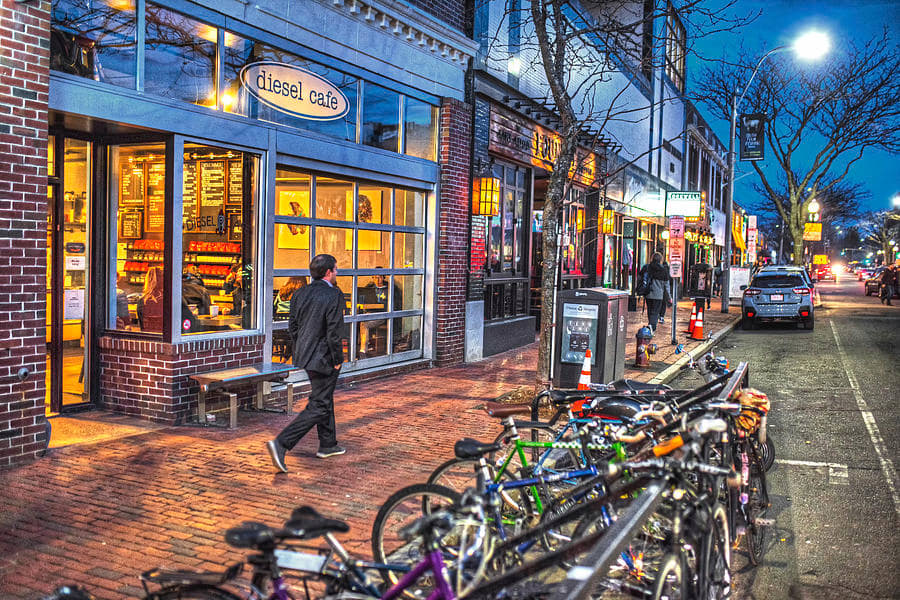
Once known mainly for labs and laptops, Kendall Square is now a bona fide dining neighborhood. Over the past decade, several restaurants have become established favorites—drawing Cambridge residents, MIT affiliates, and Boston diners alike.
Row 34
A modern New England oyster house that helped redefine Kendall’s food scene. Known for impeccably fresh seafood, a raw bar that rivals Boston’s best, and a relaxed yet polished atmosphere—this is both a local staple and a citywide destination.
Batifol
A stylish French brasserie with all the right notes: steak frites, onion soup gratinée, tartare, and a spirited bistro energy from brunch through dinner. Steps from Kendall Square and across from the Charles Hotel, Batifol gives the neighborhood a dash of Parisian charm—lively, convivial, and beautifully executed.
An all-day go-to with serious Cambridge soul. Think house-made bagels, pastrami, latkes, and comfort classics done right. Casual, lively, and endlessly reliable—Mamaleh’s is woven into daily life in Kendall.
Amelia’s Trattoria
A long-loved Italian spot tucked just off Kendall, with a warm brick-and-wood interior and a cozy, neighborhood feel. Fresh pastas, classic chicken piccata, and lobster ravioli, plus thoughtful wines, make it a favorite for date nights and lingering dinners after work.
Fuji at Kendall
A well-established Japanese restaurant with a loyal following. Sushi, sashimi, and creative rolls in a sleek setting make Fuji a consistent favorite for both residents and professionals working nearby.
Together, these restaurants—and the cafés, bakeries, and casual spots around them—give Kendall Square a sense of warmth and community that balances its high-powered innovation economy. Living nearby means great food is never an occasion; it’s simply part of everyday life.
Bonus lifestyle note: Living near Kendall Square means dinner plans can be spontaneous, not scheduled. Walkable dining, river paths at sunset, and the Red Line at your doorstep make everyday life feel effortlessly urban—with a distinctly Cambridge intellect.
Housing in and around Kendall ranges from new-construction condos and luxury rentals to converted industrial lofts and more traditional multifamily buildings in nearby East Cambridge and Cambridgeport. Inventory is limited and competition can be strong, but for buyers and renters who want to plug into Cambridge’s innovation economy, Kendall Square is the epicenter.
Kendall Square Real Estate — A Micro Guide
Who lives here, who buys here, and why it matters
Kendall Square isn’t just a global innovation hub — it’s a strategic place to live, invest, and build long-term value in Cambridge.
Who tends to live in Kendall Square
Kendall attracts a distinctive mix of residents:
-
Life sciences and tech professionals working at companies like Biogen, Moderna, Novartis, Pfizer, and Microsoft
-
MIT affiliates — faculty, researchers, post-docs, and graduate students
-
International buyers and renters who value transit, proximity to Boston, and a walkable, urban lifestyle
-
Empty nesters and downsizers drawn to newer buildings, elevators, concierge services, and low-maintenance living
Many residents choose Kendall not just for work proximity, but for efficiency: less commuting, more time, and a lifestyle that feels plugged into the city’s pulse.
Housing types you’ll find
Kendall Square real estate is primarily characterized by:
-
Newer construction condominiums with modern layouts, floor-to-ceiling windows, amenities, and parking
-
Luxury rental buildings offering flexibility for newcomers to Cambridge
-
Converted industrial lofts in nearby East Cambridge and Cambridgeport, often with character and generous ceiling heights
-
Limited traditional housing stock, which keeps supply tight and values resilient
Because land is scarce and zoning is carefully managed, new residential inventory arrives slowly — an important factor for long-term value.
Buying vs. renting in Kendall
-
Renters are often early-career professionals, visiting researchers, or corporate relocations seeking flexibility.
-
Buyers tend to take a longer view — valuing stability, appreciation, and the strength of the Kendall ecosystem.
For many, purchasing in or near Kendall Square is less about short-term volatility and more about anchoring into one of the most economically durable neighborhoods in the country.
Price dynamics & value drivers
Kendall Square consistently commands a premium within Cambridge, driven by:
-
Proximity to major global employers
-
Exceptional public transit access
-
Strong commercial tax base supporting city services
-
Continuous public and private investment
While pricing reflects these fundamentals, the neighborhood’s long-term trajectory has historically rewarded owners who think strategically and buy well.
Why Kendall Square real estate behaves differently
Kendall doesn’t follow the same rules as purely residential neighborhoods. Its values are influenced by:
-
Global research funding cycles
-
Corporate expansion and consolidation
-
University growth and innovation trends
-
City planning priorities around density, sustainability, and housing
Understanding these forces — not just comps — is essential to buying or selling here with confidence.
A quiet note for Cambridge home buyers and home sellers
Whether you’re considering a sleek new condo, a loft conversion nearby, or a strategic investment, Kendall Square rewards clarity, timing, and nuanced guidance. It’s a neighborhood where details matter — and where informed decisions quietly outperform. Connect with local top real estate Cambridge MA agent, Sandrine Deschaux, and she will walk you through the differences from neighborhood to neighborhood.