Working in Kendall Square or considering a move to East Cambridge? If you’re renting, relocating for a life‑science role, or weighing an investment, the neighborhood’s rapid lab growth can feel both exciting and confusing. You want a short commute and a smart purchase without overpaying in a fast-moving market. In this guide, you’ll learn how the life‑science expansion translates into housing demand, what features command a premium, how to time your move, and where the risks are so you can act with confidence. Let’s dive in.
Kendall’s life‑science momentum
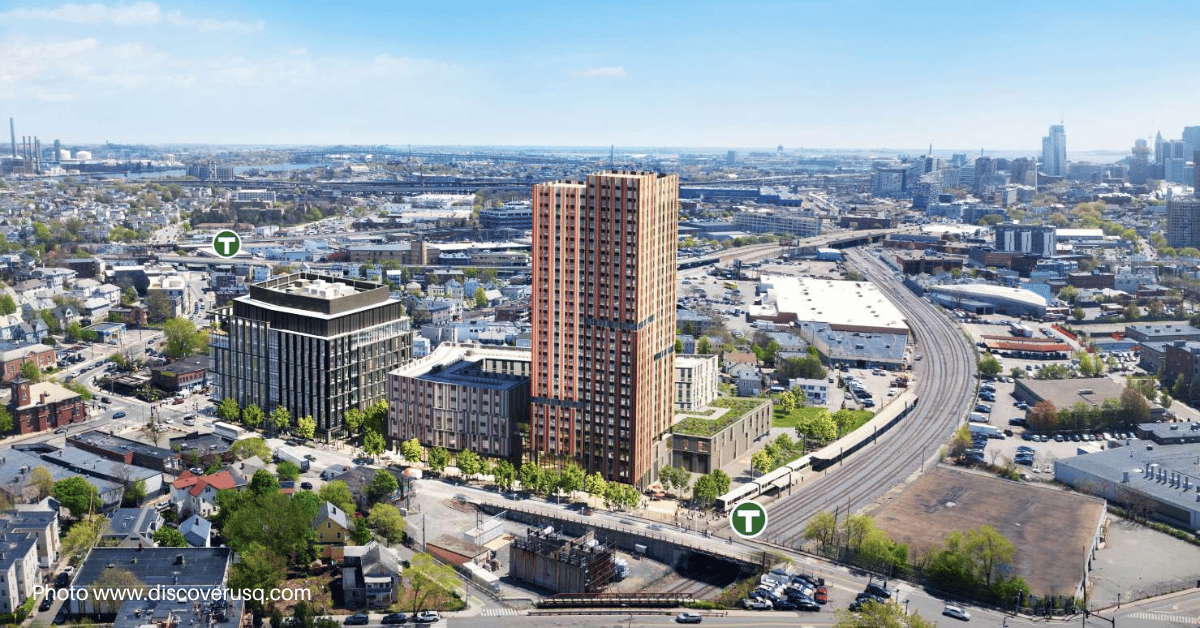
Boston–Cambridge stands among the world’s leading life‑science clusters, and Kendall Square is its core. Industry research through 2023 and 2024 shows steady capital flows, leasing, and a meaningful pipeline of new and converted lab buildings in and around East Cambridge. MIT, nearby hospitals, global biotech leaders, and a dense startup ecosystem anchor a steady stream of R&D jobs.
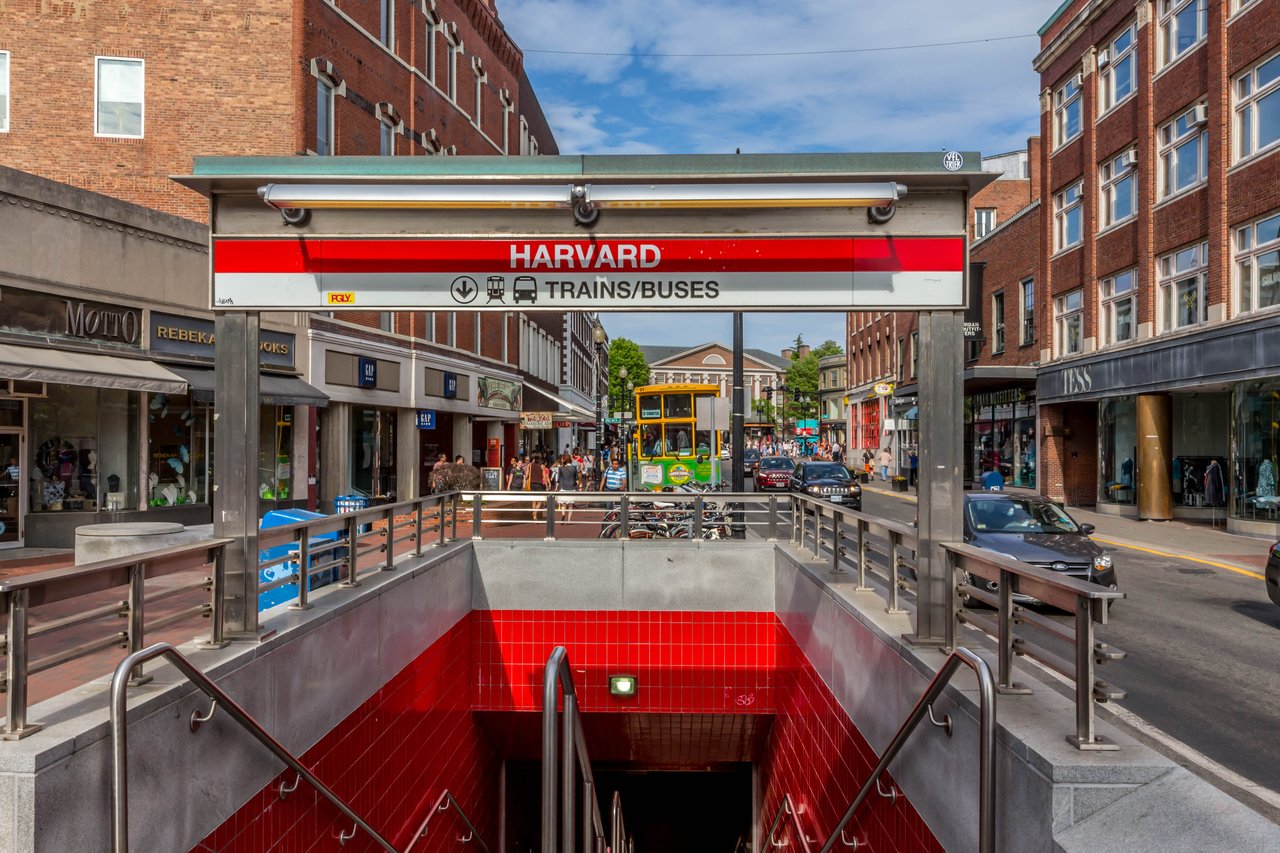
Over the last three to five years, new lab construction and office-to-lab conversions have expanded the footprint of employment near Kendall Square. Historical data points to lower lab vacancy in core Cambridge submarkets compared with other commercial sectors, which supports ongoing demand for nearby housing. Proximity to the Red Line, bike corridors, and walkable amenities keeps Kendall Square a top choice for firms and their teams.
How growth affects housing demand
The lab boom influences the housing market through a few clear channels. Understanding these mechanics helps you see why certain homes sell faster and at higher prices.
Demand channels
- Direct employee demand from scientists, engineers, clinical staff, and business teams who want short commutes and urban amenities.
- Secondary demand from professional services and support industries, from legal and consulting to lab services and hospitality.
- Investor interest focused on steady tenant pipelines and the potential for upgrades that attract higher-quality renters.
Inventory and turnover
- Tighter inventory in a compact neighborhood where supply cannot quickly expand. Cambridge’s limited land and zoning constraints make rapid new housing delivery difficult.
- Faster turnover for units with favored features: transit access, modern kitchens and baths, flexible space for a home office, secure bike storage, and garage or assigned parking.
- Renters converting to owners as employment stabilizes. Well-funded firms and permanent roles often trigger a shift from renting to buying condos and townhomes near Kendall.
Pricing patterns
- Proximity premium is strongest nearest Kendall Square and transit nodes. Shorter commutes and access to amenities translate into higher relative prices and rents.
- Product divergence as high-amenity condos and luxury rentals see larger absolute price increases, while moderate-priced options feel more pressure.
- Seller leverage for well-located, updated properties. Developers and sellers can often command premiums when demand outpaces supply.
Who is buying in East Cambridge
Different buyers respond to Kendall’s growth in different ways. Knowing what each group values can help you target the right homes or marketing strategy.
Renters becoming owners
Younger professionals, including early-career scientists and lab managers, often value a walkable commute, reliable transit, and an efficient floor plan. The wish list usually includes a dedicated workspace, in-unit laundry, and secure storage. Student loans and liquidity needs can shape down payments, so timing a purchase with a permanent hire or equity vesting is common.
Relocating professionals
Mid-career employees arriving from other hubs often want turnkey, higher-end condos or townhomes close to Kendall Square. Employer relocation packages can shorten timelines and reduce price sensitivity. Immediate occupancy, strong building amenities, and low-maintenance living are top priorities.
Investors
Long-term investors targeting multifamily or condos see Kendall Square’s employment base as a durable driver of rent demand and low vacancy. In hyper-core locations, competition can compress cap rates, so investors focus on properties with upgrade potential, tech-forward amenities, and bike or parking solutions that improve rentability.
Micro‑location and proximity premium
In East Cambridge, small distance differences matter. Blocks that provide a quick walk to Kendall/MIT on the Red Line, easy access to cycling routes, or closeness to everyday retail can see outsized demand. Streets that minimize traffic exposure and simplify last-mile commutes often draw more showings and faster offers.
If you are deciding between a slightly larger home farther away and a smaller place closer to Kendall, consider your daily routine. The time saved on a twice-daily commute, plus the walkable lifestyle, can make a premium feel worth it. The market tends to reward these micro‑location advantages at resale.
Features that command a premium
In East Cambridge, certain features consistently pull more interest, showings, and stronger offers:
- Proximity to Kendall/MIT Red Line and major bus or bike corridors
- Flexible layouts with space for a home office or study nook
- Updated kitchens and baths with quality finishes
- In-unit laundry, central air, and strong sound insulation
- Secure bike storage, garage or assigned parking
- Amenity-rich buildings with fitness rooms, roof decks, and package management
- Pet-friendly policies and well-managed associations
Smart strategies for buyers
Acting quickly does not mean acting rashly. Here is how to stay prepared and confident:
- Get fully underwritten pre-approval and understand your total monthly cost, including taxes, HOA, and parking.
- Prioritize micro‑location and transit convenience if you plan to resell within five to seven years.
- Look for flexible floor plans that create a real home office without sacrificing living space.
- For condos, review HOA reserves, upcoming assessments, and building maintenance history.
- Consider modest, high-ROI upgrades that boost appeal to life‑science tenants or future buyers.
- Balance list price with hold period. Paying a proximity premium can make sense if you plan a longer hold in a durable employment node.
- Ask about off-market and coming-soon opportunities to get ahead of competition.
Investor outlook and playbook
The fundamentals in Kendall-adjacent neighborhoods support long-term rent demand, but disciplined underwriting is essential.
- Target properties with value-add potential: better storage, bike rooms, in-unit laundry, or tech upgrades that justify rent increases.
- Stress-test for slower rent growth, higher vacancy, or interest rate fluctuations. A conservative base case helps you avoid overleveraging.
- Assume a longer hold to realize appreciation in core submarkets, especially when cap rates are tight.
- Diversify tenant mix where possible to reduce exposure to any single firm or funding cycle.
Risks and timing to watch
No market moves up in a straight line. Smart buyers and sellers keep an eye on key risk factors:
- Sector volatility. Funding cycles, IPO windows, and consolidation can slow hiring and lab leasing.
- Overbuilding risk. A surge of speculative lab deliveries could raise vacancy and temper employment growth.
- Macro housing factors. Interest rates, lending standards, and tax policy directly affect affordability and transaction volume.
- Remote and hybrid work. While lab work is largely onsite, some functions can be remote, moderating demand at the margin.
Timing your move depends on your profile:
- Renters-to-buyers: Consider buying after employment stabilizes and when financing fits your budget. Near-term proximity premiums can be worthwhile if you value daily time savings and long-run resale.
- Relocators: Short leases, rent-back options, or flexible closing timelines can smooth the transition. Employer assistance may broaden your options.
- Investors: Enter selectively, with patient capital and a plan for capital improvements that boost net operating income.
Policy and supply context
Cambridge’s limited land and zoning overlays constrain the speed of new housing delivery. Community review processes and negotiations around public benefits shape development timelines and the form of new projects. Inclusionary housing programs help preserve and produce below-market units, influencing how much market-rate supply reaches the neighborhood.
Transit access, bike infrastructure, and pedestrian improvements remain critical to livability and value. As lab density rises, investments in mobility and street design will continue to support East Cambridge’s appeal for residents and employers.
What this means for sellers
If you own a home or condo near Kendall Square, the buyer pool is deep and discerning. Positioning your property for life‑science professionals and investors can maximize results.
- Emphasize commute efficiency, transit access, and daily convenience in your marketing narrative.
- Stage for flexible living with a defined workspace and clutter‑free storage.
- Tackle targeted updates that make a strong first impression: lighting, paint, hardware, and bath fixtures.
- Price in line with micro‑location and building amenities. In tight inventory pockets, well-presented homes can move quickly.
- Leverage premium visuals and story-driven marketing to stand out in a competitive segment.
Your next step
Whether you are deciding when to buy, how to prep a sale, or what to acquire as an investor, local micro‑market clarity matters. A seasoned advisor can help you compare specific streets and buildings, weigh proximity premiums, and uncover off-market opportunities that fit your goals. If you are planning a move in or near East Cambridge, connect with Sandrine Deschaux to map a strategy that balances lifestyle, timing, and long‑term value.
FAQs
How is Kendall’s lab growth affecting East Cambridge home prices?
- Concentrated job growth near Kendall Square increases demand for nearby housing, tightening inventory and creating a proximity premium for well-located homes and condos.
What types of homes sell fastest near Kendall Square?
- Move-in-ready condos and townhomes close to transit with modern finishes, flexible workspace, in-unit laundry, and secure bike or parking options tend to move faster.
I rent in East Cambridge. When should I consider buying?
- Many renters buy after job stability improves, such as a permanent hire or equity vesting, and when financing aligns with total monthly costs including taxes and HOA.
What should investors prioritize in East Cambridge?
- Target proximity to Kendall, buildings with upgrade potential, strong management, and features tenants value. Underwrite conservatively and plan for longer hold periods.
How do Cambridge policies impact future supply near Kendall?
- Zoning limits, community review, and inclusionary housing requirements influence timelines and the amount of market-rate housing that reaches East Cambridge.