If you are eyeing East Cambridge for your next rental or live-in investment, you are looking at one of Greater Boston’s most dynamic corridors. Transit has improved, employers are steps away, and a master-planned neighborhood is still rising. The mix of strong demand and constant development can be a powerful engine for value, but it also requires careful underwriting.
In this guide, you will see how the area’s jobs base and the Cambridge Crossing buildout shape rents, where cap rates typically sit, and what risks to watch. You will also get a practical checklist to vet any address near Lechmere. Let’s dive in.
Why East Cambridge draws investors
East Cambridge sits beside Kendall Square and MIT, within a walk or quick ride of many of the city’s largest employers. The City’s list of top employers shows a concentration of universities, life science firms, tech companies, and major healthcare institutions that sustain high-wage jobs and steady renter demand nearby. You can review the employer mix on the City’s page of top Cambridge employers.
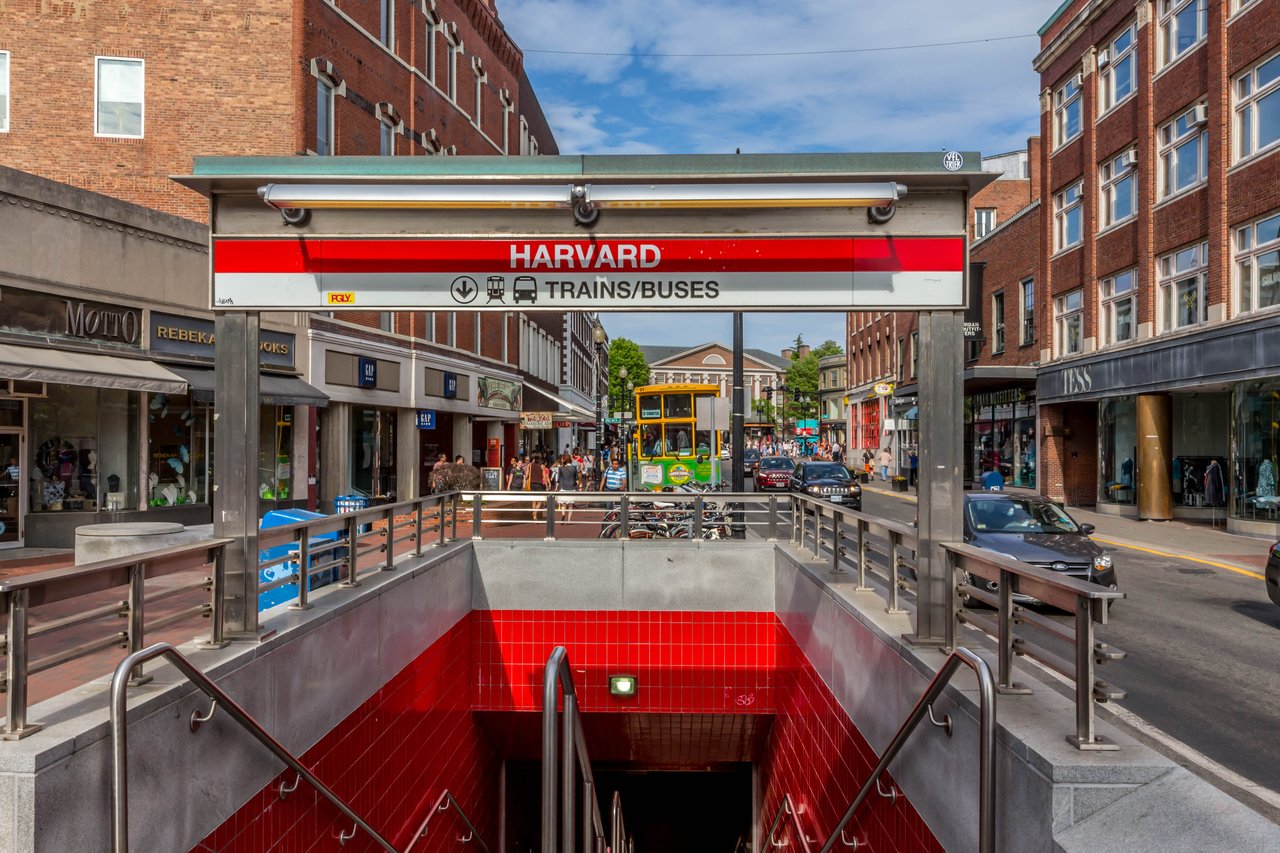
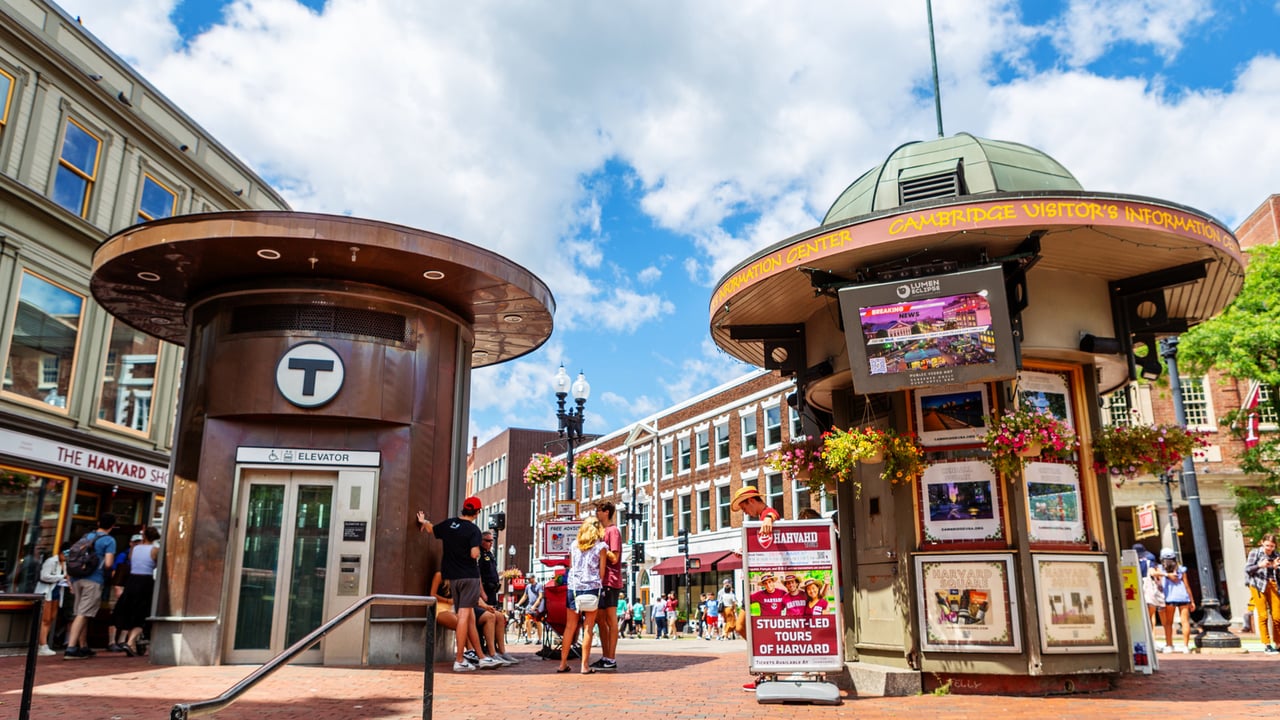
Transit is a real advantage. The Green Line Extension opened in 2022 with a rebuilt Lechmere station, improving direct Green Line service and tightening the commute to North Station and connections to Kendall. Better access is a long-term tailwind for housing close to Lechmere and Cambridge Crossing. See an overview of the Green Line Extension.
Cambridge Crossing momentum
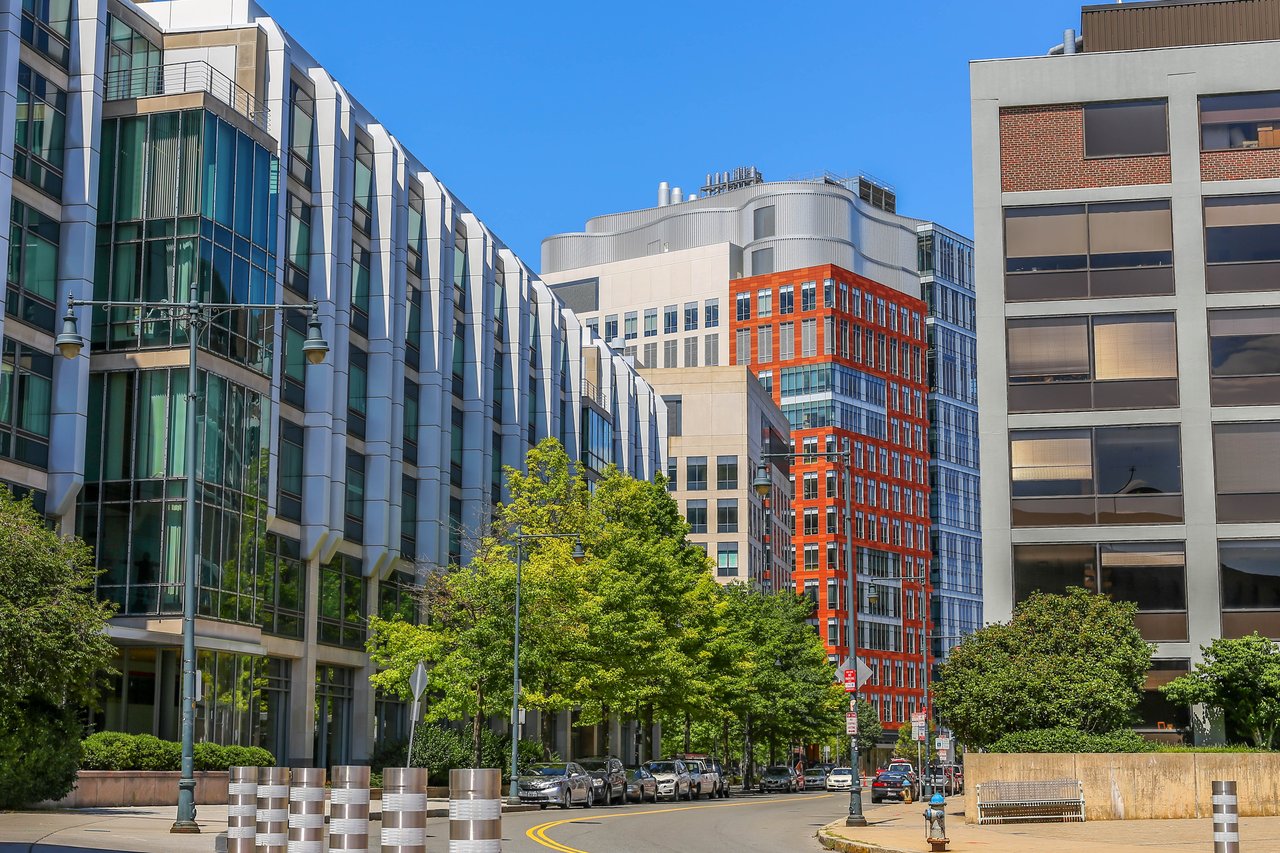
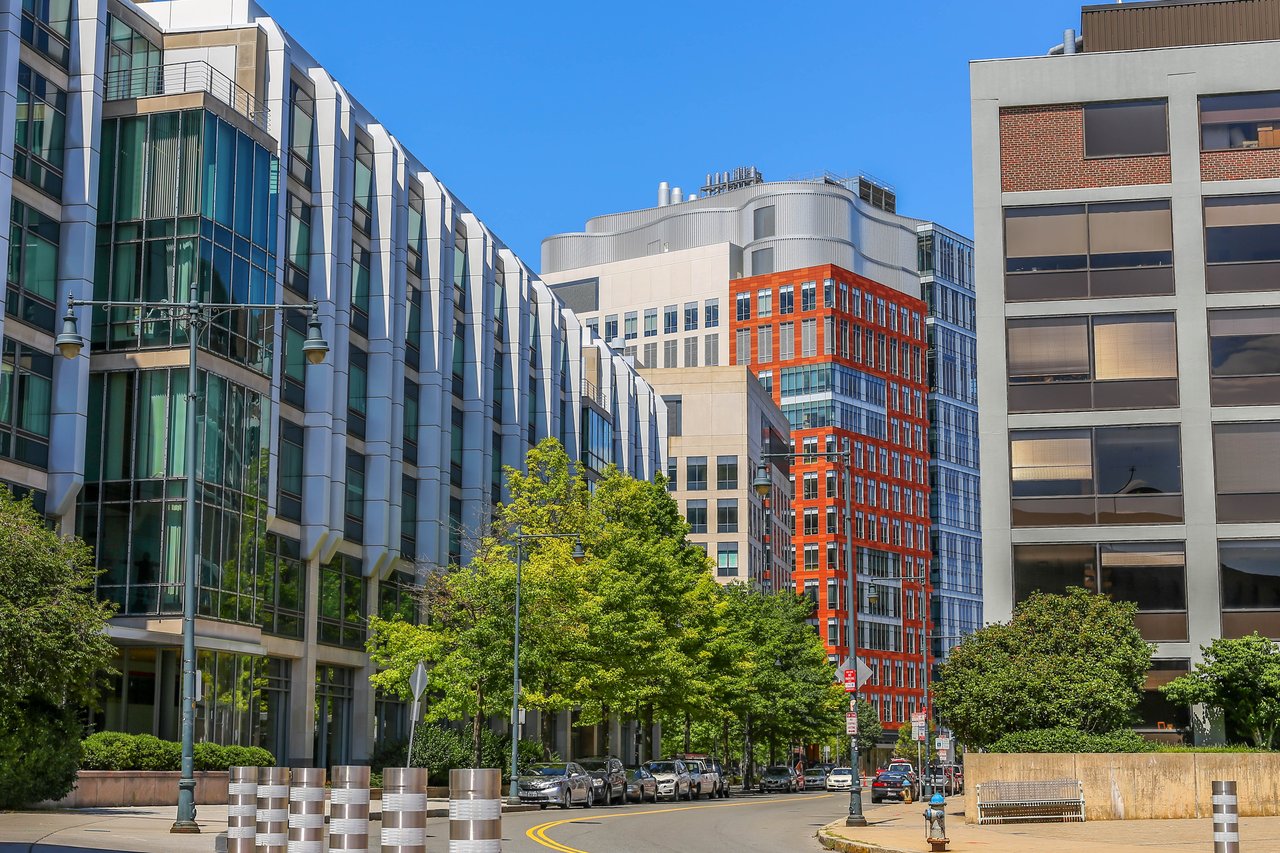
Cambridge Crossing (the former NorthPoint) continues to change the Lechmere corridor. The official site describes a 43 to 45-acre plan with roughly 4.5 million square feet across residential and commercial uses, plus open space and retail. Several residential buildings and lab towers are open, with more in the pipeline. Explore the scope and public realm on the Cambridge Crossing site.
High-profile tenants have anchored the district, including reported commitments by global life-science brands. Earlier coverage highlighted a significant Sanofi lease at the campus, a sign of sustained corporate interest in the corridor. For historical context, read the Boston Globe’s report on Sanofi’s East Cambridge lease. Broker coverage has also tracked major investment sales and additional development phases, such as this Banker & Tradesman note on CX’s expanded development program.
Why it matters for you: employer concentration and a high-amenity, transit-served district can support above-average rents and low vacancy over time. That strength also pushes acquisition costs higher and compresses yields, so pricing discipline is essential.
What rents and prices look like now
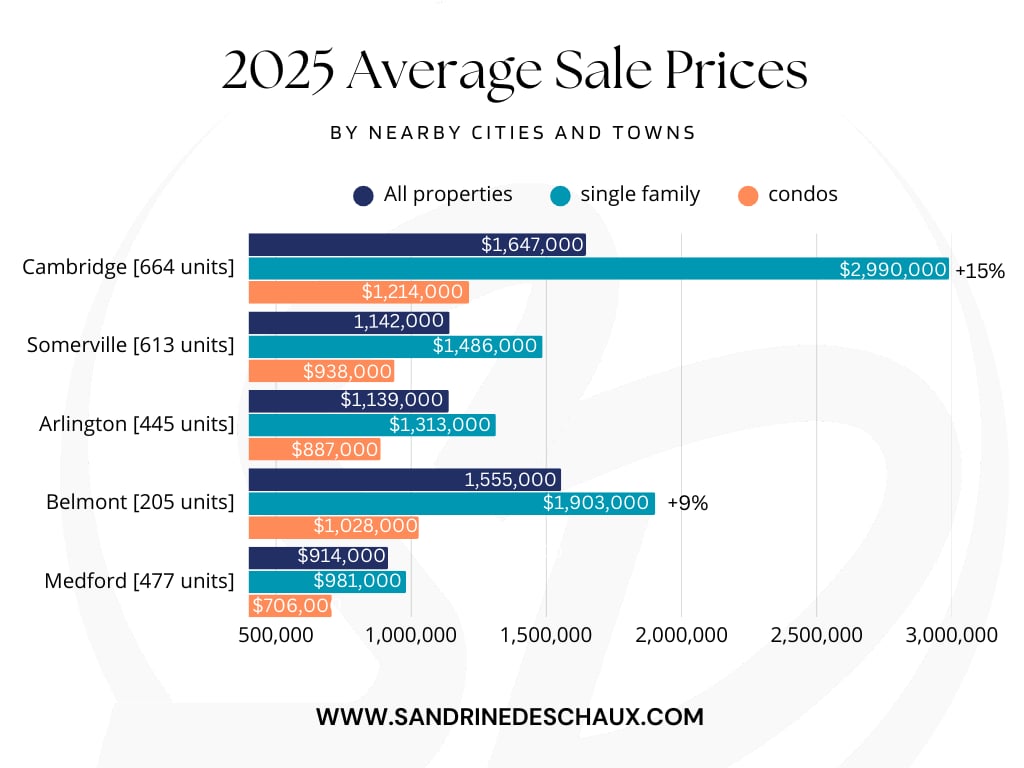
Citywide prices remain high by U.S. standards. As of January 2026, Zillow reported a typical Cambridge home value near 1.01 million dollars and an average rent around 3,200 dollars per month. Exact figures vary by data source and property type, so always date any number you use in underwriting.
At the neighborhood level, East Cambridge asking rents have sat well above national averages. Across 2024 through early 2026 snapshots, Zumper’s neighborhood series showed median two-bedroom asking rents often in the 3,500 to 4,500 dollar range. Month-to-month figures move with new deliveries and leasing specials, so pull current comps before you buy.
Vacancy in Greater Boston multifamily has generally trended below national averages in recent periods, with performance varying by class and by delivery timing. CBRE’s Q4 2024 brief offers broader context on underwriting assumptions and occupancy for the region. For market color, see CBRE’s summary of multifamily underwriting assumptions.
Returns, cap rates, and expectations
Cap rates in Greater Boston split by asset type. CBRE’s Q4 2024 surveys indicated core, stabilized Class A multifamily trading near a 4.9 percent going-in cap. Smaller, non-institutional 2 to 6 unit buildings often price at higher yields, commonly in the mid-5 to about 6 percent range in 2024 small-multifamily composites. Use asset specificity when you benchmark a target property. You can review regional cap context in CBRE’s Q4 underwriting brief and small-asset commentary in this regional snapshot of small multifamily cap rates.
What this means for you: boutique 2 to 4 unit properties may pencil with better cash yields than trophy towers, but pricing is still tight. If the going-in cap sits close to your all-in mortgage cost and reserves, a small dip in rent or a few weeks of vacancy can erase cash flow.
A quick sensitivity check
Interest rates matter. In early 2026, national 30-year fixed mortgage averages hovered in the high-5 to low-6 percent range, based on industry surveys. You can scan dated snapshots in this rate overview of mortgage market trends. If you underwrite a building at a 5.5 percent cap and your effective borrowing cost sits near 6 percent after fees, the deal will be sensitive to even small changes in rent growth, taxes, or insurance. Build multiple rate cases into your model.
Supply, zoning, and policy to watch
New supply at Cambridge Crossing will continue to add lab space and thousands of residential units over several years. The rent impact depends on how quickly new units lease and how employment grows. The NAIOP profile offers a concise overview of the plan and timeline for the area’s transformation. For background, see NAIOP’s note on the Cambridge Crossing buildout.
Zoning is shifting regionally. The MBTA Communities law requires MBTA-served cities and towns to permit multifamily housing as of right in certain districts, which can increase near-transit capacity over time. Cambridge also maintains inclusionary housing requirements that shape project economics for new development. Read the state Attorney General’s advisory on MBTA Communities requirements and the City’s inclusionary housing study.
Policy risk also includes the potential for rent stabilization. As of late 2025, ballot campaigns pursued rent-cap proposals for a possible 2026 statewide vote. The status of any question can change quickly, so monitor reliable press and official sites for updates. You can see a snapshot of coverage threads via this reporter page on statewide rent debates.
Physical and operational risk checklist
East Cambridge includes river-adjacent blocks and older infrastructure. Flood exposure and stormwater management deserve attention in your due diligence. The City’s Department of Public Works maintains resources on resilience, stormwater systems, and capital planning that can inform your review. Start with Cambridge’s DPW hub for public works and stormwater.
When you tour a property, verify elevation relative to the Charles River, request any existing flood certificates, and price flood insurance if the parcel is in a FEMA zone. Inspect for older building systems that might need near-term capital improvements. Budget realistic operating reserves for taxes, insurance, utilities, and maintenance.
Owner-occupant advantages
If you plan to live in one unit of a 2 to 4 family, you may access better financing terms than a pure investor loan. Many FHA and conventional products allow lower down payments and different reserve rules for owner-occupied 2 to 4 unit properties. For an overview of program types, read this explainer on 2 to 4 unit owner-occupied loans. Always confirm current terms with a local lender before you set your budget.
Lower down payment, paired with East Cambridge’s rent levels, can help you offset a significant share of your housing cost while building equity. Just remember that underwriting must still pencil at today’s rates and realistic vacancy and expense assumptions.
Quick property checklist for East Cambridge
Use this short list to pressure-test any address near Lechmere or Cambridge Crossing:
- Location and access: distance to Lechmere station and the Green Line, plus walk, bike, and shuttle options. For context on the rail service, see the Green Line Extension overview.
- Zoning and feasibility: confirm permitted use, density, and any inclusionary triggers if you plan changes. Consult the City’s inclusionary housing resources.
- Rent comps: pull recent, dated asking and contract rents for similar units. Track concessions and free months in new buildings.
- Sales comps and cap rates: compare to recent 2 to 4 unit trades and regional cap-rate ranges. See CBRE’s Q4 underwriting brief for context.
- Financing terms: model owner-occupied versus investor loan options and run sensitivity to rates. This rate overview of mortgage trends is a good starting point.
- Operating costs: verify property taxes and insurance, and price flood coverage if applicable. The City’s DPW page on public works is a helpful resource for infrastructure context.
- Policy watch: track MBTA Communities implementation and any rent-cap ballot status. The AG’s advisory explains MBTA Communities requirements.
Is East Cambridge a smart buy for you?
If you value long-term demand driven by jobs and transit, East Cambridge deserves a close look. Rents are strong, institutional capital is invested at scale, and the Cambridge Crossing district should keep the area in demand. On the flip side, acquisition prices are high, yields can be thin, and policy changes could alter rent growth.
You can make a smart buy here if you bring disciplined underwriting, realistic financing cases, and an eye on supply and policy timelines. If you are weighing a 2 to 4 unit house-hack or a boutique multifamily hold, a local advisor can help you match the block, the building type, and the numbers to your goals.
Ready to explore on the ground and review live comps and off-market options? Connect with Sandrine Deschaux to get a clear plan for your East Cambridge investment.
FAQs
What drives rental demand in East Cambridge?
- A dense cluster of top employers near Kendall and MIT, strong transit at Lechmere, and walkable amenities support steady demand, as noted by the City’s list of top employers.
How could Cambridge Crossing affect rents near Lechmere?
- CX adds new apartments and jobs over several years, so near-term rent pressure depends on lease-up pace versus new household formation, outlined in NAIOP’s CX overview.
What cap rates should I expect for small 2–4 unit buildings?
- Regional small-multifamily composites in 2024 often showed mid-5 to about 6 percent caps, higher than core Class A assets, with context in CBRE’s Q4 brief.
Are there zoning changes that could impact my plan?
- The MBTA Communities law increases by-right multifamily capacity in designated districts, and Cambridge’s inclusionary rules affect new development economics, detailed in the AG’s advisory and the City’s inclusionary study.
Should I worry about flood risk near the Charles River?
- Yes, verify FEMA zones, elevation, and insurance costs for low-lying parcels and review the City’s public works and stormwater resources during due diligence.
Can I use owner-occupied financing for a 2–4 unit purchase?
- Many FHA and conventional options allow owner-occupied financing with different terms for 2 to 4 unit properties; see this overview of 2–4 unit programs and confirm details with a local lender.