Wondering why one luxury home in Cambridge draws immediate interest while another lingers, even when both look impressive on paper? In this market, pricing is rarely about a broad citywide average. If you want to position a high-end home well, you need to understand how Cambridge’s micro-markets, property types, and local rules shape value. Let’s dive in.
Why Cambridge Pricing Is So Local
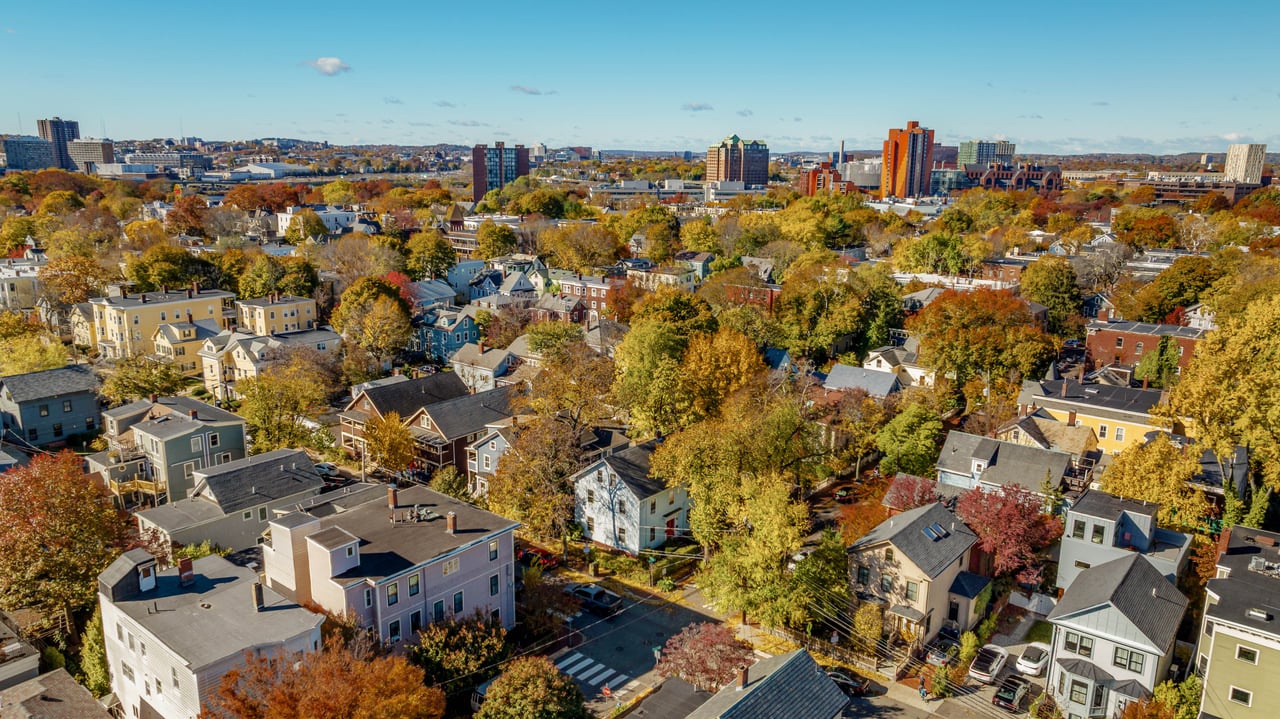
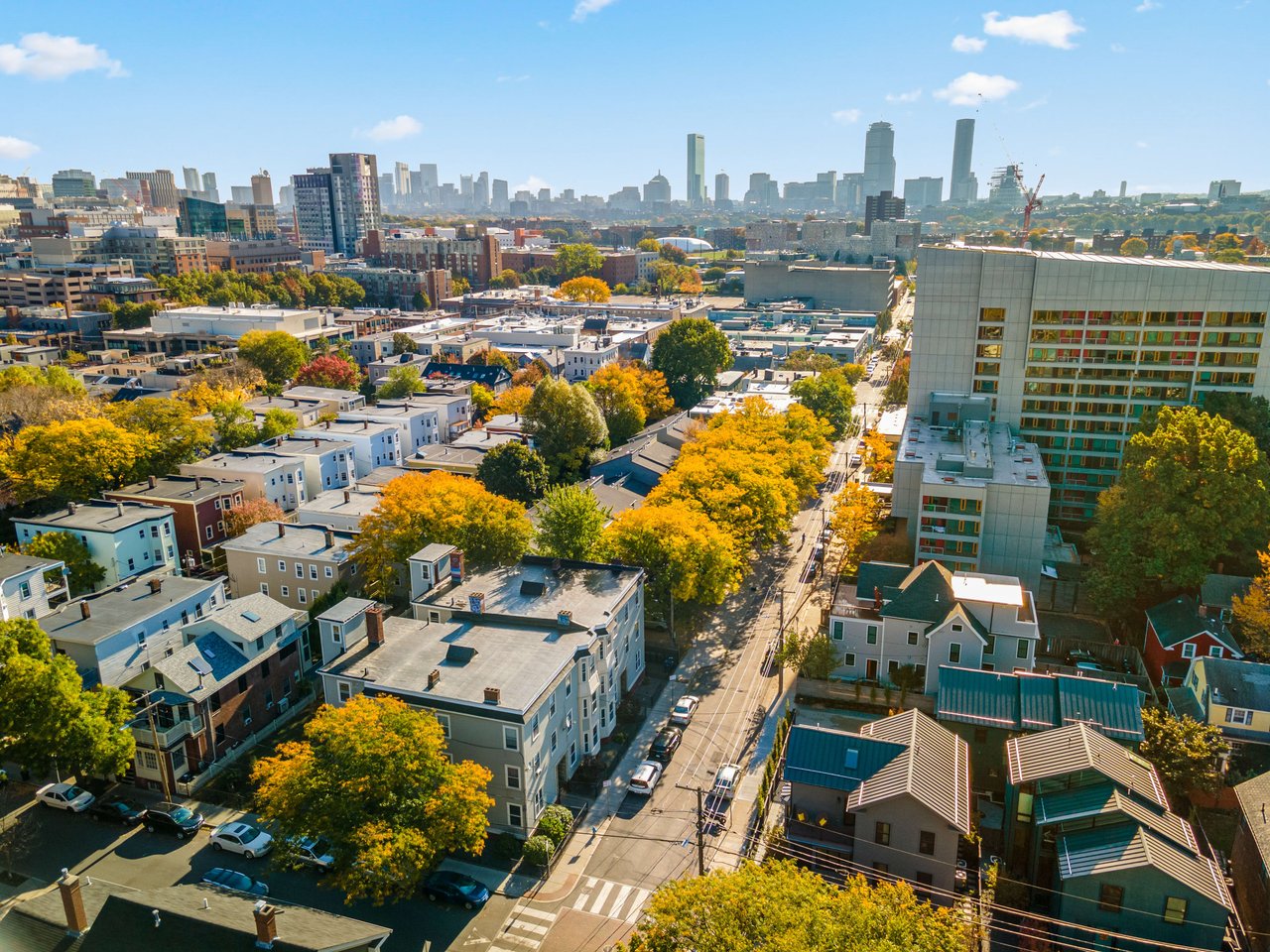
Cambridge is often discussed as one market, but luxury pricing works on a much narrower level. The city has 13 neighborhoods, and for homes near Harvard Square, the best comparison is often not a whole neighborhood at all, but a small cluster of nearby streets, a specific historic or zoning district, and the same property type.
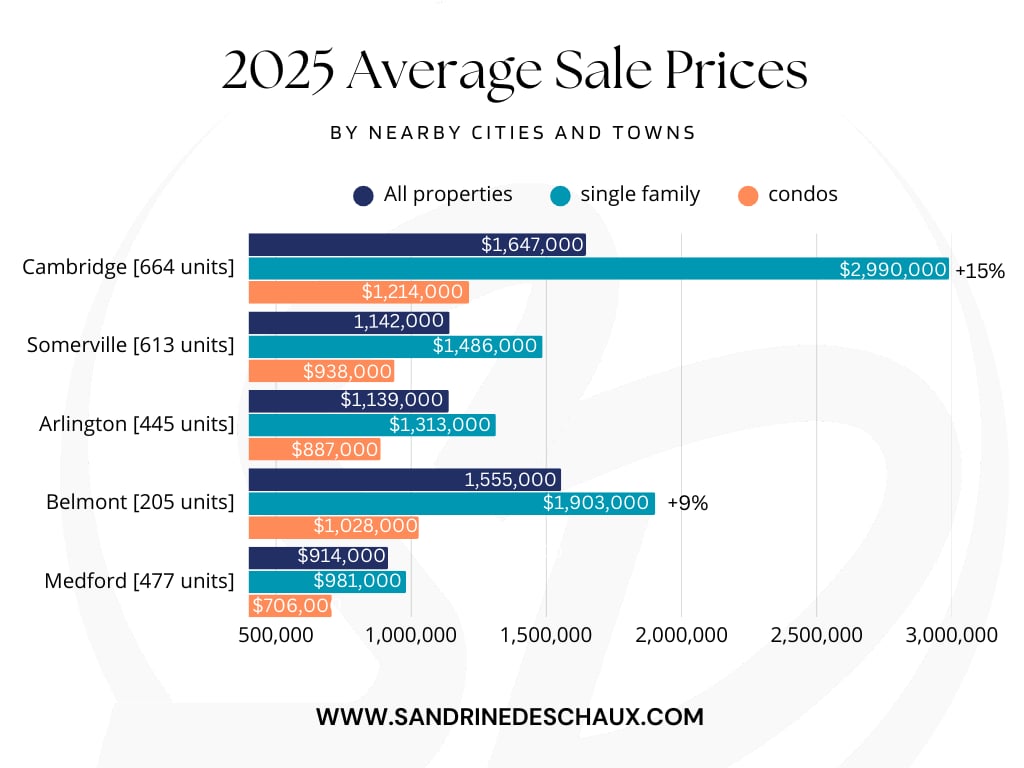
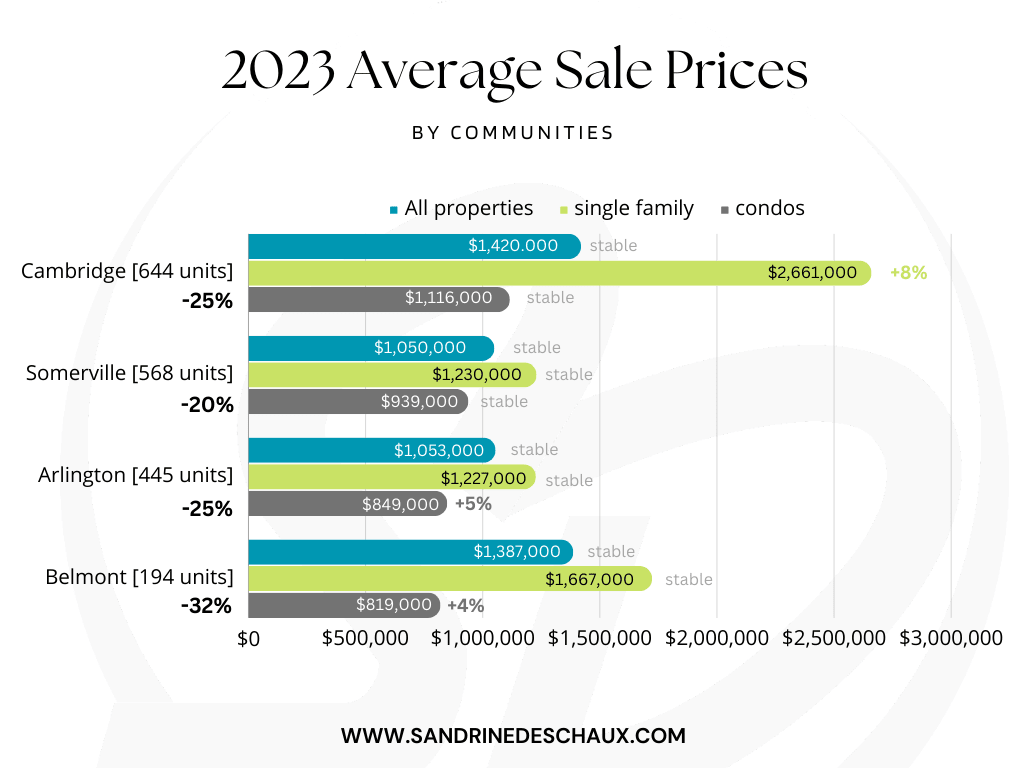
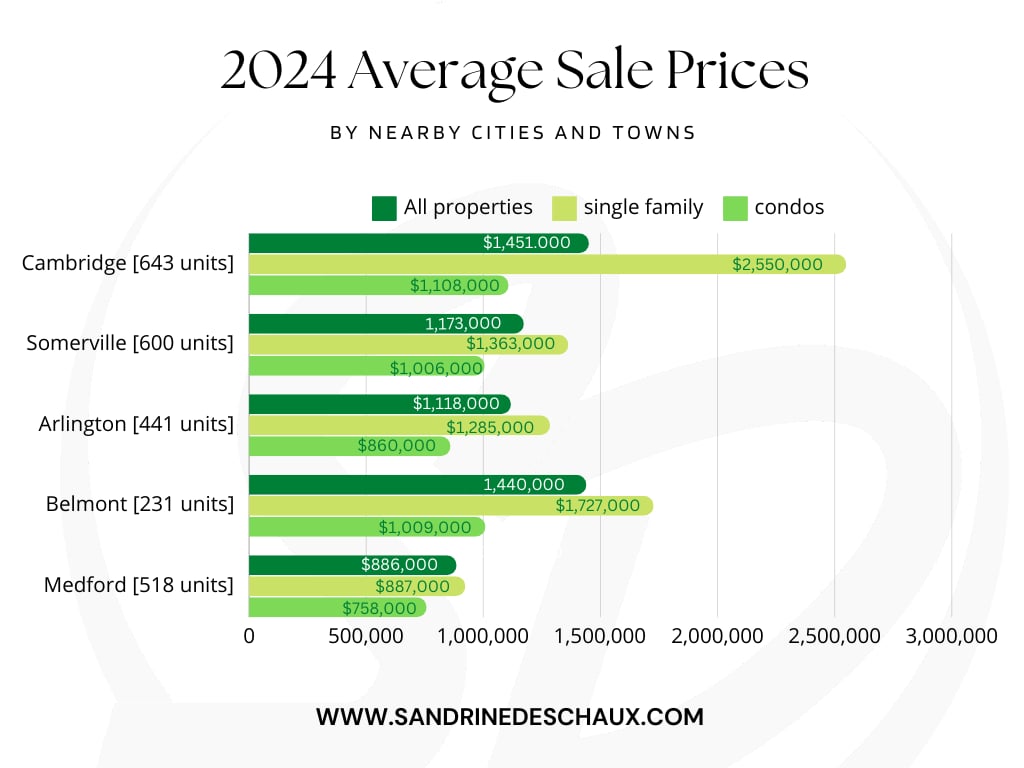
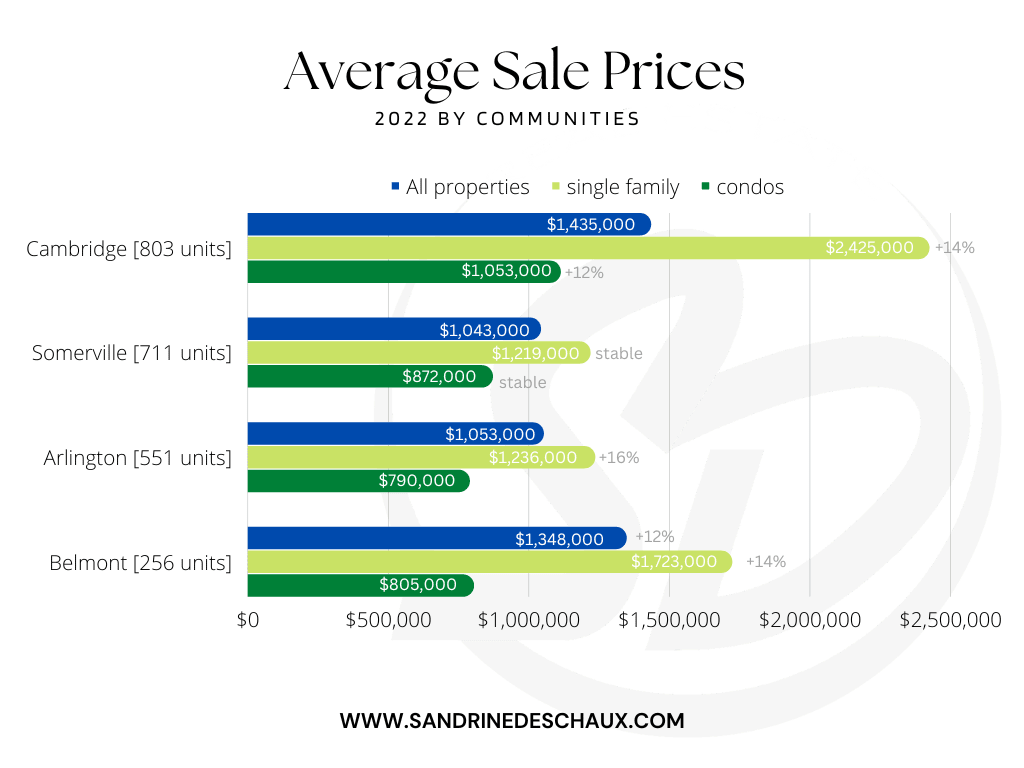
That matters because product types vary widely in price. In 2024, Cambridge market-rate median sales were $2.315 million for single-family homes, $1.5425 million for two-family homes, $1.8225 million for three-family homes, and $870,000 for condominiums, according to the City of Cambridge. If you price a luxury single-family home using condo-heavy averages, you risk missing the mark from day one.
Current market pace also reinforces the importance of a smart launch. Zillow’s Cambridge snapshot shows a median sale-to-list ratio of 0.988 and homes going pending in about 39 days. In a market like that, the first impression and the opening price still carry real weight.
Why Micro-Markets Matter More
Luxury buyers in Cambridge are not all shopping for the same lifestyle. Some want a quieter residential setting with historic character. Others want direct access to transit, restaurants, and a more urban daily rhythm. That is why your pricing strategy should reflect not just the home itself, but the specific buyer pool most likely to respond.
A strong pricing approach usually starts with three filters:
- The same micro-market
- The same property type
- The same regulatory context
In other words, a West Cambridge single-family home should not be benchmarked mainly against Mid-Cambridge condos, even if both are technically in Cambridge. The location story, housing stock, and buyer expectations are too different.
West Cambridge Pricing Signals
West Cambridge tends to support some of the strongest pricing in the city’s cited submarkets. The neighborhood has a relatively low-density, owner-oriented profile, with 56.6% owner occupancy and a housing mix that includes 20.5% single-family units and 43.9% two-to-four-unit buildings, based on the City’s neighborhood profile. It also benefits from proximity to Harvard Square, Fresh Pond, the Charles River, and Mount Auburn Cemetery.
Zillow’s February 2026 ZHVI places West Cambridge at about $1.62 million, the highest among the submarkets cited in the research. That does not price an individual luxury home by itself, but it helps frame the strength of demand in the area.
What Buyers Often Value in West Cambridge
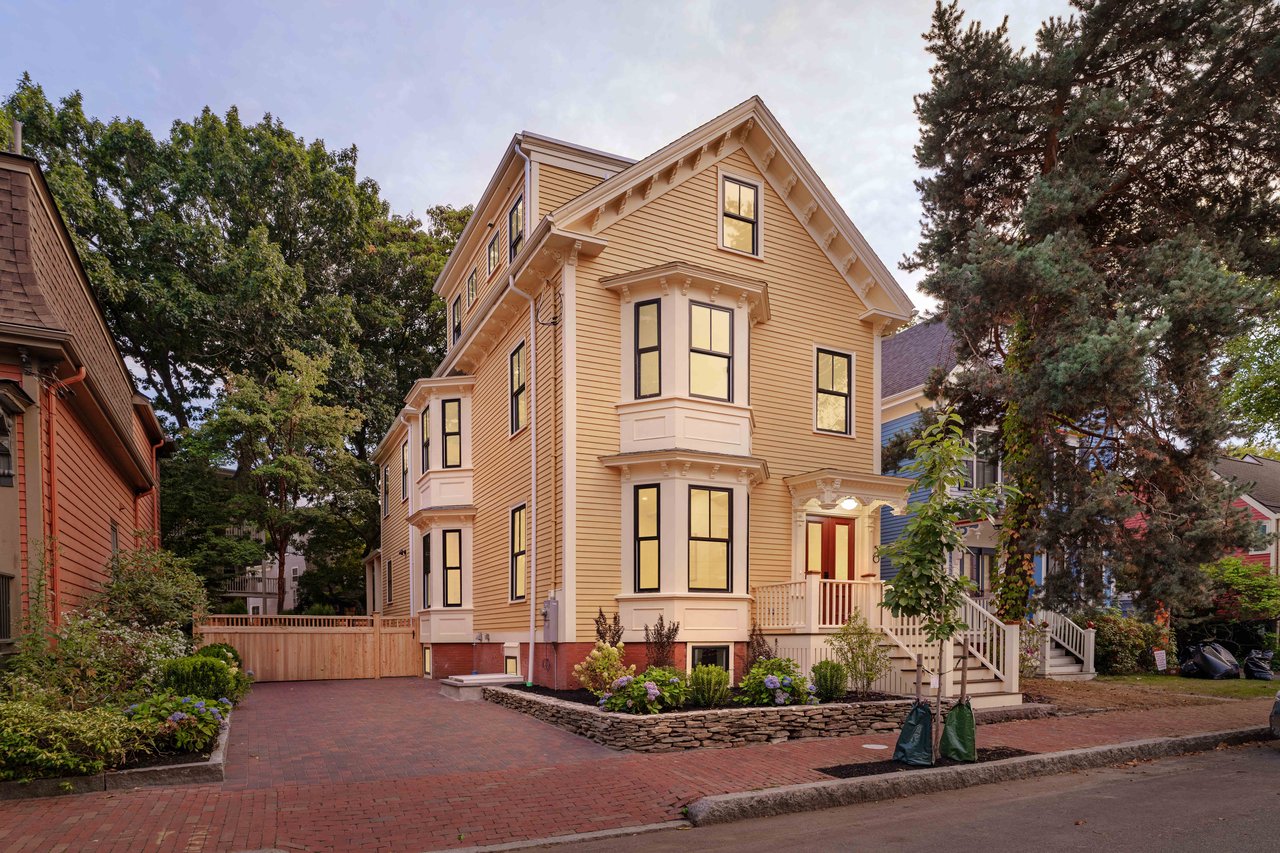
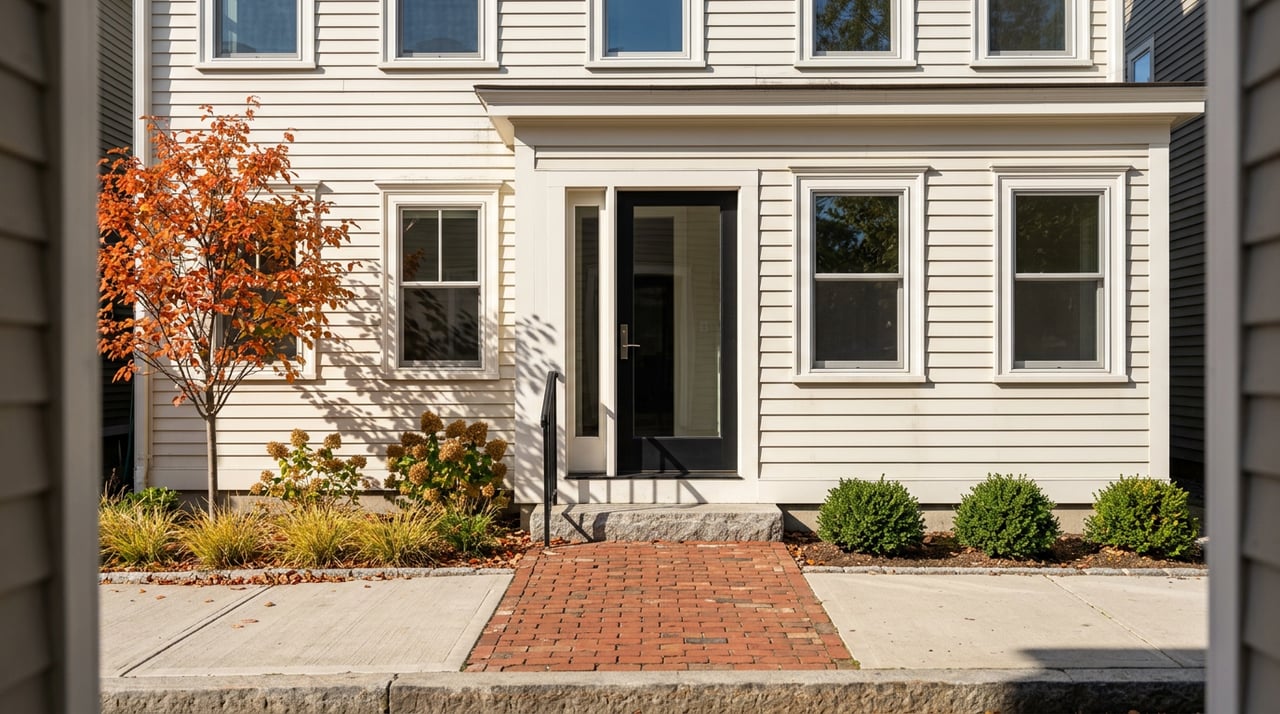
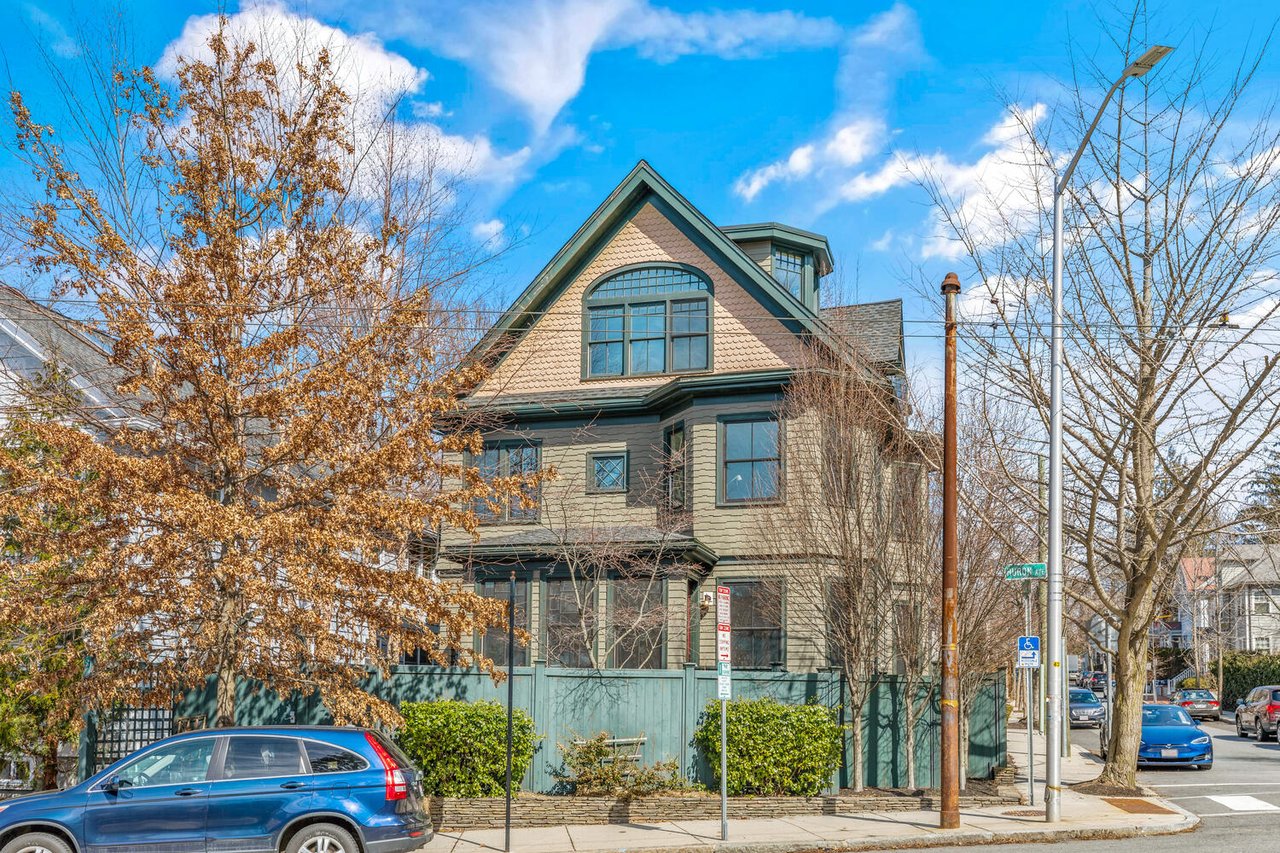
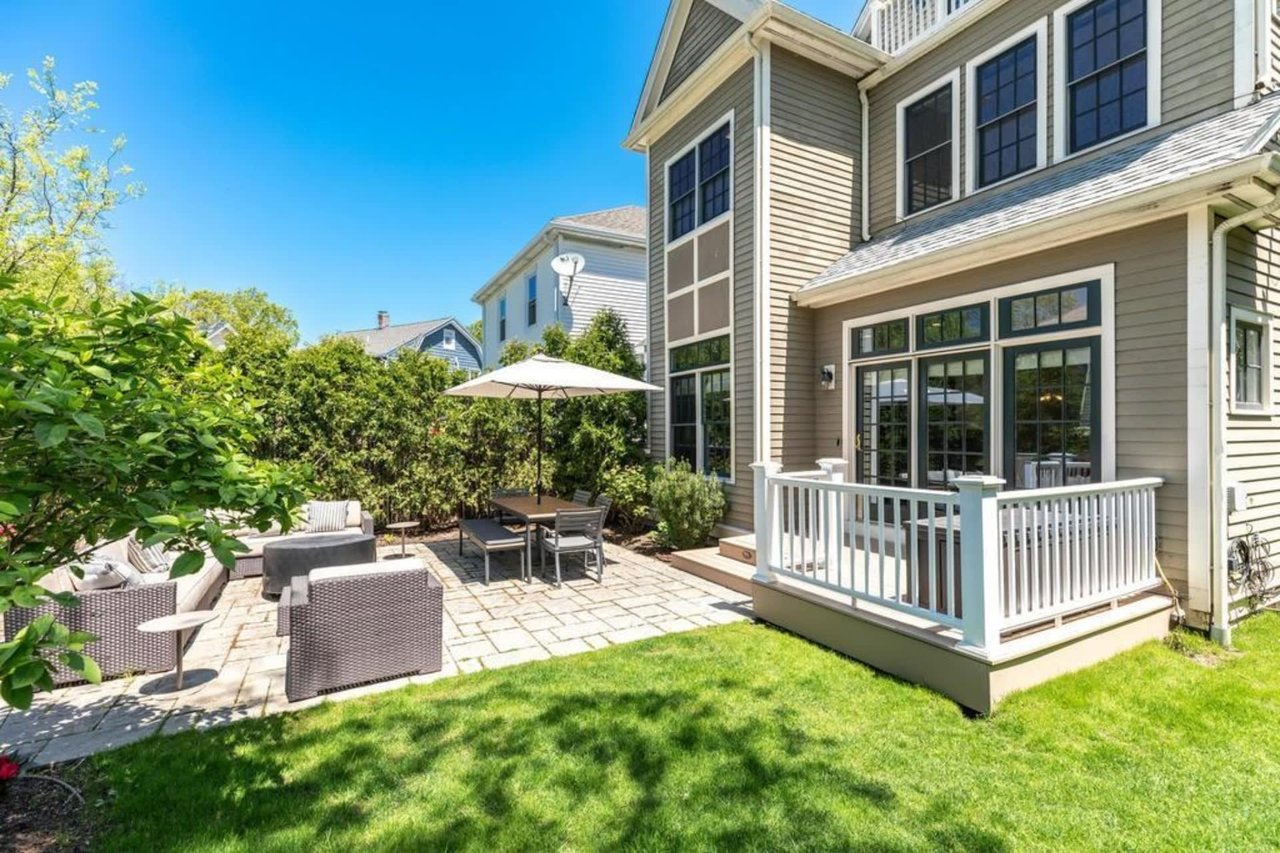
Buyers drawn to West Cambridge often respond to a more private residential feel, detached or semi-detached housing, and architectural character. Historic areas also shape perception and pricing, especially when a home has features that are difficult to replicate in denser parts of the city.
For sellers, that means your price should reflect the specific traits buyers are paying for, such as:
- Lot presence and street appeal
- Historic character
- Proximity to open space and river access
- A quieter streetscape relative to central Cambridge
If your home checks several of those boxes, your comp set should be tight and highly intentional.
Harvard Square Pricing Signals
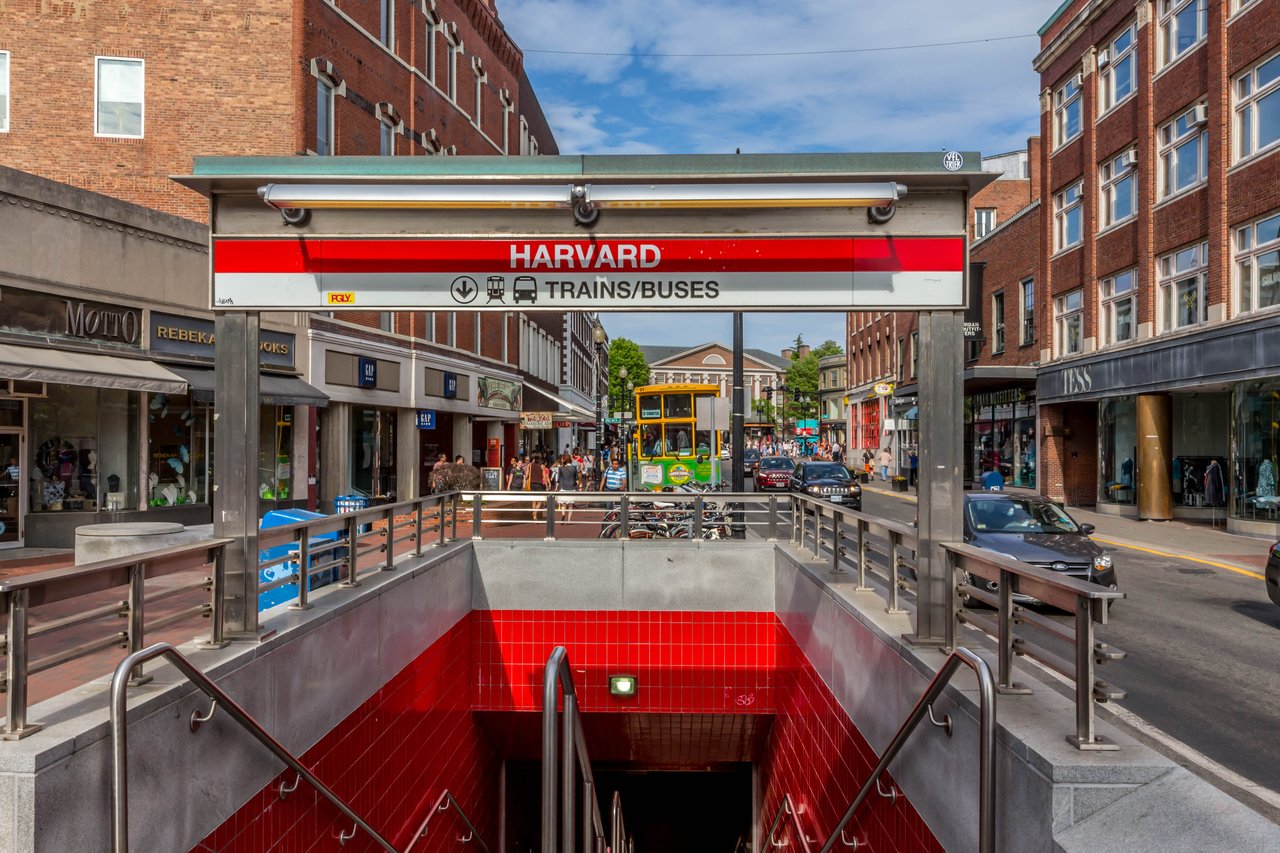
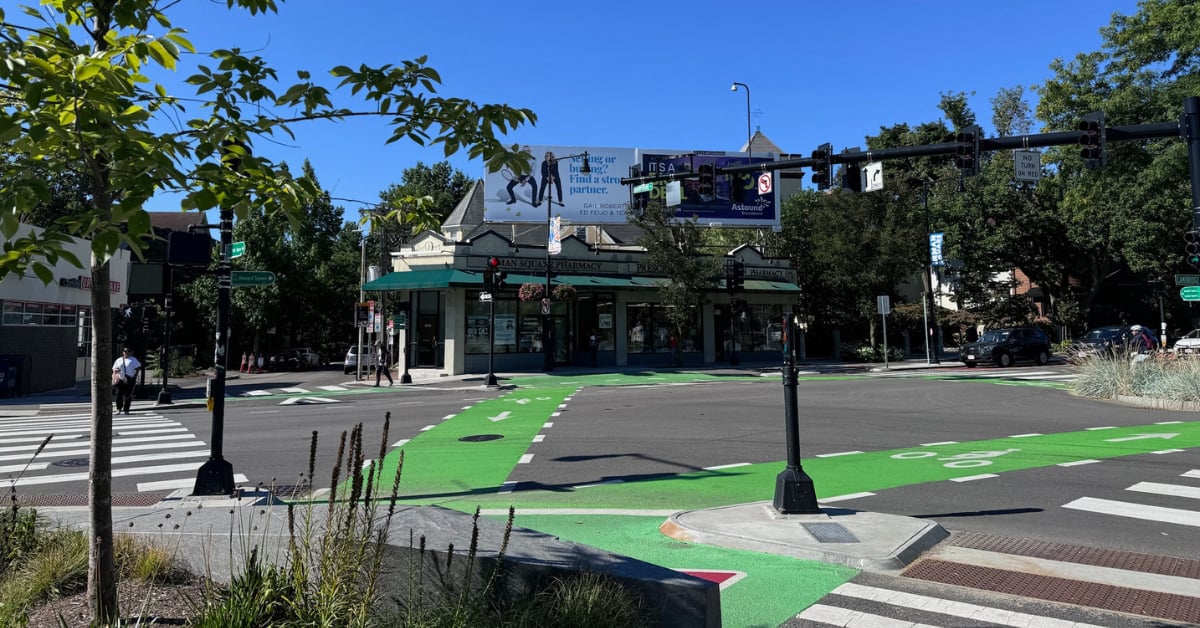
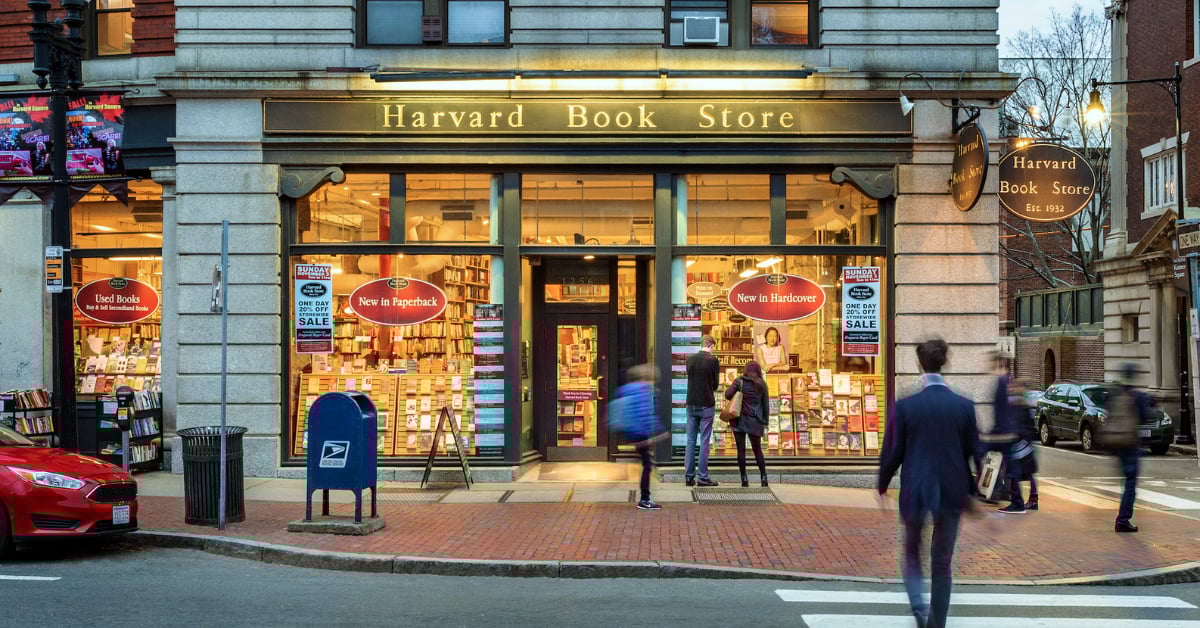
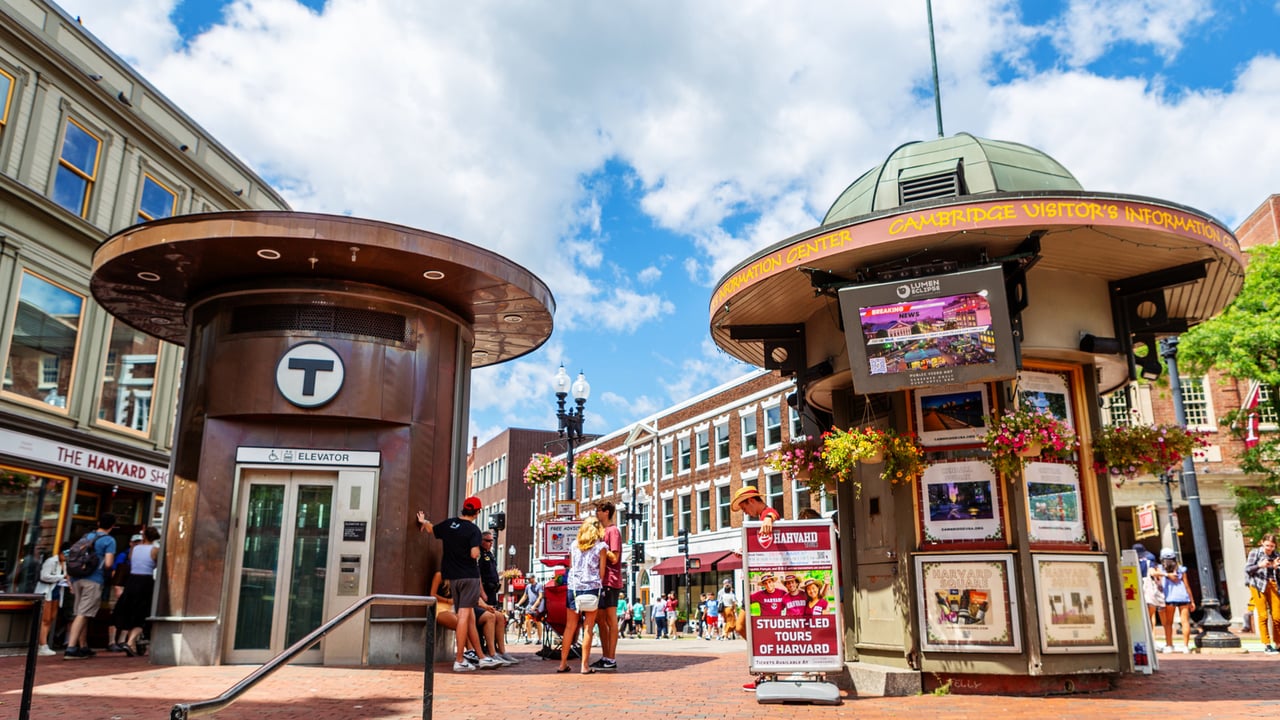
Harvard Square behaves like a special submarket because it is more than a residential area. It is an international destination with about 900,000 square feet of retail, a busy Red Line station, and a pedestrian-oriented mixed-use core, according to the City of Cambridge’s Harvard Square overview.
That setting creates pricing dynamics you do not always see elsewhere in Cambridge. Supply is constrained, location is highly recognizable, and buyers often place a premium on immediate access to daily amenities and transit.
How Preservation Affects Value
In and around Harvard Square, preservation rules are part of the pricing conversation. The Harvard Square Conservation District and the Harvard Square Overlay District can affect redevelopment and exterior changes.
That can support value by helping preserve the district’s historic center and visual character. At the same time, it can influence how buyers assess renovation potential, timeline, and flexibility. When pricing a luxury property here, those constraints and benefits should be part of the value story, not an afterthought.
Mid-Cambridge Pricing Signals
Mid-Cambridge offers a very different housing pattern. It is a high-density residential neighborhood with about 13,957 residents on 293 acres, and 41.9% of units are in buildings with 26 or more units, according to the City’s Mid-Cambridge profile. Owner occupancy is 32.7%, which is far lower than West Cambridge.
Zillow’s February 2026 ZHVI for Mid-Cambridge is about $881,000. Again, that is not a luxury price tag for every home, but it helps show how different this micro-market is from West Cambridge.
What Tends to Drive Pricing in Mid-Cambridge
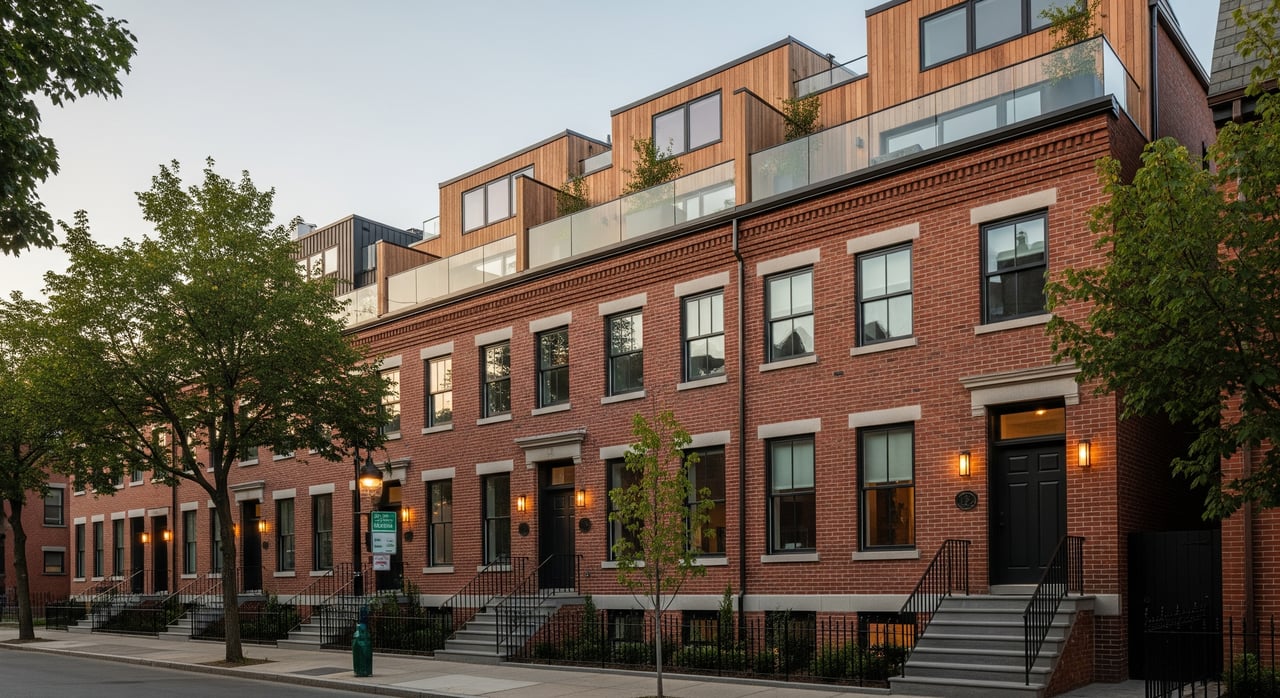
Mid-Cambridge sits between Harvard Square, Central Square, and Inman Square, which gives it strong central access. Buyers often value walkability, transit convenience, and proximity to multiple activity centers more than private lot size or a detached-home setting.
Pricing here tends to be especially sensitive to:
- Condo versus single-family positioning
- Building scale and condition
- Access to transit and daily amenities
- Historic district context, including the Mid-Cambridge Neighborhood Conservation District
If you own a large condominium or architecturally distinct home in Mid-Cambridge, the right comp set may be surprisingly narrow.
Cambridgeport Pricing Signals
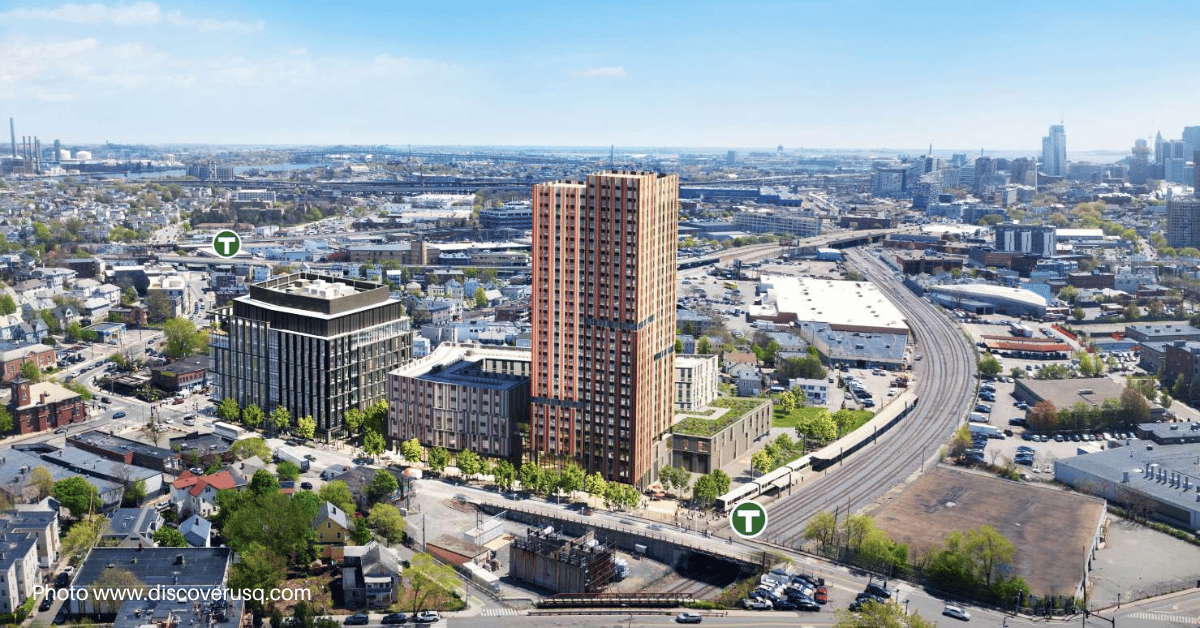
Cambridgeport combines dense housing, strong transit orientation, and continued development along its southeastern edge. The City reports that 50.6% of units are in buildings with 26 or more units, and 64.2% of housing is renter occupied in the neighborhood, as noted in the Cambridgeport neighborhood profile.
Zillow’s February 2026 ZHVI for Cambridgeport is about $1.04 million, placing it above Mid-Cambridge in the cited data but below West Cambridge. That reflects a distinct buyer mix and location appeal.
What Tends to Stand Out in Cambridgeport
Cambridgeport often appeals to buyers who want quick access to Central Square, MIT, the Charles River corridor, and strong walk, transit, and bike options. Newer product and flexibility can also matter more here than in more traditionally residential pockets.
For pricing, that means buyers may pay attention to:
- Transit access and commute ease
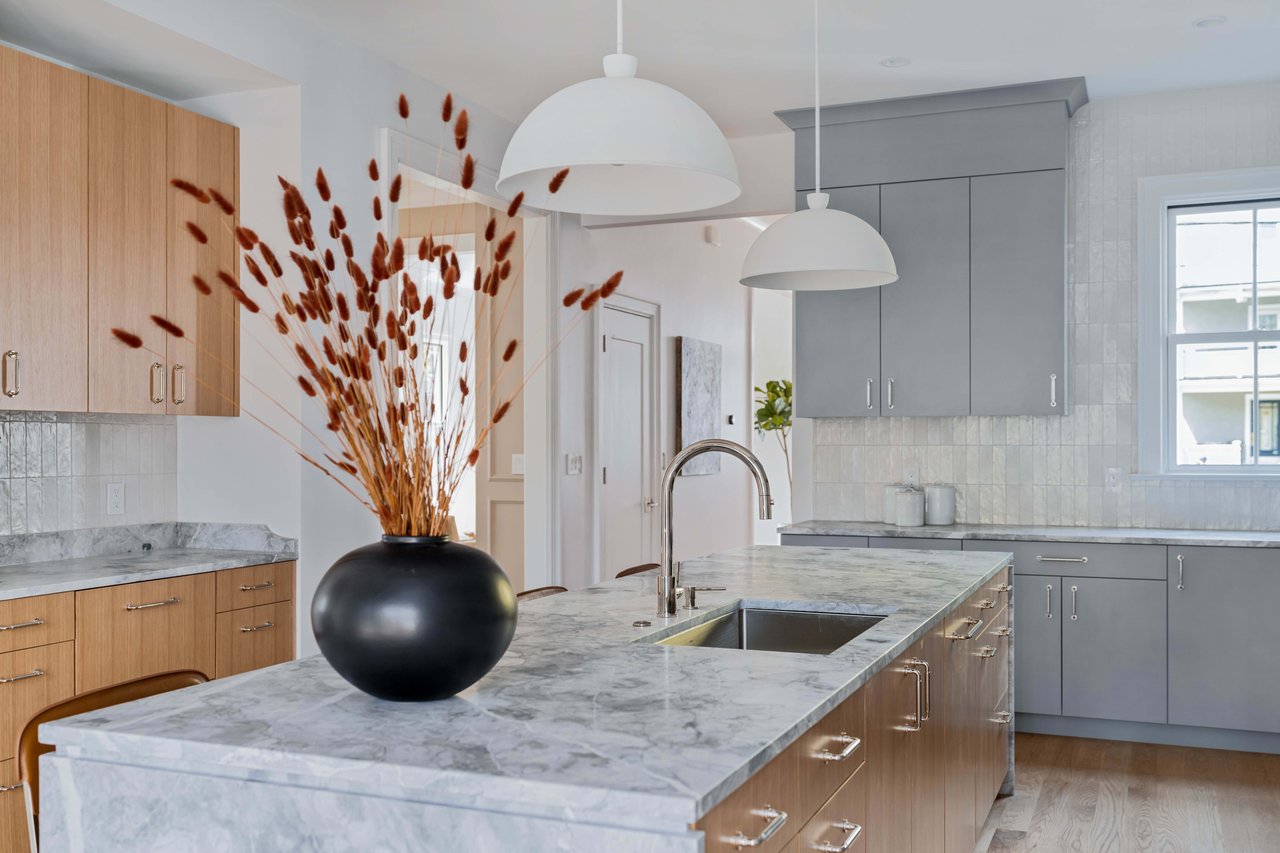
- Newer or updated finishes
- Connection to Central Square and nearby employment centers
- Urban convenience and multi-use surroundings
A luxury condo or renovated multi-unit property in Cambridgeport may attract a very different audience than a luxury home in West Cambridge, even at a similar price point.
School Access Is Different in Cambridge
School-related value should be handled carefully and factually in Cambridge because the city does not use fixed neighborhood attendance zones in the usual way. Cambridge Public Schools uses a Controlled Choice system. For kindergarten, the two closest schools are treated as proximity schools based on walking distance, and sibling or language-program priority can also affect placement, according to the district’s family guide.
For sellers, the practical takeaway is simple: it is more accurate to talk about proximity and access than a hard “school zone.” That can still matter to buyers, but it should be framed correctly.
Walkability and Transit Shape Buyer Demand
Across Cambridge, walkability and transit access are not just nice extras. They are core pricing variables. Harvard Square is a pedestrian-friendly regional center anchored by one of the busiest Red Line stations, while Mid-Cambridge and Cambridgeport also show stronger walk- and transit-oriented patterns than West Cambridge.
That helps explain why buyers do not all define value the same way. Some will pay more for doorstep access to shops, dining, and the T. Others will prioritize a quieter residential setting, a larger lot, or a more classic house form.
How to Build a Better Pricing Range
If you are preparing to sell a luxury home in Cambridge, a credible pricing range should come from a disciplined process, not a quick online estimate. In most cases, that means narrowing the field until you are comparing your home to the homes buyers would actually consider alongside it.
A practical pricing framework looks like this:
- Define the micro-market by street pattern, neighborhood pocket, and location context.
- Match the property type so a single-family home is compared to other relevant single-family homes, not broad city averages.
- Account for regulatory context such as conservation districts or historic review.
- Identify the value driver such as architecture, lot, transit access, or proximity to Harvard Square or Central Square.
- Set a price band that fits current competition and likely buyer behavior.
This is especially important in a market with limited active inventory. The research notes Zillow counts of 14 active listings in West Cambridge, 12 in Mid-Cambridge, and 8 in Cambridgeport at the time cited. With that kind of scarcity, the way a home enters the market can meaningfully influence the response it gets.
Why the Launch Plan Matters
In Cambridge’s luxury segment, pricing and presentation work together. A well-positioned launch helps buyers understand not just what the home is, but why it belongs in its price range.
That is where narrative and strategy matter. A West Cambridge listing may need to emphasize historic pedigree and residential privacy. A Harvard Square home may need to highlight pedestrian access and the rarity of its location. A Mid-Cambridge or Cambridgeport property may benefit from a story centered on transit convenience, flexibility, and urban lifestyle.
At Sandrine Deschaux, we believe luxury pricing in Cambridge starts with street-level knowledge, disciplined comparables, and a launch plan that speaks to the right buyer from the start. If you are thinking about selling and want a tailored pricing strategy for your home’s exact micro-market, we would love to help you plan the next step.
FAQs
How should you price a luxury home in West Cambridge?
- Start with nearby comparable sales of the same property type, then factor in West Cambridge’s lower-density setting, owner-oriented housing mix, historic character, and access to places like Fresh Pond and the Charles River.
Why is Harvard Square treated as its own Cambridge pricing area?
- Harvard Square functions as a mixed-use, pedestrian-oriented district with constrained supply, strong transit access, and preservation rules that can shape both value and renovation potential.
What affects luxury condo pricing in Mid-Cambridge?
- Mid-Cambridge pricing is often influenced by central location, building type, walkability, transit access, condition, and whether the property falls within a conservation district context.
How does Cambridgeport differ from West Cambridge for pricing?
- Cambridgeport tends to attract buyers focused on transit, newer product, and access to Central Square, MIT, and the Charles River corridor, while West Cambridge often appeals more to buyers seeking privacy, traditional housing forms, and a quieter residential feel.
Do school zones affect home values in Cambridge?
- Cambridge uses a Controlled Choice system rather than fixed neighborhood attendance zones, so it is more accurate to discuss school proximity and access than a guaranteed school-zone boundary.
Why does launch pricing matter in the Cambridge luxury market?
- With a citywide median sale-to-list ratio of 0.988 and homes going pending in about 39 days, the first pricing decision and early market exposure can play an important role in how buyers respond.