Wondering whether Cambridge’s life-science boom should change where you buy? It probably should, but not in the simple “closest to Kendall Square wins” way many people assume. If you are trying to balance commute, lifestyle, property type, and long-term value, understanding how the biotech cluster shapes different Cambridge neighborhoods can help you buy with more confidence. Let’s dive in.
Why the life-science boom matters
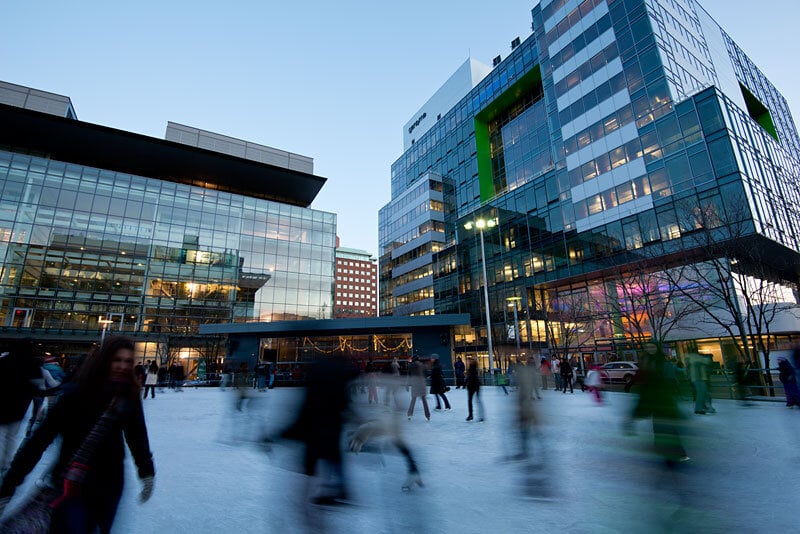
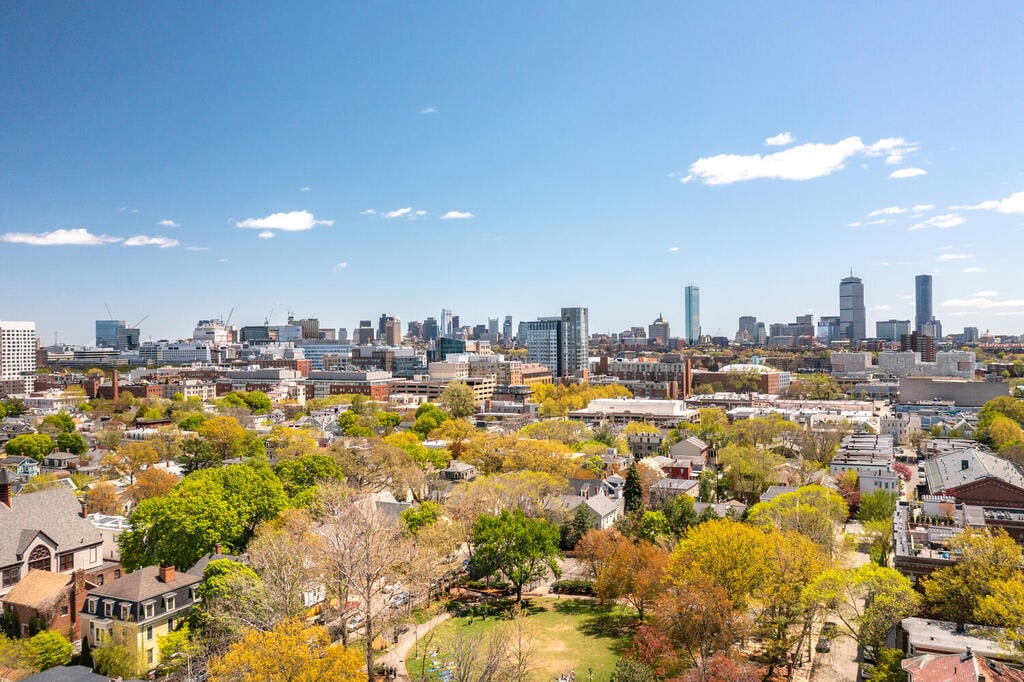
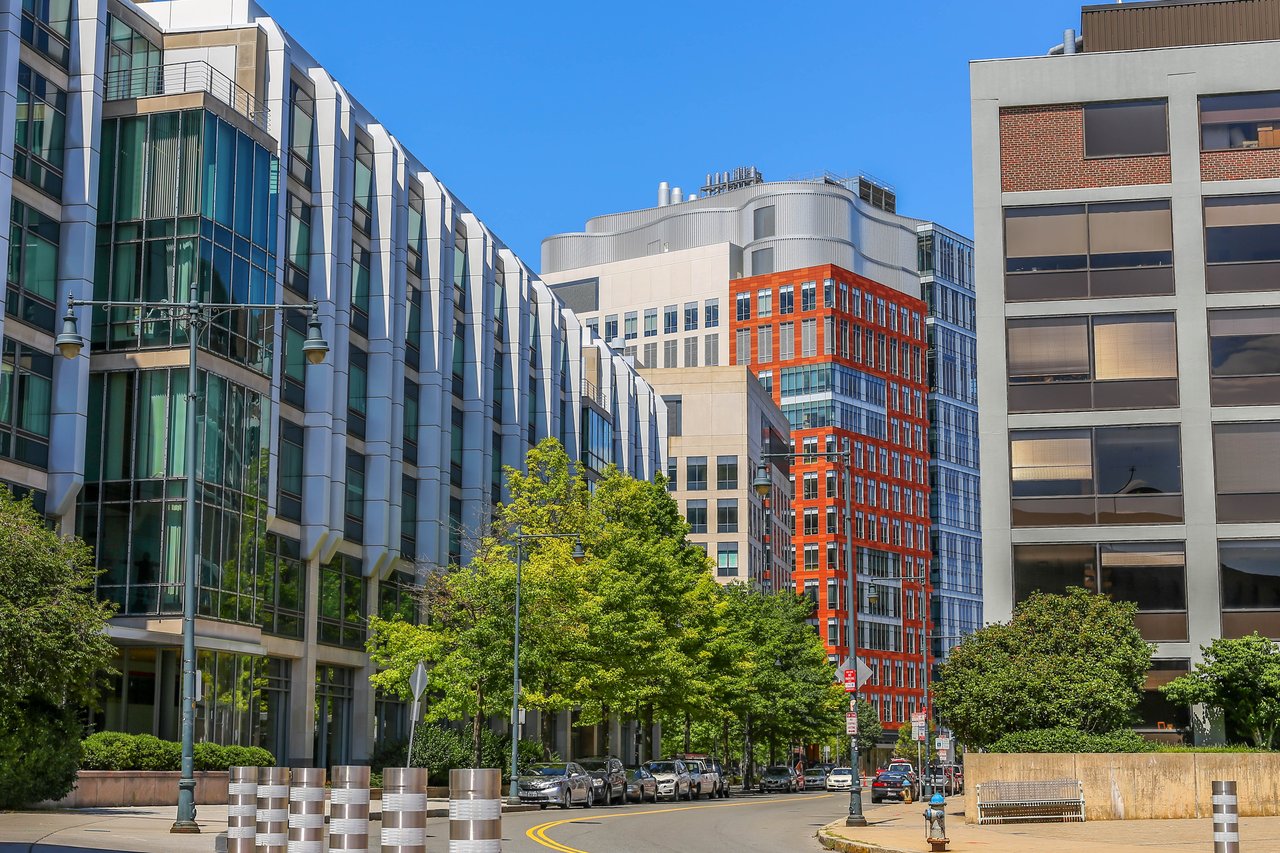
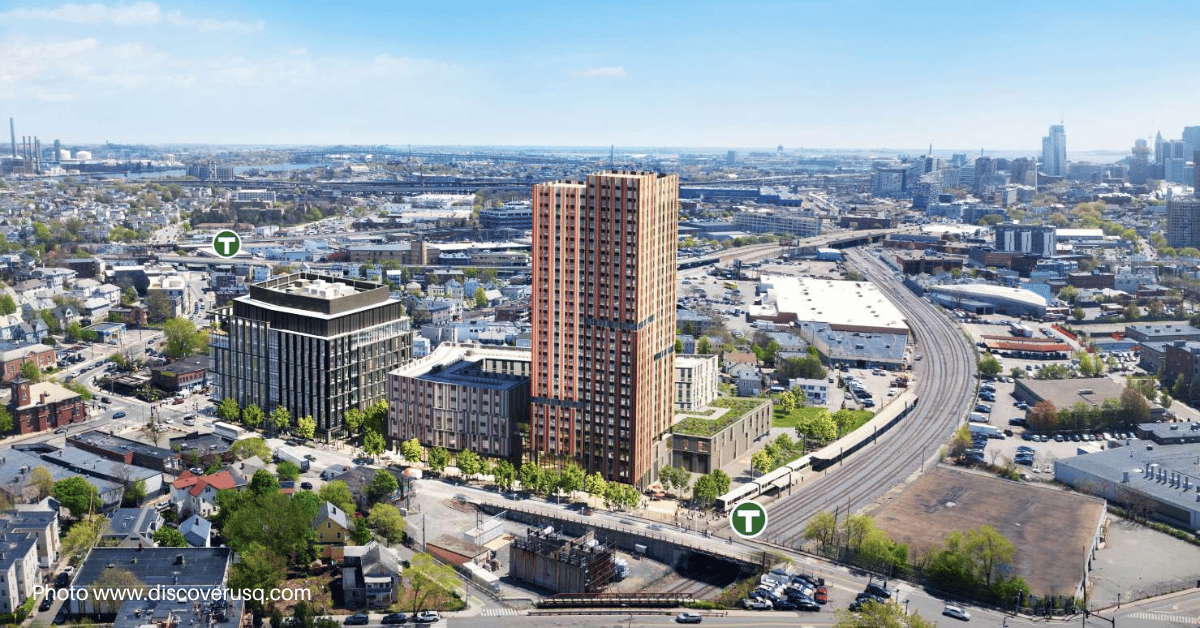
Cambridge’s housing market is closely tied to a small group of districts, especially Kendall Square, East Cambridge, and Central Square. The City of Cambridge describes Kendall Square as a former industrial area that has grown into one of the world’s leading biotech research and innovation centers, with housing, restaurants, shops, and hotels expanding around MIT and the broader life-science cluster.
That matters because job concentration tends to shape housing demand. The city says Kendall has the largest worker presence of any Cambridge district, with 395 businesses employing 9,300 people, led by knowledge-intensive business services. When a district draws that much daily activity, nearby housing choices start to carry extra weight for buyers who want easier routines and shorter commutes.
Where the cluster shows up most
Kendall Square
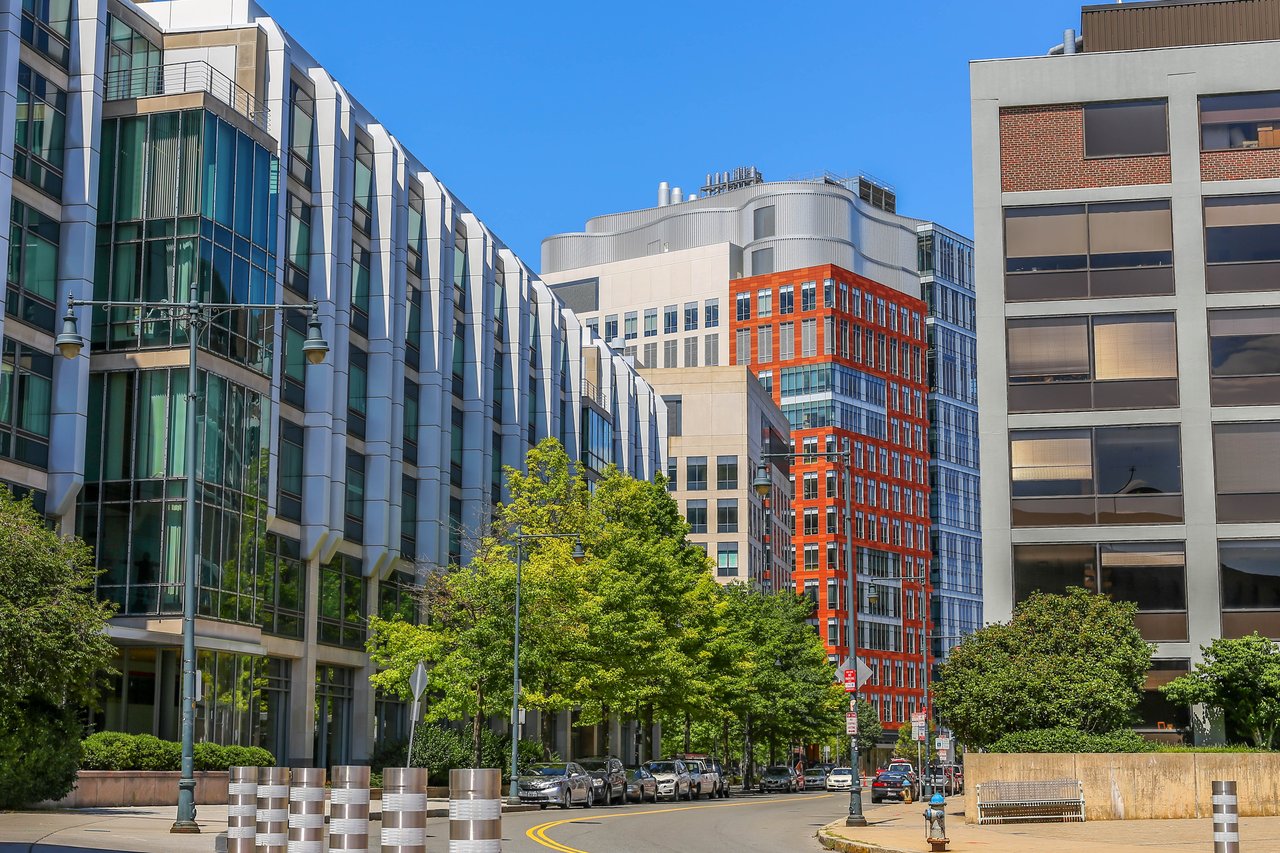
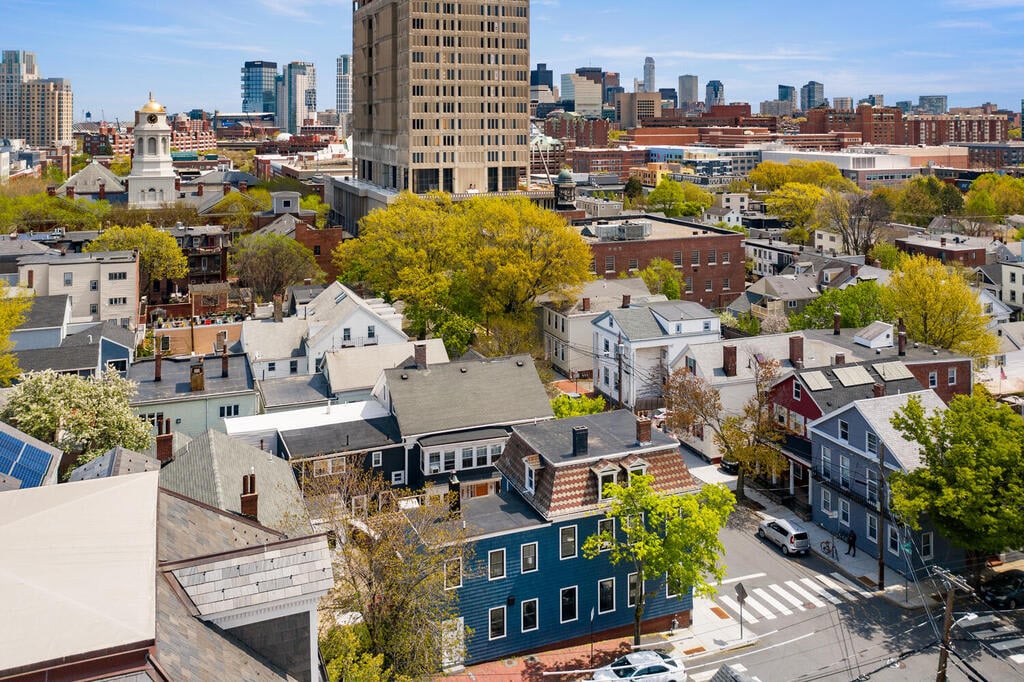
Kendall Square is the clearest expression of the innovation economy in Cambridge. Over the last three decades, it has shifted from an industrial district into a major biotech and innovation hub, while also adding more housing, retail, restaurants, and hotels.
For buyers, Kendall is not just about office and lab growth. It is also about access, energy, and convenience. The district’s strong transit connection and heavy foot traffic help explain why homes nearby often attract buyers who value walkability and daily efficiency as much as square footage.
East Cambridge
East Cambridge sits closest to the lab core from a residential standpoint. The city describes it as one of Cambridge’s oldest residential neighborhoods, with about 7,000 residents, and notes that since the early 1980s, large industrial parcels have been converted into commercial, retail, office, research-lab, and apartment development.
That mix gives East Cambridge a distinct role in today’s market. It offers direct access to Kendall Square while still functioning as a true residential neighborhood. If you want to live near the center of life-science employment without being in the middle of Kendall itself, East Cambridge is often part of the conversation.
Central Square
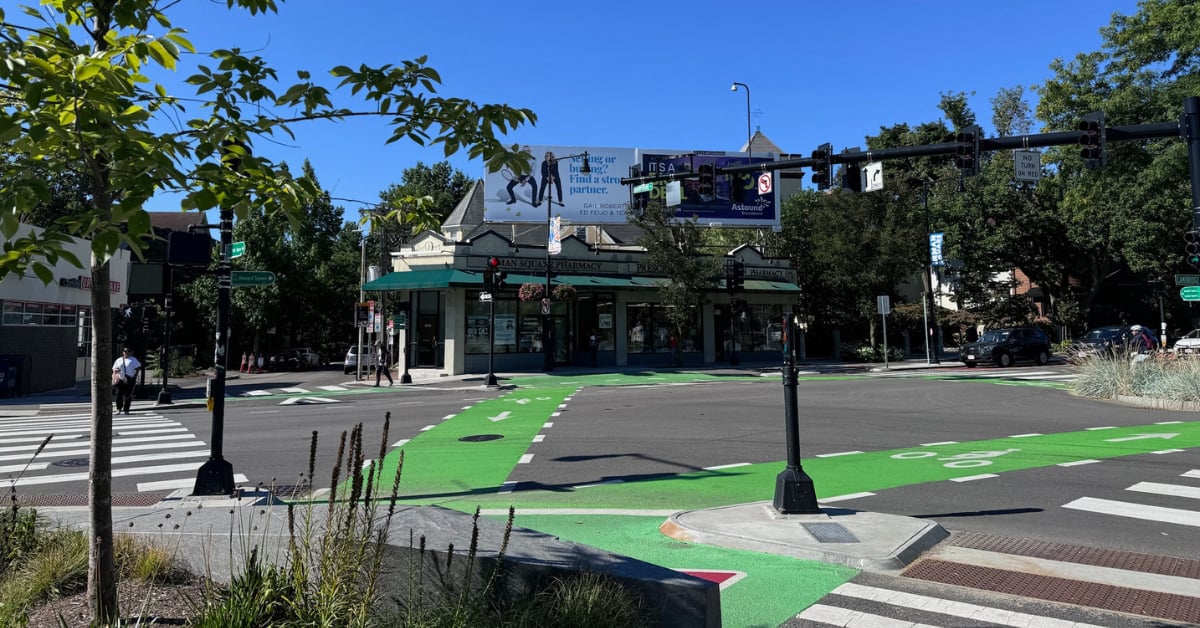
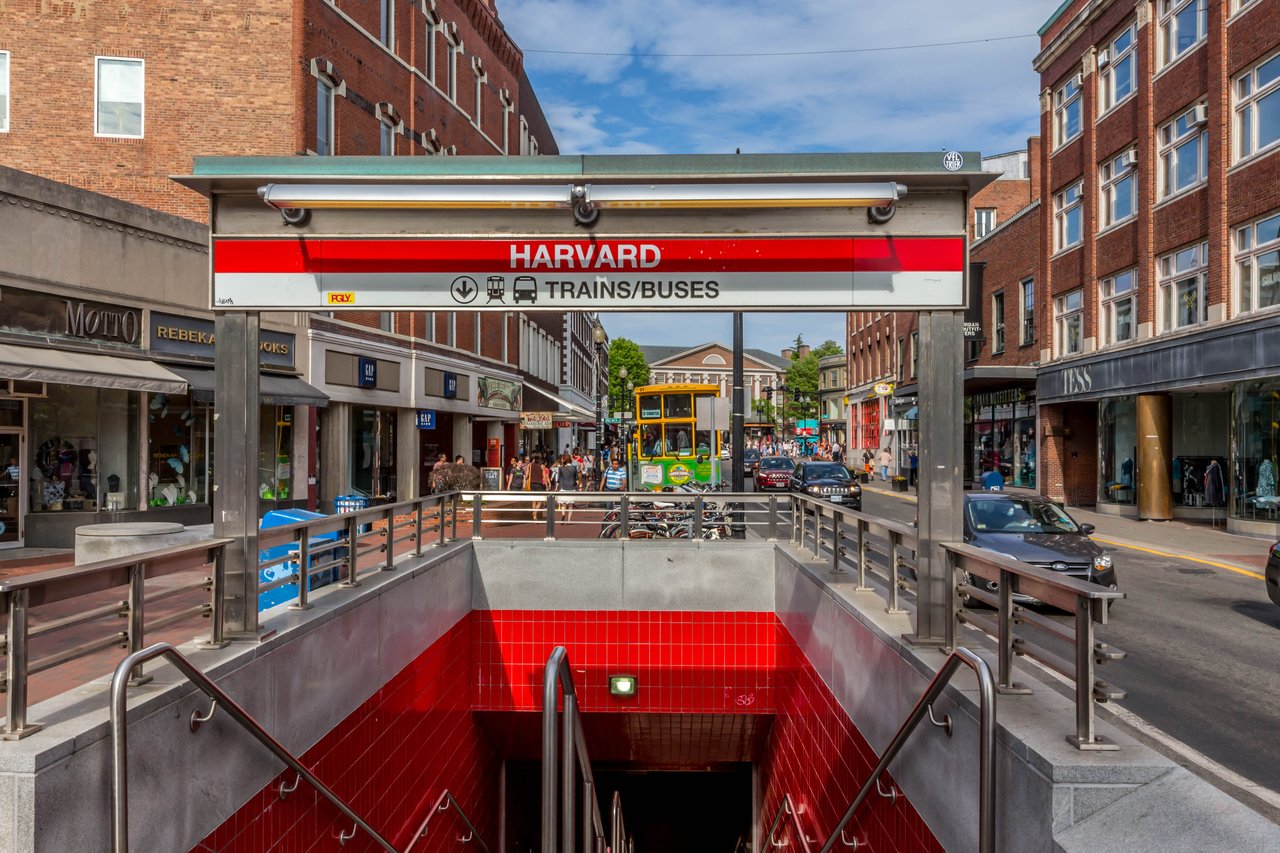
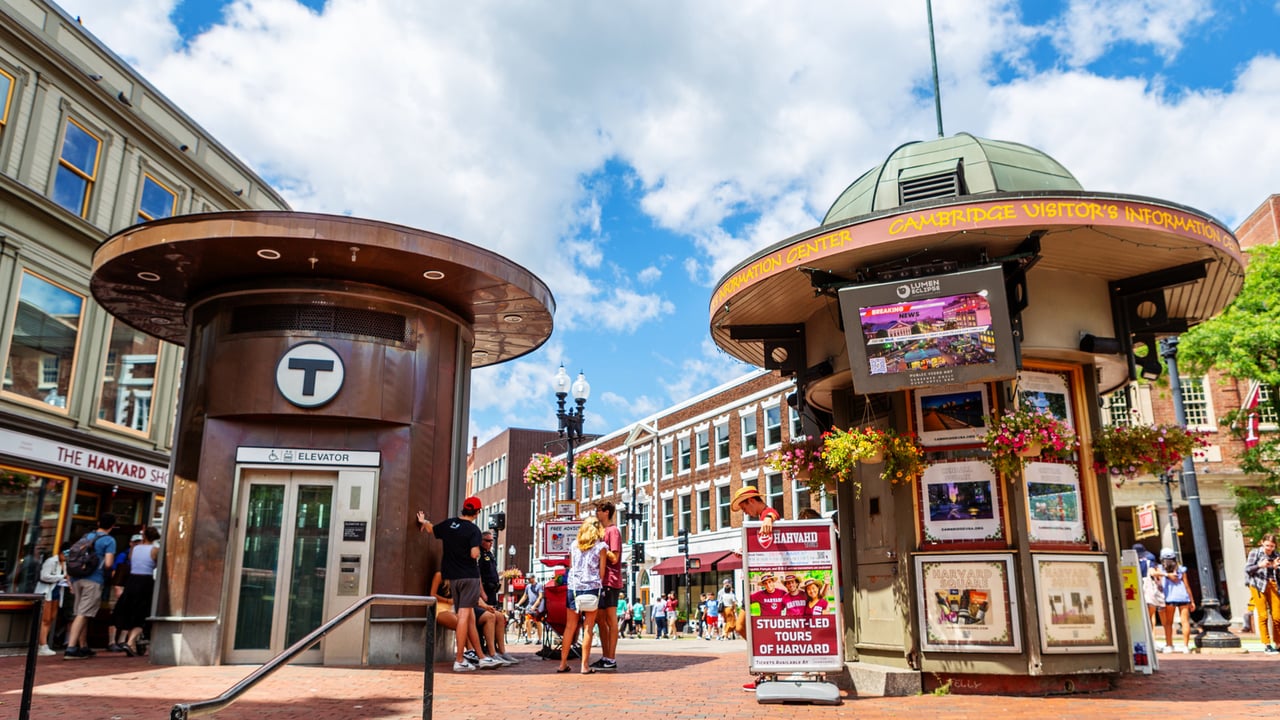
Central Square helps explain spillover demand. The city calls it Cambridge’s traditional downtown, centered on one of the busiest Red Line stations in the region, with restaurants, shops, nightlife, and professional offices that include life science and technology firms.
Central does not read like a lab district in the same way Kendall does. Still, it plays an important role because it offers strong transit access and an active mixed-use environment. For many buyers, that makes it a practical alternative to the neighborhoods closest to the lab cluster.
How buyer demand is changing
One of the clearest effects of the life-science boom is a proximity premium. Buyers connected to labs, research, and related industries often place a high value on shorter commutes, transit access, and the ability to move through daily life on foot.
In Cambridge, that does not always mean the highest price goes to the address nearest Kendall Square. The market is more layered than that. Jobs matter, but so do neighborhood character, building type, available inventory, and how a home works for everyday living.
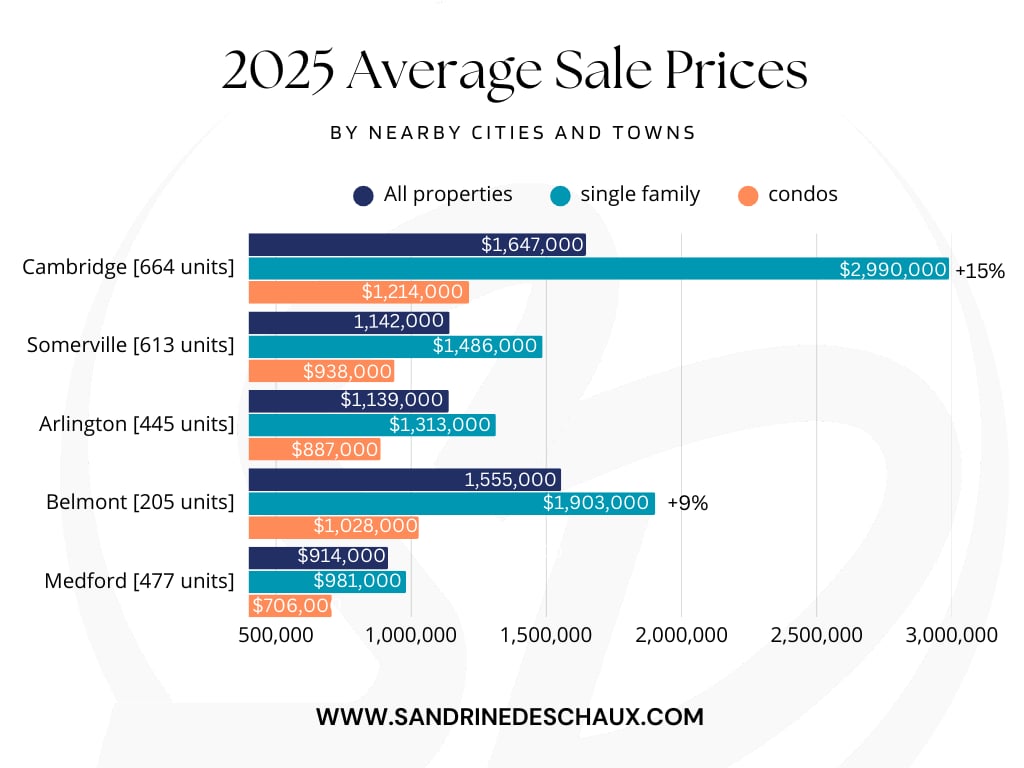
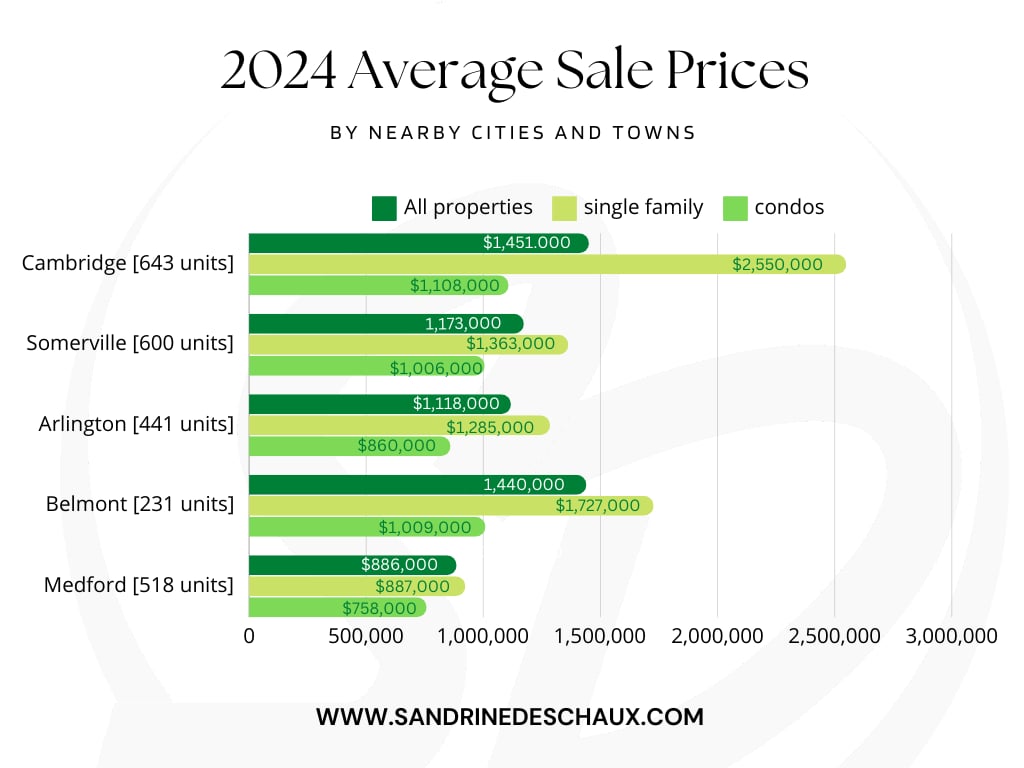
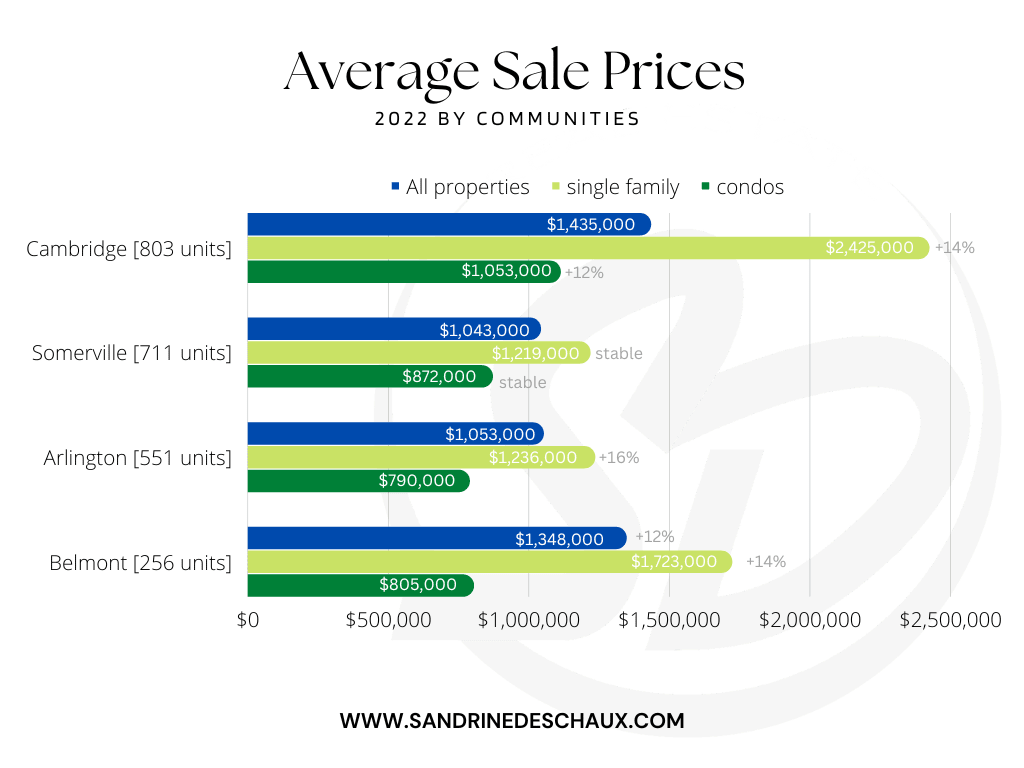
As of March and April 2026, Cambridge’s median listing price is about $1.03 million, median rent is $3,500, and median days on market are 25. Realtor.com classifies the city as a buyer’s market, which suggests today’s buyers may have more room to compare options than they did during the most intense phase of the boom.
Neighborhood character shapes value too
The life-science economy raises demand, but it does not flatten Cambridge into one story. Different neighborhoods absorb that demand in very different ways.
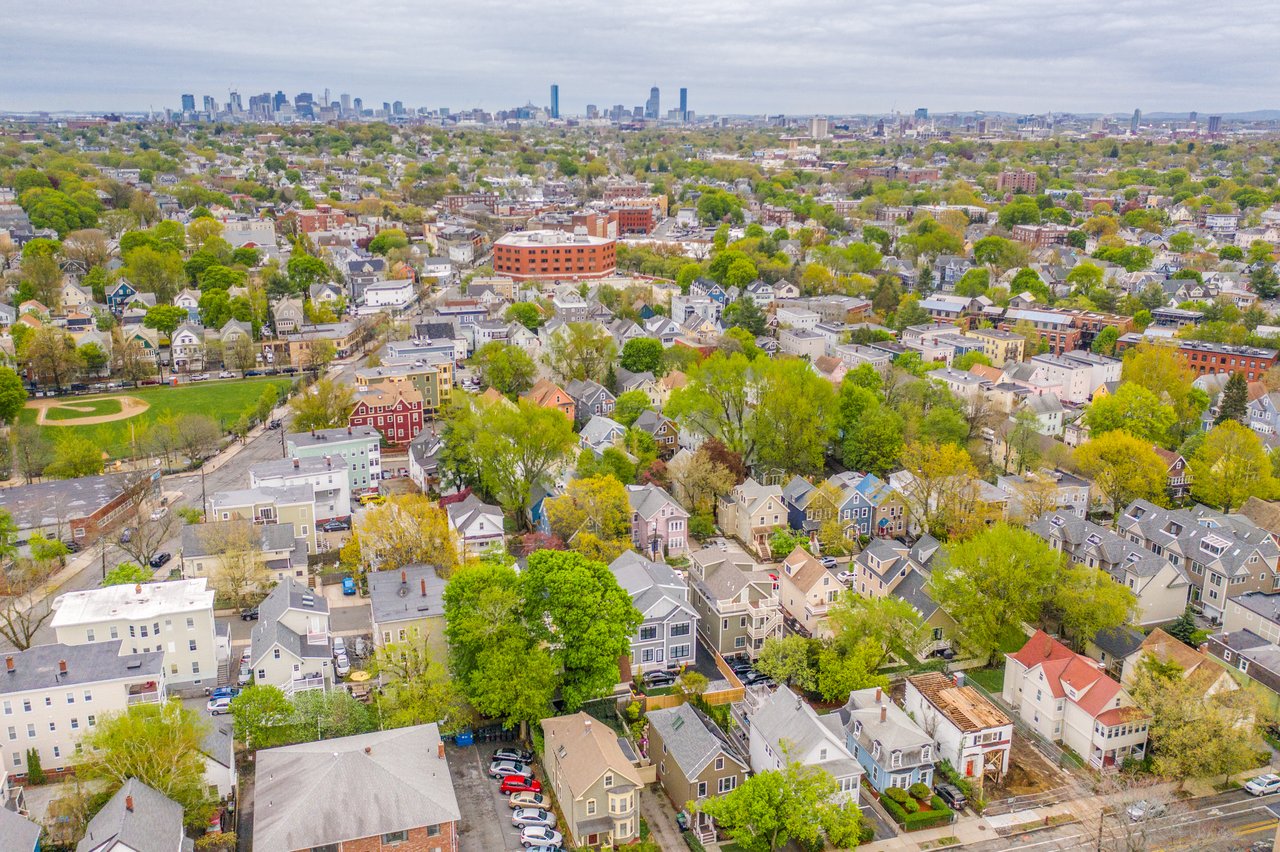
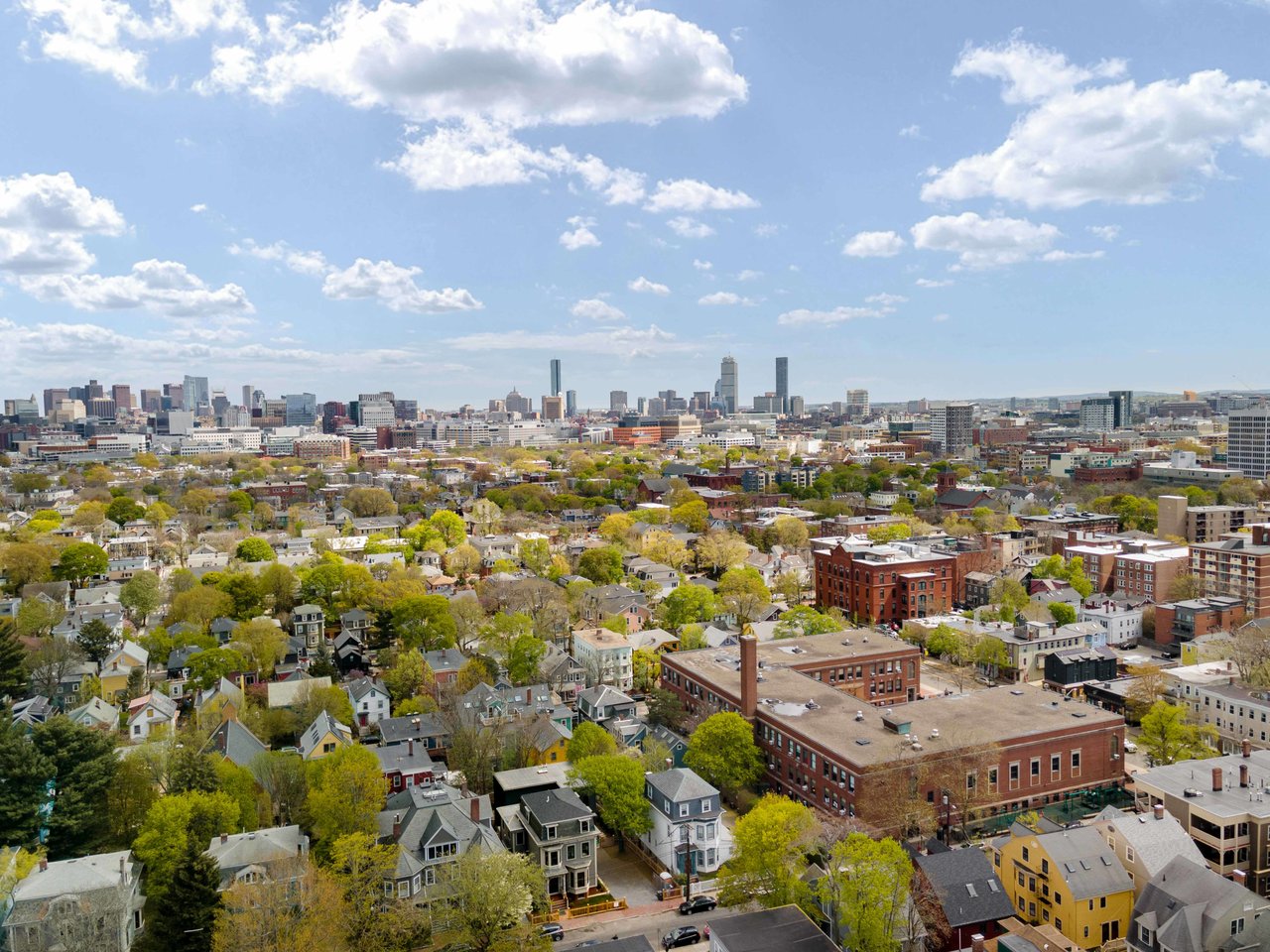
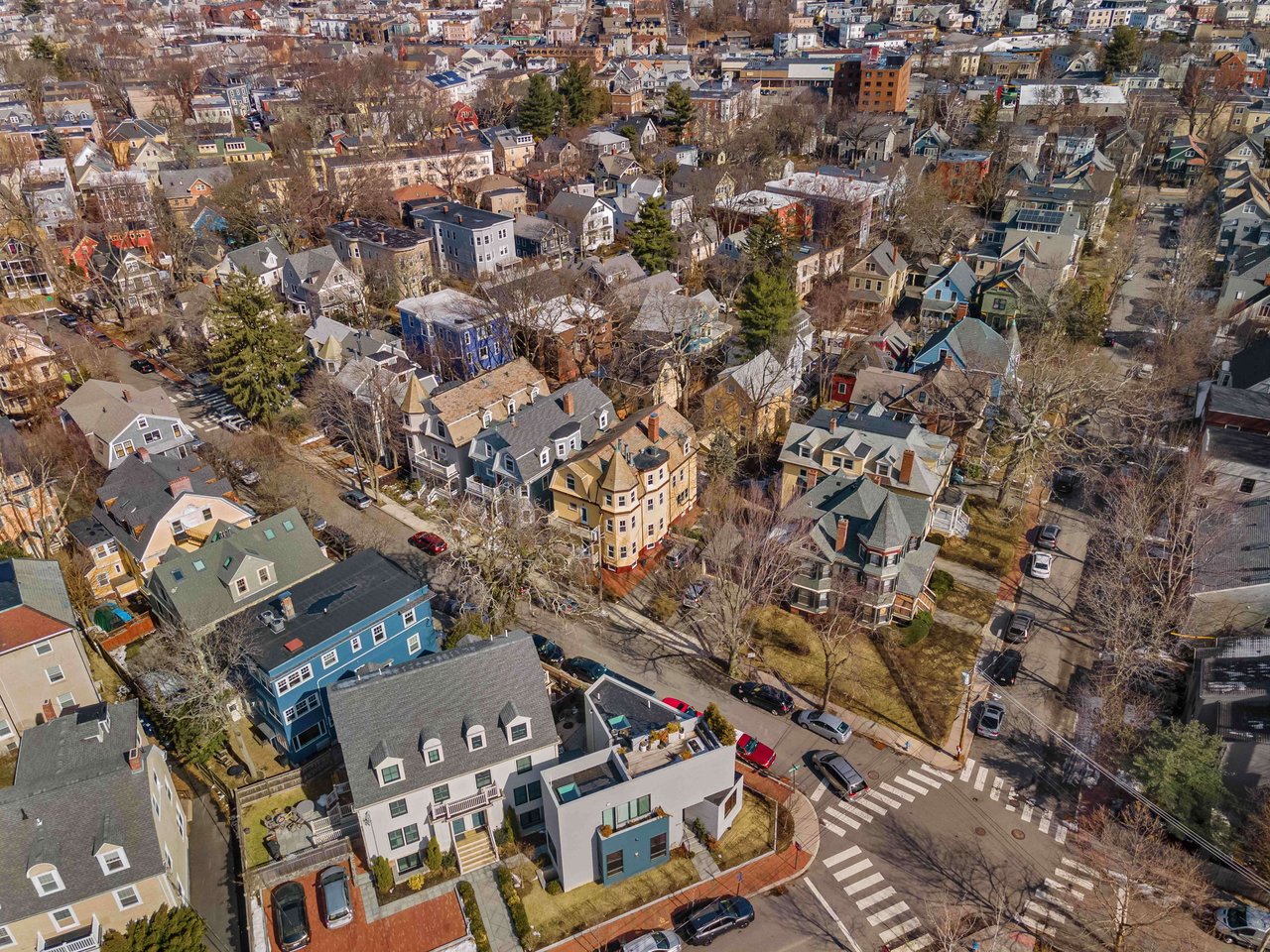
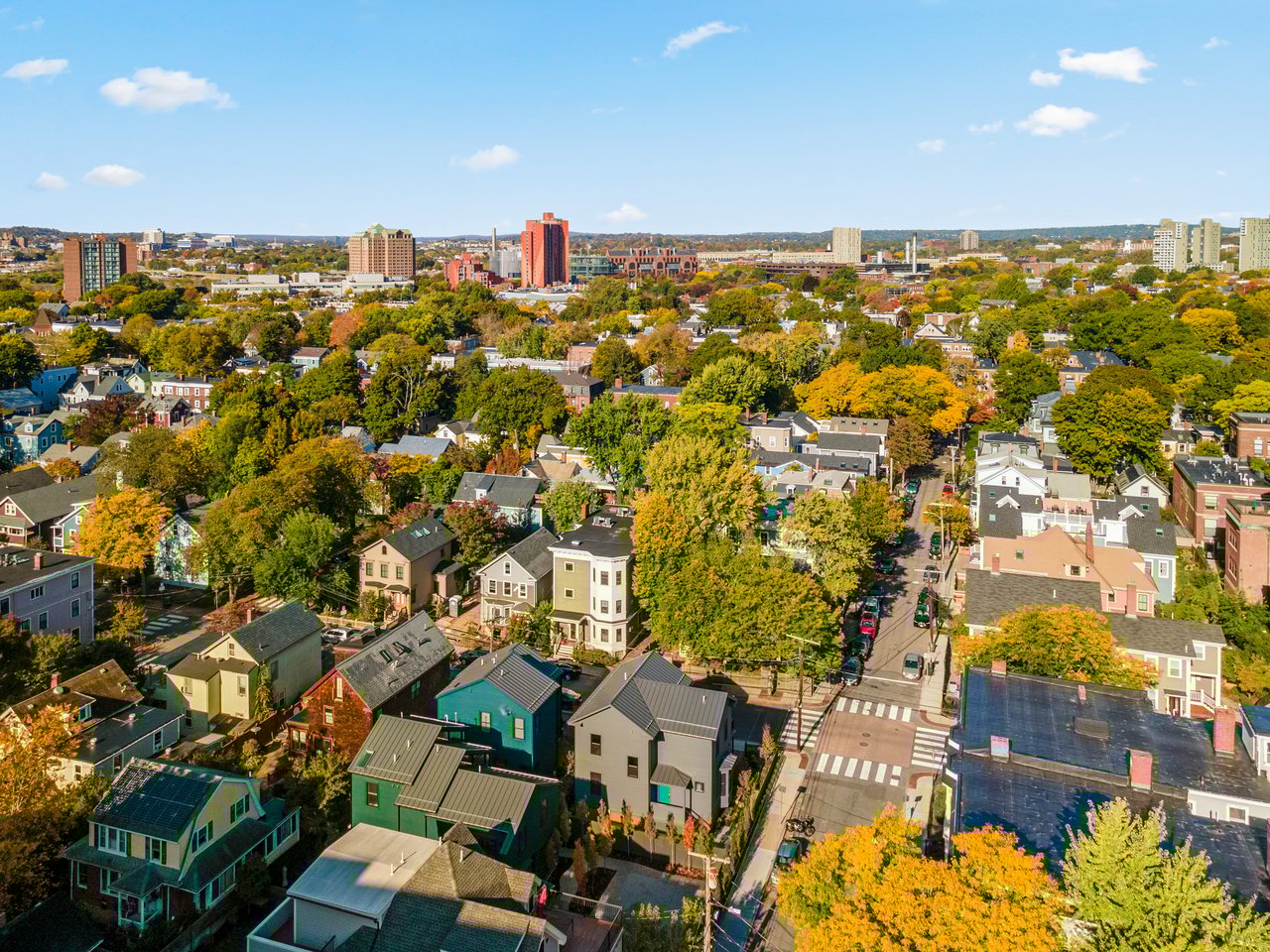
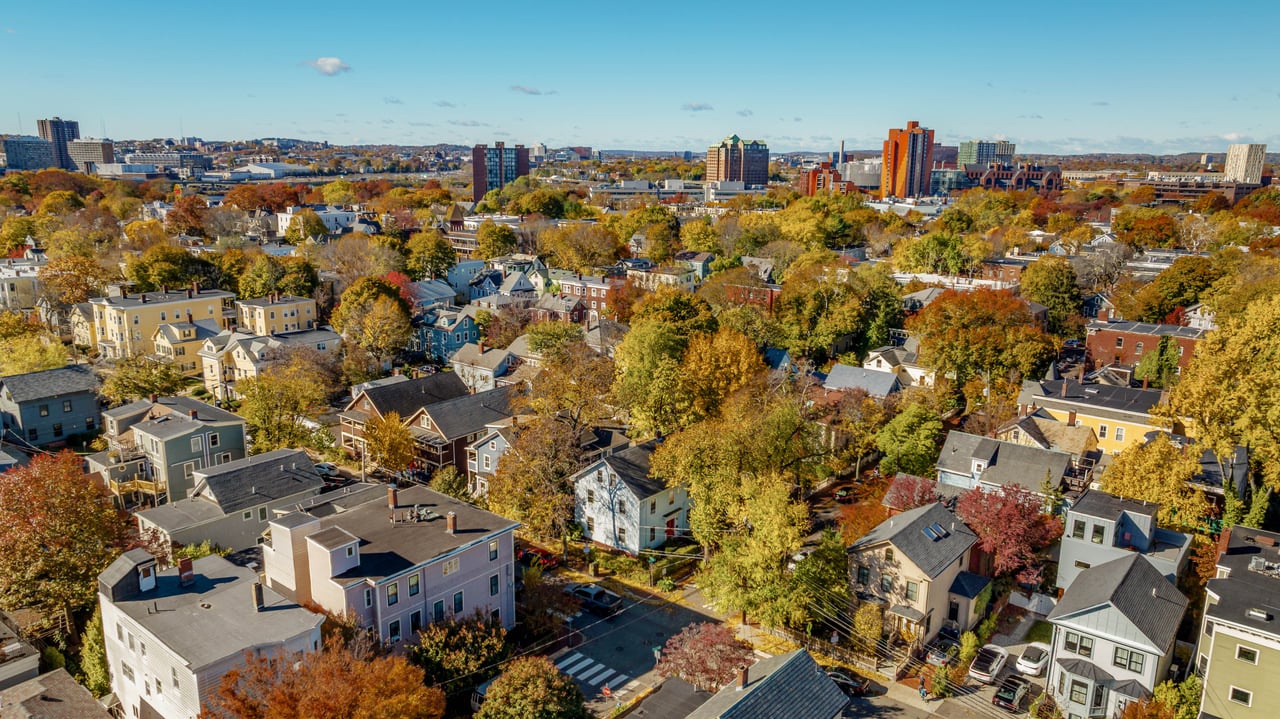
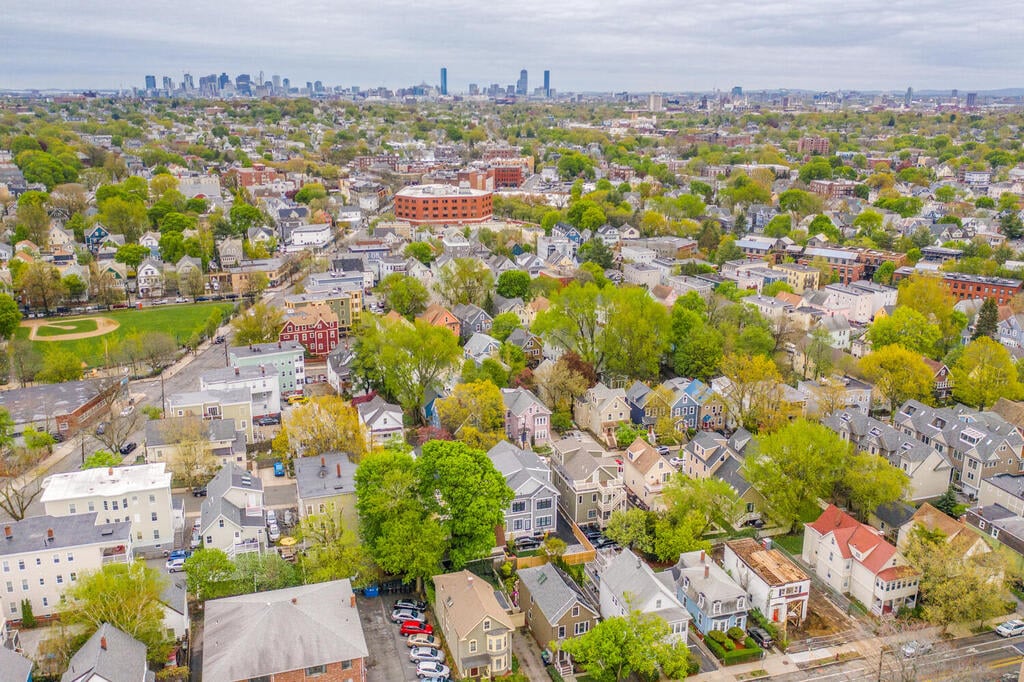
East Cambridge has seen industrial land transition into apartments, offices, and research labs. Central Square brings together transit, culture, dining, and office activity. Cambridgeport is a river-adjacent residential neighborhood, while Riverside is mostly residential along the Charles River with Harvard Square and Central Square at either end. Mid-Cambridge is also largely residential, with Central, Harvard, and Inman Square at its corners.
For buyers, this means the right neighborhood is often less about chasing the headline district and more about matching your day-to-day priorities. Some people want the shortest possible trip to Kendall. Others would rather have a quieter residential setting with good access to multiple commercial centers.
Where buyers may find relative value
A useful way to think about Cambridge right now is that value is product-specific, not purely distance-based. In other words, the type of home you buy may matter as much as how close it is to the life-science core.
East Cambridge currently has a median listing price of $879,000, with a median price per square foot of $971 and median days on market of 42. That puts it below several nearby Cambridge neighborhoods on listing price, even though it is the most directly tied to Kendall Square. It can be a logical choice if you want lab proximity and transit convenience, especially if you are open to the condo and apartment stock that shapes supply there.
Mid-Cambridge has a median listing price of $980,000 and median days on market of 13. Riverside comes in at $1,000,000 with 60 median days on market. North Cambridge is at $1,098,000, while Cambridgeport is higher at $1,170,000. West Cambridge stands out at $1,649,950.
Neighborhood Nine is also worth noting, with a median listing price of $848,950 and a median rent of $3,200. Based on the current listing-price range, East Cambridge and Neighborhood Nine sit on the lower end of the neighborhoods covered here, while Cambridgeport and West Cambridge sit on the higher end.
That spread tells you something important. The market is not simply rewarding closeness to Kendall Square. It is also pricing in lot size, housing stock, residential setting, and the feel of the neighborhood itself.
What this means for your home search
If you want lab proximity
East Cambridge is the most direct fit if your priority is living near Kendall Square. It combines residential blocks with easy access to a district defined by research, office, retail, and transit activity.
Kendall-adjacent living may appeal to you if your schedule is demanding and convenience matters more than maximum space. In that case, paying attention to building type, monthly costs, and exact location within the neighborhood becomes especially important.
If you want a broader Cambridge lifestyle
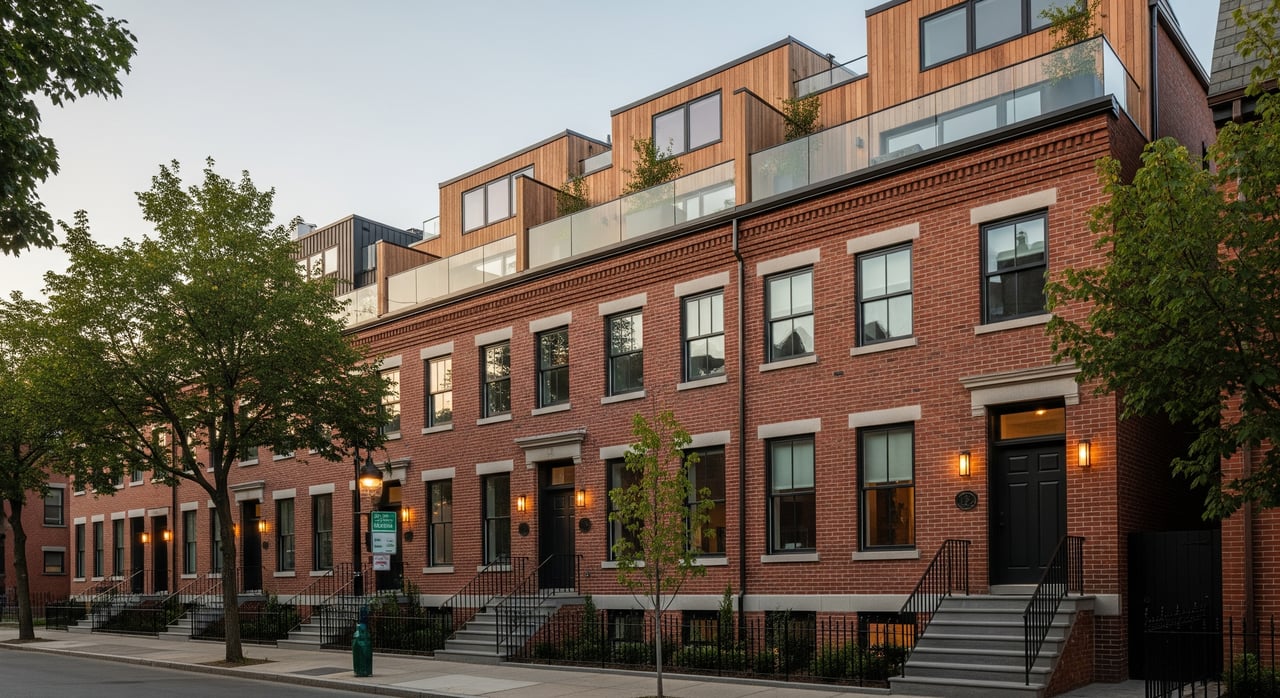
Mid-Cambridge, Riverside, and Cambridgeport may offer a different balance. These neighborhoods are more residential in character while still benefiting from access to Central Square, Harvard Square, or other active parts of the city.
If your goals include walkability, neighborhood feel, and flexibility beyond one work node, these areas may deserve a closer look. They show how spillover demand from the life-science economy can support pricing without making every neighborhood feel like an extension of Kendall.
If you are focused on long-term resilience
Long-term resilience in Cambridge appears to come from more than one employer or leasing cycle. CBRE reports that Boston-Cambridge has remained one of the top U.S. life-sciences talent clusters for four consecutive years, ranks first in R&D talent, and accounts for nearly 13% of the nation’s core life-sciences R&D roles.
At the same time, the commercial market is more selective than it was during the fastest growth period. Cushman & Wakefield reported overall Boston life-science vacancy at 33.9% in mid-2025, while East Cambridge remained tighter at 19.9%. That points to a market that is still important and still active, but no longer moving in only one direction.
Look beyond the boom headlines
The strongest buying decisions usually come from looking past the trend story and into the neighborhood details. City planning in Kendall Square points to long-term investment in mobility and open space, including work by the Kendall Square Mobility Task Force and the Eastern Cambridge Kendall Square open-space study.
For you as a buyer, that matters because walkability, transit quality, and public space often shape how a neighborhood feels over time. A home that works well during a growth cycle and still works well when the market cools is usually the smarter long-range choice.
In Cambridge, the life-science boom has clearly raised the floor for demand in and around Kendall, East Cambridge, and Central Square. But the best place to buy still depends on how you want to live, what kind of home you want, and which neighborhood gives you the best mix of convenience, character, and staying power.
If you want help comparing Cambridge micro-markets with a local perspective, Sandrine Deschaux can help you identify the right neighborhood fit and property strategy for your goals.
FAQs
How does Cambridge’s life-science boom affect home prices?
- The boom helps support demand, especially near Kendall Square, East Cambridge, and Central Square, but pricing also depends heavily on property type, neighborhood setting, and available inventory.
Which Cambridge neighborhood is closest to the life-science cluster?
- East Cambridge is the most directly lab-adjacent residential neighborhood in this group, with strong proximity to Kendall Square and a mix of apartments, offices, research labs, and residential areas.
Is Kendall Square the best place to buy in Cambridge?
- Not necessarily. Kendall Square offers strong convenience and access, but the best place to buy depends on whether you prioritize commute, walkability, residential feel, home type, or long-term value.
Where can buyers find relative value in Cambridge right now?
- Based on current listing-price data in the research, East Cambridge and Neighborhood Nine are on the lower end of the range discussed here, while Cambridgeport and West Cambridge are on the higher end.
Is Cambridge still competitive for buyers in 2026?
- Demand remains high, but current data show more breathing room than during the hottest part of the cycle, with a citywide median of 25 days on market and Cambridge classified as a buyer’s market.
Why does neighborhood character matter in Cambridge home searches?
- Neighborhood character matters because Cambridge demand is shaped by more than jobs alone. Residential setting, transit access, open space, and the overall day-to-day feel of an area all influence value and fit.