You love the Cambridge lifestyle, but recent searches may have you wondering if there is a smarter way to get the space and finishes you want without stretching your budget. If that sounds familiar, you are not alone. Many buyers compare Cambridge and Somerville side by side to maximize value, commute, and long-term potential. In this guide, you will see how price, product type, transit, and FY2026 taxes stack up so you can decide with confidence. Let’s dive in.
Market snapshot: price and space
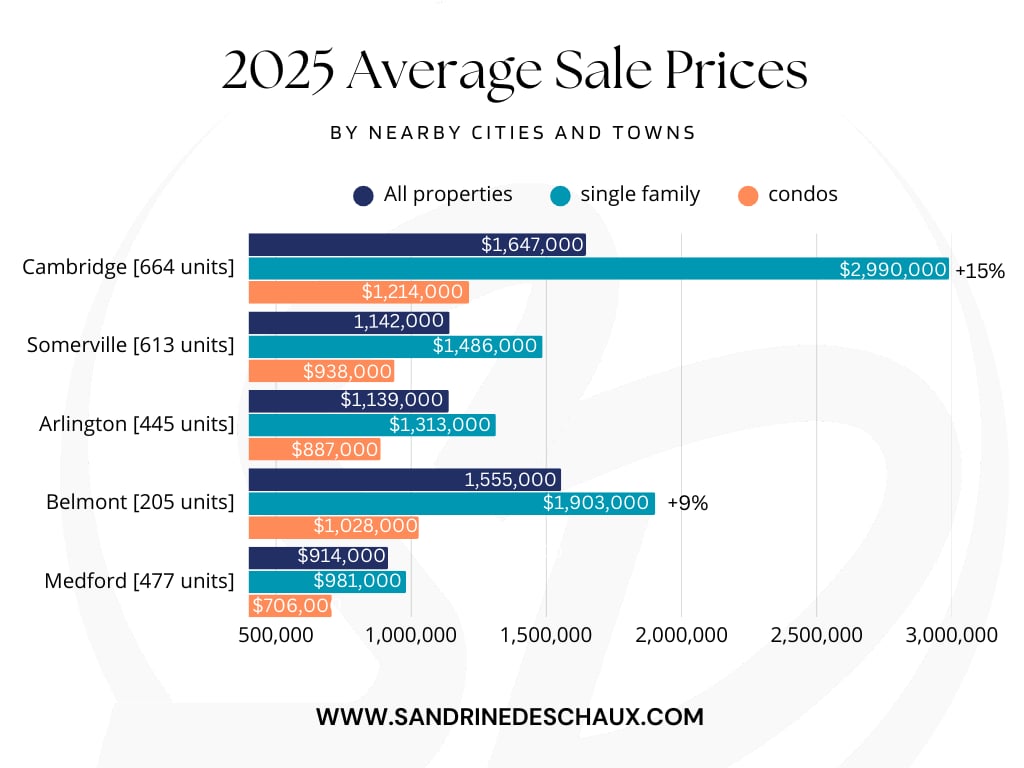
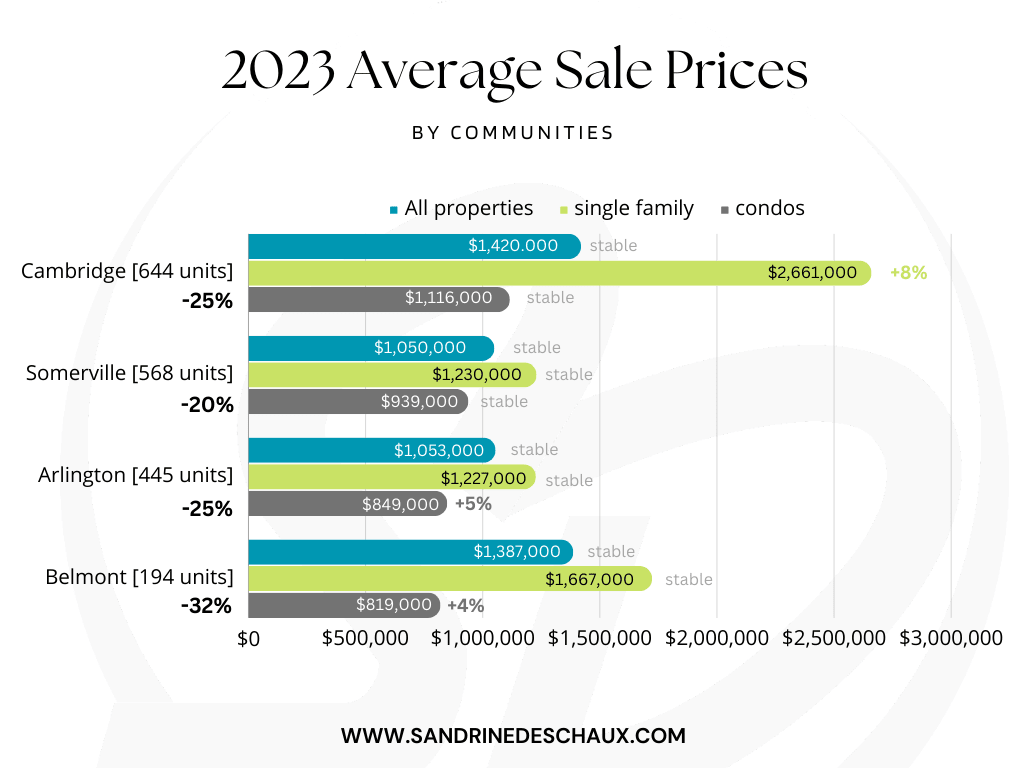
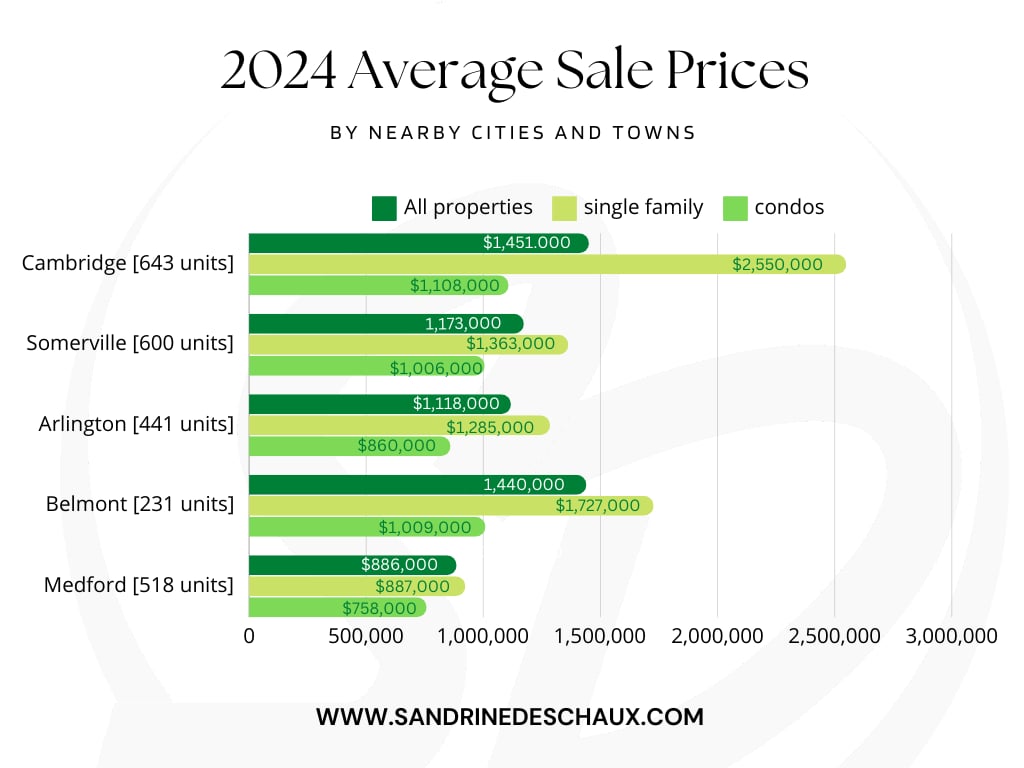
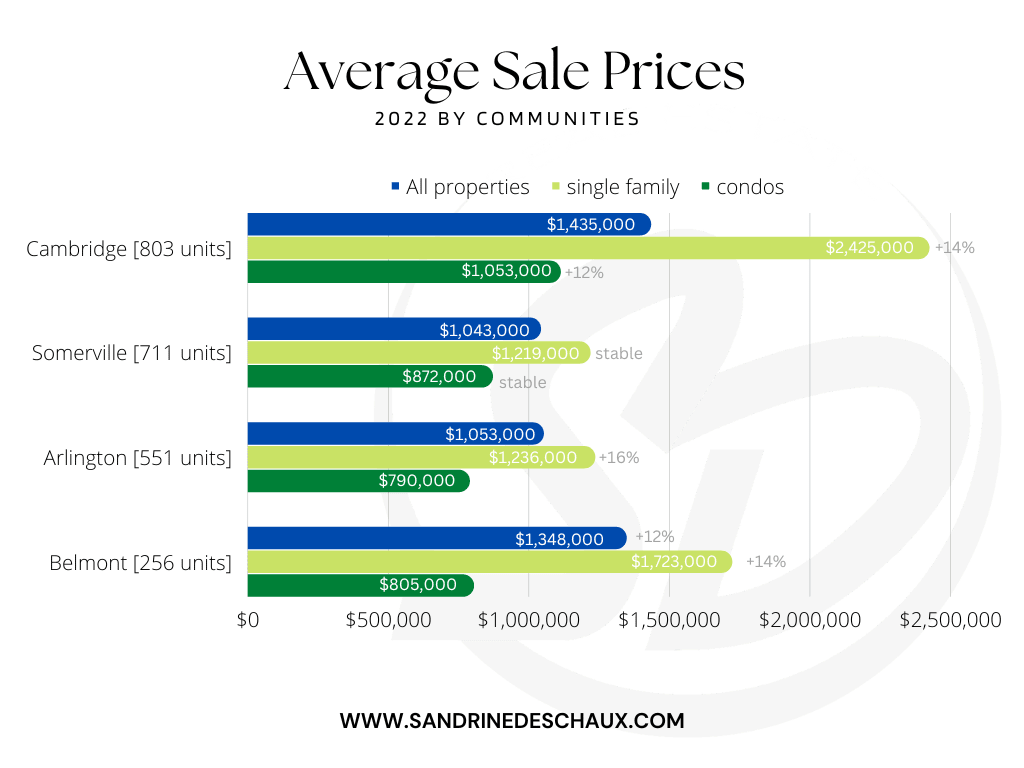
Citywide snapshots show Cambridge pricing above Somerville. Zillow’s recent summaries put Somerville’s typical home value near about $915,000 and Cambridge near about $1.02 million, with citywide median sale prices around $830,000 for Somerville (Jan 2026) versus about $1.107 million for Cambridge (Dec 2025). These are citywide medians across property types, not condos only.
If you compare space for the dollar, Redfin’s recent market pages report roughly $848 per square foot in Cambridge versus about $662 per square foot in Somerville. That is a difference on the order of 25 to 30 percent per square foot, which often translates into a noticeably larger floor plan or upgraded finishes in Somerville for a similar budget.
Two quick takeaways:
- Expect broader options and more square footage in Somerville for the same price range.
- Cambridge’s price premium often tracks proximity to major employment centers and Red Line stops.
What you will find: condo types and ages
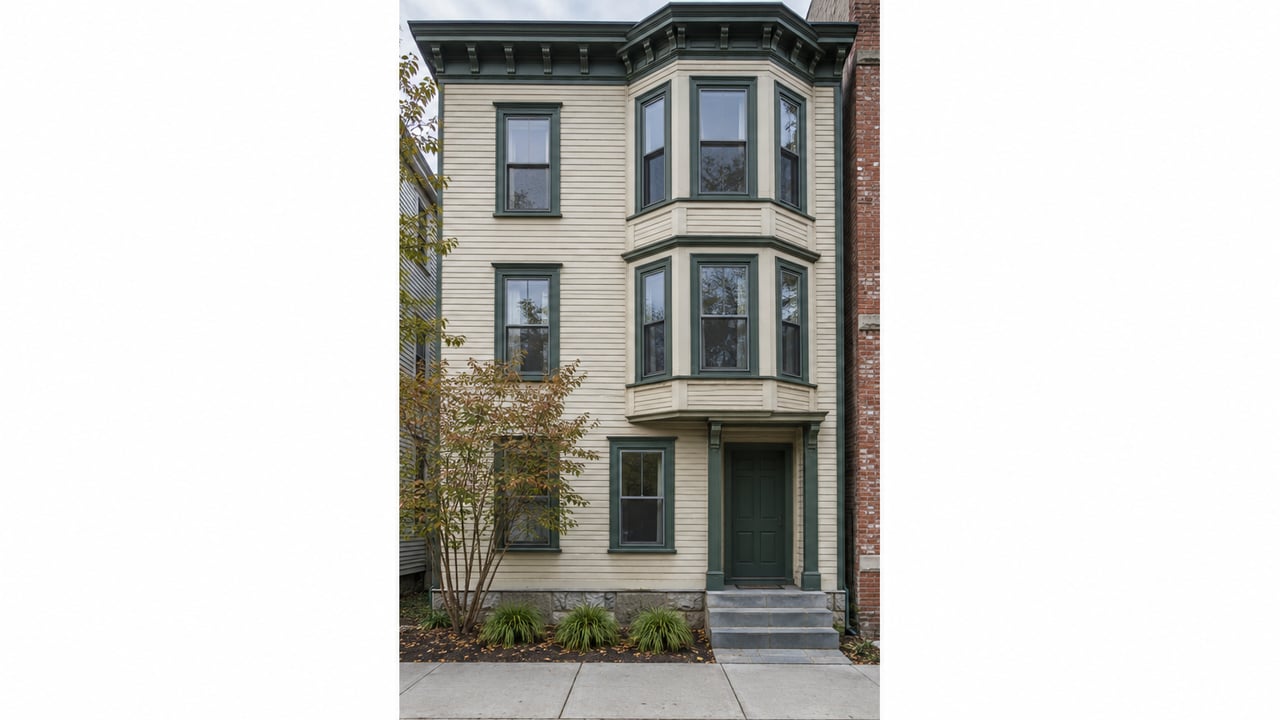
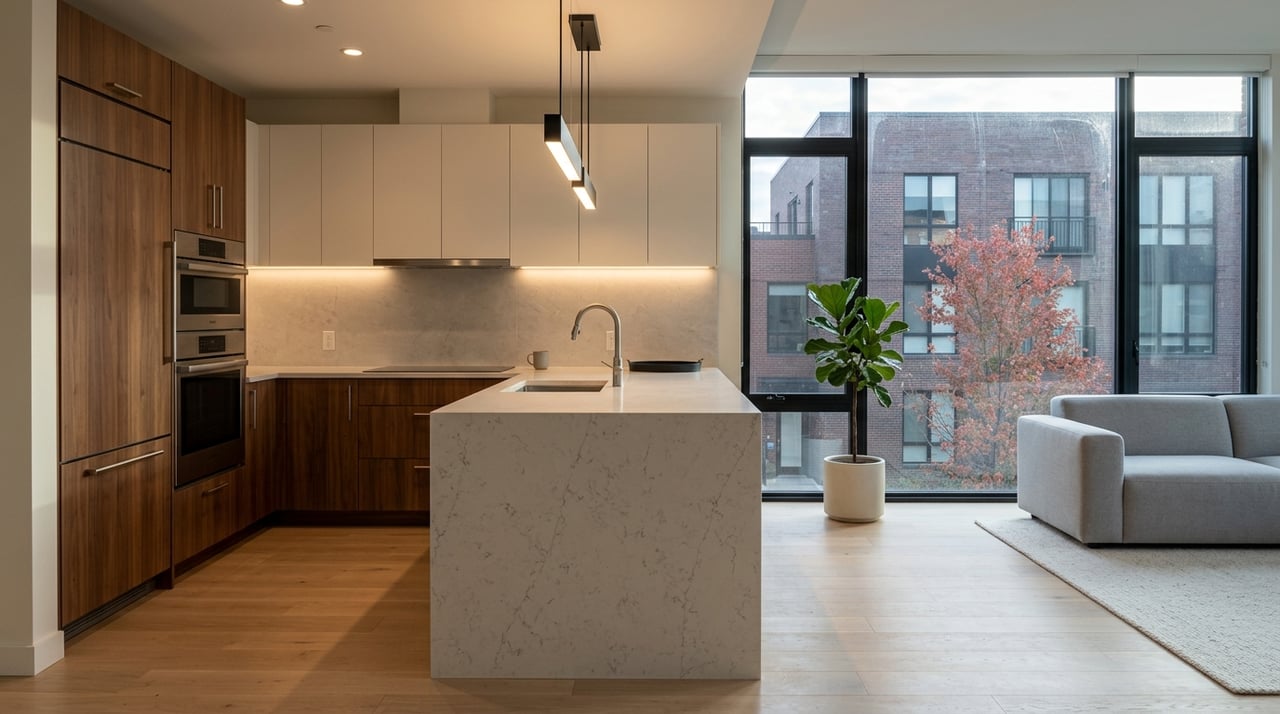
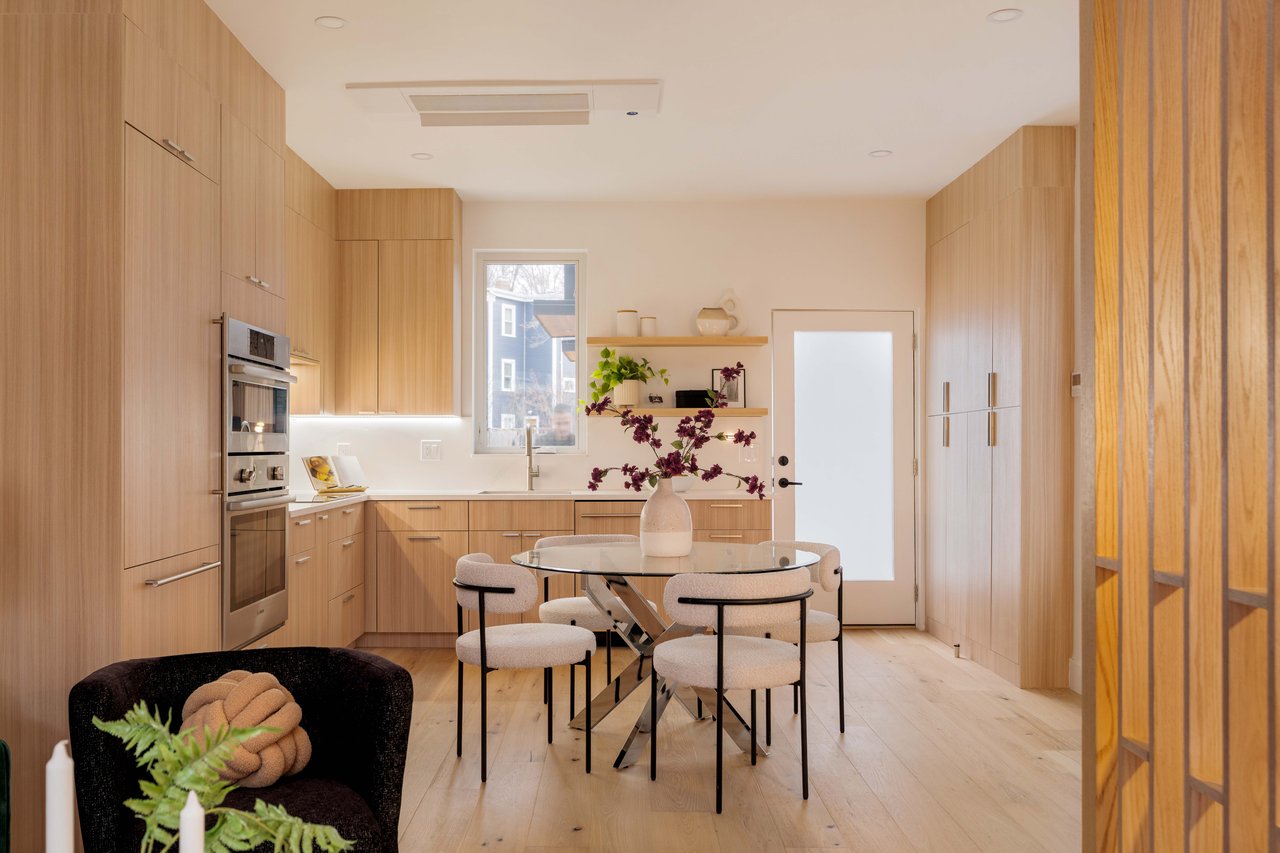
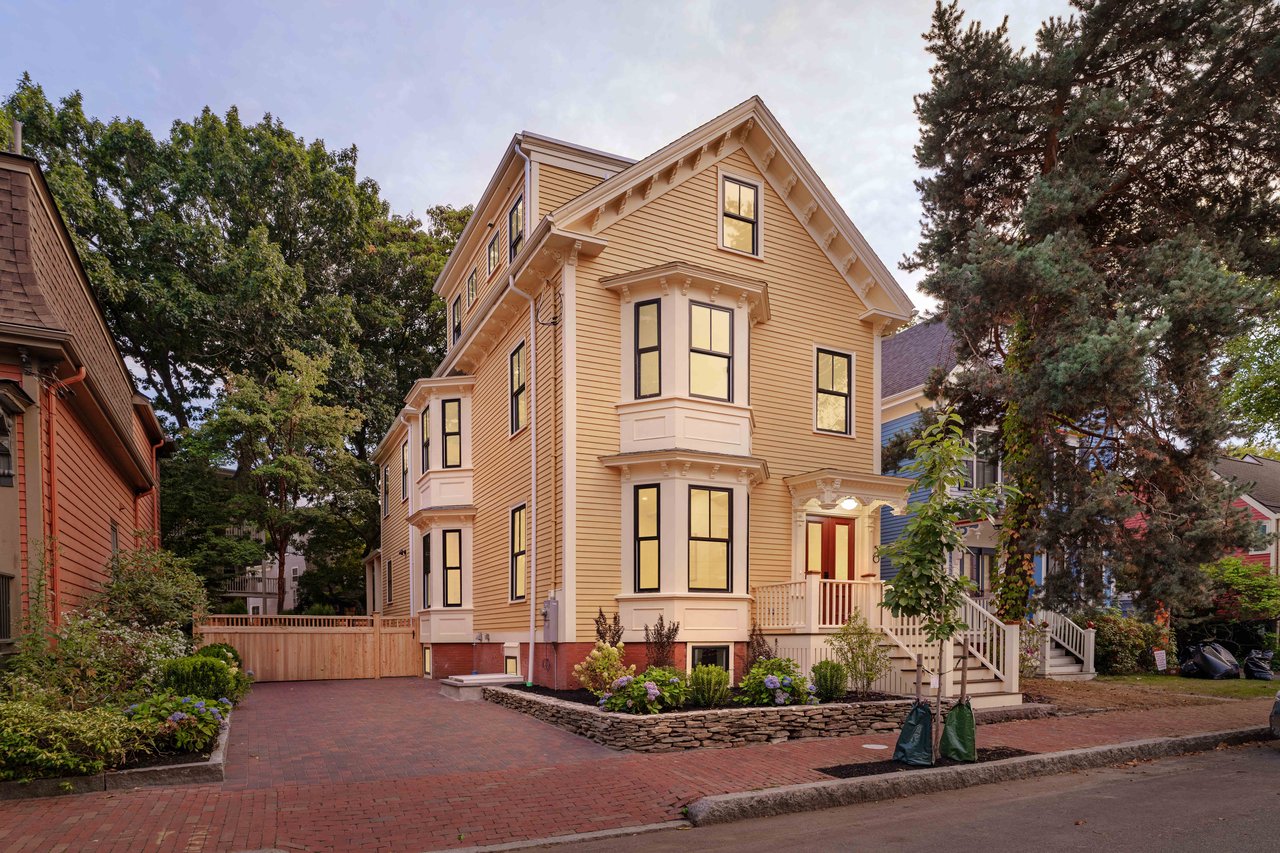
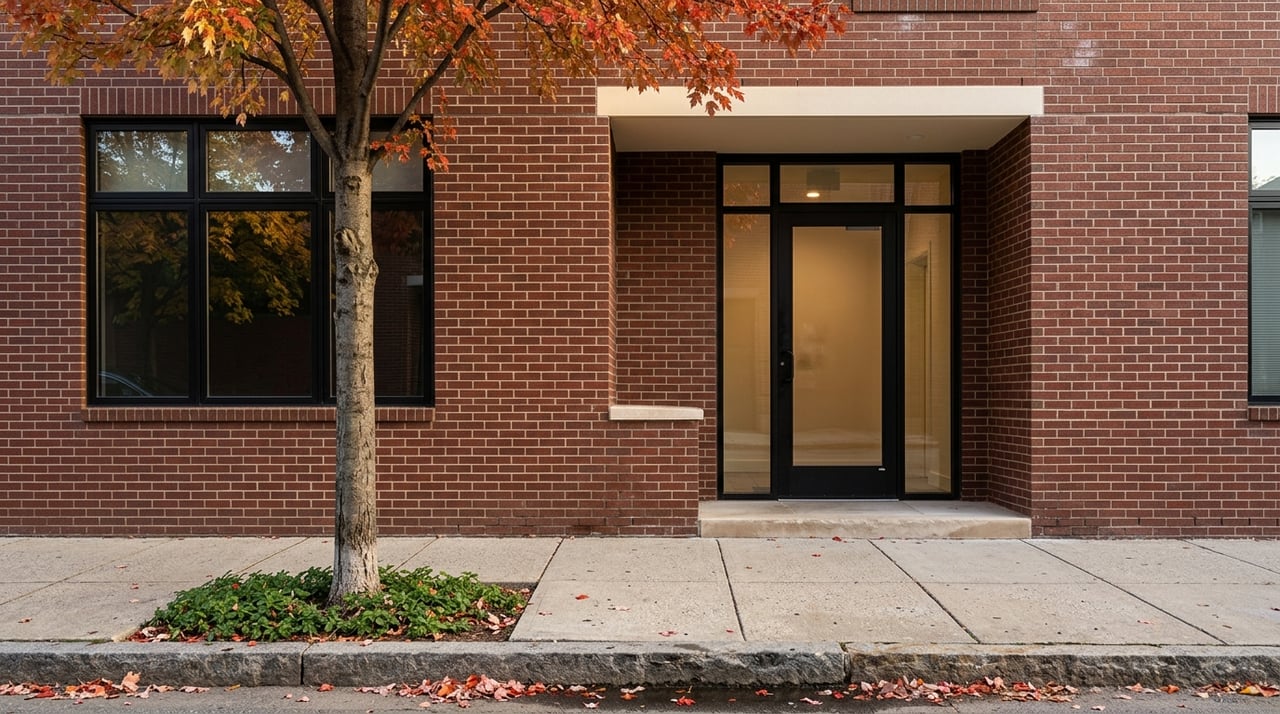
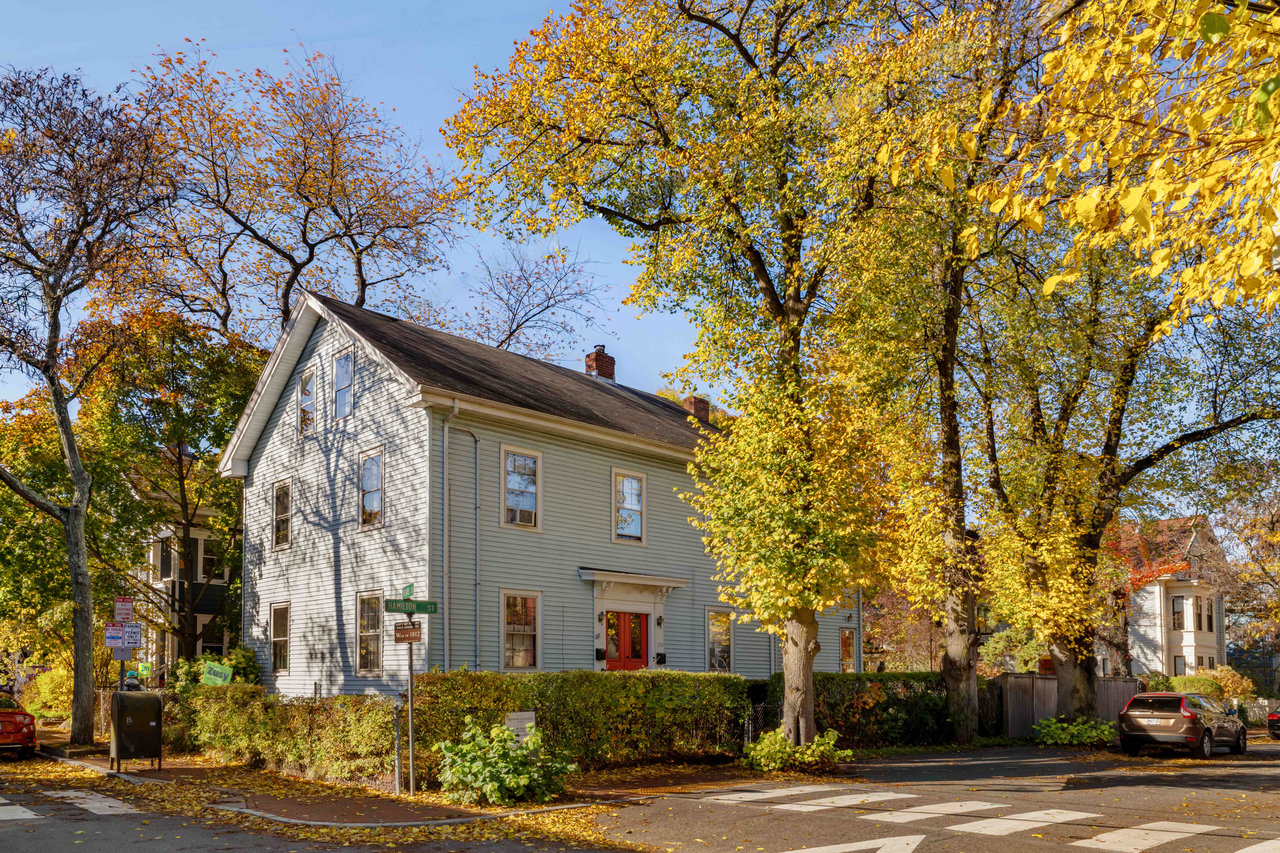
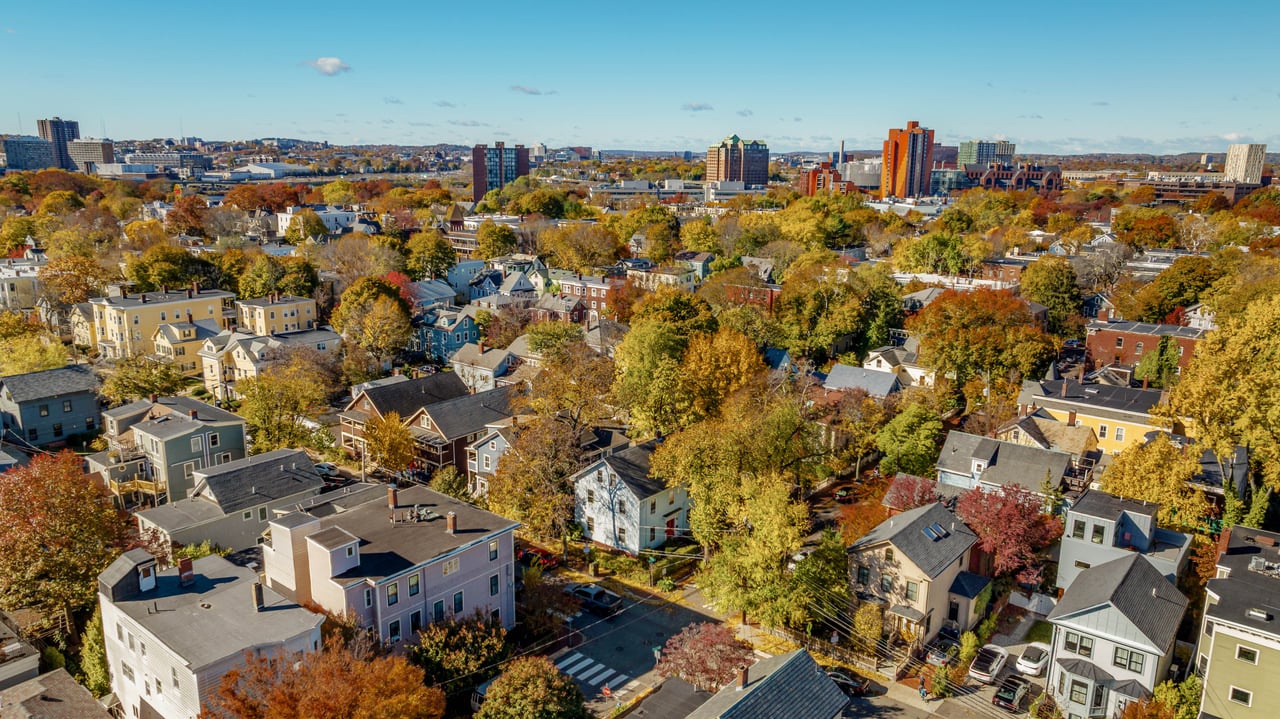
Somerville’s housing stock is rich with small multi-family buildings and classic New England three-deckers. Many condos are conversions within two- to four-unit structures, with a growing number of newer mid-rise homes near Union Square and Assembly. The three-decker form is a well-documented regional vernacular, which explains the abundance of conversion-style condos and varied unit sizes across Somerville’s older neighborhoods. See the architectural context of these forms in the Massachusetts essay from SAH Archipedia.
Local housing characteristics reinforce this picture. Data for Somerville show a large share of homes built before 1940 and a high share of small multi-family structures. That helps explain the variety of condo conversions and price points you will see on the market. You can review the city’s housing characteristics by age and structure on ProximityOne’s Somerville tables.
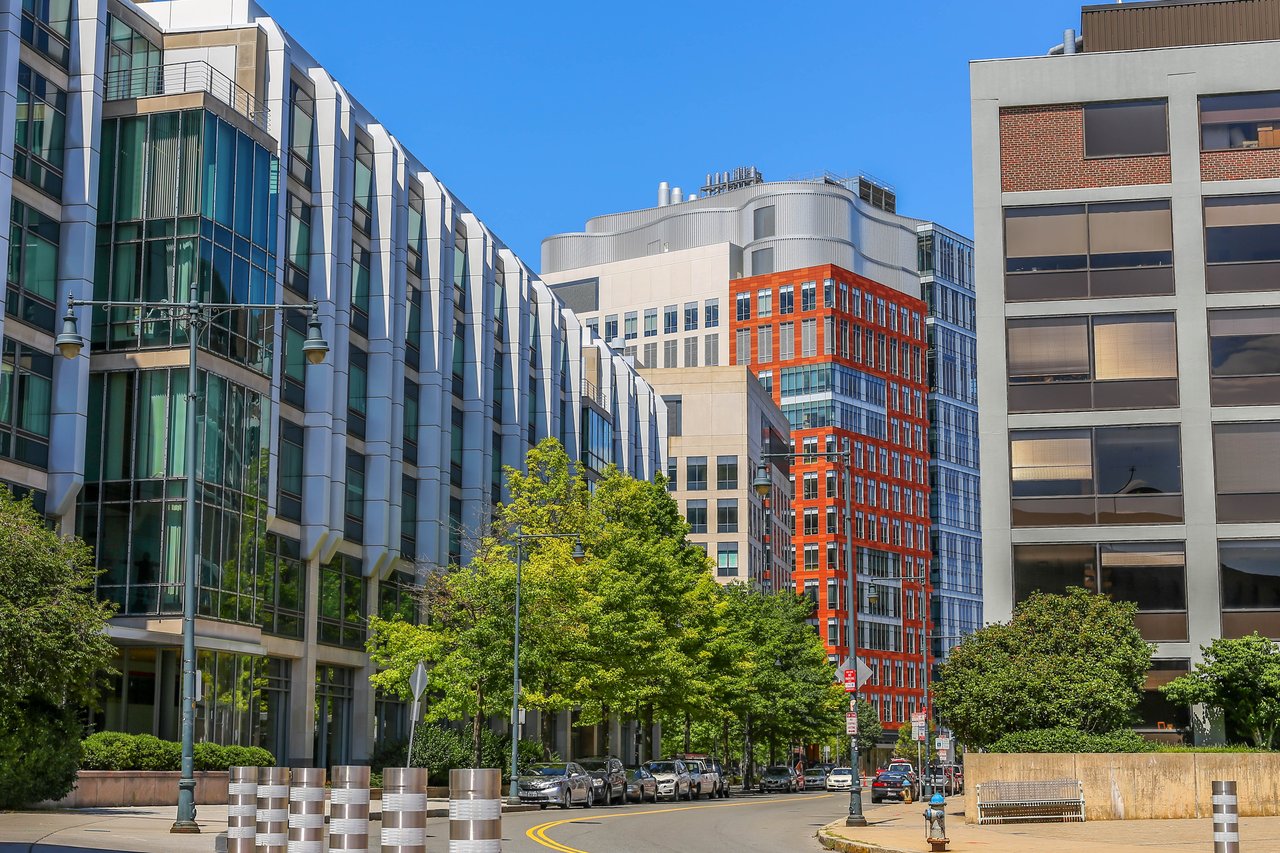
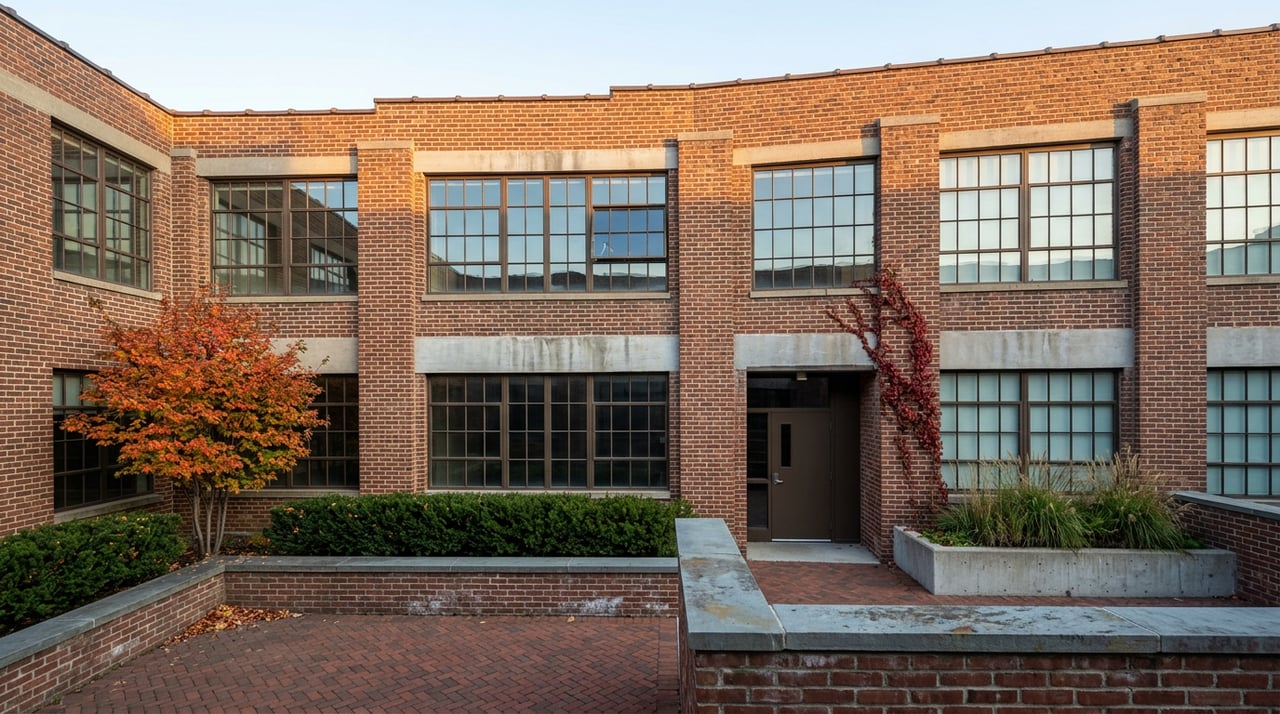
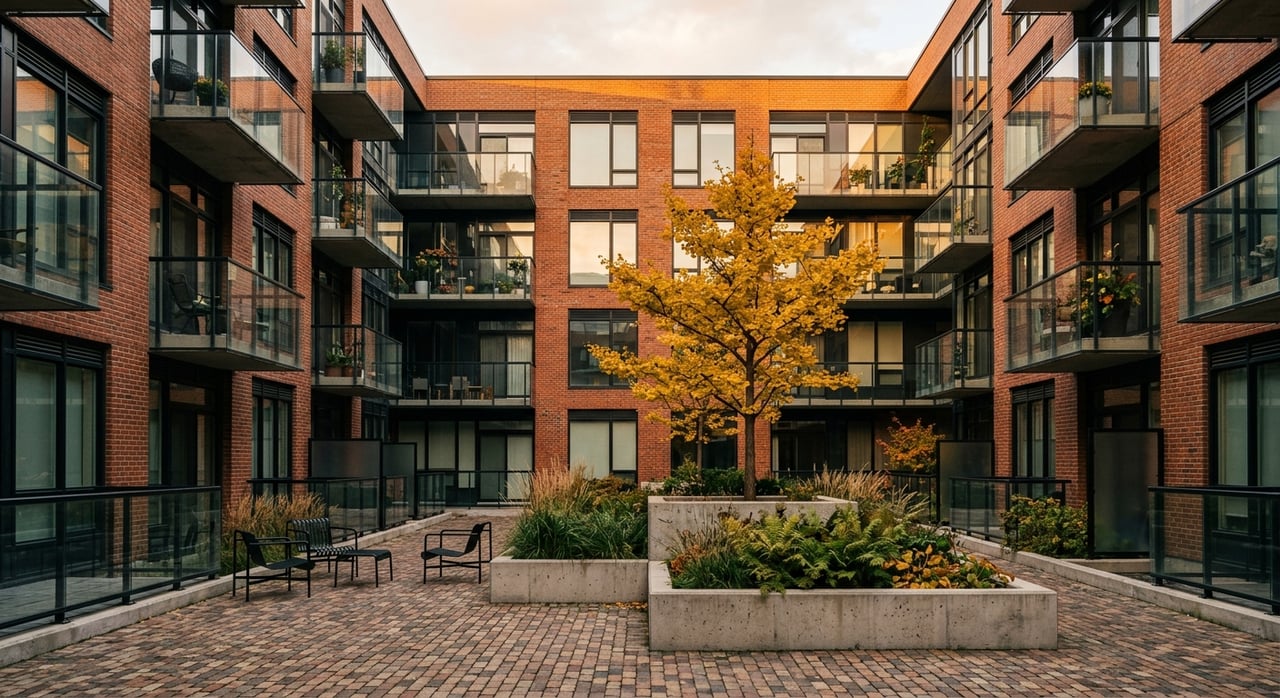
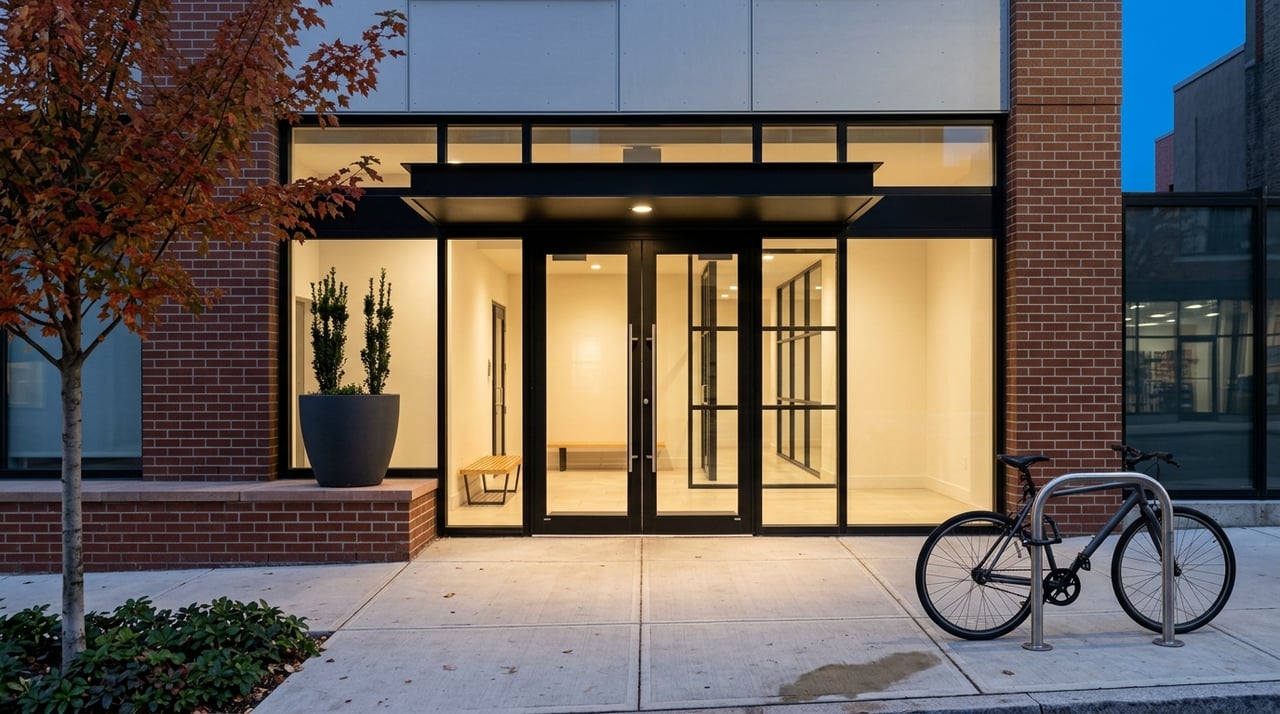
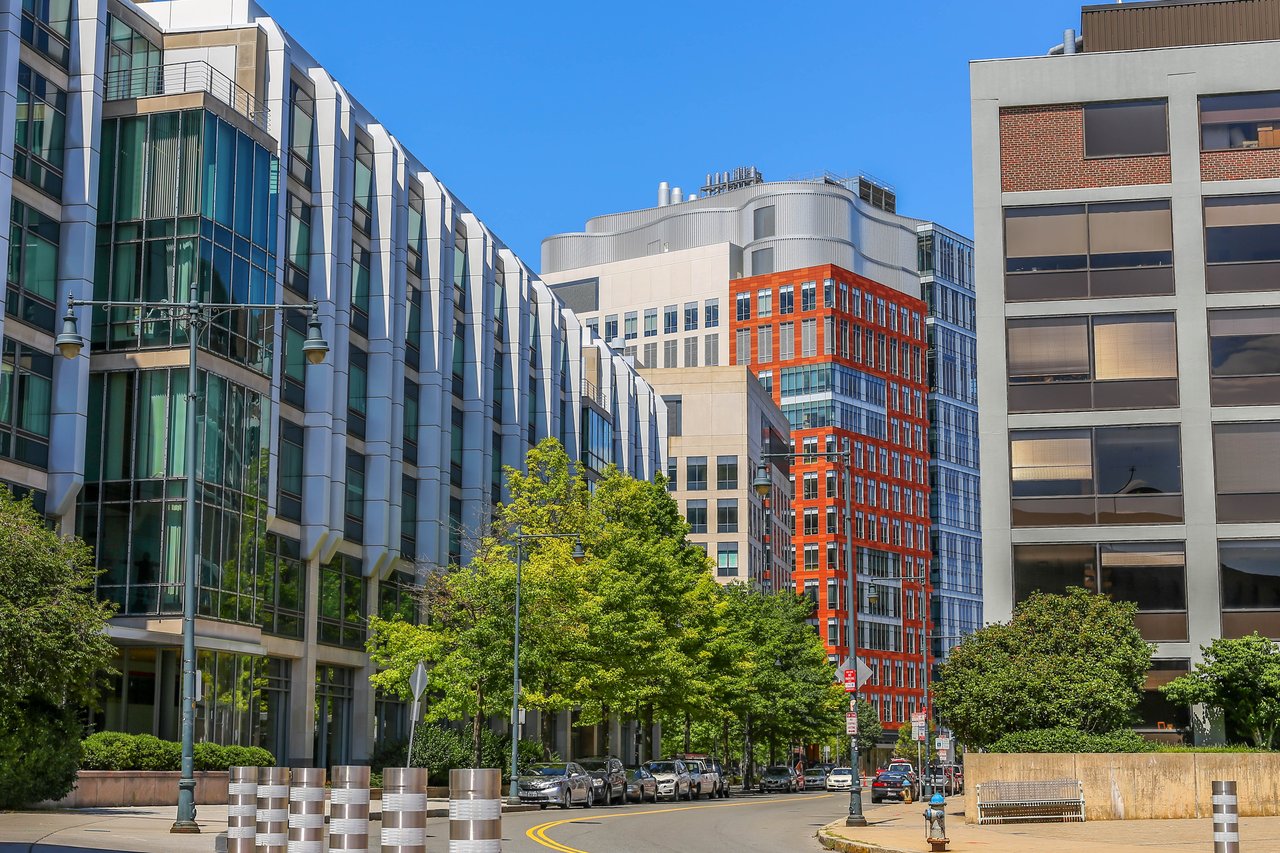
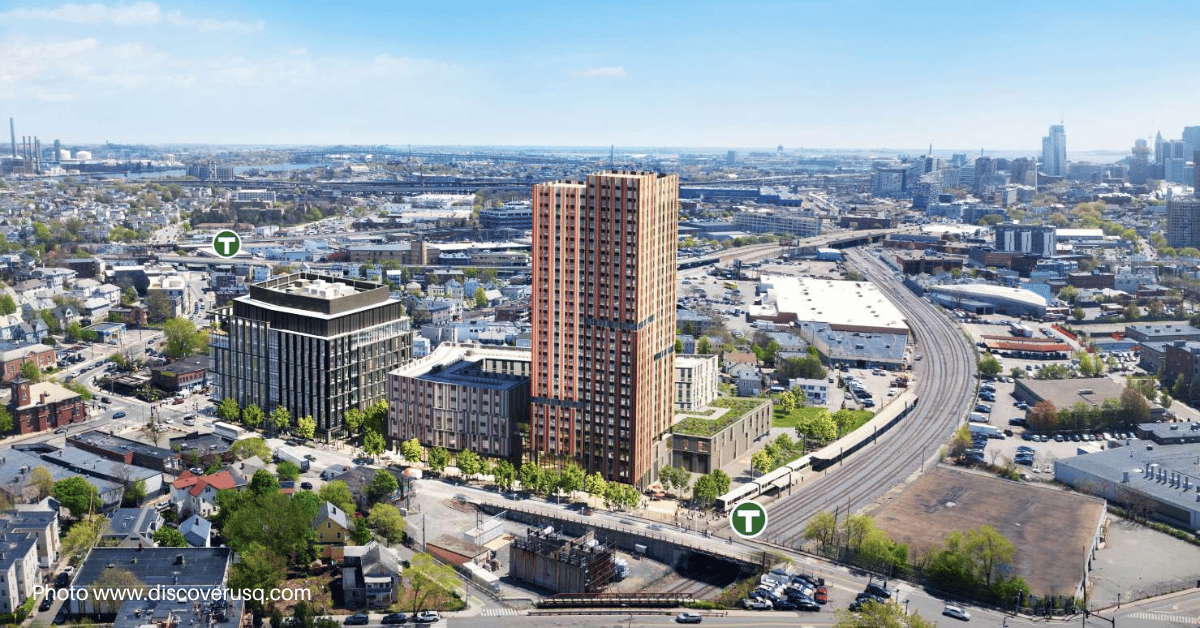
Cambridge also has an older base, but with a noticeably greater share of higher-density buildings, including many 20-plus unit properties and a steady pipeline of modern mid- and high-rise projects near Kendall and parts of Cambridgeport. That mix produces a wider spectrum of options, from brownstone conversions and lofts to newer mid-rise and tower residences. Explore Cambridge’s structure mix on ProximityOne’s Cambridge tables.
What this means for you:
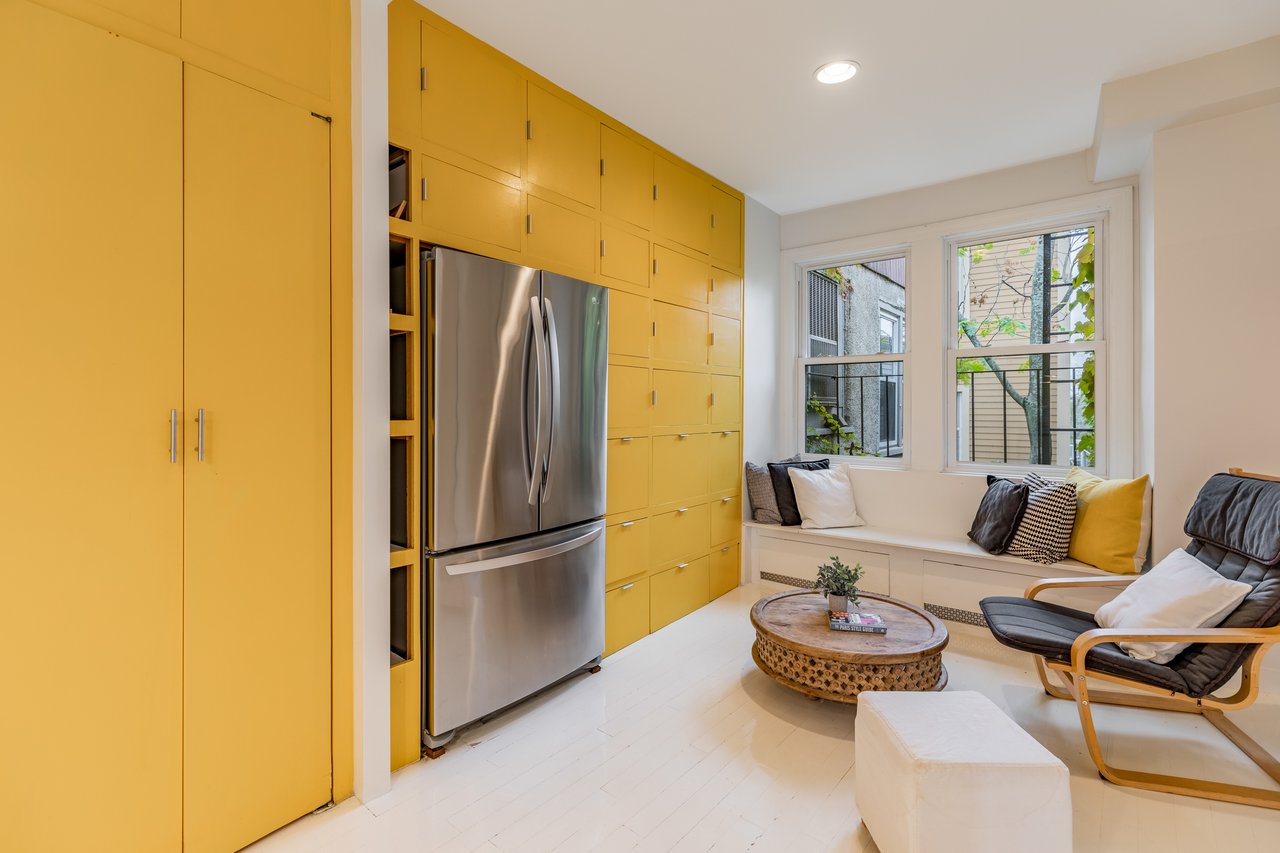
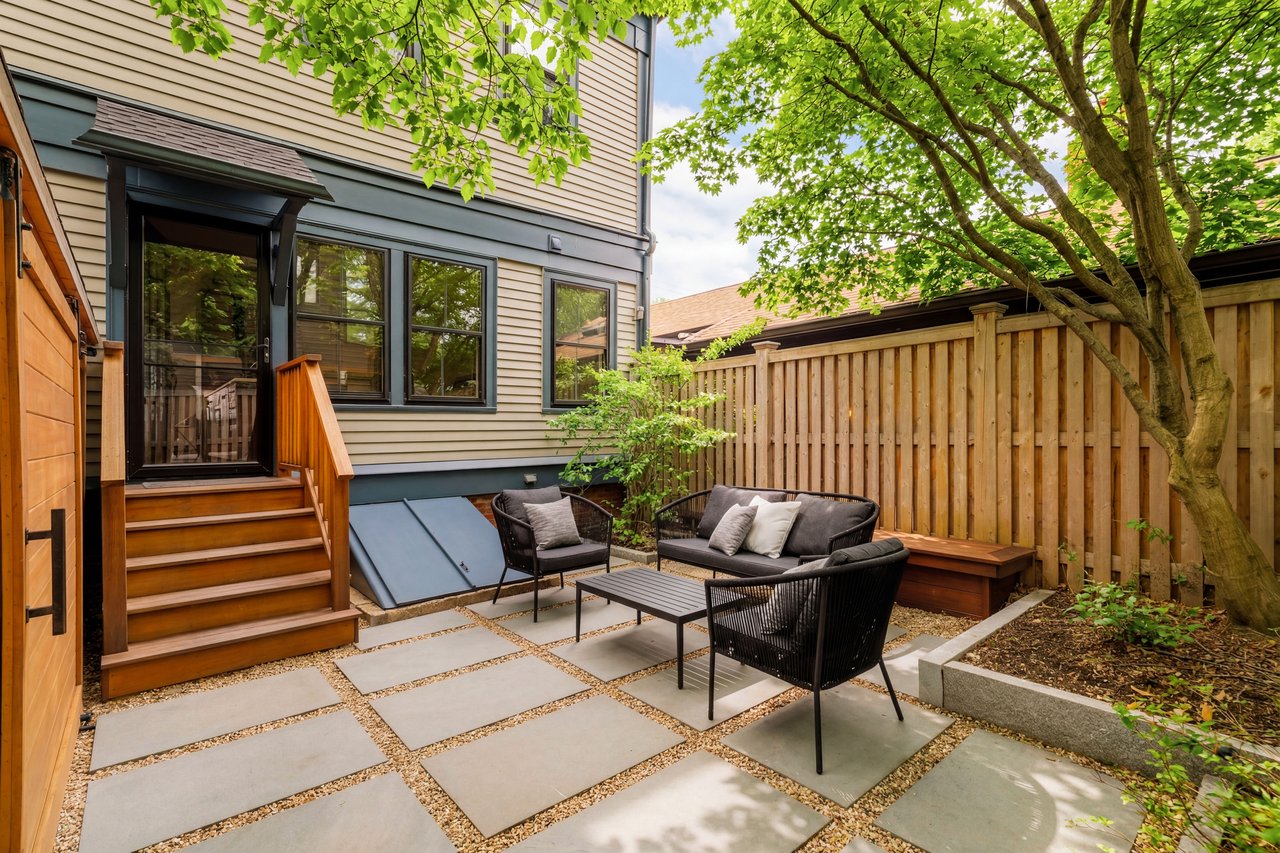
- In Somerville, you are more likely to find a conversion with character, private outdoor space, and a manageable association size. Newer mid-rises cluster near Union and Assembly.
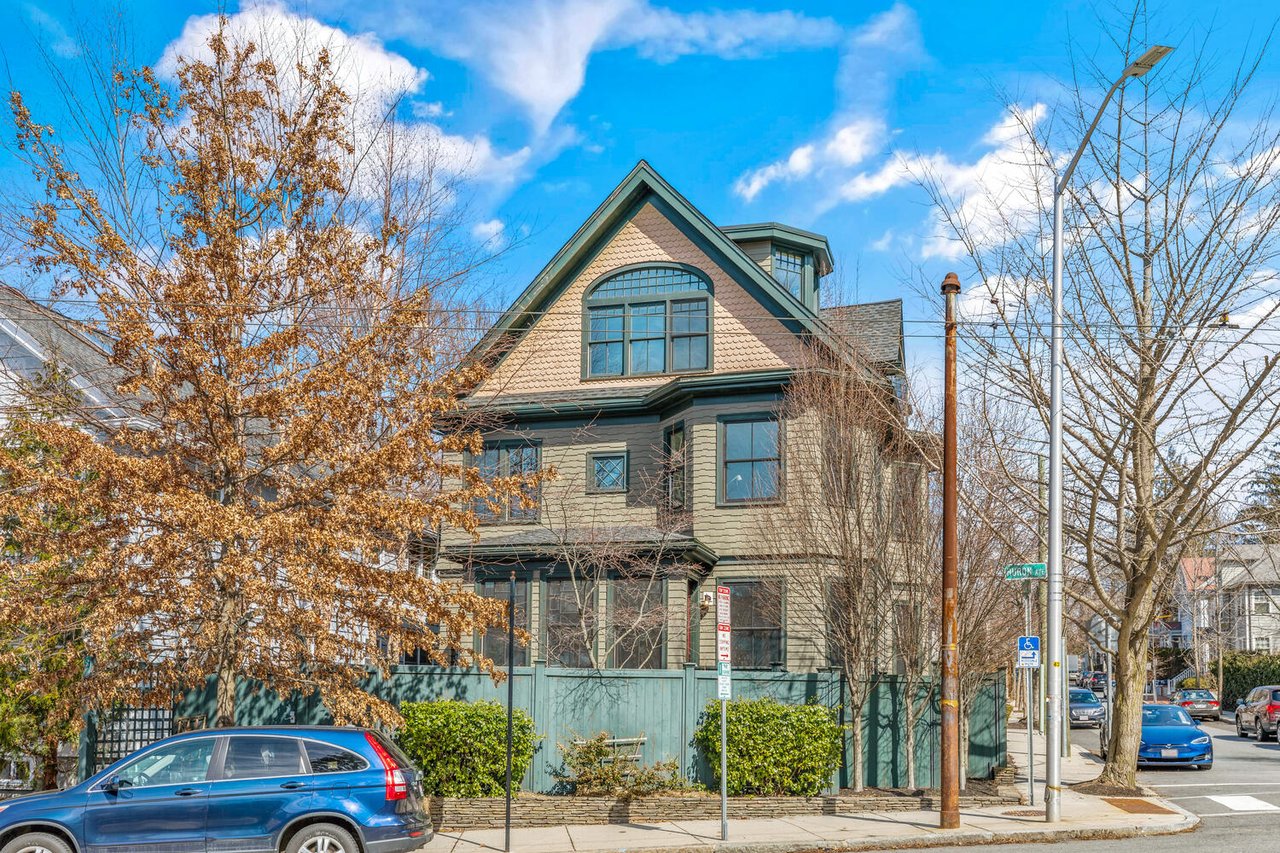
- In Cambridge, you will see more choices in full-service or higher-density buildings, plus boutique conversions near Harvard, Porter, and Mid-Cambridge.
Transit realities: Red Line and GLX
Red Line access
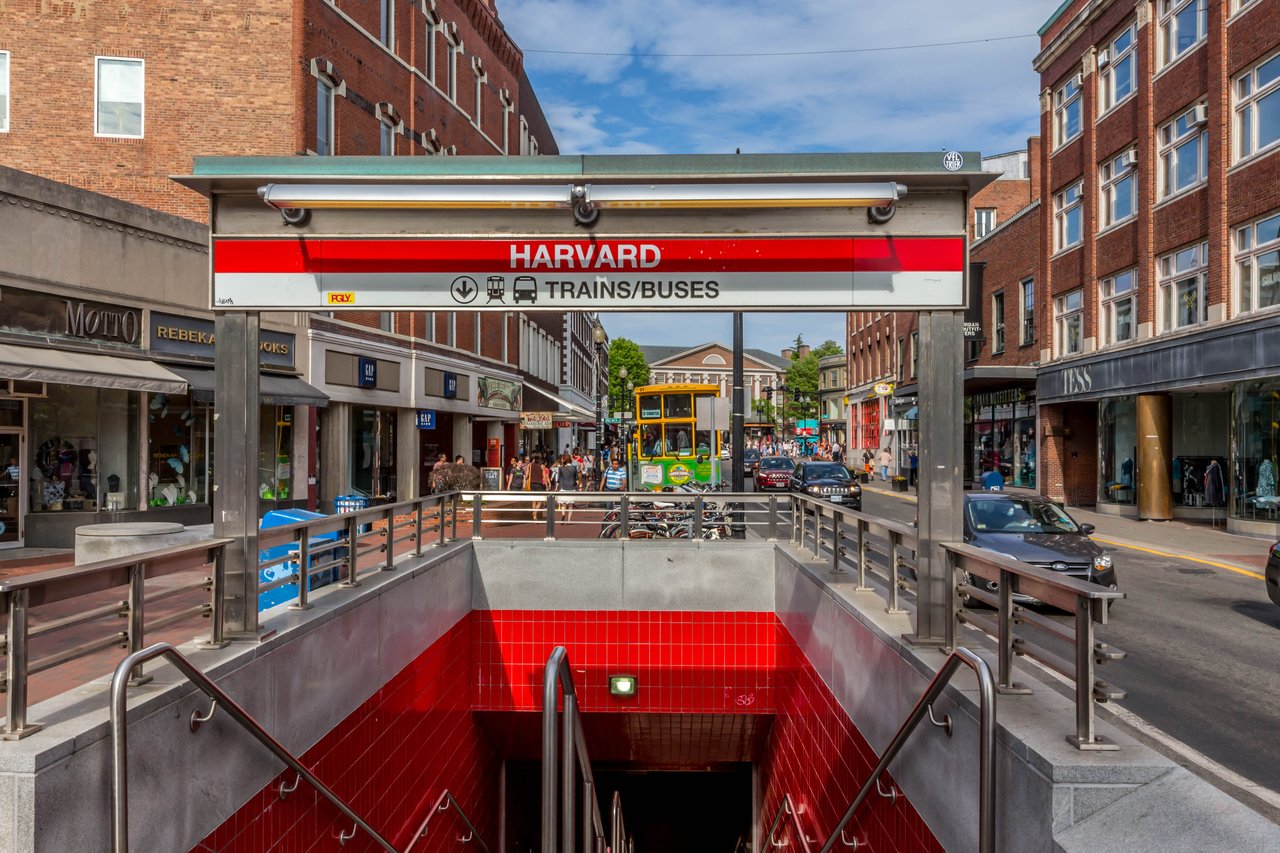
Cambridge benefits from multiple Red Line stations that serve Alewife, Porter, Harvard, Central, and Kendall. For many buyers who work in Kendall or Harvard, a Cambridge address near a Red Line stop can trim door-to-door time and sustain demand.
Somerville has a key Red Line anchor at Davis Square. If you value walkability and a lively square yet want more interior space, Davis-area homes in Somerville can be an appealing alternative to nearby Cambridge addresses.
For a broader look at routes and connections, see this Cambridge transit overview.
Green Line Extension in Somerville
The Green Line Extension added new service into Somerville, including the Union Square branch and stations such as Ball Square, Gilman Square, Magoun Square, and East Somerville, along with a Community Path extension. This upgrade significantly improved rapid-transit options for many Somerville neighborhoods and is a major reason buyers now feel comfortable trading a Cambridge address for a Somerville condo near a GLX stop. Learn more about the GLX and Community Path on the City’s project page.
Practical tip: always test sample commutes with the MBTA trip planner. Walking time and transfer penalties often matter more than the line name on a map.
Taxes and carrying costs: FY2026
Property taxes, condo fees, and insurance shape your monthly number. Both cities offer a residential exemption for owner-occupied homes in FY2026. Here is how the programs compare and what to watch.
Somerville: 35 percent residential exemption for FY2026, with the City publishing an illustrative tax-savings figure of $4,578 for the typical owner-occupied parcel. The City’s FY26 mailer explains how exemptions reduce taxable value before the rate is applied and lists the application deadline. See the FY26 update and forms in the City’s tax mailer PDF.
Cambridge: 30 percent residential exemption for FY2026. The City’s FY26 tax-rate letter indicates a residential rate figure of $6.67 and explains the exemption as a deduction before applying the rate. Review details in the Assessing Department’s tax rate letter.
Deadline: Both cities listed April 1, 2026 as the residential exemption application deadline in their FY26 guidance. Confirm current dates with each assessor before applying.
Simple formula: property tax in Massachusetts generally equals (assessed value minus exemptions) × tax rate. Run a sample on a condo you like using each city’s guidance. For example, if you qualify for the residential exemption, your taxable value is reduced before the rate is applied, which can mean meaningful annual savings.
Neighborhood vignettes: how trade-offs look
Somerville: Union or Davis Square
- Product: Mix of renovated three-decker conversions and newer mid-rise buildings near Union Square and Assembly. Expect varied floor plans, many two- and three-bedroom layouts, and character features in conversions.
- Transit: Walkable access to GLX at Union, Ball, or Magoun can put downtown and the Longwood area within reach via Green Line connections. Davis provides direct Red Line access.
- Value: Recent market snapshots suggest per-square-foot pricing that is about 25 to 30 percent lower than Cambridge, which often buys you a larger plan or an extra room for a similar budget.
Cambridge: Kendall, Central, Harvard, Porter
- Product: A wider spectrum that includes brownstone conversions, modern mid-rises, and newer towers near Kendall. Many buildings offer amenities and professional management.
- Transit: Multiple Red Line stations cut transfer times and streamline daily commutes to major job centers.
- Value: You pay a premium for proximity and density, but liquidity and long-term demand remain strong in these core neighborhoods.
Appreciation and investment lens
Both cities posted strong appreciation in the 2015 to 2021 cycle, then moderated. Cambridge’s fundamentals remain powerful, anchored by world-class universities and the biotech and tech cluster. Somerville has benefited from proximity to Cambridge, the GLX, and targeted redevelopment near Union Square and Assembly Row.
Vendor methods differ. Zillow’s ZHVI is a smoothed index of the typical home value, while other sources report medians from recent closings. Single-month changes can diverge. For decision-making, look at 5 to 10 year trends and compare neighborhood-by-neighborhood performance rather than one headline number. You can review multi-year trends and context on Zillow’s public summaries for Somerville.
Decision checklist: which city fits you
Use this quick framework to focus your search.
Price vs space
- Compare price per square foot for the neighborhoods you like. Recent snapshots showed roughly $848 per square foot in Cambridge versus about $662 in Somerville. The gap often equals a larger plan or higher-end finishes in Somerville for the same budget.
Commute time and transfers
- If you work in Kendall or Harvard, a Cambridge address near the Red Line can be 10 to 20 minutes faster door to door. If your commute is to downtown Boston or along the Green Line, Somerville’s GLX or Davis can work well. Always time your specific route.
Carrying costs
- Factor FY2026 residential exemptions, condo fees, reserves, and insurance. Run a sample tax estimate using each city’s exemption guidance and the building’s latest HOA budget.
Building age and maintenance
- Older conversions can offer lower entry prices but deserve extra diligence on roof, foundation, electrical, plumbing, and HVAC. Newer mid-rises often have higher HOA fees but modern systems and sometimes warranties. Review the reserve study, recent capital projects, collection rate, and master insurance.
Resale and tenant demand
- Cambridge’s proximity to universities and job centers supports durable demand across product types. Somerville’s expanding transit network and active squares create strong buyer interest, especially for family-size homes and buyers trading a Cambridge address for more space.
How to run your own comparison
Follow these simple steps to ground your choice in data.
- Define two or three target neighborhoods in each city that match your lifestyle.
- Pull recent condo sales and calculate price per square foot for each area.
- Time your commute from two sample addresses per neighborhood during peak hours.
- Review HOA documents, reserves, insurance, and any special assessments.
- Estimate FY2026 property taxes with each city’s exemption rules, then compare total monthly costs.
Quick FY2026 tax explainer
- Somerville residential exemption: 35 percent. The City’s FY26 mailer includes an illustrative annual savings figure and instructions. Apply by April 1, 2026. Details in the Somerville FY26 mailer.
- Cambridge residential exemption: 30 percent, with a posted FY26 residential rate of $6.67. Apply by April 1, 2026. See the Cambridge tax rate letter.
- How it works: tax bill ≈ (assessed value − exemption) × tax rate. Your actual bill depends on your assessed value and whether you qualify for the exemption. Confirm details with the city before filing.
The bottom line
If you want more space, a second bedroom or office, and access to rapid transit, Somerville is a compelling alternative to Cambridge. The per-square-foot savings are real in recent snapshots, GLX has made more Somerville addresses viable for daily transit, and FY2026 exemptions help with carrying costs for owner-occupants. If your top priority is a walk-to-Kendall Red Line commute or amenities in a full-service building, Cambridge may still be the right fit.
When you are ready to map the trade-offs to your goals, connect with a local advisor who knows the micro-markets and how buildings stack up block by block. If you want that level of guidance, reach out to Sandrine Deschaux to start a focused, data-backed search.
FAQs
How much more space can I get in Somerville with a Cambridge budget?
- Recent snapshots suggest per-square-foot pricing is about 25 to 30 percent lower in Somerville, which often translates into a larger floor plan or upgraded finishes for a similar price.
Will I pay more property tax in Somerville if I own-occupy a condo?
- Both cities offer FY2026 residential exemptions for owner-occupants, with Somerville at 35 percent and Cambridge at 30 percent; the actual bill depends on your assessed value and the city’s rate, so run sample calculations using each city’s guidance.
Is transit meaningfully worse in Somerville than Cambridge?
- Cambridge has multiple Red Line stops that trim commutes to Kendall and Harvard, while Somerville gained Green Line Extension stations plus Red Line access at Davis; walk time and transfers often matter more than the line name, so time your specific route.
What condo types dominate in each city?
- Somerville features many small multi-family conversions and newer mid-rises near Union and Assembly, while Cambridge offers more higher-density buildings and newer mid- and high-rise options near Kendall, Central, and Cambridgeport.
Which market has stronger long-run appreciation?
- Cambridge’s fundamentals remain powerful due to job proximity and universities, while Somerville has benefited from transit expansion and redevelopment; compare 5 to 10 year trends by neighborhood rather than relying on a single monthly change.