Trying to choose between Cambridgeport and Mid-Cambridge? If you want walkability, access to key Cambridge hubs, and a neighborhood that fits your day-to-day lifestyle, the difference can feel subtle at first. But once you look at how each area moves, what the housing mix looks like, and how pricing and preservation rules come into play, the picture gets much clearer. Here’s how to decide which neighborhood may fit you best. Let’s dive in.
Start With the Big-Picture Feel
Cambridgeport and Mid-Cambridge are both fully urban Cambridge neighborhoods, but they connect to the city in different ways. Cambridgeport is bounded by Massachusetts Avenue, River Street, the Charles River, and MIT, with Central Square as its main commercial center. Mid-Cambridge stretches between Prospect Street, Kirkland Street, Massachusetts Avenue, and Somerville, with major commercial activity tied to Central Square, Harvard Square, and Inman Square.
That means Cambridgeport often feels more river-oriented and Central Square-centered. Mid-Cambridge tends to feel more stitched into multiple parts of Cambridge at once, with easier day-to-day connections to several squares and civic institutions.
Compare Walkability and Transit
Both neighborhoods support a car-light lifestyle very well. Still, Mid-Cambridge has a slight edge if your priority is doing as much as possible on foot.
According to Walk Score, Mid-Cambridge scores 95 for walkability, 76 for transit, and 98 for biking. Cambridgeport scores 92 for walkability, 68 for transit, and 99 for biking. In practical terms, both are highly convenient, but Mid-Cambridge may feel a bit easier if you want the strongest walk-centric routine.
Why Mid-Cambridge Feels More Connected
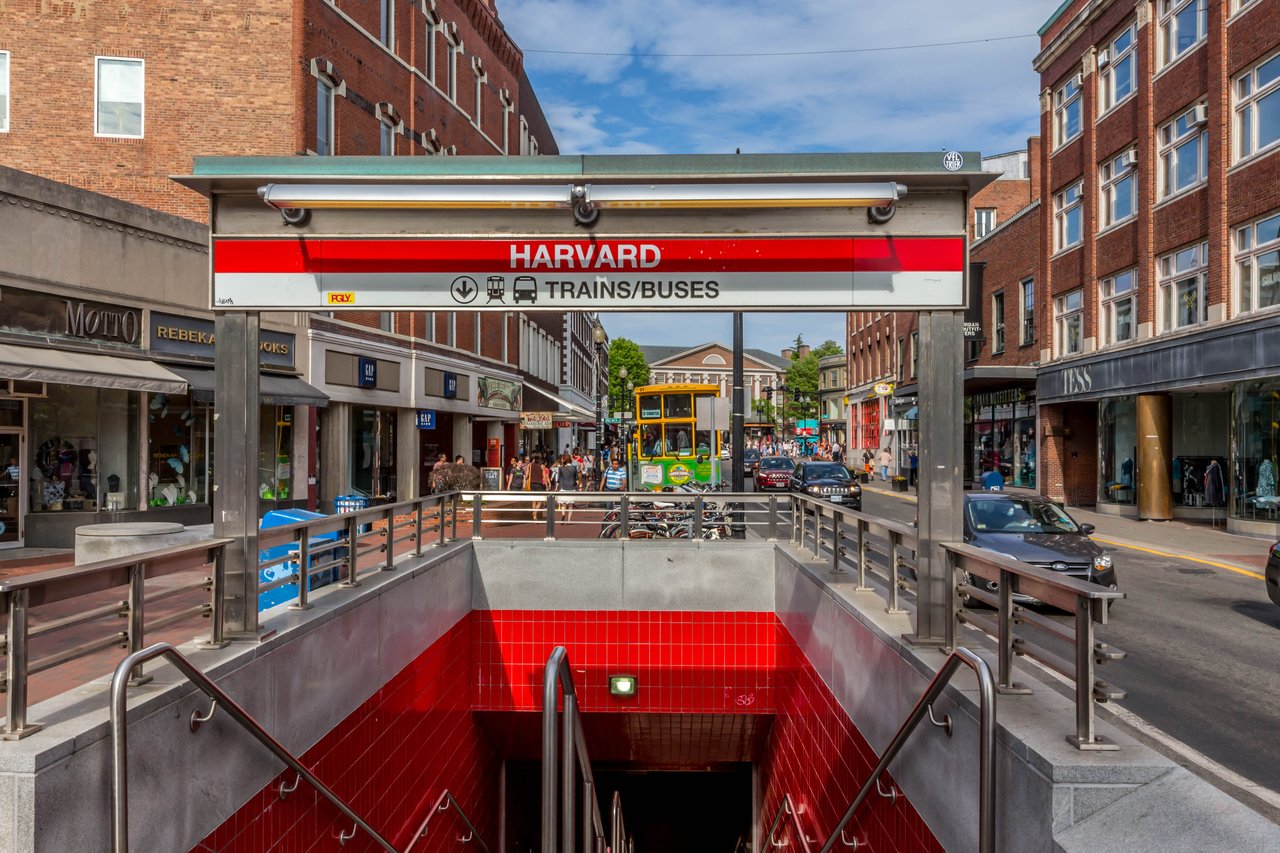
Mid-Cambridge gives you access to Central Square, Harvard Square, and Inman Square, all within its broader neighborhood pattern. The city also highlights nearby institutions and civic landmarks such as Harvard University, Cambridge Hospital, the public library, and City Hall.
If your routine includes moving between different parts of Cambridge instead of orbiting around one main hub, Mid-Cambridge often delivers that flexibility more naturally.
Why Cambridgeport Appeals to River Lovers
Cambridgeport’s rhythm is shaped more by the Charles River, Memorial Drive parks, and Central Square. If being close to the river matters to you, that can be a meaningful lifestyle advantage.
For some buyers, that river adjacency helps Cambridgeport feel a little more open, even though it is still a dense urban neighborhood. If walks, runs, or bike rides along the Charles are part of your ideal routine, Cambridgeport may stand out quickly.
Look at Density and Housing Style
The two neighborhoods are close in size, but not identical in feel. Cambridgeport covers 338 acres and has 41.4 persons per acre. Mid-Cambridge is smaller at 293 acres and denser at 47.6 persons per acre.
That difference does not make one urban and the other suburban. It simply means Mid-Cambridge generally feels a little more compact and tightly layered.
Cambridgeport Housing Mix
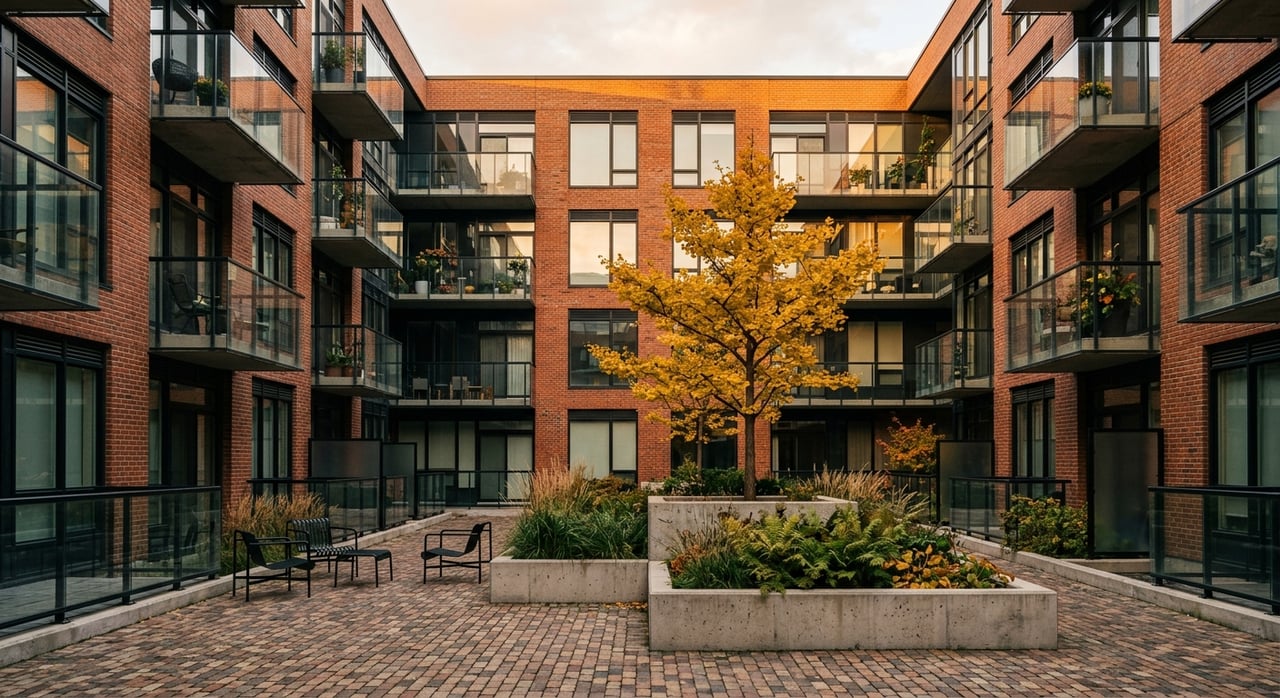
Cambridgeport has a more polarized housing mix. Its 2023 profile shows 4.0 percent single-family homes, 34.1 percent 2 to 4 unit buildings, 6.1 percent 5 to 12 unit buildings, 5.2 percent 13 to 25 unit buildings, and 50.6 percent 26+ unit buildings.
Occupied housing in Cambridgeport is also more renter-heavy, with 64.2 percent renter occupancy. For buyers, that can translate into a neighborhood with a mix of smaller residential buildings and larger multifamily properties.
Mid-Cambridge Housing Mix
Mid-Cambridge shows 4.5 percent single-family homes, 32.0 percent 2 to 4 unit buildings, 9.9 percent 5 to 12 unit buildings, 11.7 percent 13 to 25 unit buildings, and 41.9 percent 26+ unit buildings. Renter occupancy is lower than Cambridgeport at 57.3 percent.
This suggests a somewhat broader middle range of multifamily housing and slightly more owner occupancy. If you like a dense residential setting with a wider spread of mid-sized building types, Mid-Cambridge may feel like the more balanced option.
Understand Renovation and Preservation Rules
If you are thinking about exterior updates, renovations, or buying a property with long-term improvement plans, this is one of the most important differences between the two neighborhoods.
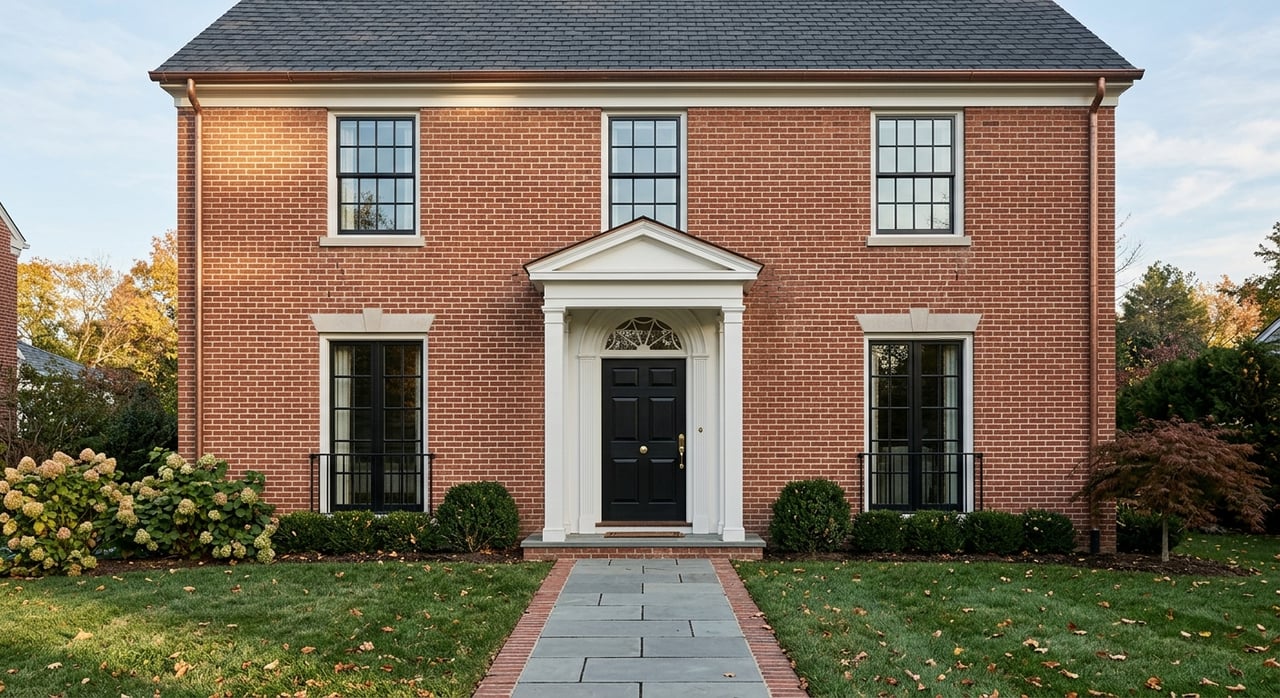
Mid-Cambridge is the more regulated choice. The Mid Cambridge Neighborhood Conservation District was established in 1985 and is overseen by its own commission. Depending on the scope of work, both binding and non-binding reviews can apply, and reviewable exterior changes may require a certificate before a building permit can be issued.
Mid-Cambridge: More Review for Exterior Work
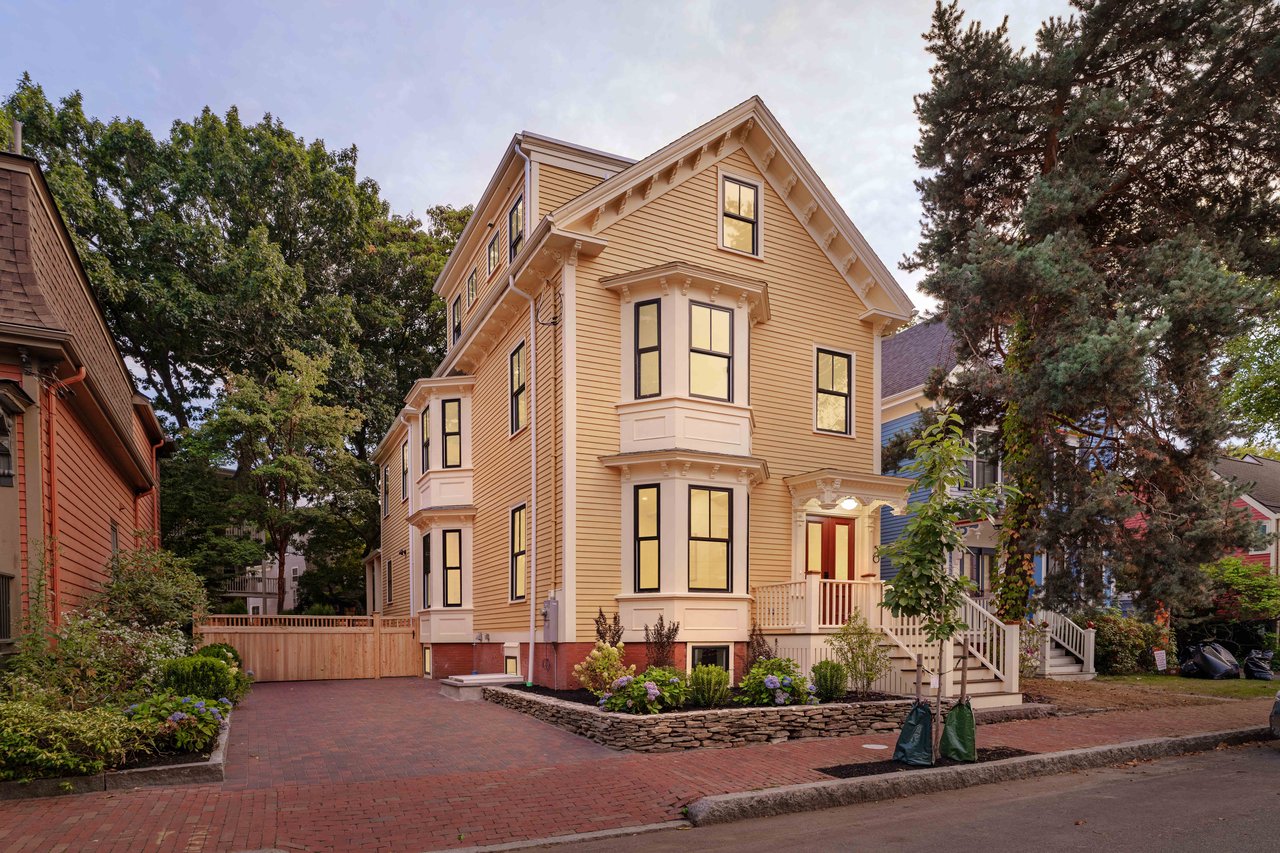
For buyers who love older housing stock, Mid-Cambridge can be very appealing. At the same time, that appeal can come with more formal review when exterior changes are involved.
If renovation flexibility is high on your list, you will want to evaluate any property carefully and understand whether your planned work could trigger review.
Cambridgeport: Narrower Historic Review Areas
Cambridgeport has a much narrower formal historic footprint. The Fort Washington Historic District on Waverly Street is the main area where Cambridge Historical Commission review applies to exterior changes.
Outside that district, the preservation framework is less extensive than in Mid-Cambridge. For some buyers and investors, that may make Cambridgeport feel more straightforward from a planning perspective.
Think About School Planning the Cambridge Way
If school access is part of your home search, Cambridge works differently from a traditional neighborhood-school model. Cambridge Public Schools uses Controlled Choice, which means you are not limited to a neighborhood school based only on your address.
The district says school assignments are balanced across the city, and most students are assigned to one of their three choices. All schools also feed into Cambridge Rindge and Latin School through feeder triads.
What That Means for Your Home Search
In Cambridge, school fit is less about buying into one attendance zone and more about your program preferences, commute pattern, and enrollment strategy. That changes how many buyers compare neighborhoods.
Instead of assuming one neighborhood gives you guaranteed access to one school, it is more useful to think about convenience, age-specific needs, and how you want your daily routine to work.
School Locations to Know
Cambridgeport has two officially located school options for younger students: Cambridgeport School at 89 Elm Street, serving Preschool through Grade 5, and Amigos School at 15 Upton Street, serving Preschool through Grade 8.
Mid-Cambridge’s most visible school-related landmark is the Cambridge Rindge and Latin campus at 459 Broadway. For many buyers, these locations are helpful reference points, but they are only one part of the broader Cambridge school choice process.
Compare Price and Market Pace
If budget is a major factor, the current pricing gap may shape your decision. Recent market snapshots suggest Cambridgeport is generally the more expensive option, while Mid-Cambridge can offer a somewhat lower entry point.
Zillow’s home value index put Cambridgeport at $1,079,471 and Mid-Cambridge at $904,666 as of March 31, 2026. Realtor.com’s April 2026 snapshot showed a median list price of $1.17 million in Cambridgeport compared with $980,000 in Mid-Cambridge.
Cambridgeport: Higher Price, Lower Supply
Realtor.com also reported just 8 for-sale listings in Cambridgeport, with a 20-day median on-market time. That points to a tighter inventory picture.
If you are focused on river proximity and Central Square access, you may need to be prepared for a higher price point and fewer available options.
Mid-Cambridge: More Listings, Fast Turnover
Mid-Cambridge showed 25 for-sale listings and a 13-day median on-market time. That may make it feel more accessible in terms of inventory, but not necessarily slower or less competitive.
In other words, Mid-Cambridge may offer more options at a lower median price, yet homes can still move quickly when the fit is right.
Which Neighborhood Fits You Best?
Cambridgeport is often the stronger fit if you want the Charles River nearby, easy access to Central Square, and a neighborhood feel shaped by both classic Cambridge housing and newer development pressure along former industrial edges.
Mid-Cambridge is often the better fit if you want maximum walkability, easier access to multiple squares, and a dense residential setting where older homes and preservation review play a bigger role in the ownership experience.
Neither neighborhood is universally better. The right choice depends on how you live, what kind of housing you want, how flexible you need renovation plans to be, and where your budget feels most comfortable.
If you want help comparing Cambridge micro-markets at the block-by-block level, Sandrine Deschaux can help you sort through the details and find the neighborhood that truly fits your goals.
FAQs
How is Mid-Cambridge different from Cambridgeport?
- Mid-Cambridge is denser, slightly more walkable, and more connected to multiple squares, while Cambridgeport is more river-adjacent and more centered around Central Square.
Is Cambridgeport or Mid-Cambridge more expensive?
- Recent market snapshots in the research report show Cambridgeport as the higher-priced option, with higher home values and median list prices than Mid-Cambridge.
Which Cambridge neighborhood has better walkability?
- Both neighborhoods are highly walkable, but Mid-Cambridge has the higher Walk Score at 95 compared with 92 for Cambridgeport.
Are schools assigned by neighborhood in Cambridge?
- No. Cambridge Public Schools uses a Controlled Choice system, so school assignment is not based only on your neighborhood address.
Is Mid-Cambridge harder to renovate than Cambridgeport?
- It can be, especially for exterior work, because the Mid Cambridge Neighborhood Conservation District may require review and certificates before certain permits are issued.
Is Cambridgeport better if you want river access?
- Yes. Cambridgeport directly borders the Charles River and includes access to parks along Memorial Drive, which can be a major lifestyle advantage if river proximity matters to you.