Looking at condos in Harvard Square can feel like choosing between two kinds of Cambridge living: the layered character of an older building or the smoother routines that often come with a newer one. If you are drawn to this part of Cambridge, you are probably not just buying square footage. You are choosing a street, a building story, and a daily experience. This guide will help you compare historic charm and modern ease in practical terms so you can decide what fits your priorities best. Let’s dive in.
Why Harvard Square Feels Different
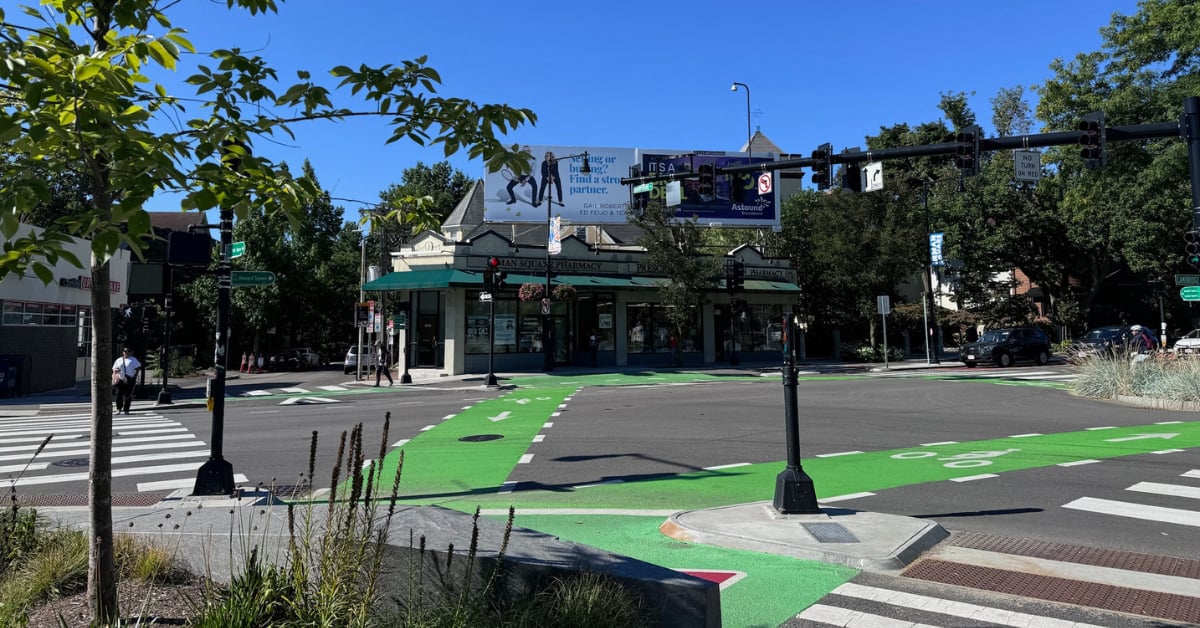
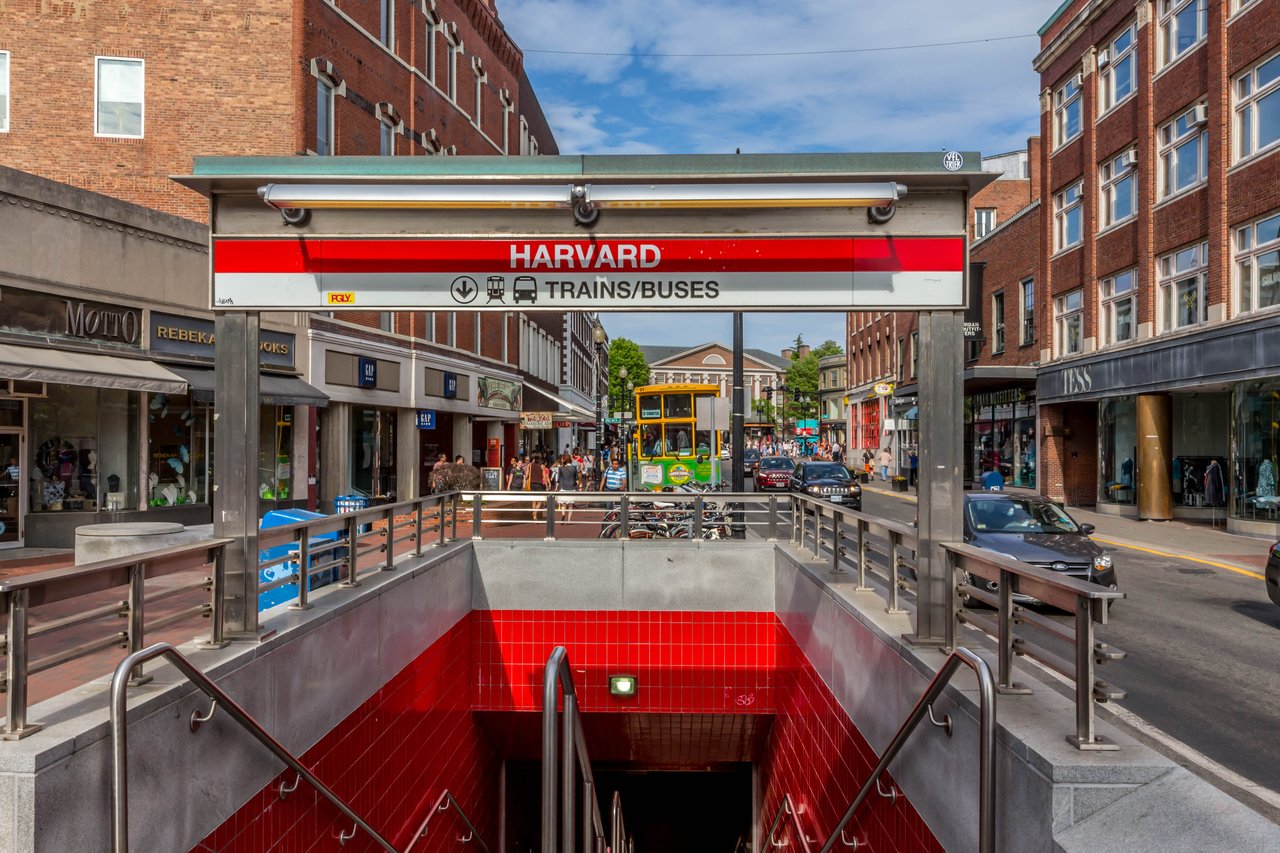
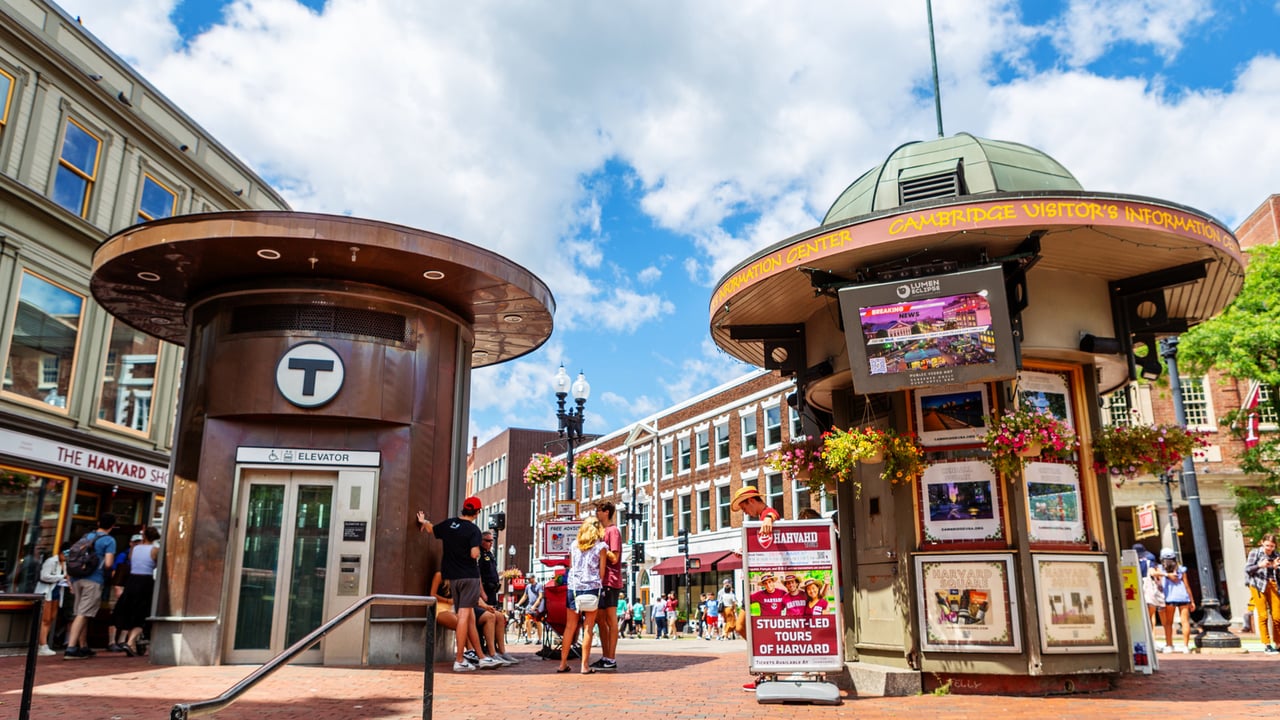
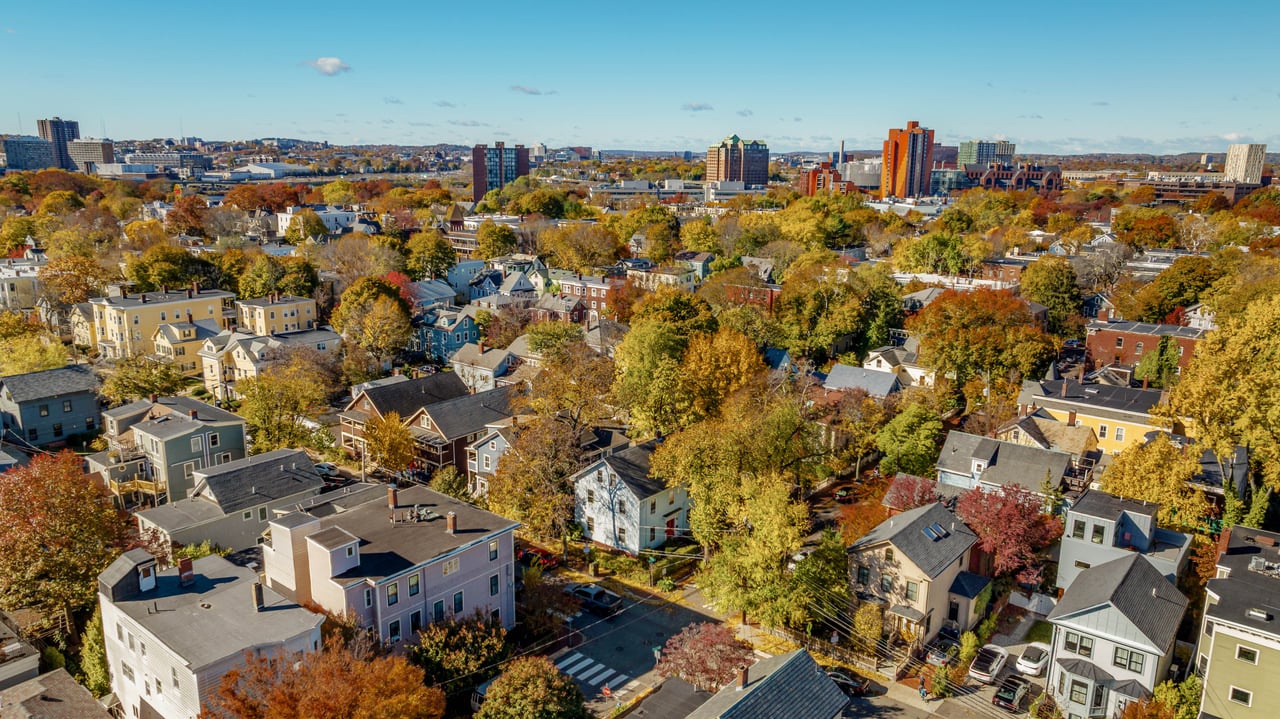
Harvard Square is not a generic condo market. It is a protected, mixed-use district with a strong pedestrian focus and direct Red Line access, and the area’s planning framework is designed to preserve its distinct character while allowing thoughtful change.
That matters when you shop for a condo here. In Harvard Square, the exact address can shape what kind of building you are buying into, what exterior changes may be reviewed, and what long-term upkeep may look like. A condo near Mount Auburn, Story Street, Bow Street, Winthrop Street, or Farwell Place can offer a very different ownership experience, even when all are marketed under the same Harvard Square label.
The location fundamentals are a major part of the appeal. The area is transit-rich, highly walkable, and active throughout the day, with the Harvard station serving about 19,000 riders boarding or exiting daily according to the Harvard Square Business Association.
What Historic Charm Usually Means
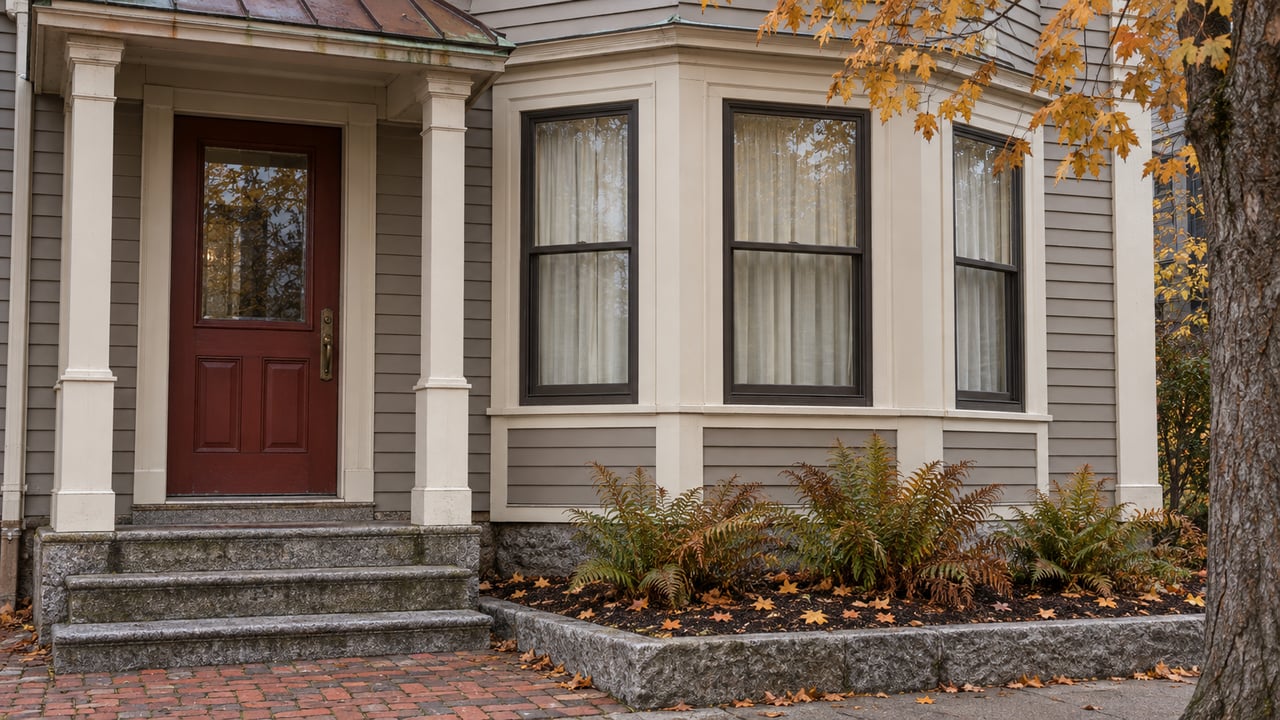
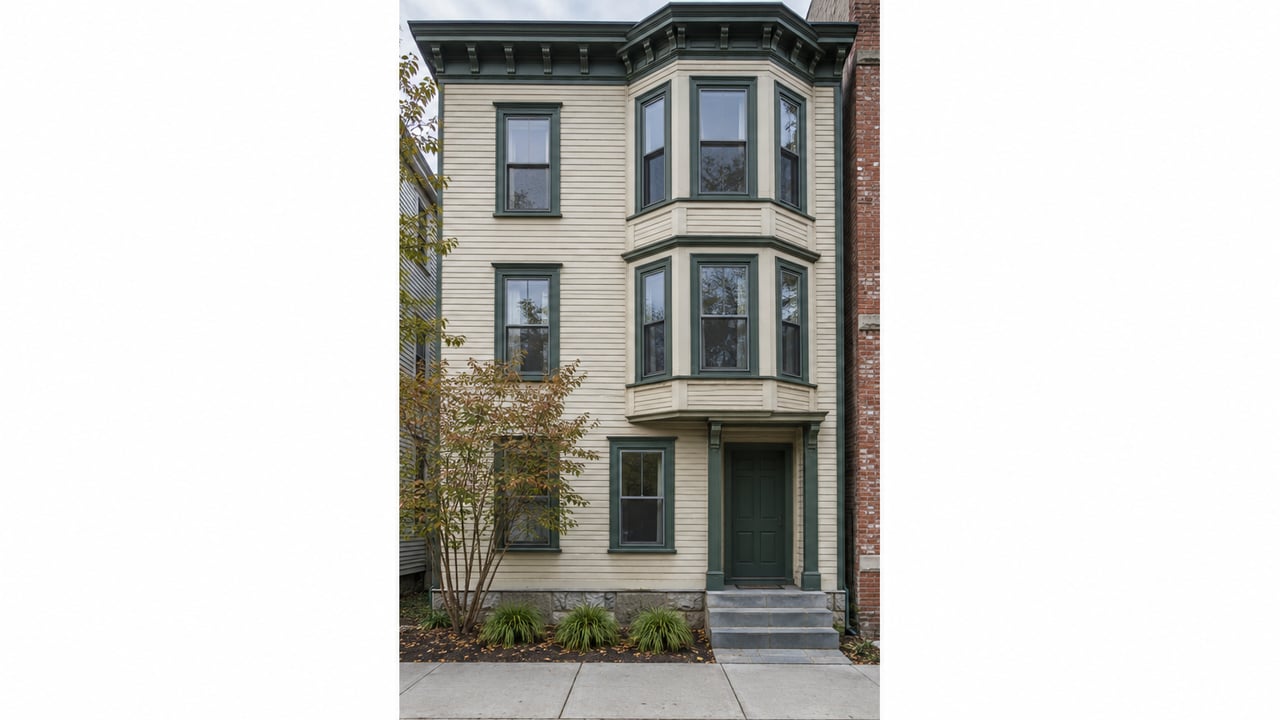
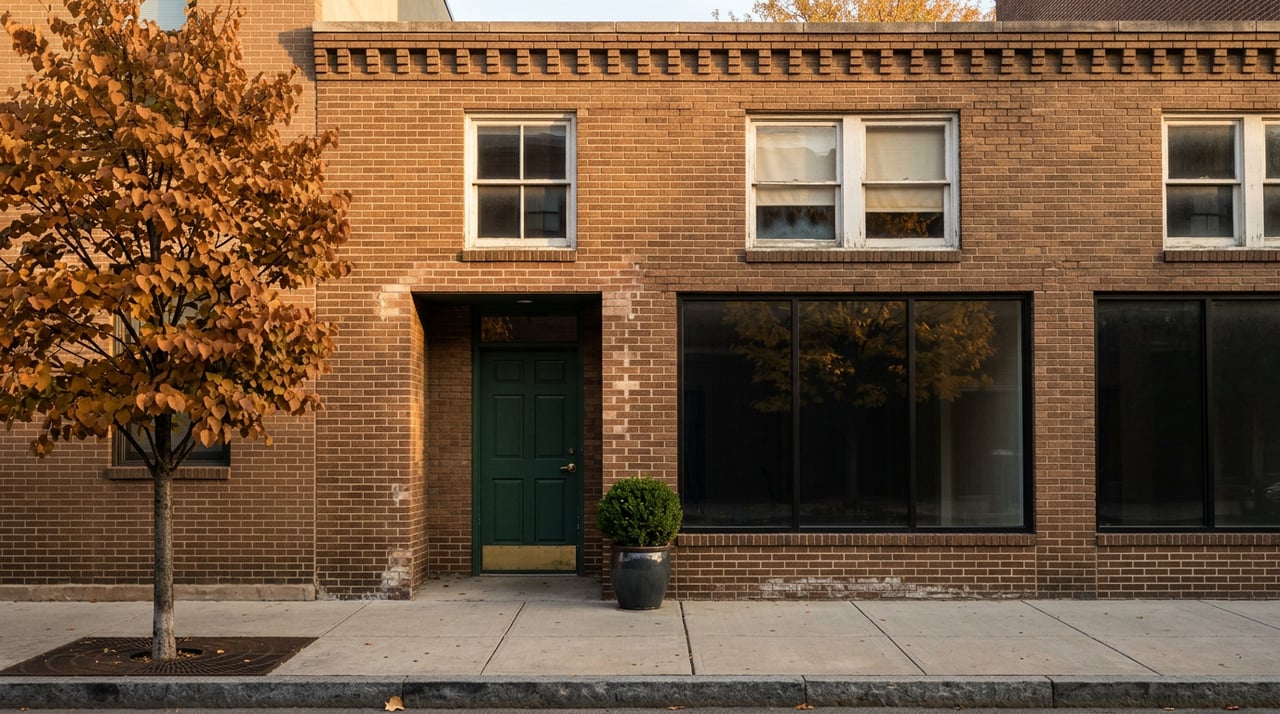
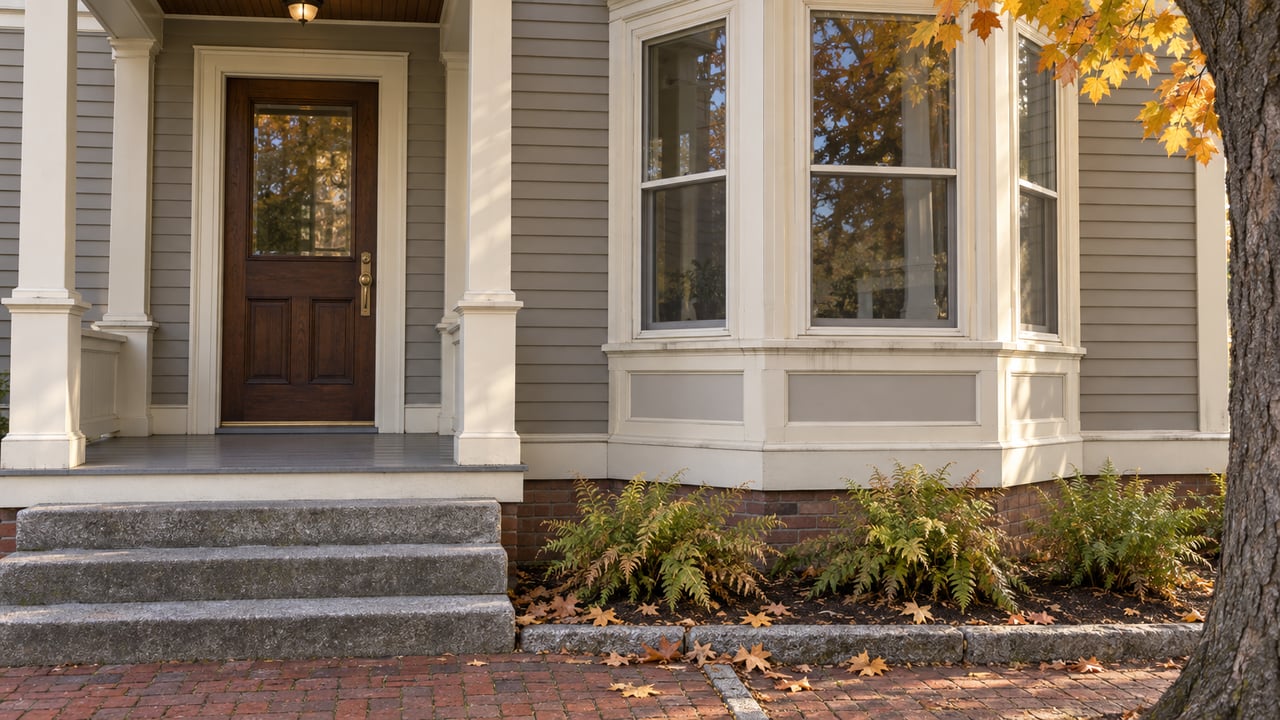
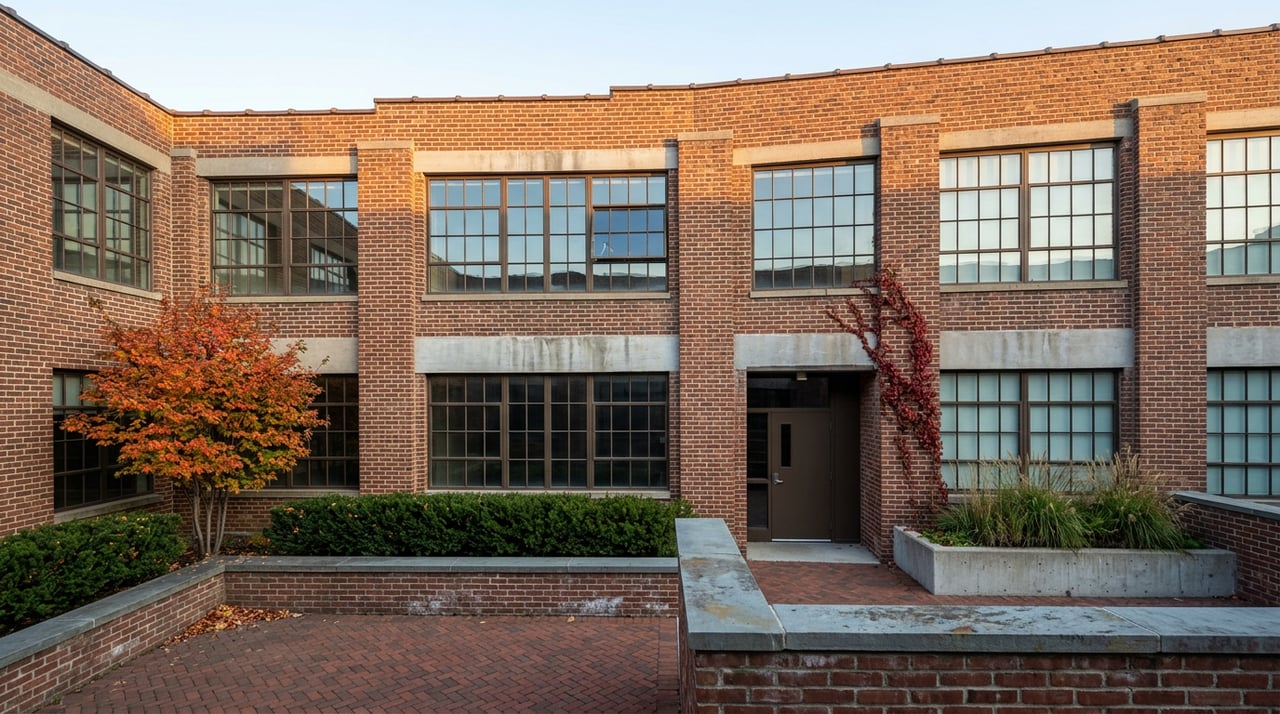
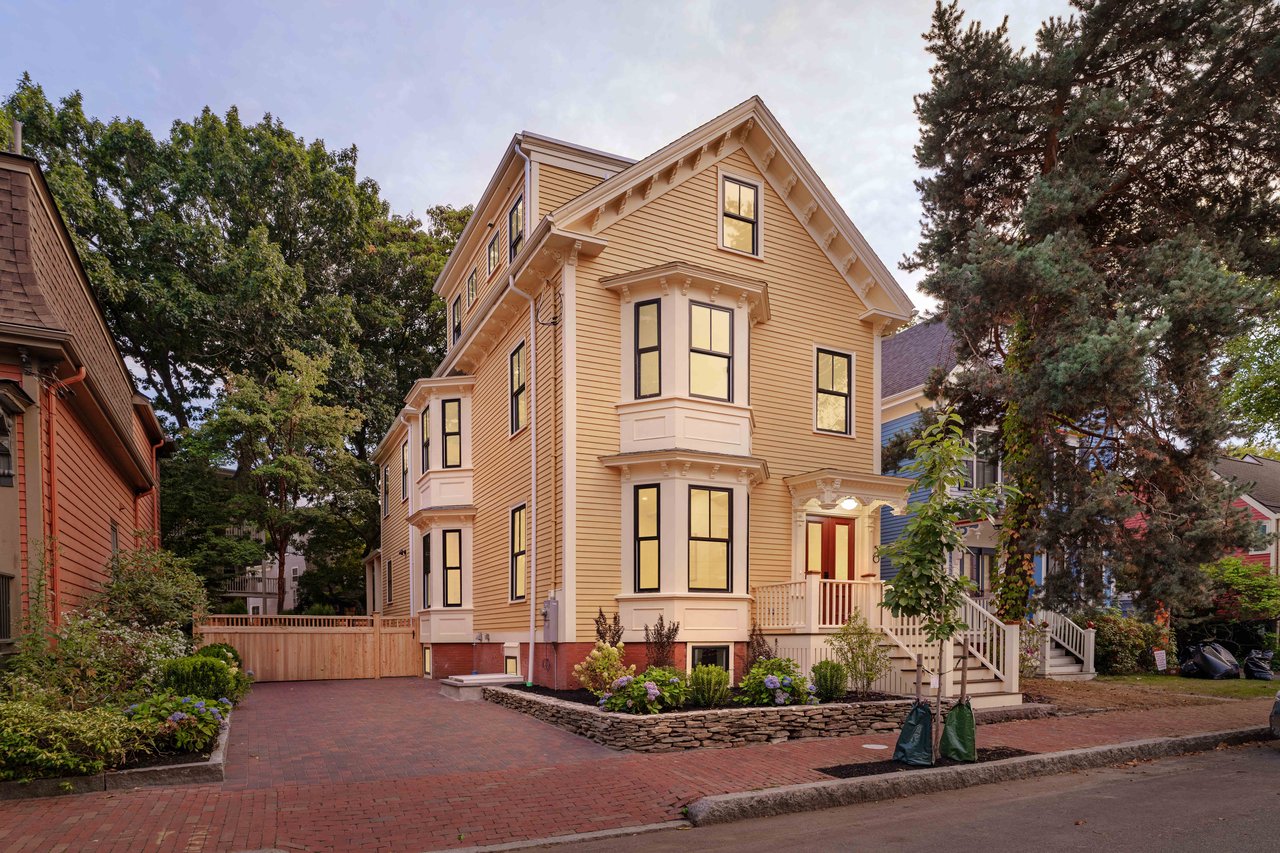
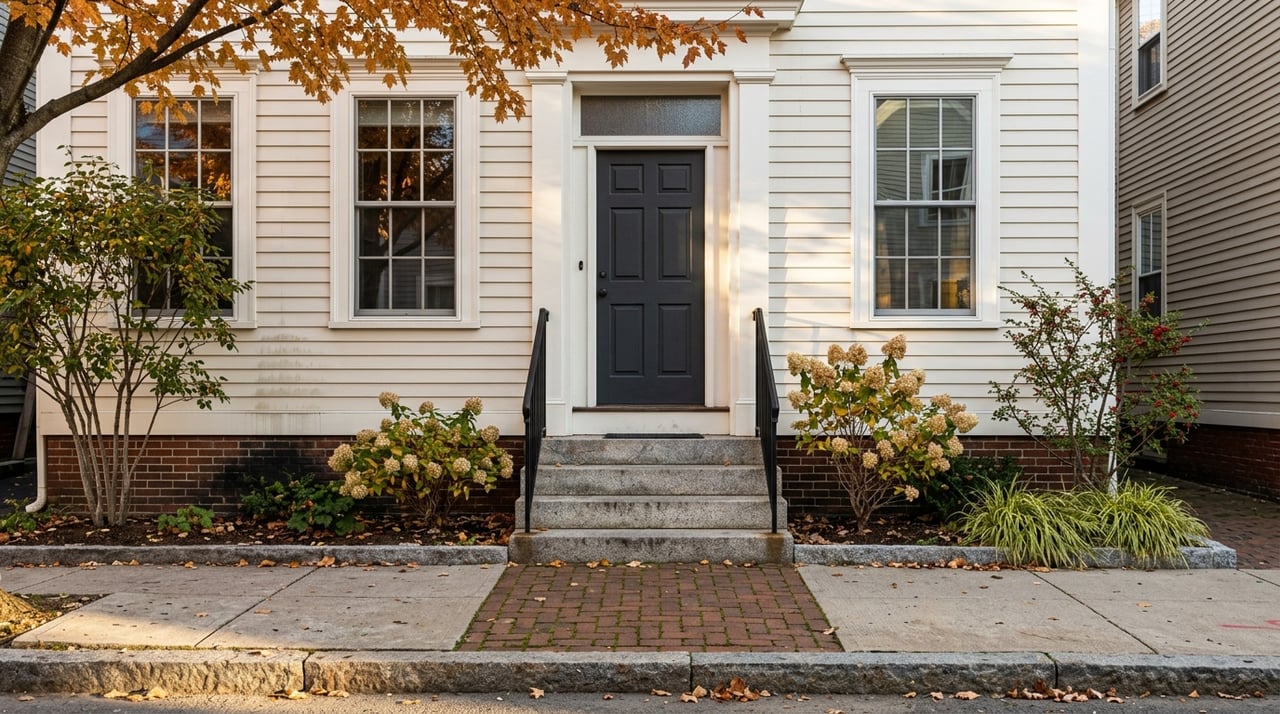
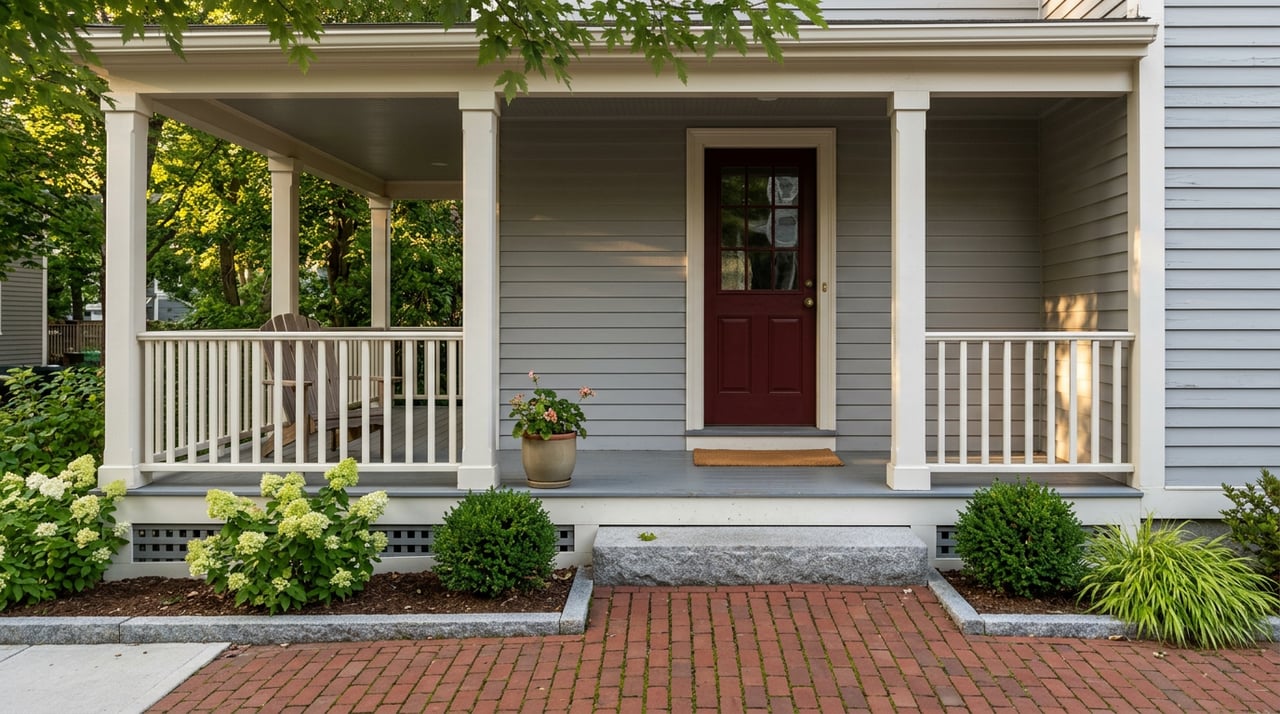
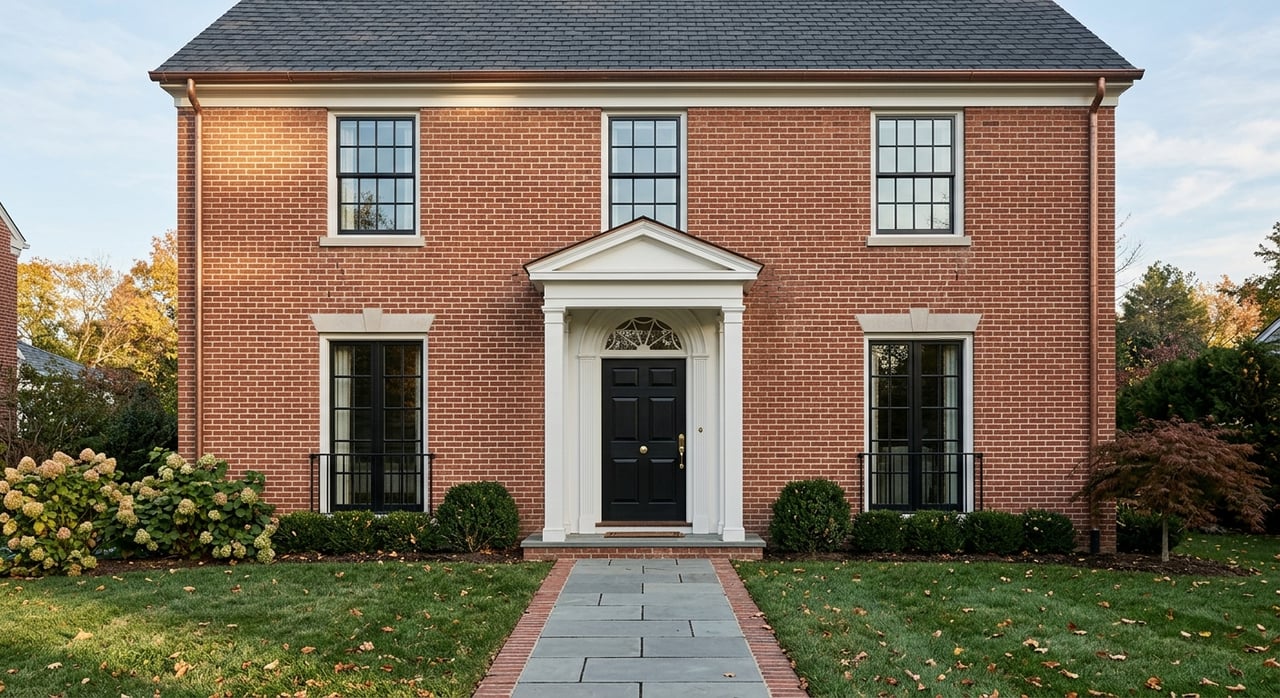
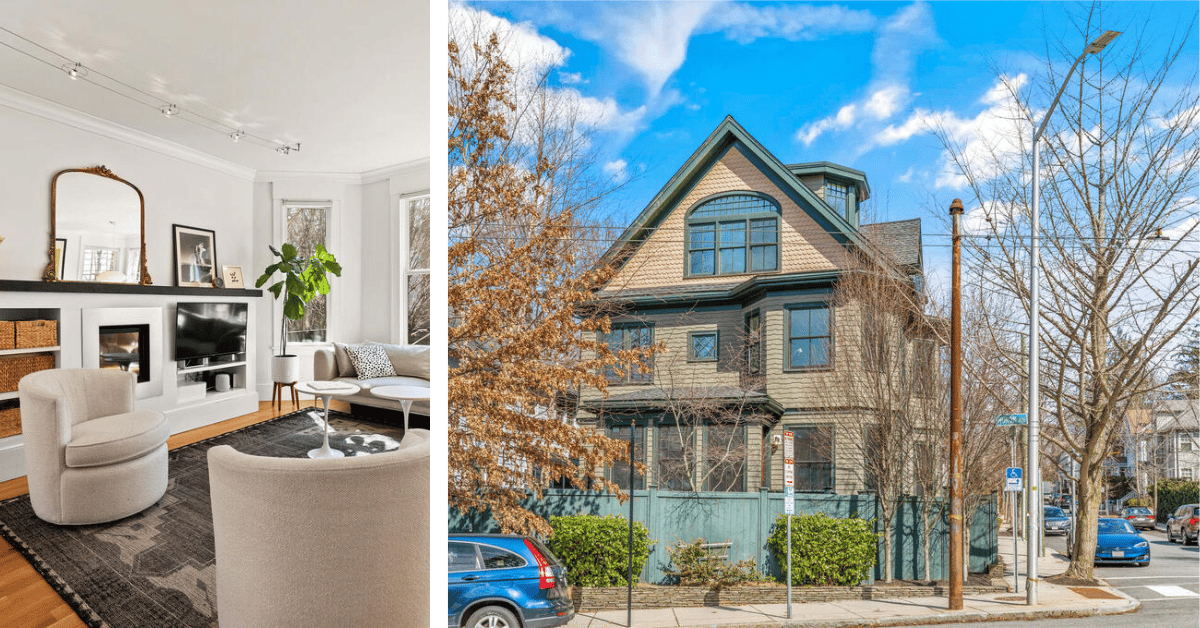
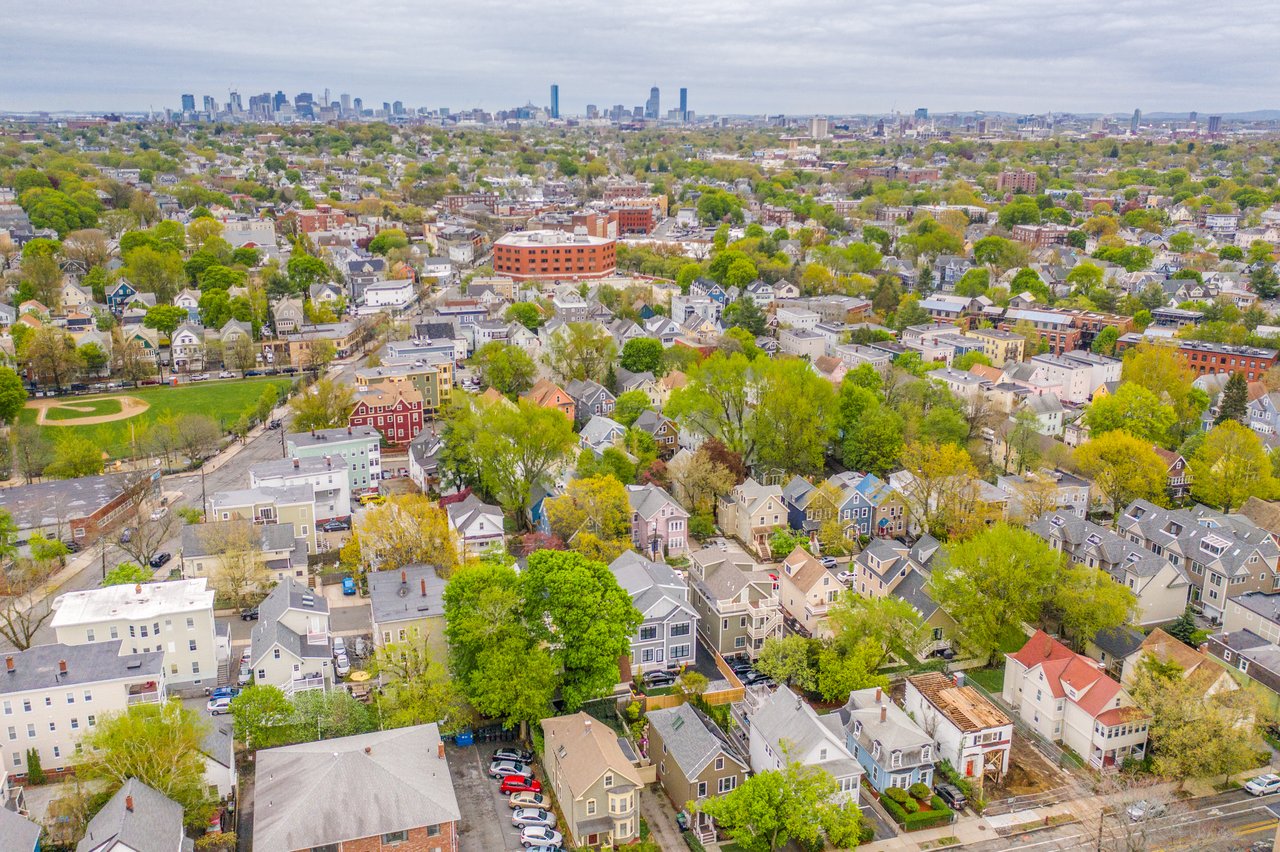
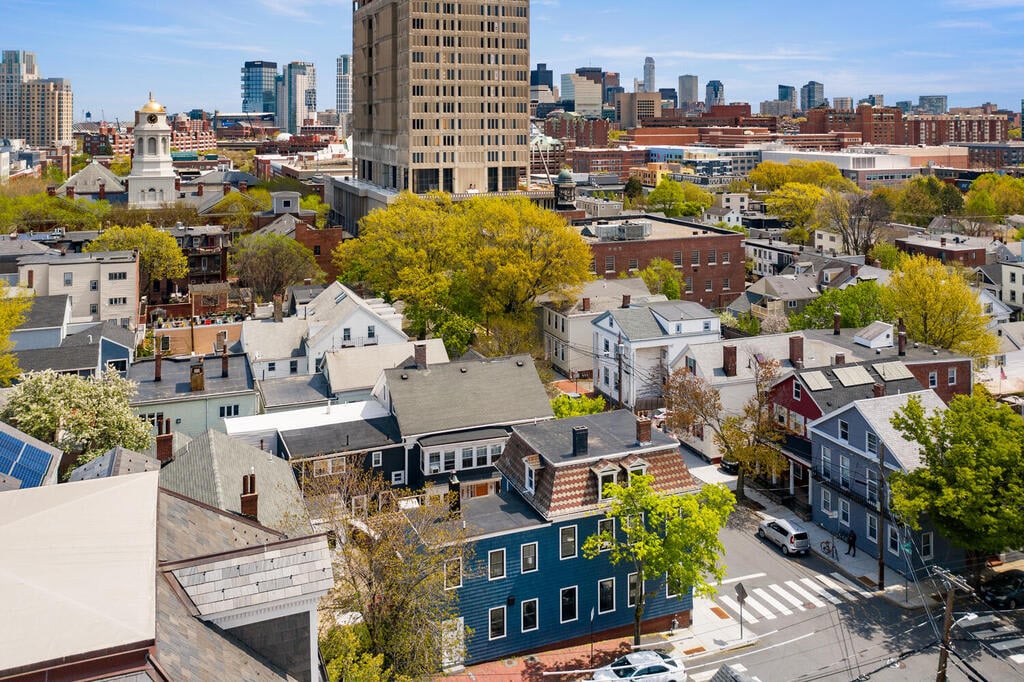
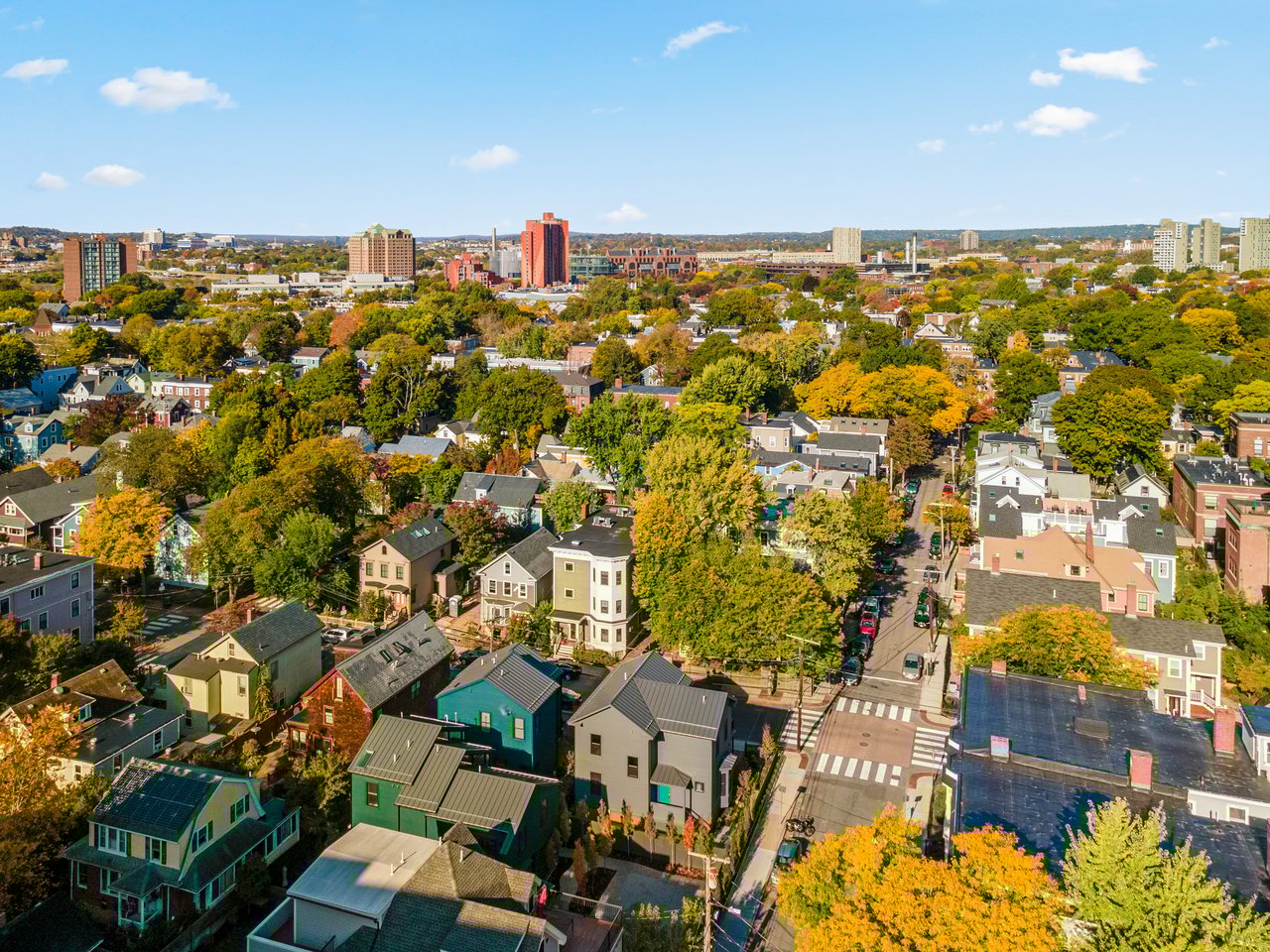
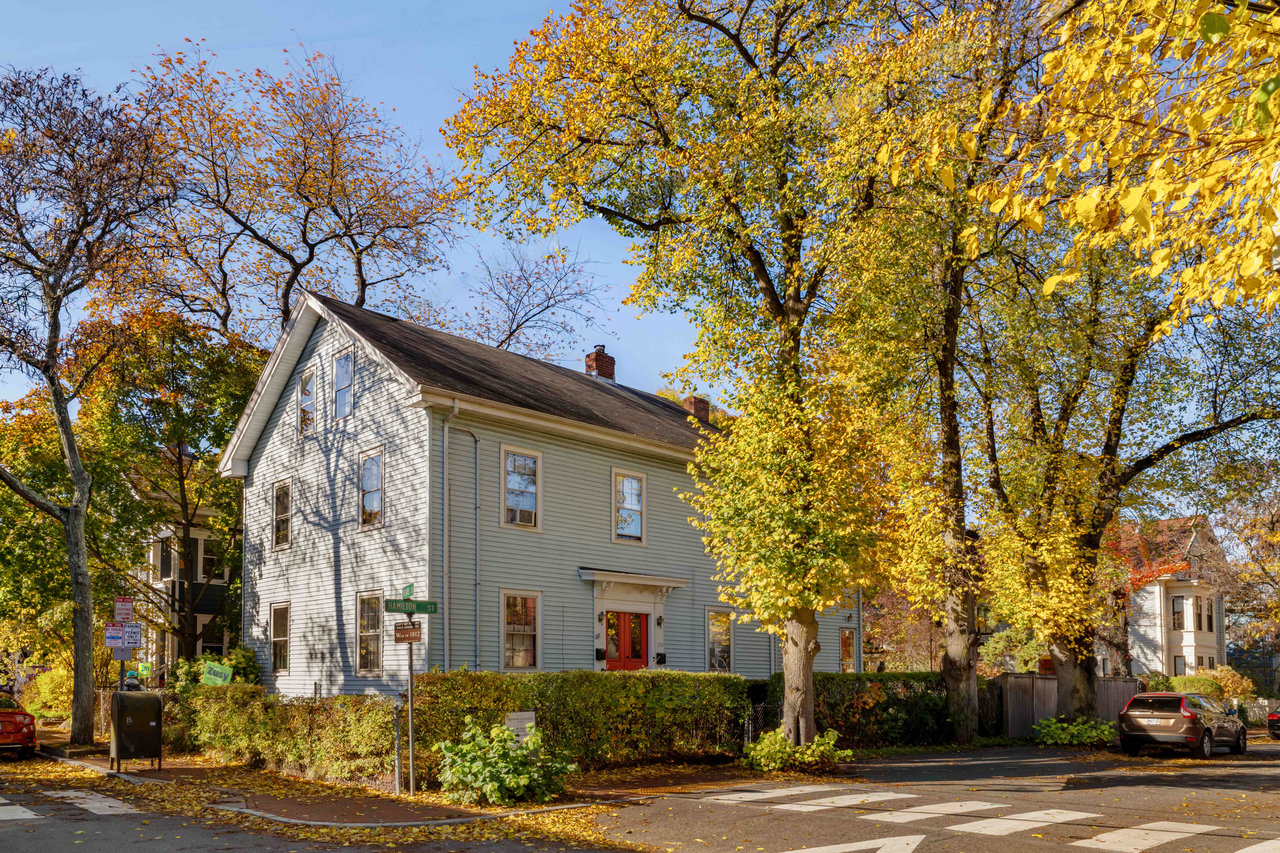
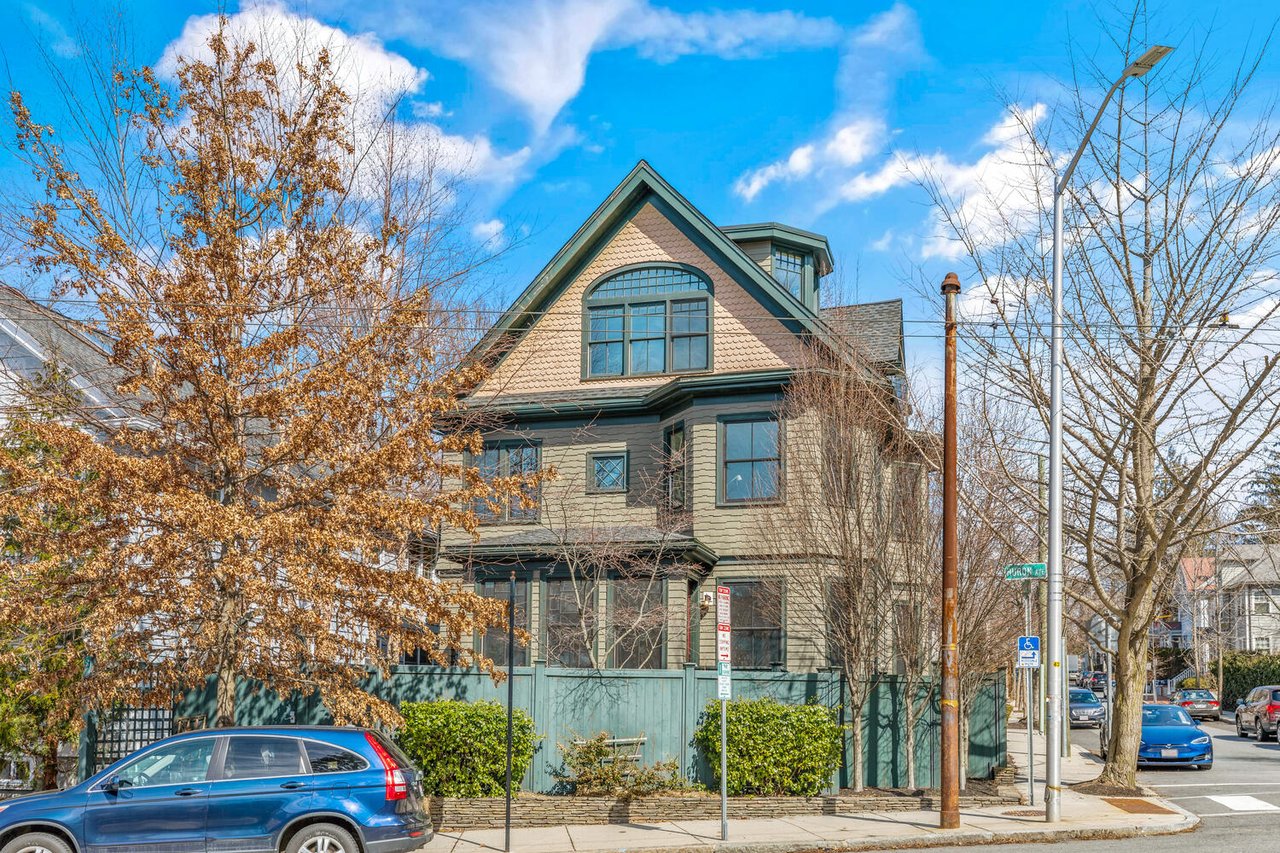
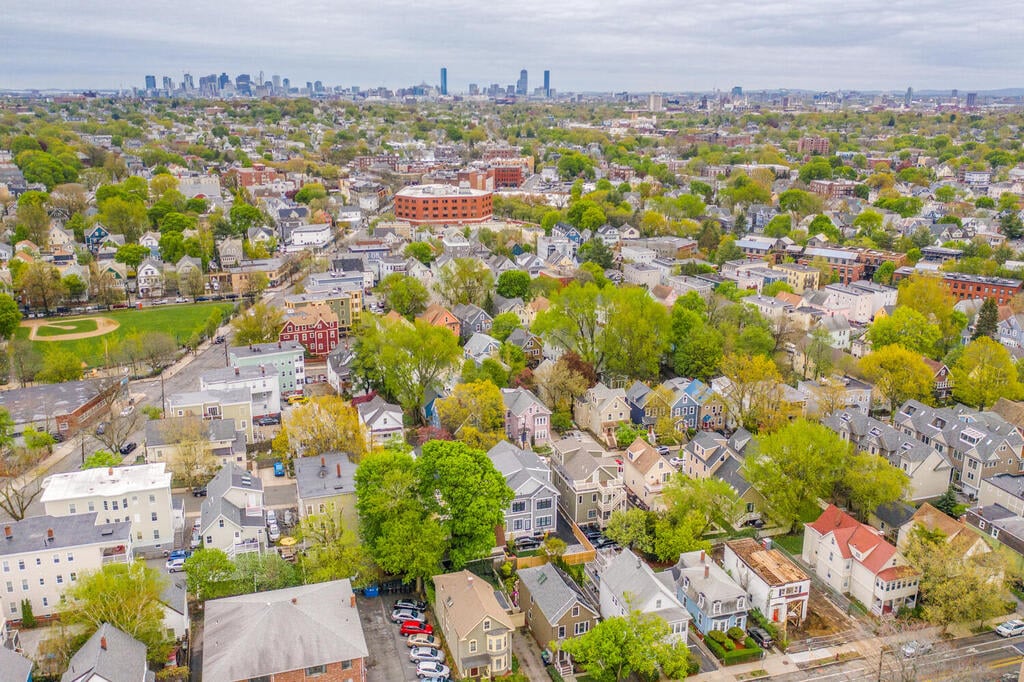
In Harvard Square, historic charm often starts with the building itself. Cambridge describes a mix of three- to five-story buildings built to the sidewalk, small-scale frame and brick rows, former residences that have been converted to commercial use, triple-deckers, and wood-frame houses on nearby streets.
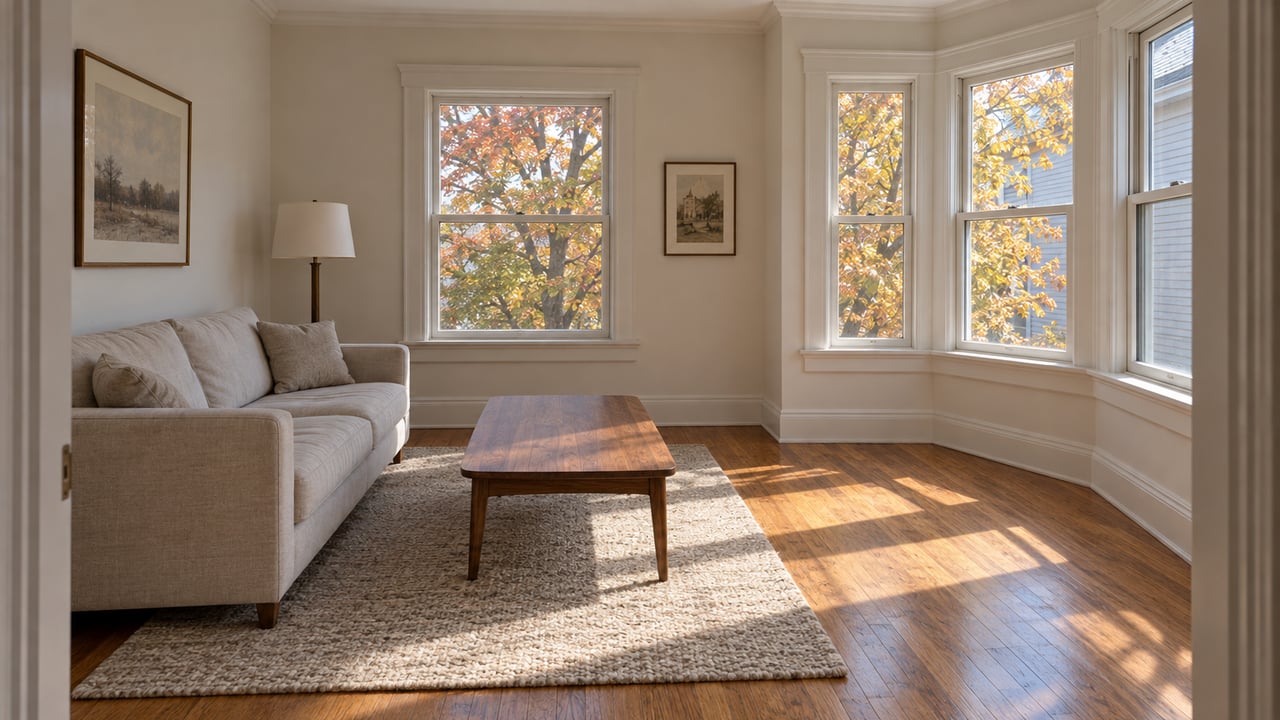
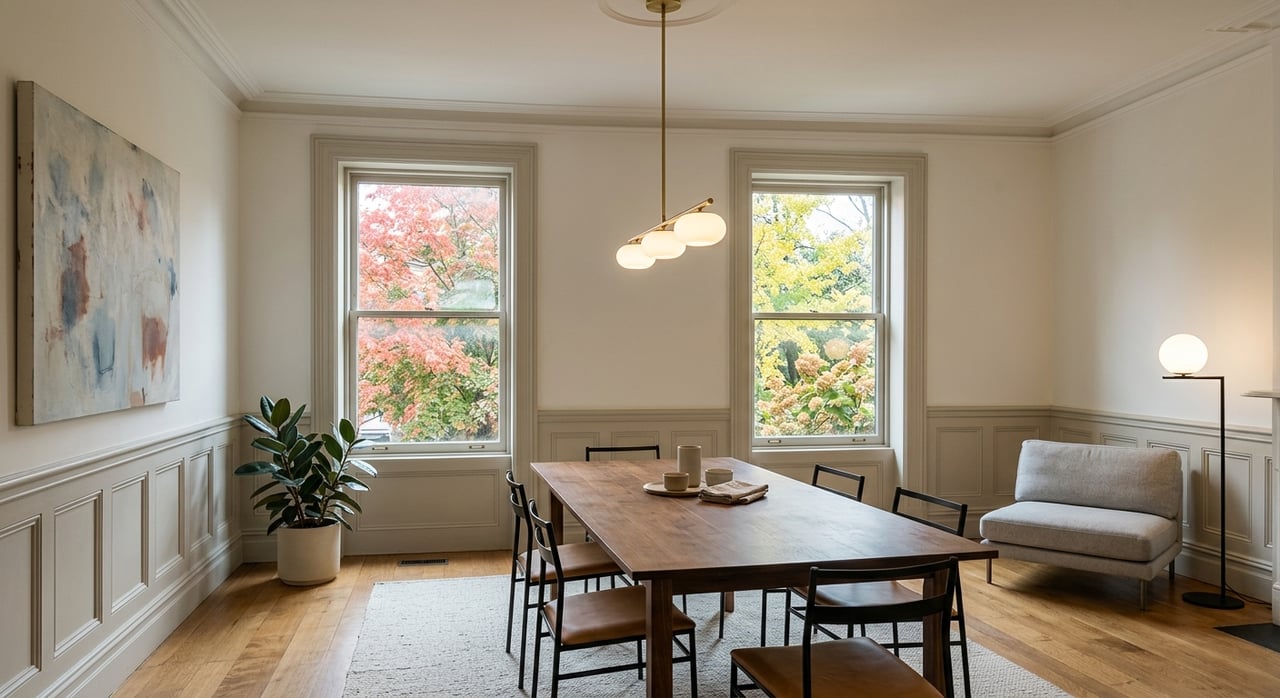
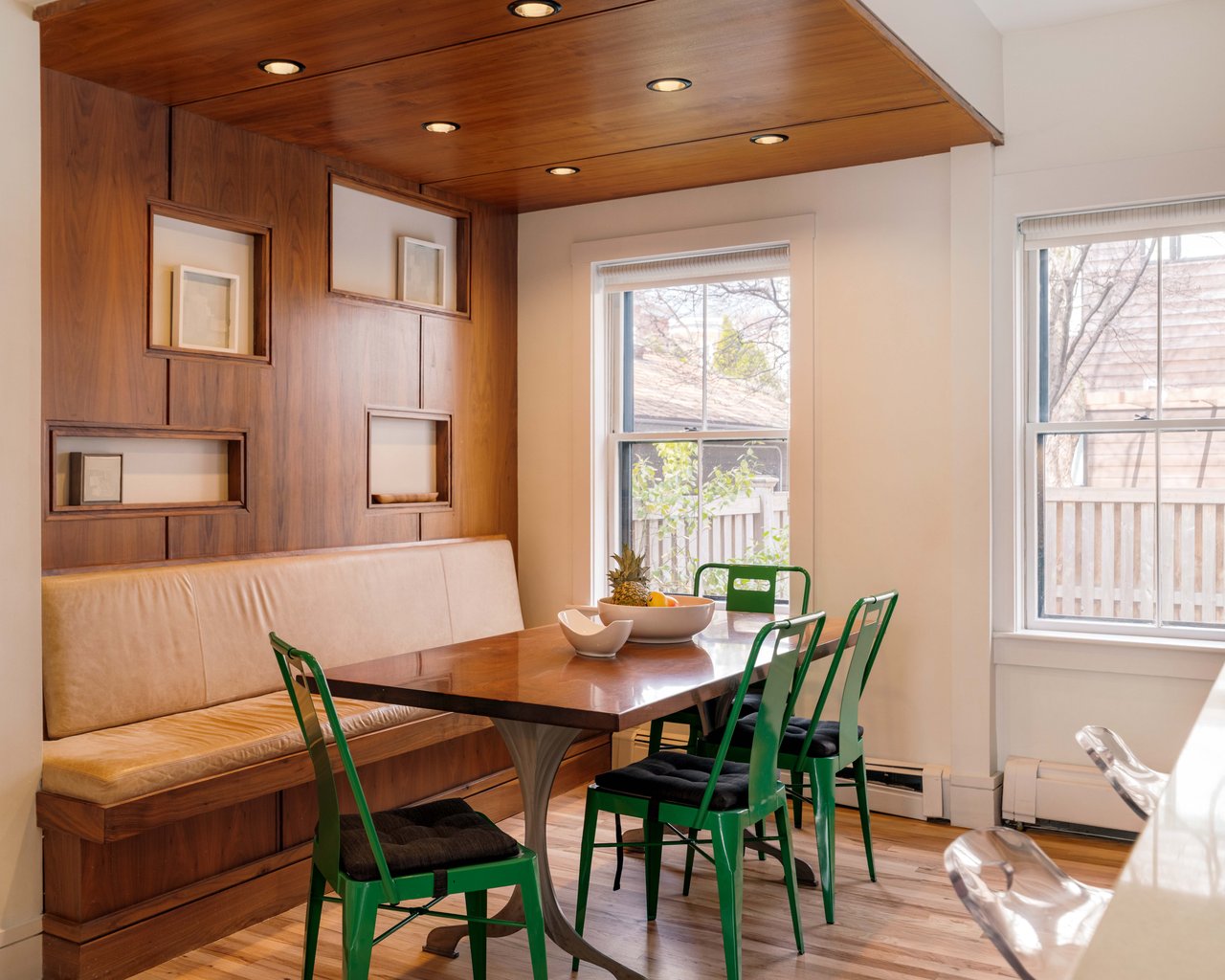
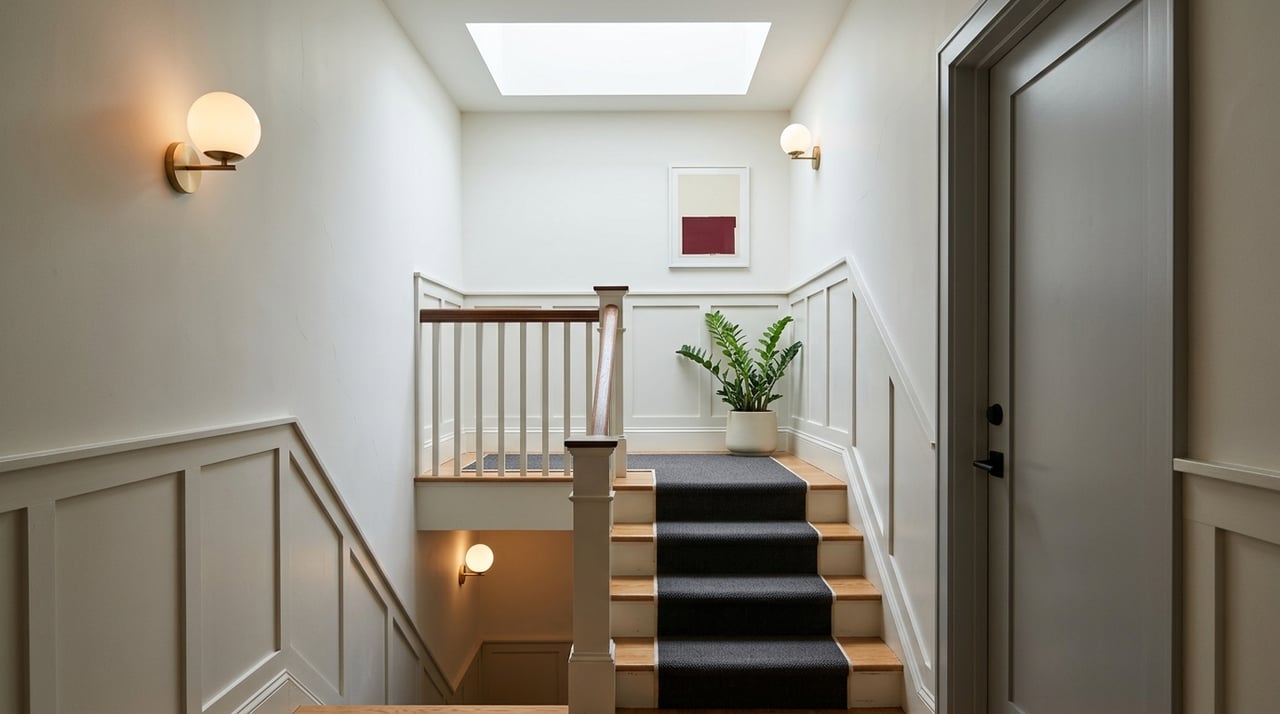
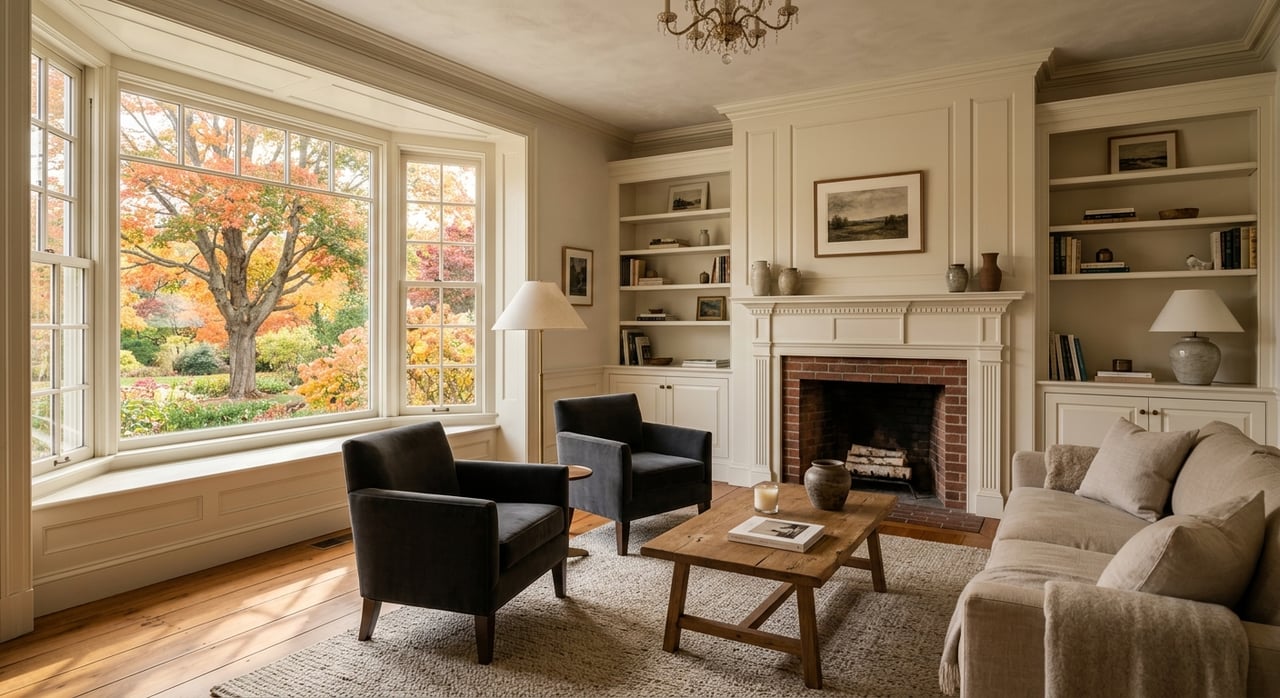
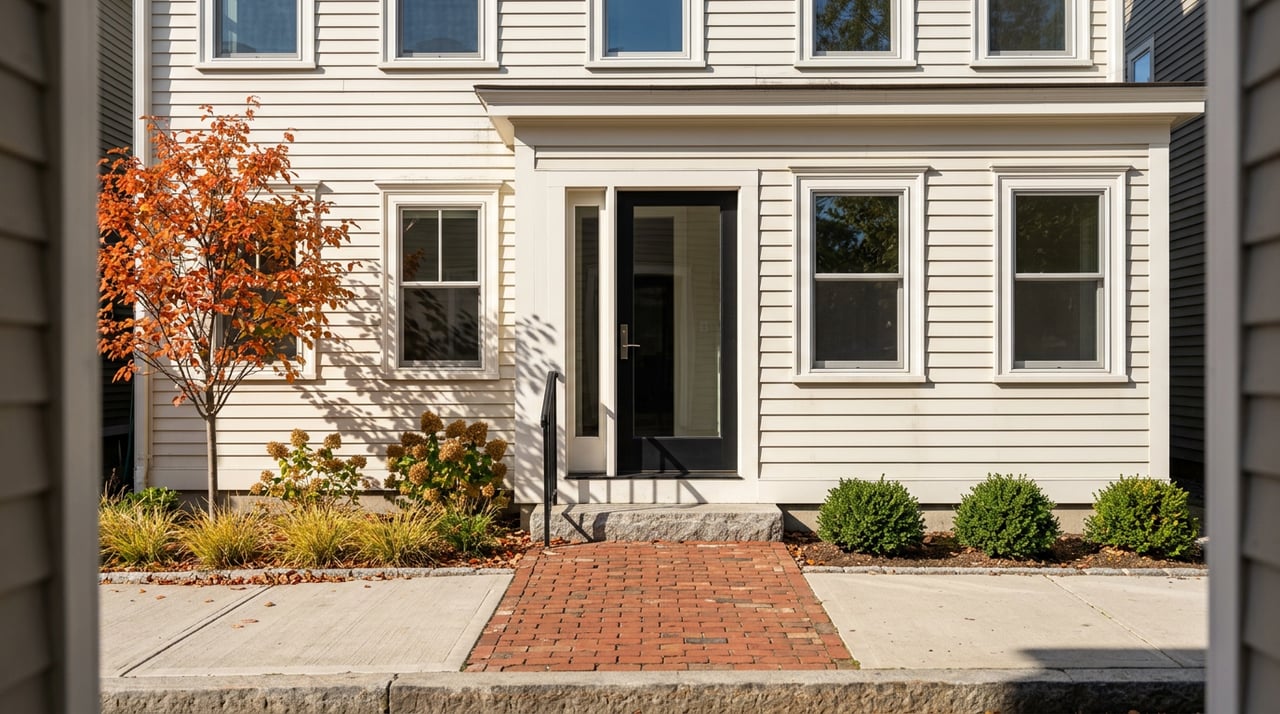
For you as a buyer, that often translates to more variation. Older condos may have less standardized layouts, different room proportions, distinctive stair patterns, and more original detail than a newer building. That variety can be part of the appeal, especially if you want a home that feels more individual than uniform.
There is also a strong sense of place in these buildings. The streetscape tends to feel smaller in scale and more textured, which is part of what makes Harvard Square so recognizable and so enduring.
The Appeal of Older Buildings
A historic condo may be a strong fit if you value:
- Architectural detail
- A distinctive building identity
- Smaller-scale streets and classic Cambridge textures
- A home that feels tied to the history of the area
For many buyers, that emotional pull is real. You are not just buying a unit. You are buying into a setting that has been shaped over decades.
The Trade-Offs to Expect
Historic character usually comes with more rules and more upkeep awareness. In the conservation district, visible exterior alterations are subject to review, demolition is regulated, and the city’s goals favor retention and repair over replacement.
That means if you are imagining big exterior updates, you will want to understand the process early. Cambridge also notes that improper masonry work can damage a building’s appearance, and older wood windows are considered important parts of historic character. In practical terms, charm often comes with a more deliberate maintenance and approval environment.
What Modern Ease Usually Means
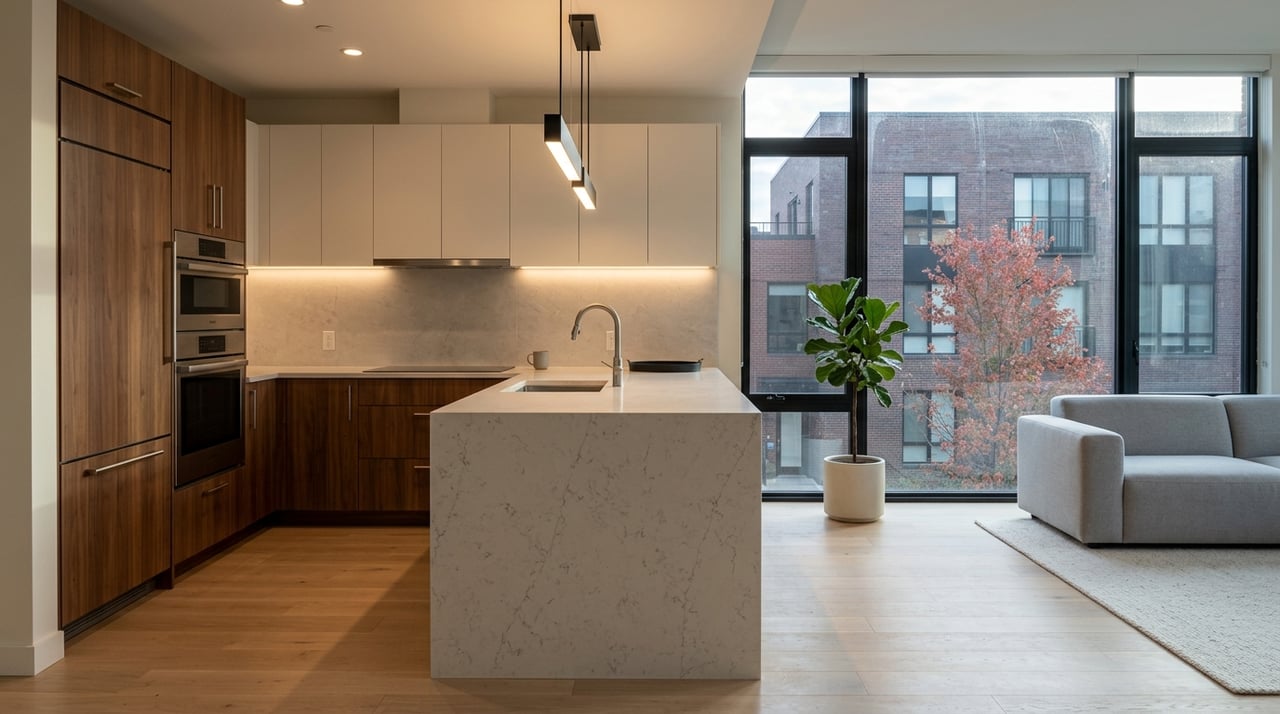
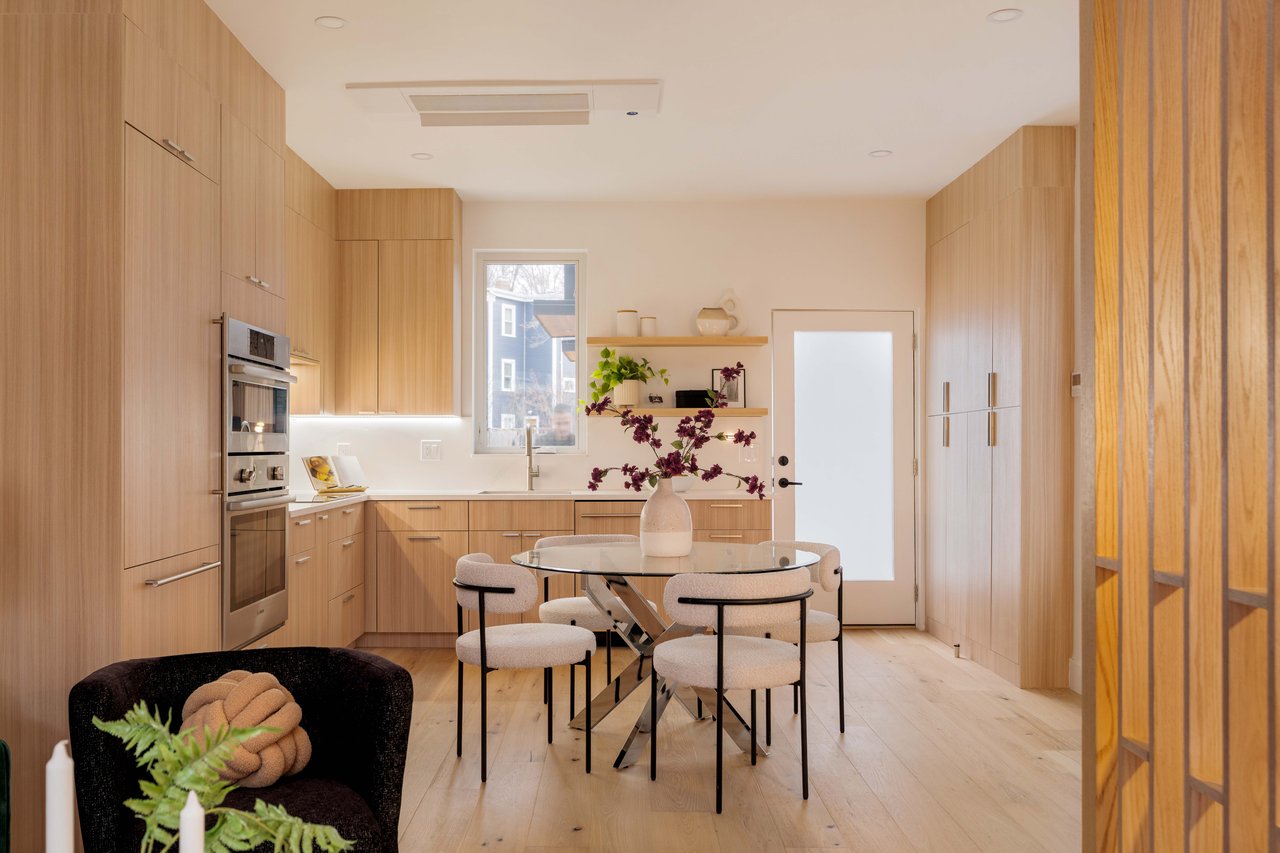
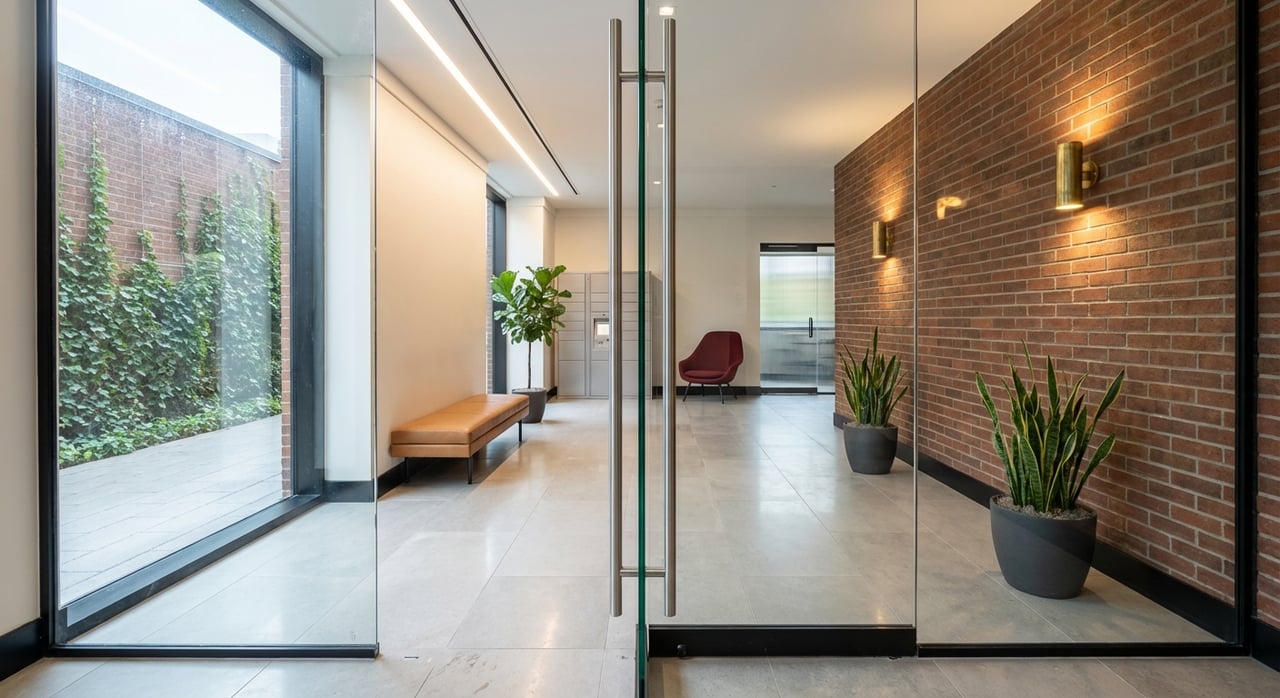
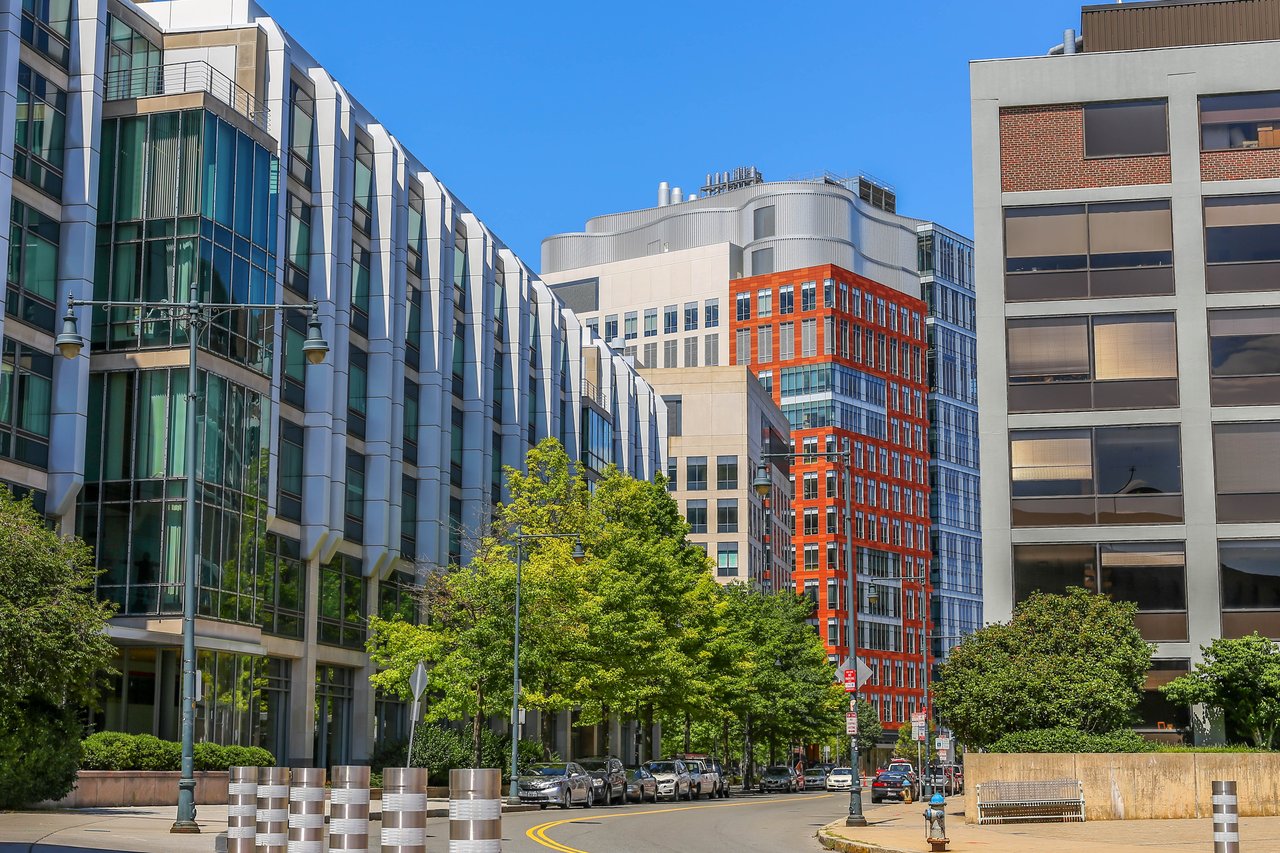
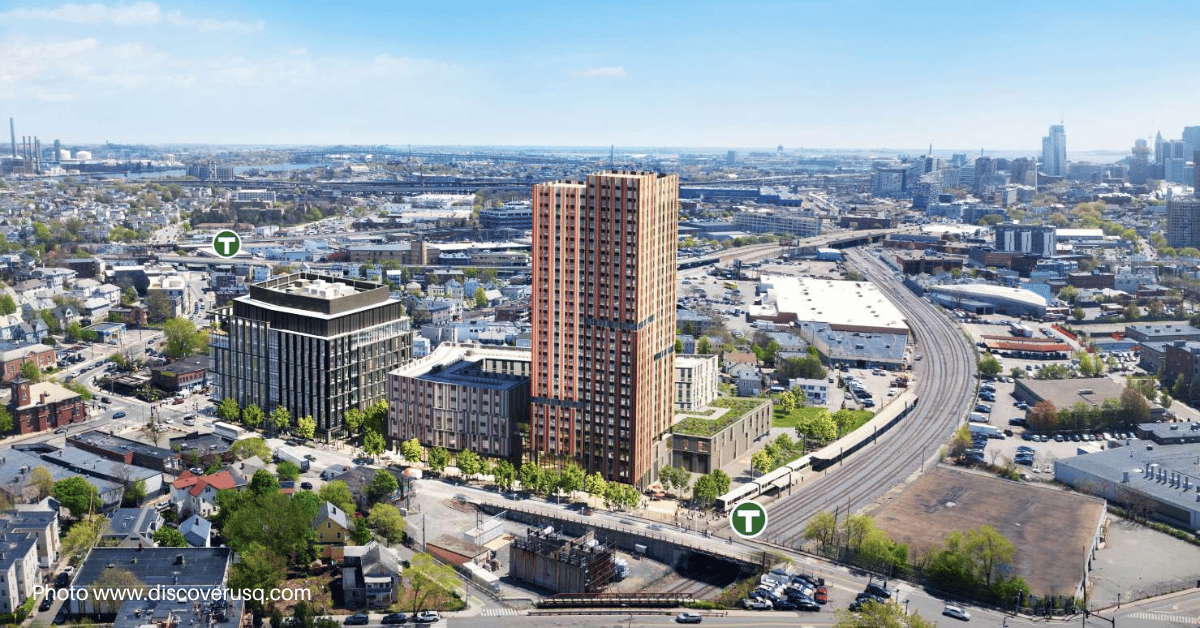
When buyers picture a more convenient condo lifestyle, they are often thinking about simpler systems, easier circulation, and a more predictable day-to-day experience. In Harvard Square, modern options do exist, but they are usually not large towers or massive new complexes.
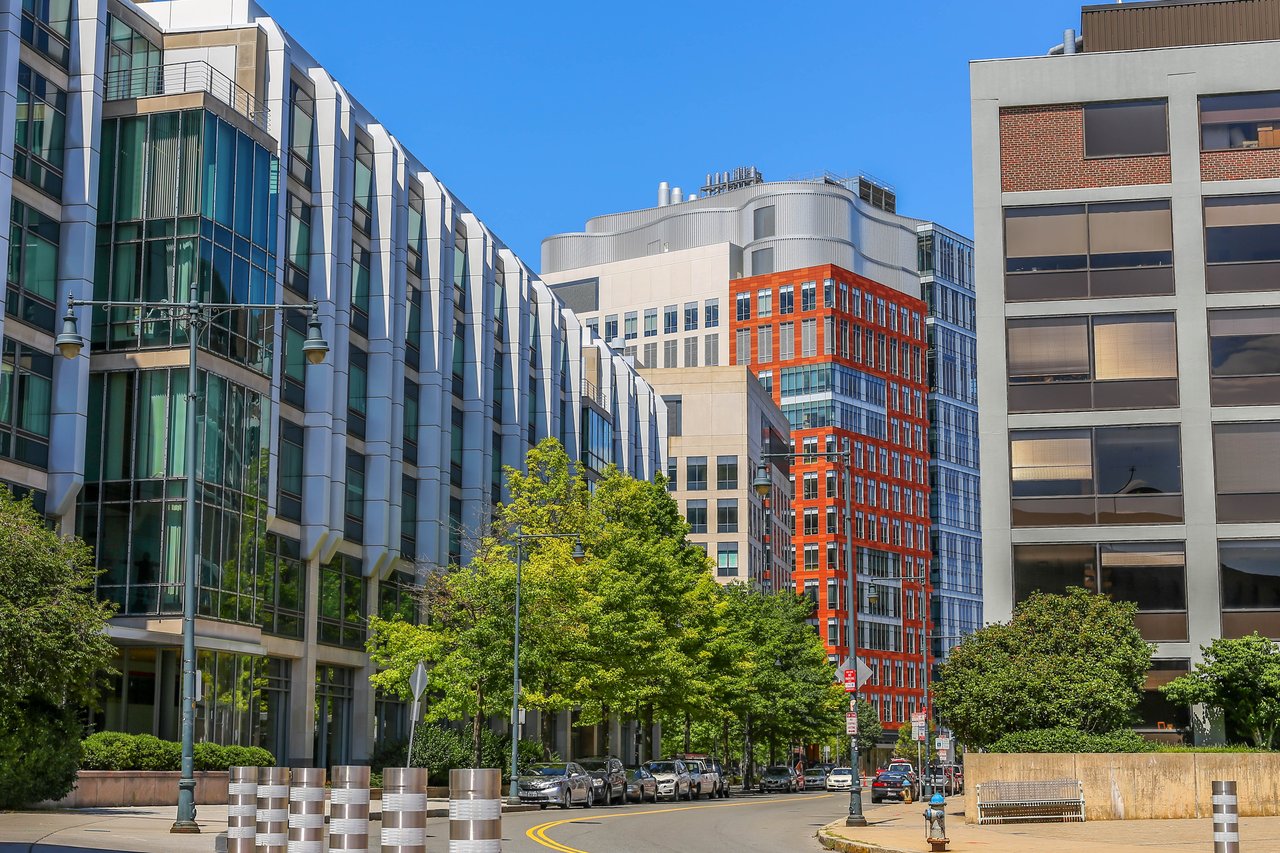
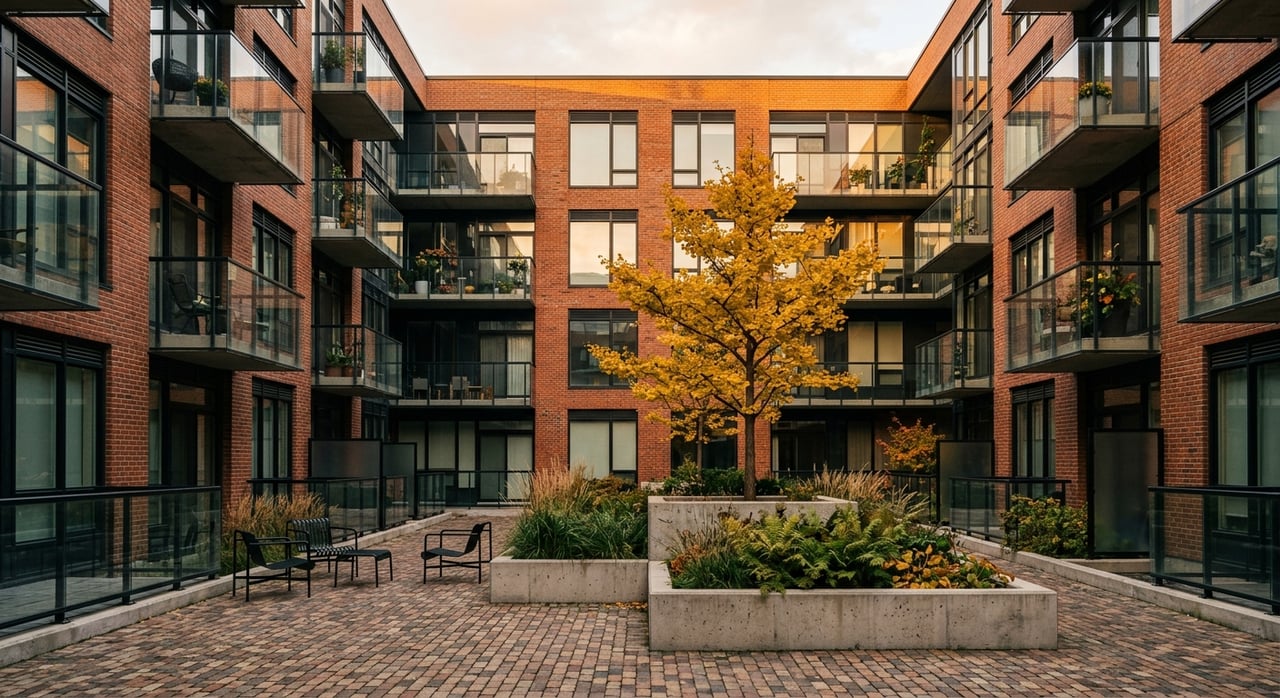
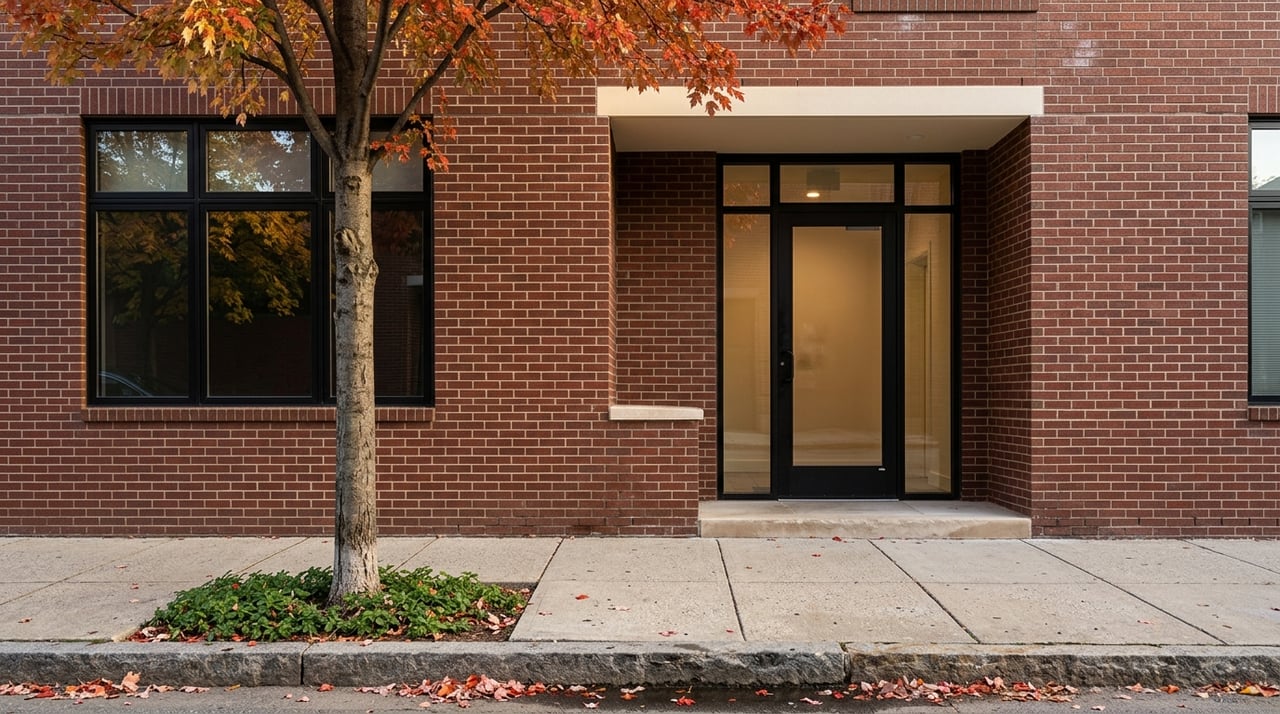
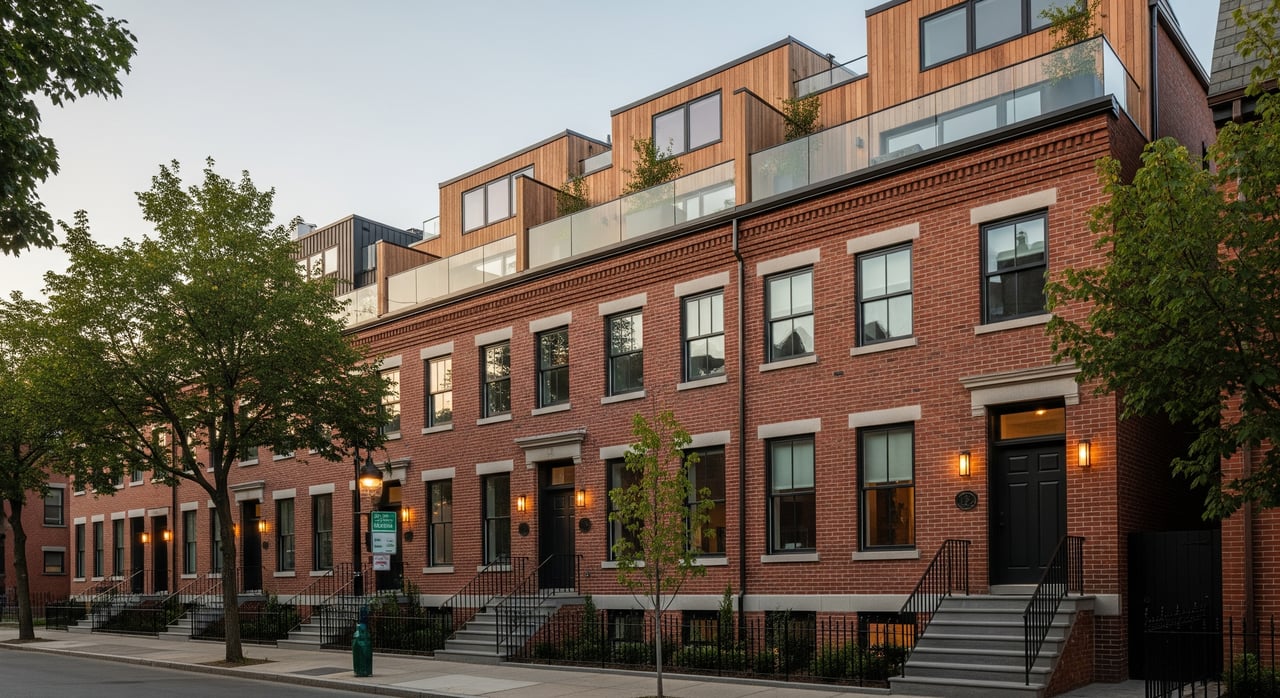
Cambridge’s planning guidance points toward smaller-scale, incremental change. Newer condo options in or near Harvard Square are therefore more likely to be boutique infill projects or adaptive reuse developments that work within the area’s established scale and character.
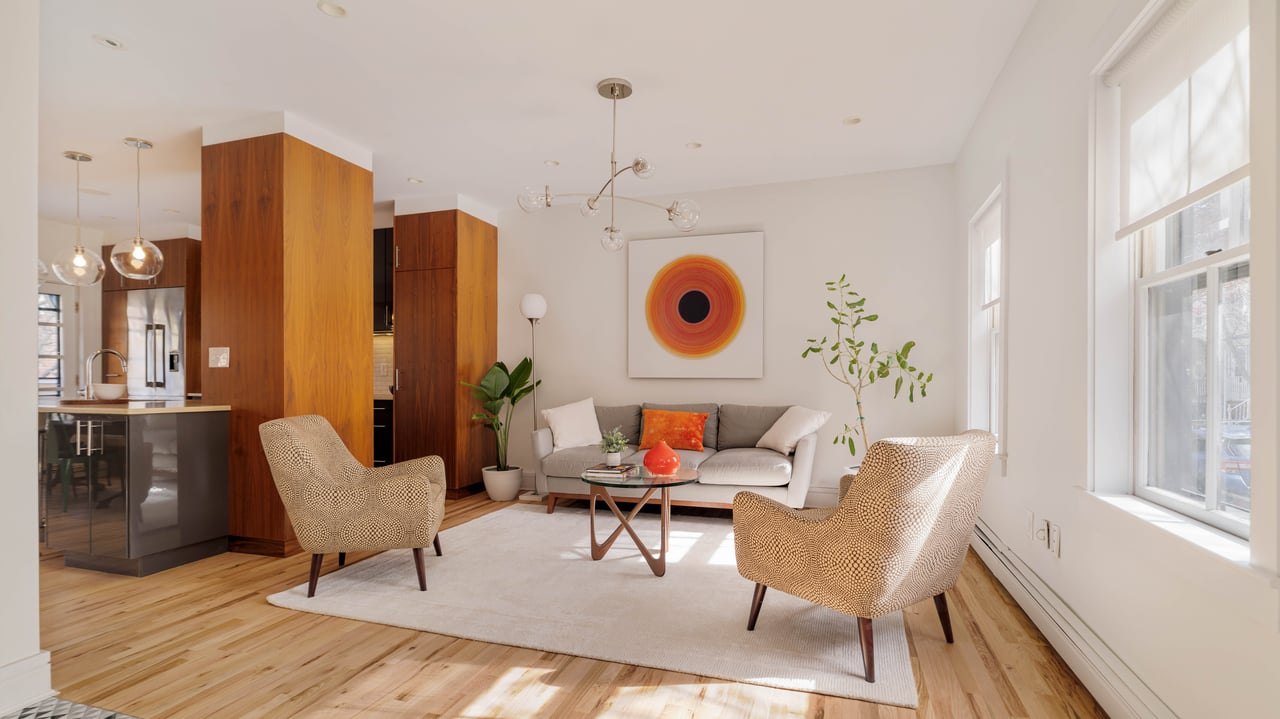
That is an important distinction. Modern ease here often means thoughtful updates and more standardized living, not a completely detached-from-context new-build environment.
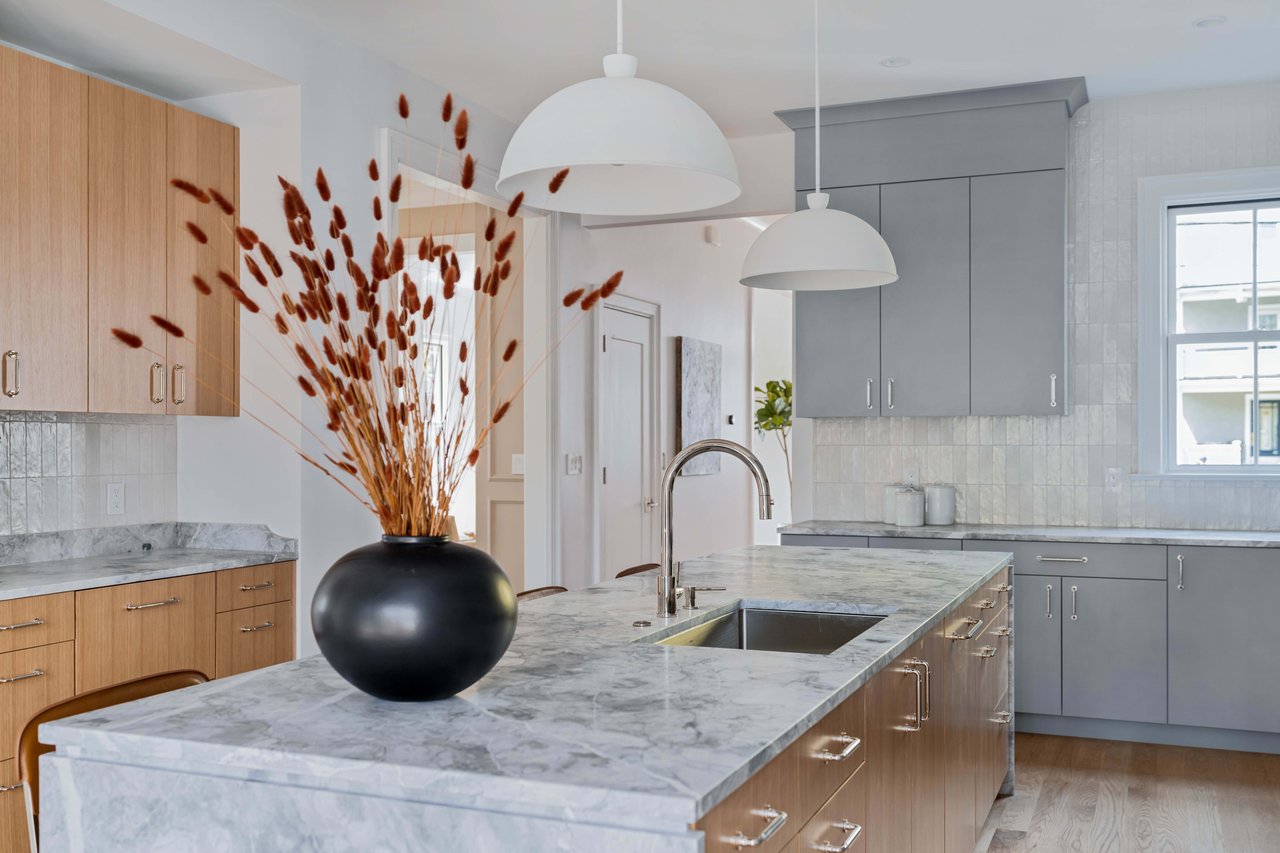
What Buyers Often Like About Newer Condos
A newer or more recently redeveloped condo may appeal to you if you want:
- A more predictable building package
- More standardized systems
- Easier daily routines
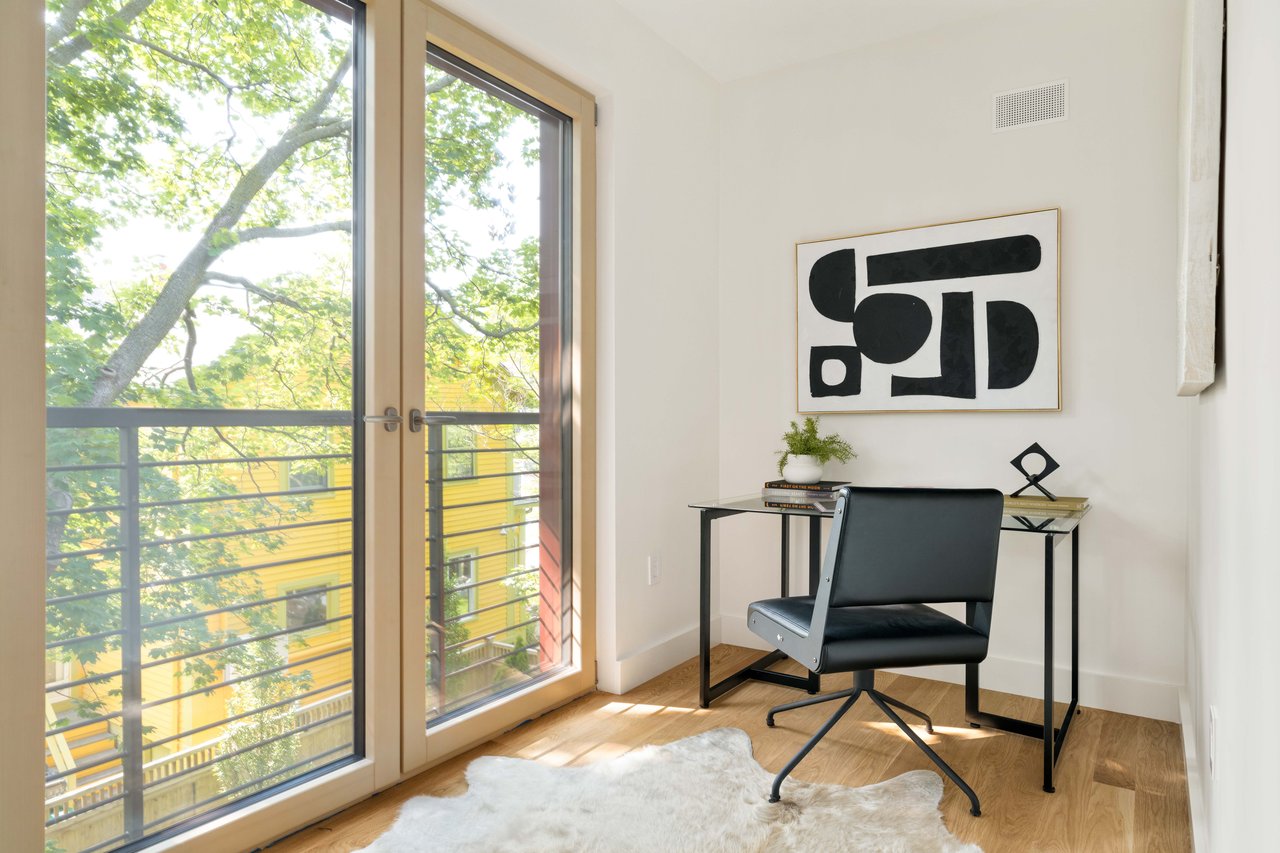
- Features that may support accessibility or simpler circulation
That said, details still need to be confirmed building by building. If elevator access or a particular amenity matters to you, it is worth verifying rather than assuming.
Why “Modern” in Harvard Square Is Still Contextual
One of the most interesting things about Harvard Square is that even newer projects are expected to relate to what is already there. Cambridge evaluates new construction based on height, scale, massing, proportions, materials, shadow, and how it relates to nearby buildings and open space.
So if you want a more contemporary condo, you may still find that it feels very Cambridge. That balance can be a real advantage for buyers who want convenience without losing the neighborhood’s historic identity.
The Real Question: How Do You Want to Live?
The best choice is usually less about age alone and more about your routine, tolerance for unknowns, and design preferences. A historic condo may give you more architectural texture and individuality, while a newer condo may offer a more streamlined ownership experience.
Here is a simple way to think about the trade-off:
| Priority | Historic Condo | Newer Condo |
|---|---|---|
| Building character | Often stronger and more distinctive | Often more restrained or contemporary |
| Floor plan consistency | Usually less standardized | Usually more standardized |
| Exterior change flexibility | Often more limited due to review | Still depends on project, but may be more straightforward |
| Day-to-day predictability | Can vary more by building age and condition | Often more predictable |
| Neighborhood feel | Deeply tied to traditional Harvard Square fabric | Often blends modern living with contextual design |
Neither side is automatically better. The right answer depends on what matters most to you once you move in.
Why Condo Documents Matter So Much
In Harvard Square, the condo documents can tell you as much as the showing does. Budget strength, reserves, pending capital work, and the possibility of special assessments can have a major effect on your ownership costs and long-term comfort.
This is especially important in older buildings, where exterior repair and preservation may require careful planning. But newer buildings are not exempt from scrutiny. Even when finishes look polished and systems feel newer, the association’s financial planning still matters.
If you are deciding between historic charm and modern ease, ask the practical questions early:
- How strong are the reserves?
- Are there any pending special assessments?
- What major repairs or replacements are expected?
- How has the association handled maintenance over time?
- Are there any known limits on exterior changes or upgrades?
These details can shape your real cost of ownership far more than countertop materials or staging ever will.
Why the Street Can Matter as Much as the Building
One of the biggest mistakes buyers can make in Harvard Square is assuming every address offers the same experience. The city’s guidance makes clear that areas around the Square transition from commercial to residential character, and nearby streets can fall under different conservation settings.
That means two condos that seem close on a map may live very differently. One may feel more tied to the energy of the Square, while another may sit on a quieter residential side street with a different building type and different maintenance expectations.
This is where neighborhood-level knowledge matters. In a place as layered as Harvard Square, micro-location can shape everything from building form to ownership realities.
Which Option Fits You Best?
If you are deciding between the two, start with your non-negotiables. If you light up when you see original materials, varied layouts, and classic Cambridge architecture, a historic condo may feel worth the added complexity.
If you want a home that feels easier to manage day to day, with more predictable systems and a simpler rhythm, a newer condo may be the better fit. In Harvard Square, both options still benefit from the same core advantages: walkability, strong transit access, and a built environment shaped to protect long-term character.
The key is not choosing what sounds best in theory. It is choosing the kind of ownership experience that fits your life now and still feels right a few years from now.
If you are weighing condo options in Harvard Square and want a clearer read on building type, street context, and long-term fit, Sandrine Deschaux can help you evaluate the details that matter most.
FAQs
What makes Harvard Square condos different from condos in other Cambridge areas?
- Harvard Square condos are shaped by a protected, mixed-use, pedestrian-oriented setting with strong transit access, and the exact address can affect building type, review rules, and maintenance expectations.
What does historic charm usually mean in a Harvard Square condo?
- It usually means older building stock, more architectural texture, varied layouts, and a stronger connection to the area’s traditional streetscape and building character.
What does modern ease usually mean in a Harvard Square condo?
- It usually means a more predictable day-to-day living experience, more standardized systems, and in some cases easier circulation, though features still need to be confirmed building by building.
Are exterior changes harder in historic Harvard Square condo buildings?
- In many cases, yes. Visible exterior alterations in the conservation district are subject to review, and the city’s preservation goals favor repair and retention over replacement.
Why are condo reserves and assessments important when buying in Harvard Square?
- They help you understand the financial health of the association, the likelihood of future costs, and whether major building work has been planned and funded responsibly.
Should I choose a historic or newer Harvard Square condo?
- Choose based on how you want to live: historic condos often suit buyers who value character and individuality, while newer condos often suit buyers who prioritize simpler routines and fewer unknowns.