Thinking about buying a new-construction condo in Kendall Square? You are not alone. This part of Cambridge offers a rare mix of transit access, modern housing, open space, and close proximity to one of the region’s biggest employment centers. If you want a clear, practical guide to what sets these homes apart and what to review before you buy, you are in the right place. Let’s dive in.
Why Kendall Square Draws Buyers
Kendall Square has changed dramatically over time, evolving from an industrial district into a major biotech and technology hub. According to the City of Cambridge, the district now includes more than 120 biotechnology companies, over 74,000 jobs, and about 4,905 residents. The city also reports a median household income above the Cambridge average.
For buyers, that backdrop matters. It helps explain why Kendall Square continues to attract people who want a home close to work, transit, restaurants, and everyday conveniences. It also helps explain why well-located new condos here often stand out in the broader Cambridge market.
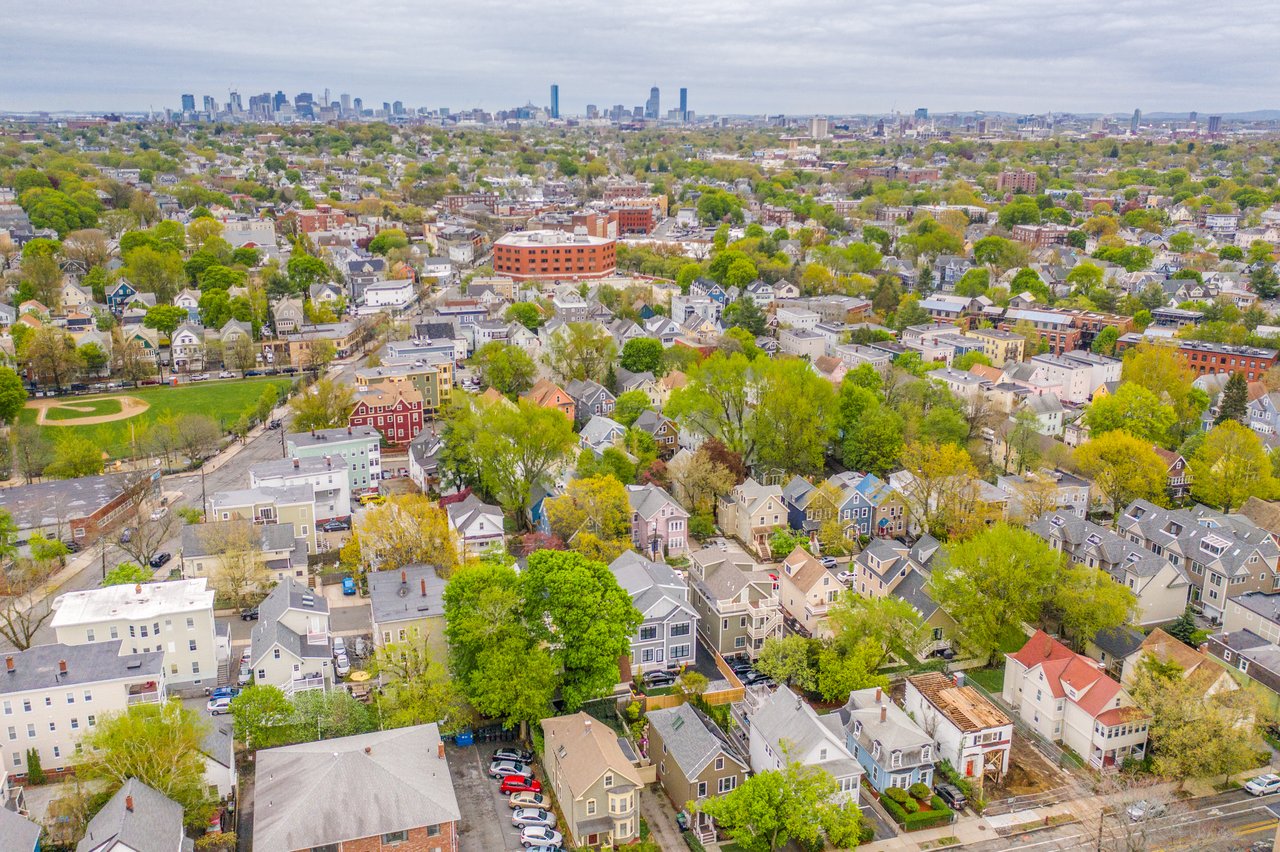
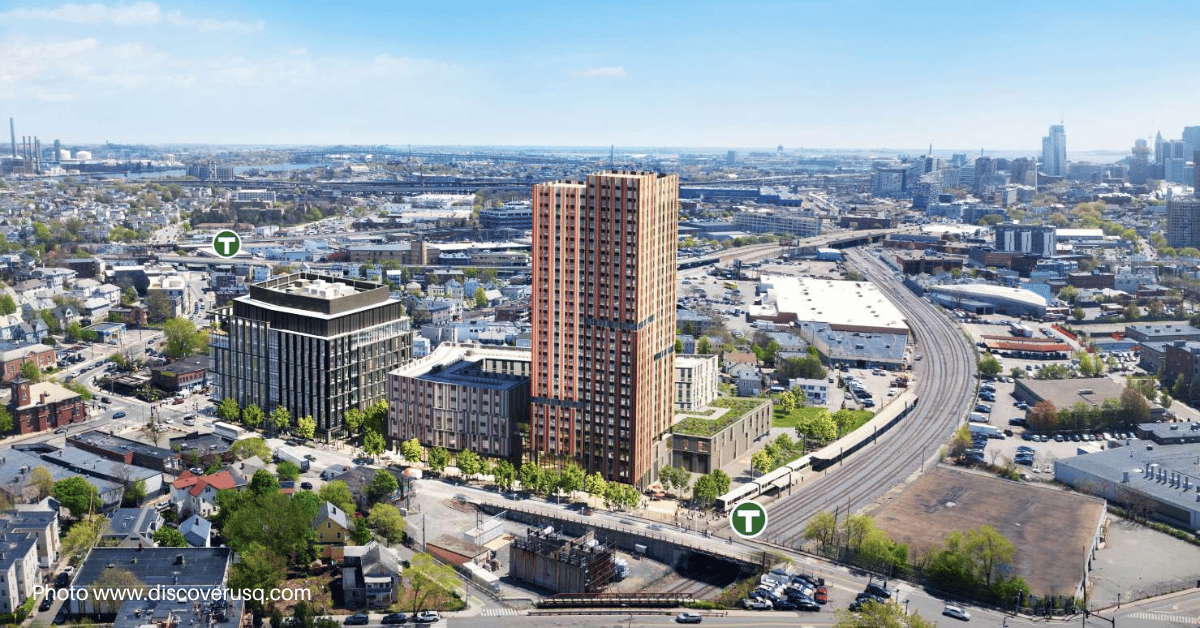
The neighborhood is also designed as a mixed-use district rather than a purely residential one. City information points to office space, housing, retail, restaurants, a shuttle to CambridgeSide, and more than 20 public green and open spaces, plus 17 privately owned public spaces. That combination gives the area a distinctly urban, walkable feel.
What New-Construction Condos Often Offer
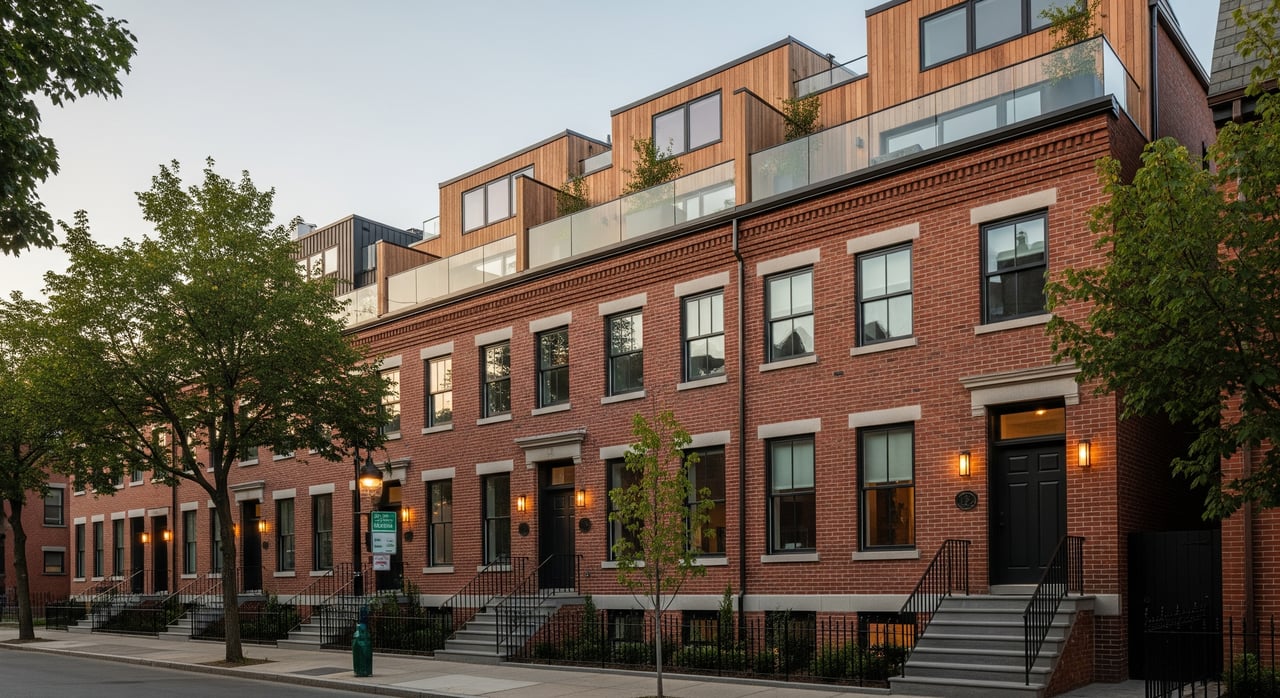
If you are comparing a newer Kendall-area condo with older Cambridge housing, the biggest difference is usually convenience. Newer projects in and around Kendall often highlight features that support a low-maintenance lifestyle and modern daily routines.
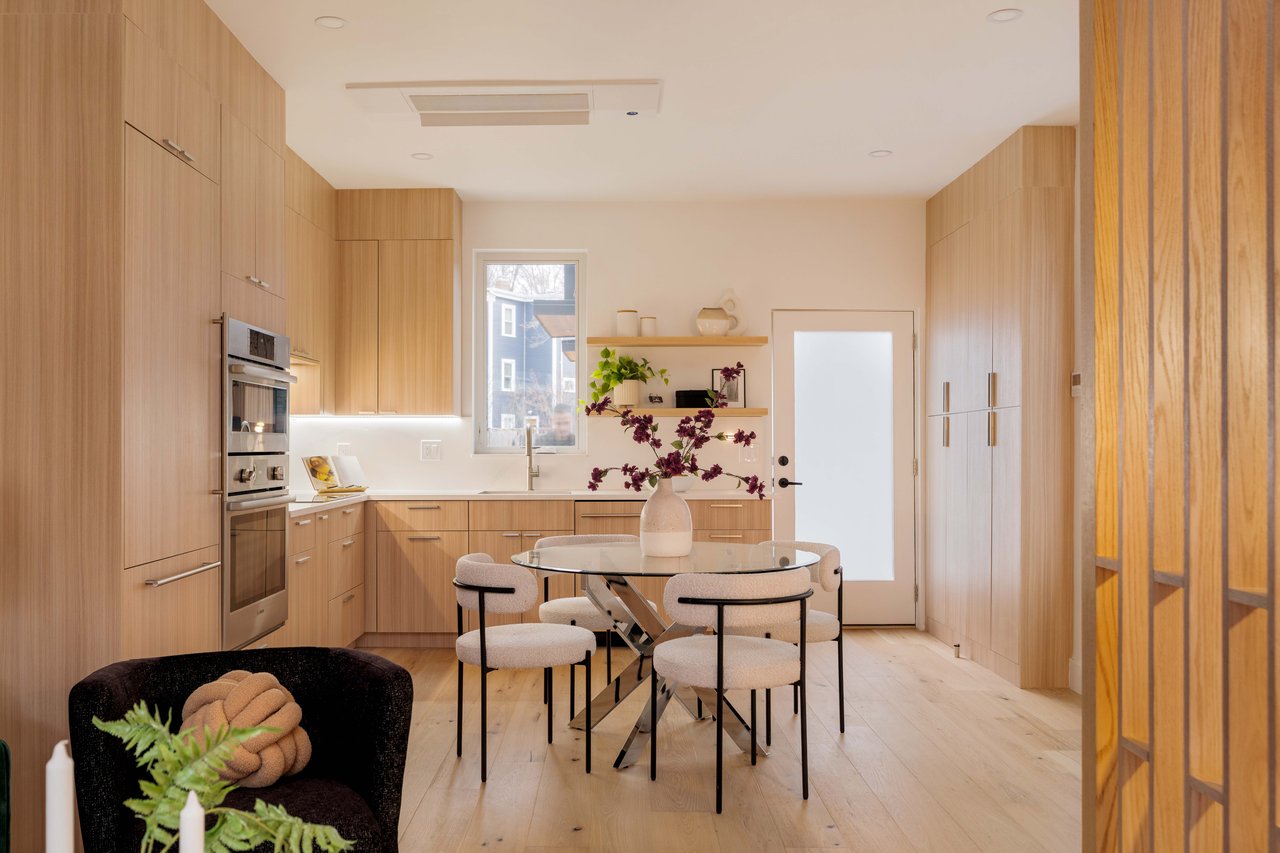
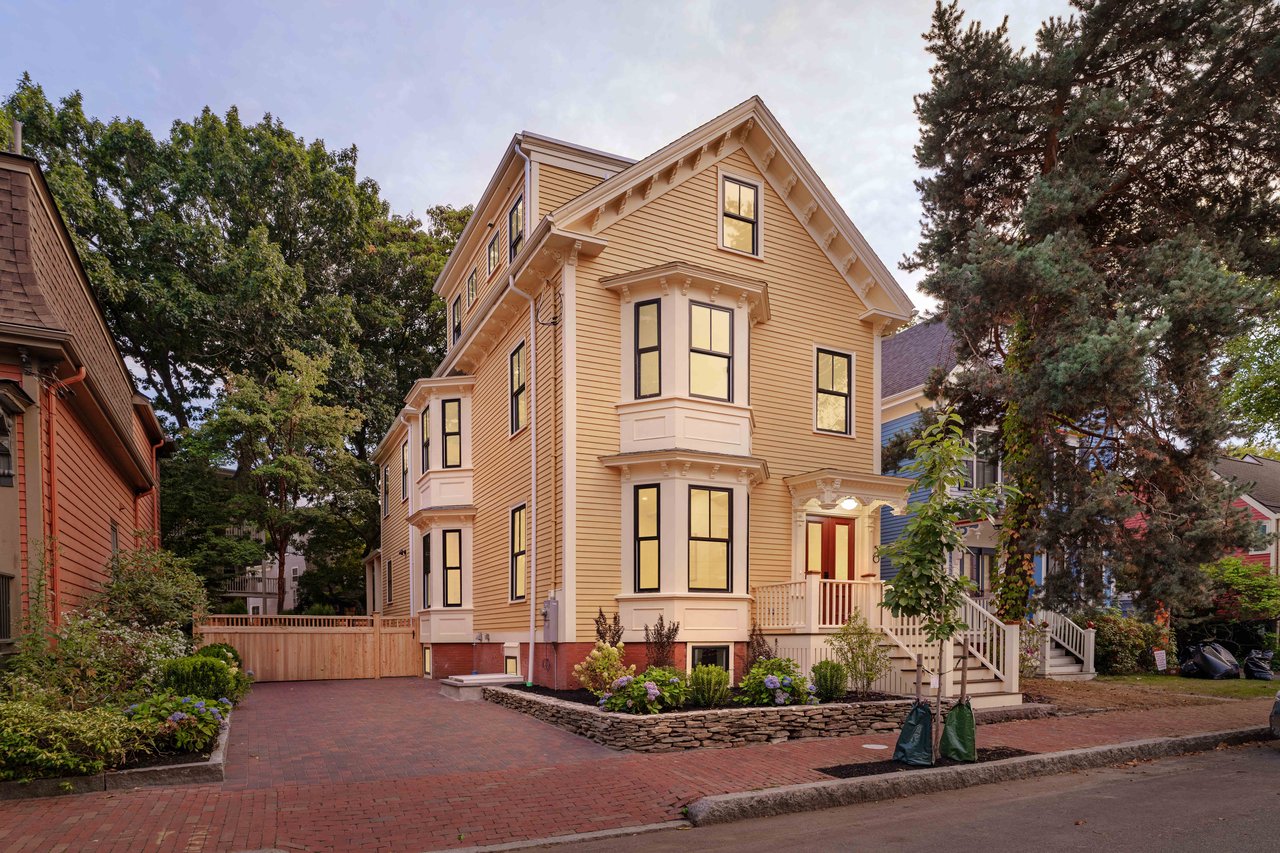
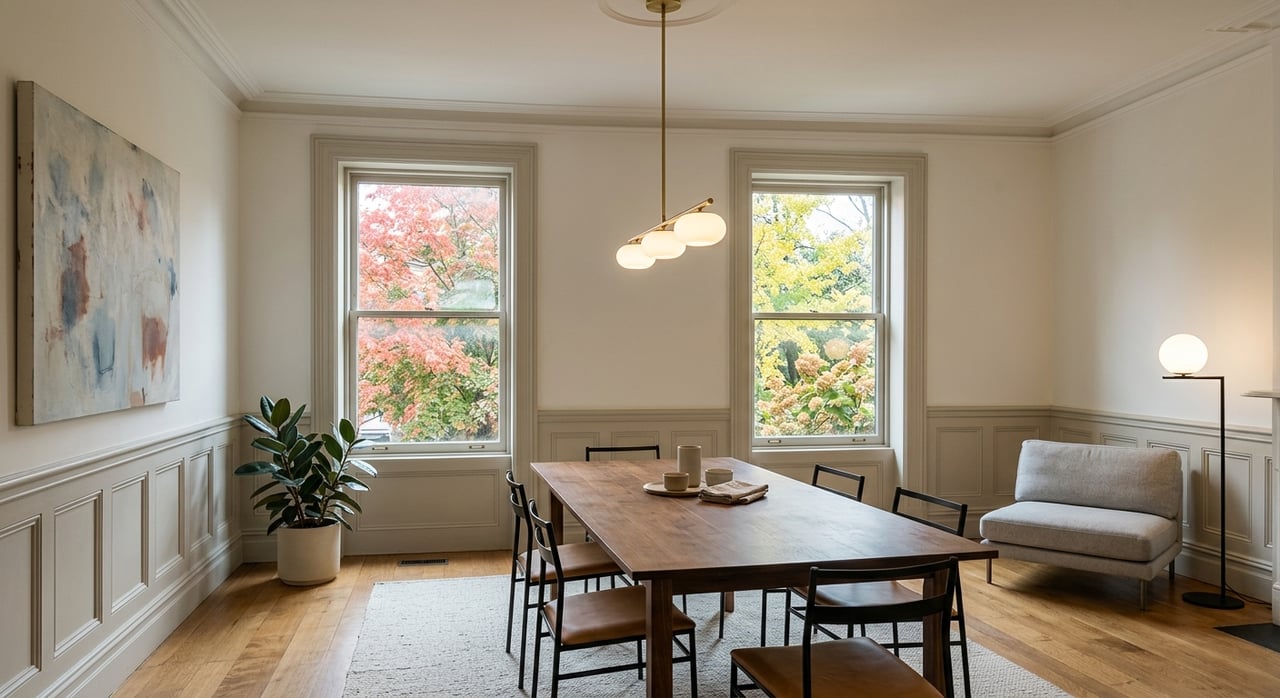
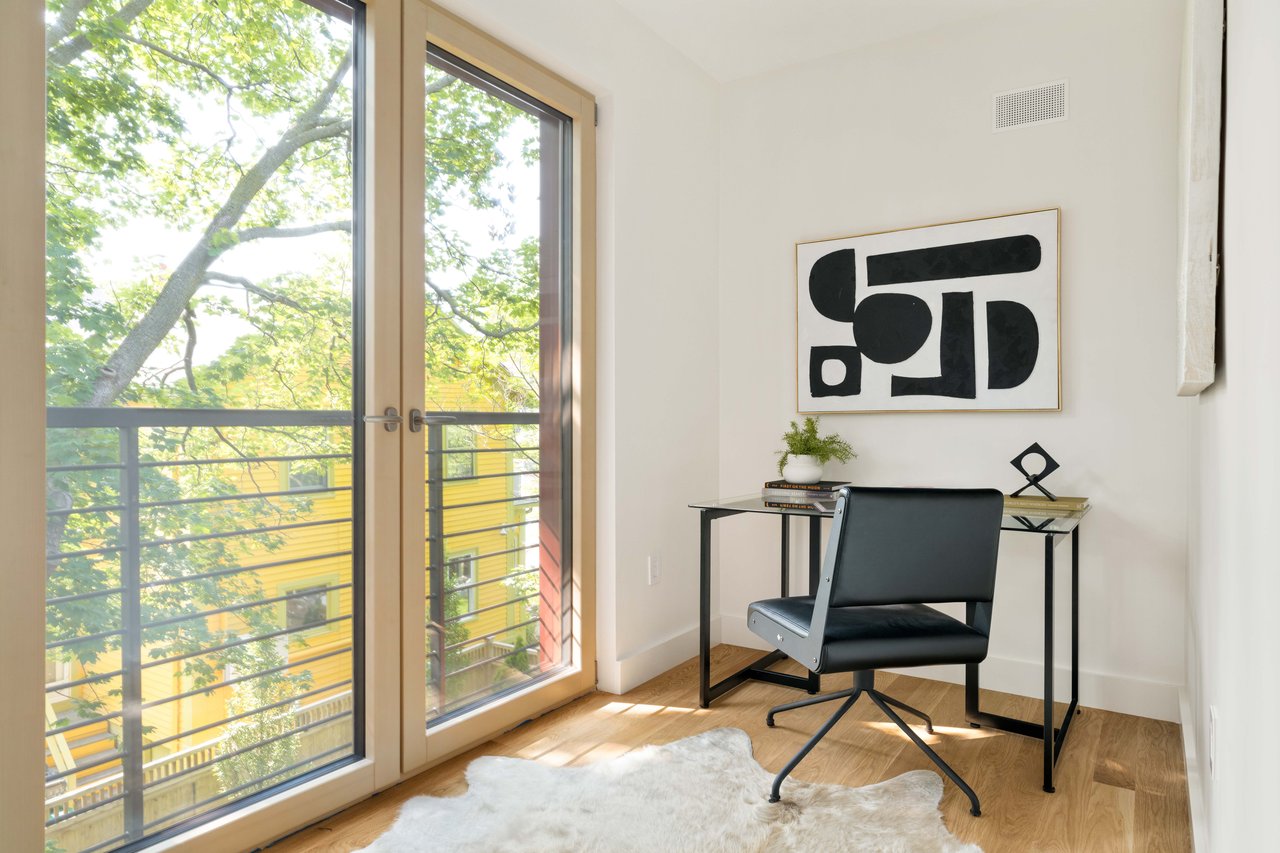
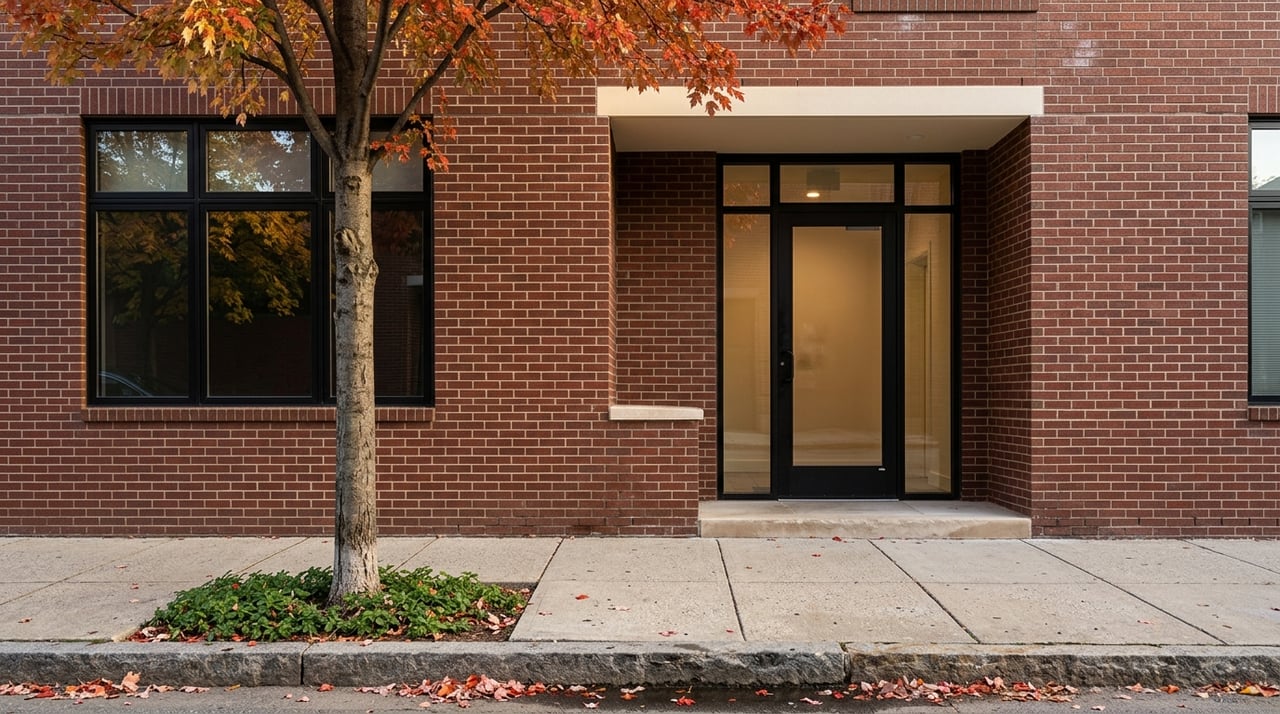
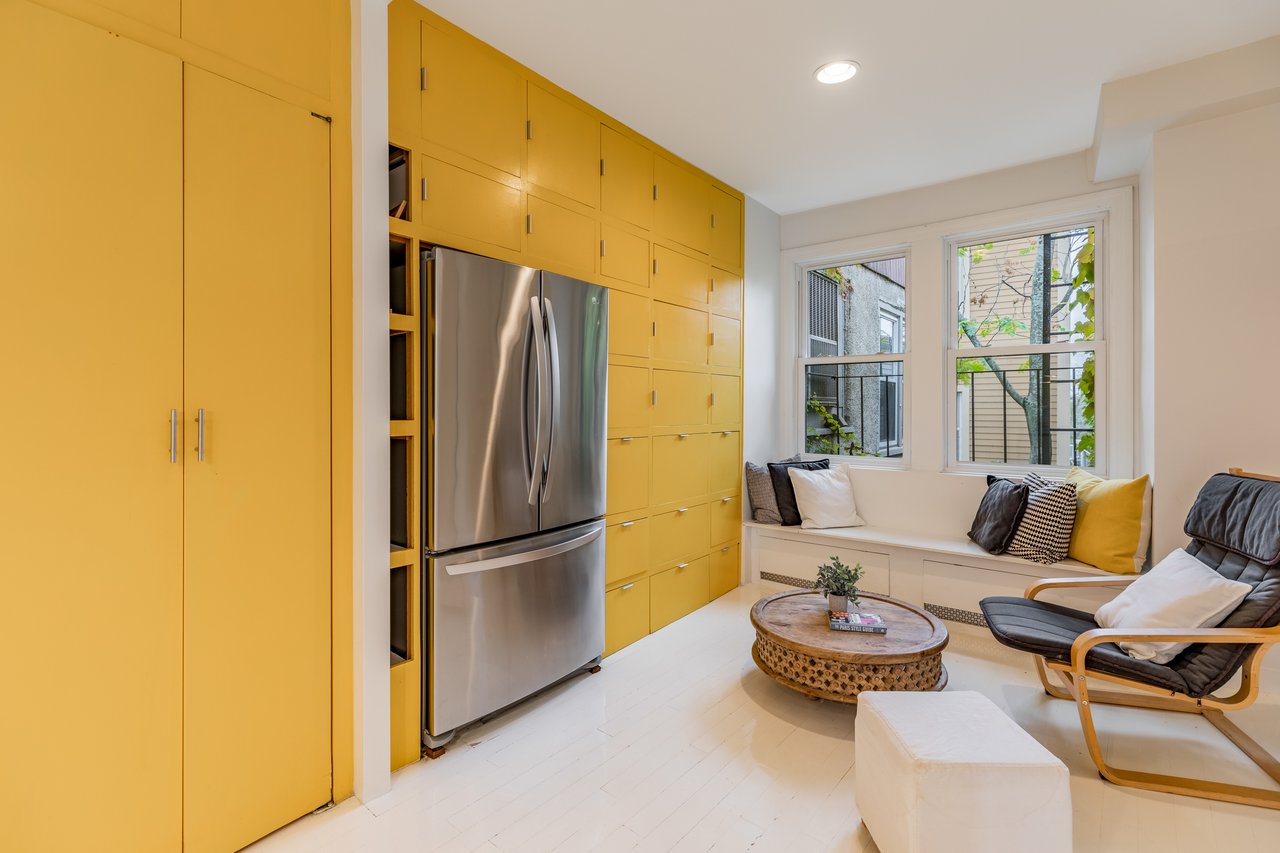
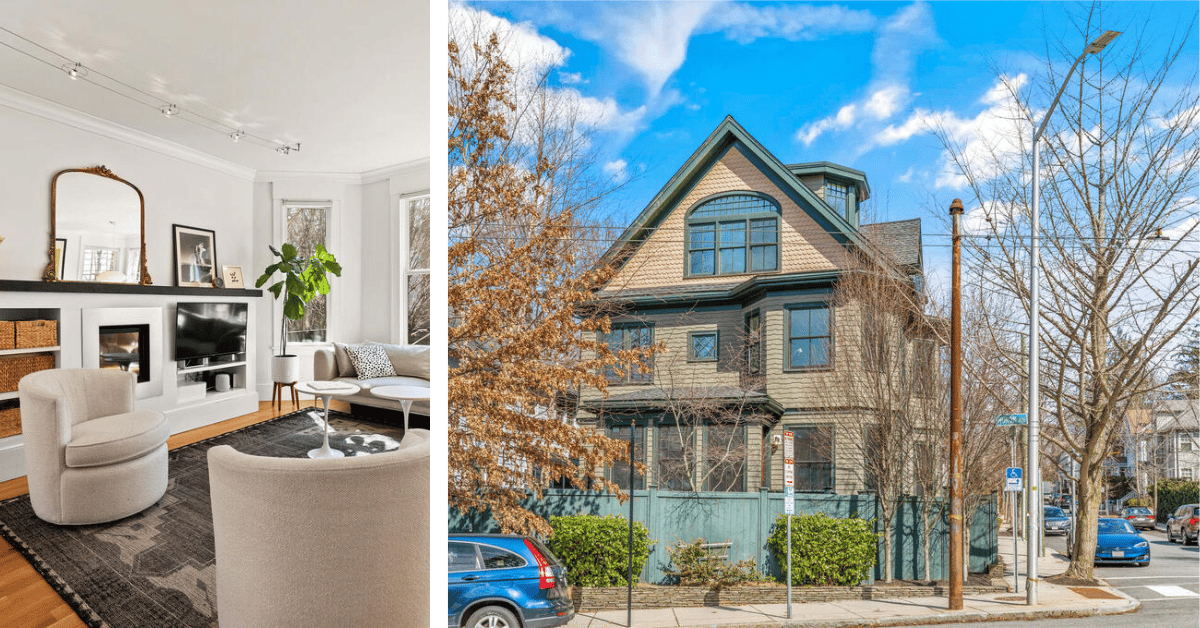
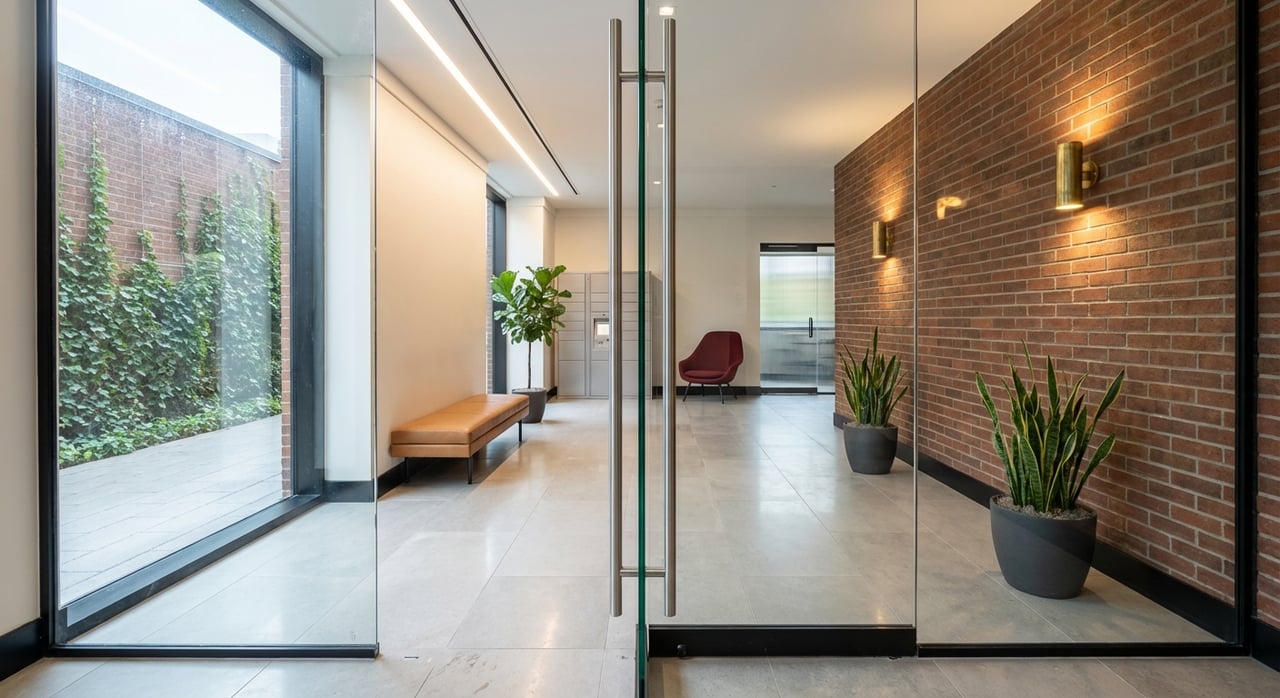
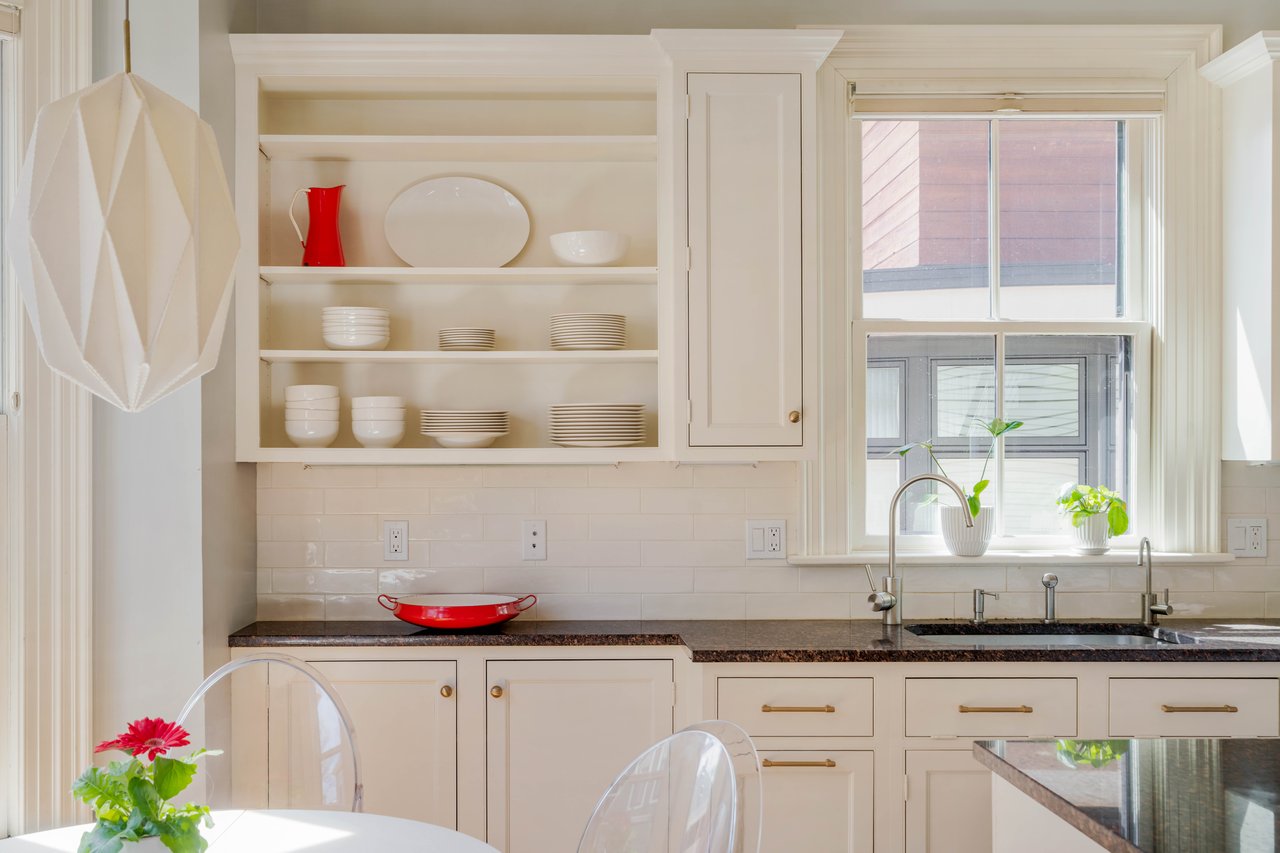
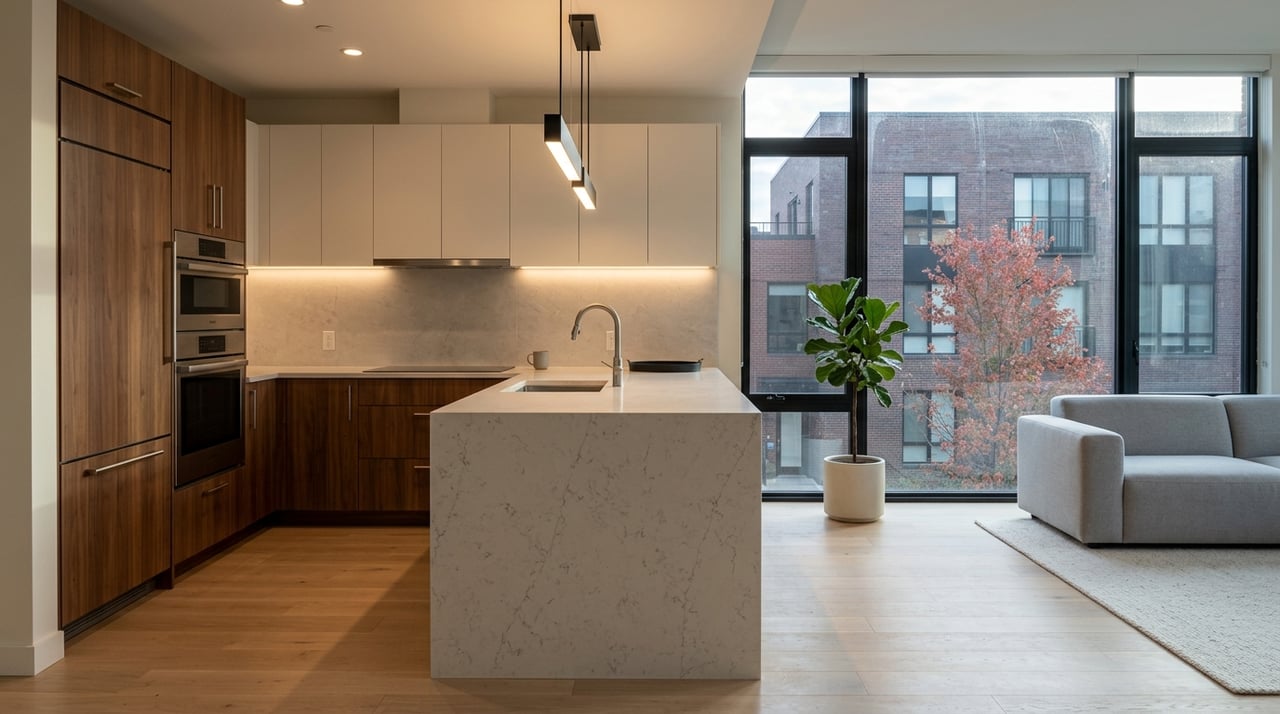
Examples from nearby new construction show a common pattern. Features can include attached garage parking, private balconies or decks, quartz countertops, stone backsplashes, marble baths, induction appliances, hardwood floors, in-unit laundry, custom closets, smart-home controls, CCTV, and high-efficiency heating and cooling.
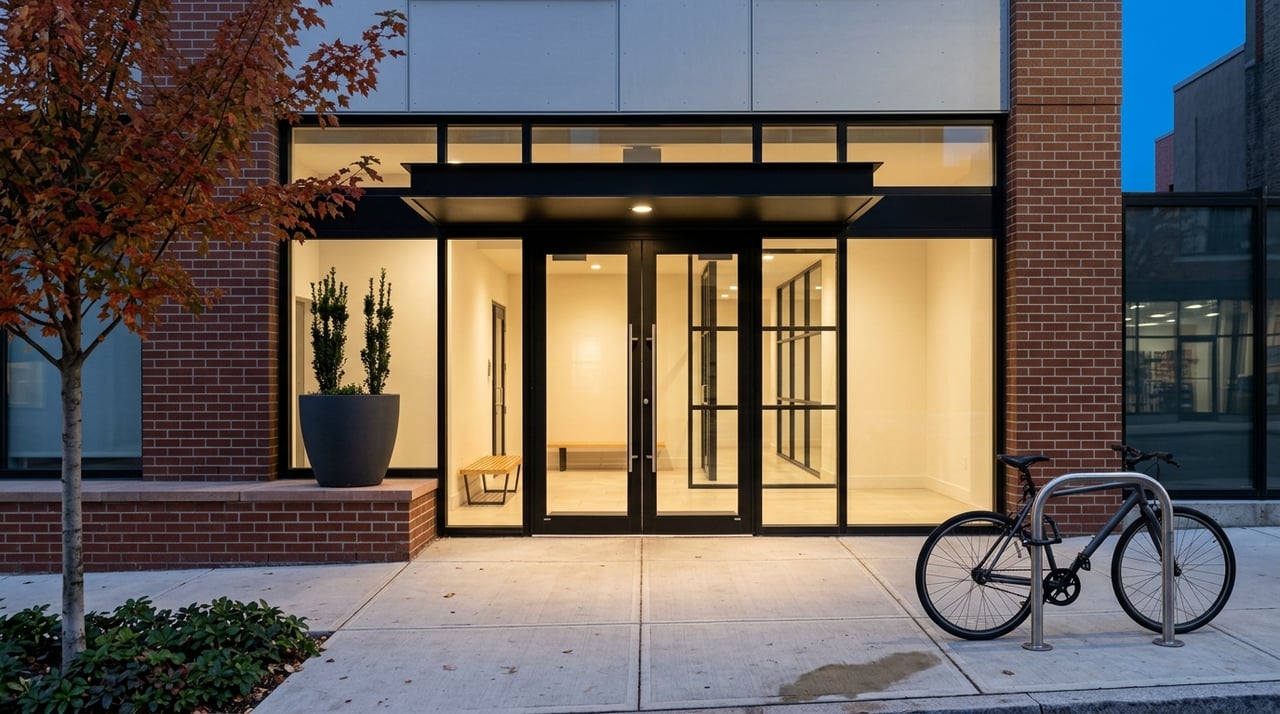
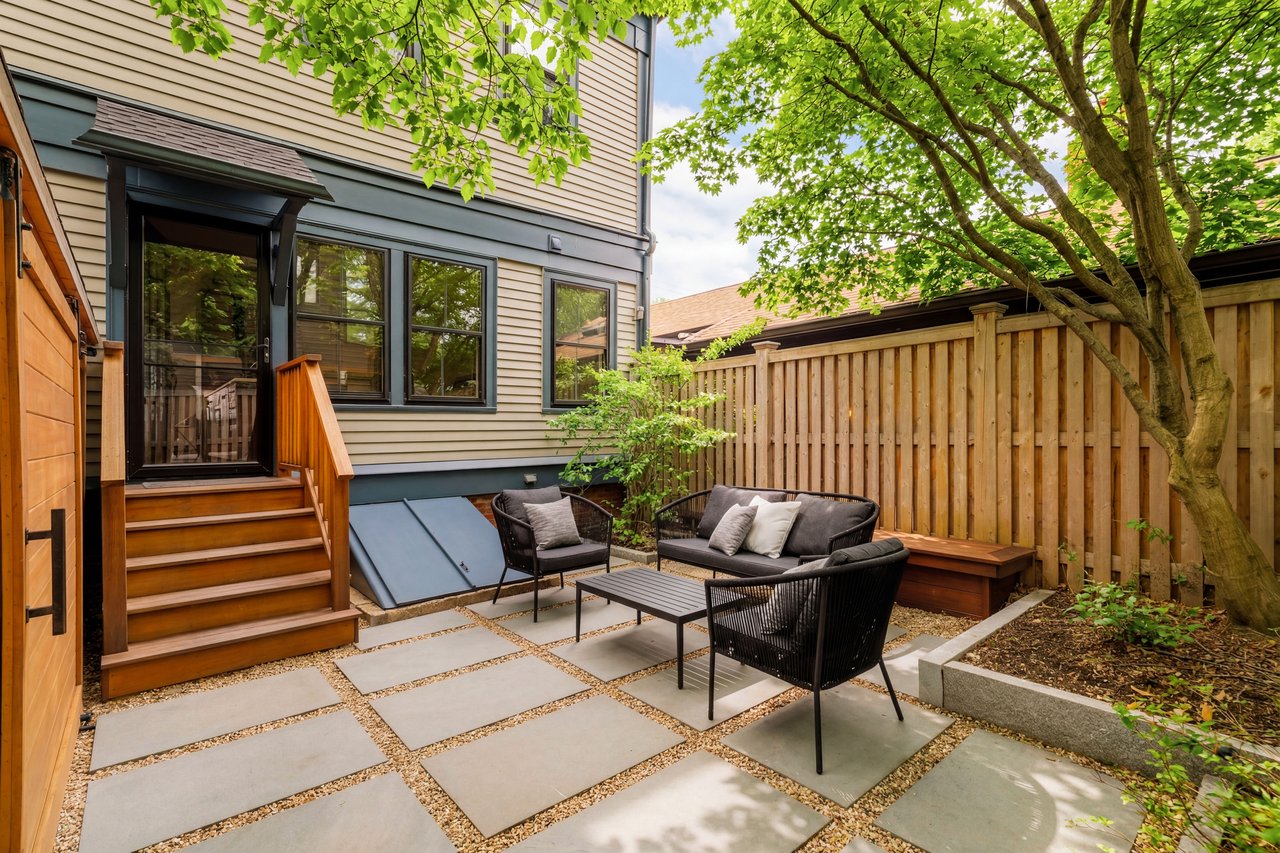
Other nearby projects show additional amenities that buyers often want in newer buildings. These can include garage parking, bike rooms, private terraces, and green roofs. In practical terms, newer product in this corridor is often built around modern systems, storage, parking, and outdoor space.
That said, the exact package can vary a lot from one building to another. You should always verify what is actually included with the unit, what belongs to the association, and what rights are limited to your unit through the condo documents.
Transit and Access Shape Daily Life
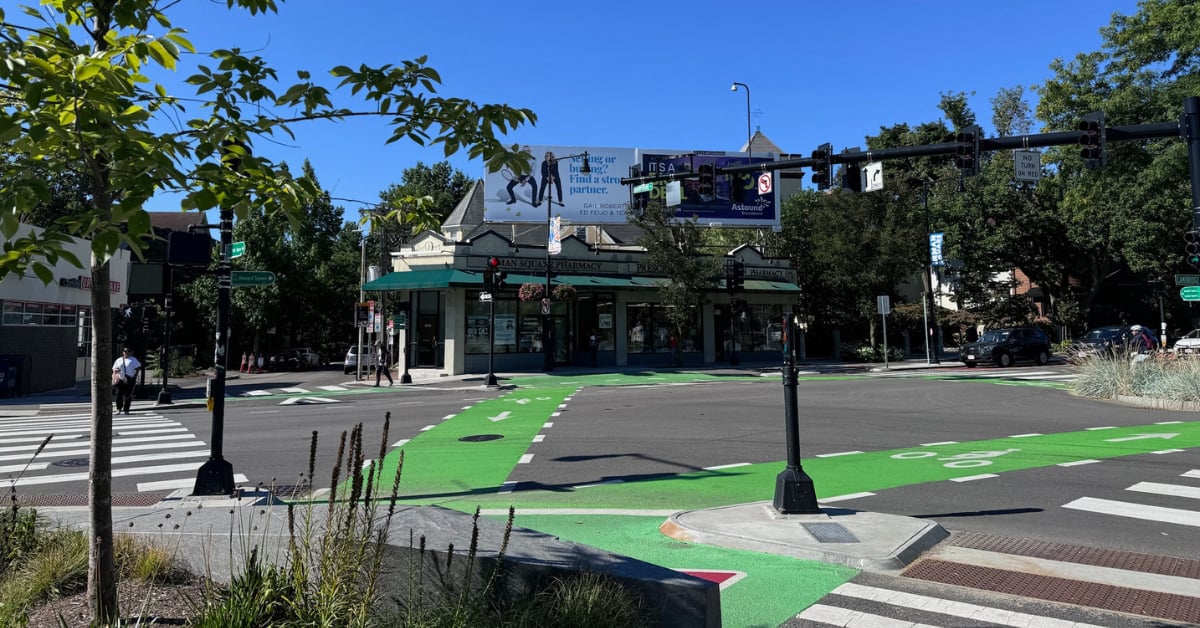
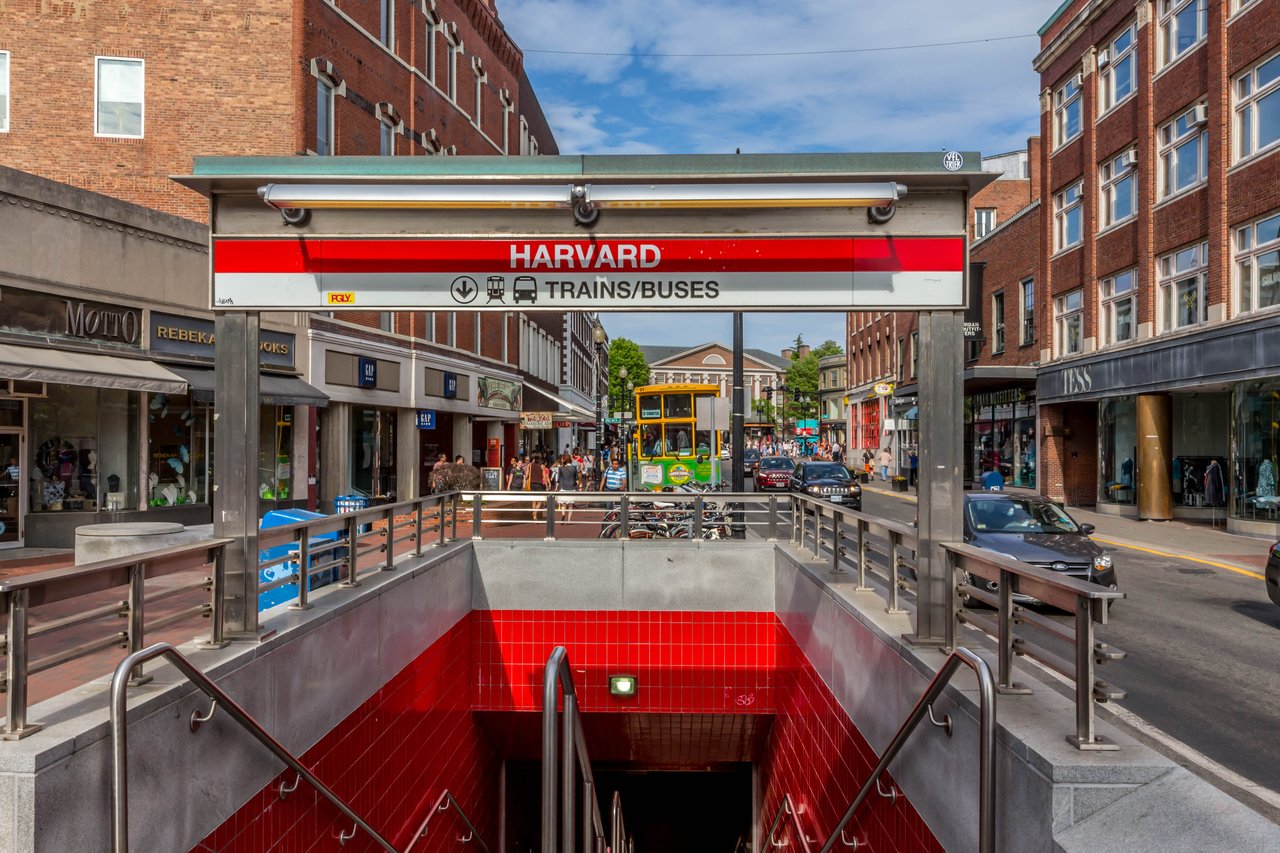
Transportation is one of Kendall Square’s strongest selling points. The district assessment for 2024 notes Kendall/MIT Red Line service, 18 Bluebikes stations, 4 bus routes, 516 public meter parking spaces, and 6,878 daily riders.
For many buyers, that means less dependence on a car and easier access to both Cambridge and Boston. If your priorities include commuting flexibility, car-light living, or easy movement around the city, Kendall has a lot working in its favor.
Still, convenience comes with tradeoffs. The same district report flags recurring issues such as wayfinding, mobility, community space, and construction disruption. If you are choosing between one building and another, it is smart to look beyond the unit itself and pay attention to the surrounding streetscape and nearby active projects.
Why Newer Condos Can Carry a Premium
Kendall Square’s appeal is not driven by just one feature. It is the combination of strong employment demand, MIT adjacency, Red Line access, bike infrastructure, open space, and a mixed-use environment that supports daily life.
Cambridge’s housing information notes that the city’s strong job market and quality of life keep demand high and push costs up for renters and new homeowners. In Kendall, that broader citywide pressure intersects with a neighborhood that offers both convenience and limited near-term housing supply.
There is a development pipeline ahead, but that does not necessarily mean immediate relief in the market. MIT’s Kendall Common project is planned to add about 1,300 residential units, with 20% affordable units, plus retail, commercial and lab space, a community center, and more than 2,000 bike parking spots. The city’s March 25, 2026 housing review also identifies Kendall Common, North Point, and Alewife as part of a long-term market housing pipeline of about 5,000 or more units.
At the same time, the city says economic conditions are uniquely challenging and private funding for market-rate housing remains difficult to secure. For buyers, that is an important reminder that future supply may come in phases and over time, not all at once.
Compare New Construction With Older Cambridge Stock
Buying in Kendall is often a choice between modern ease and older Cambridge character. Neither is automatically better. It depends on how you want to live.
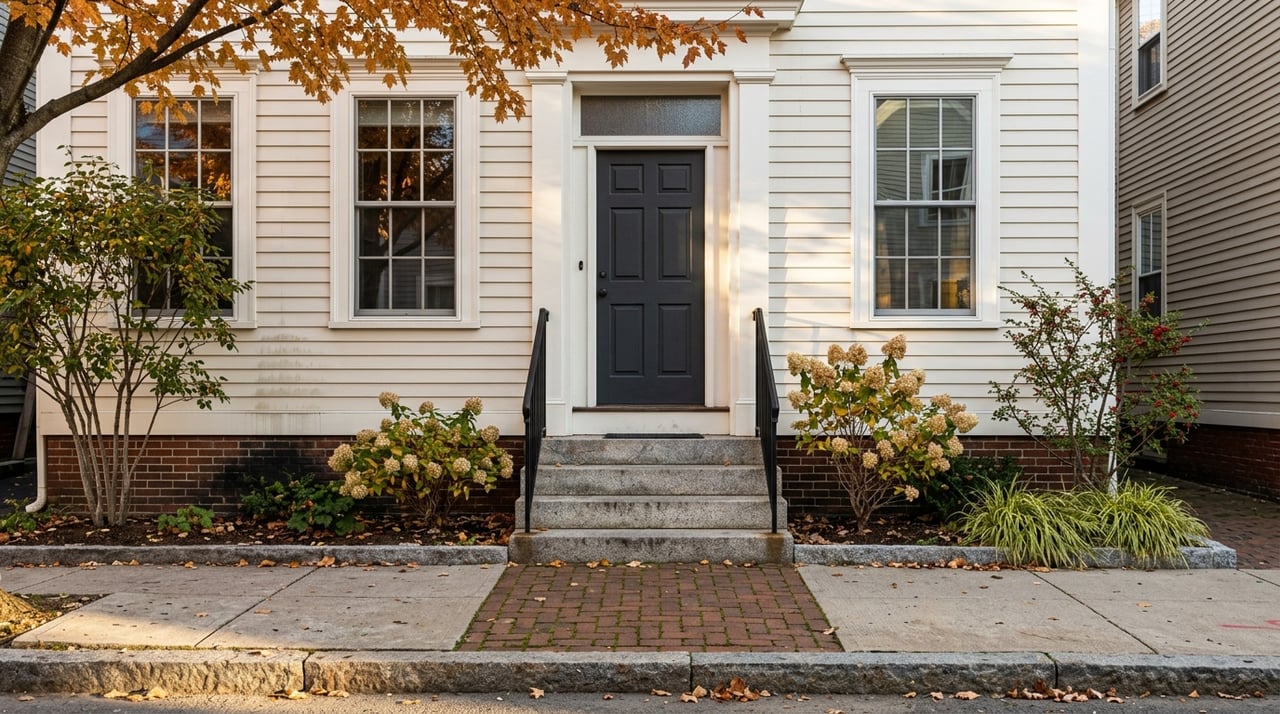
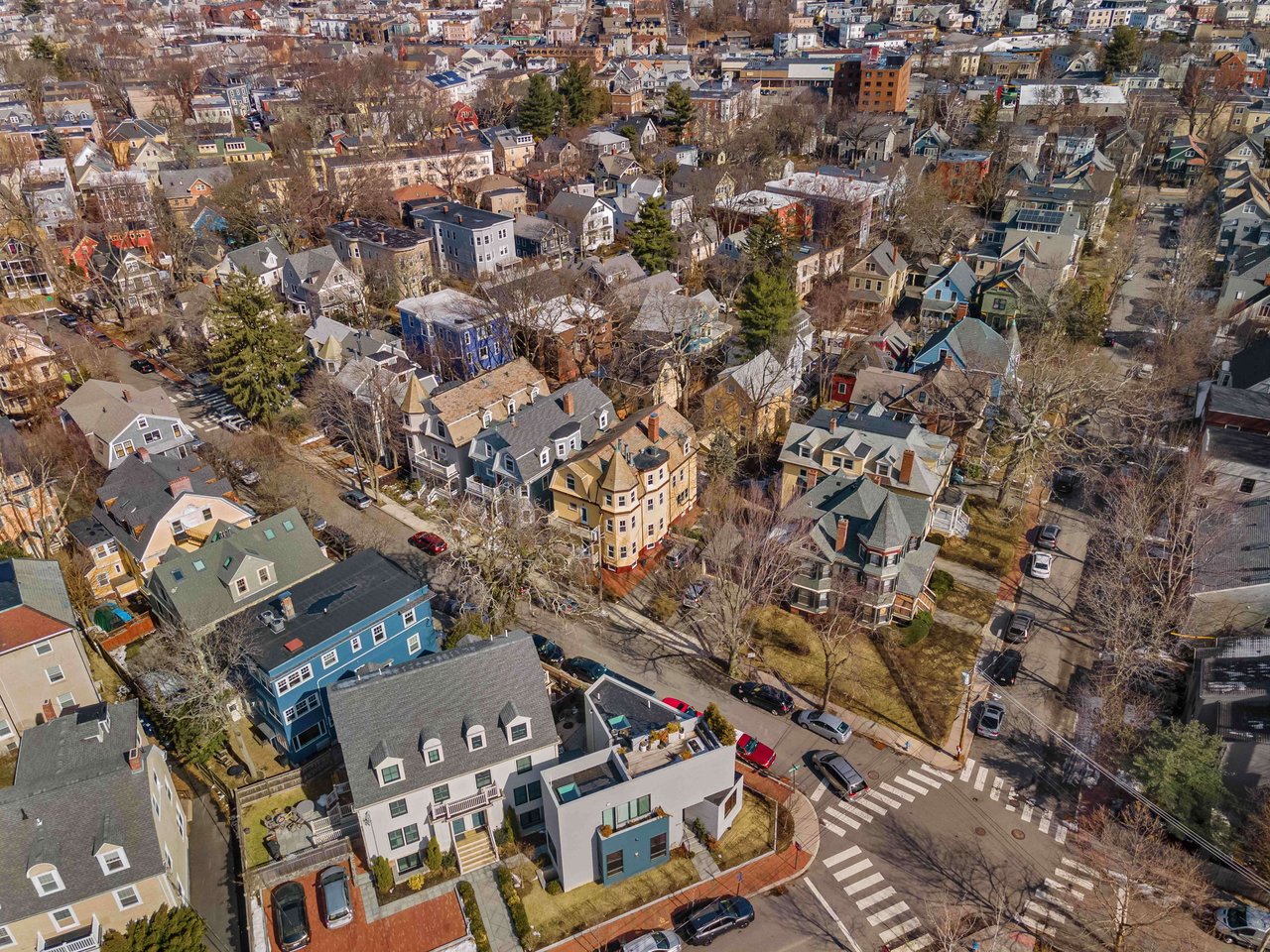
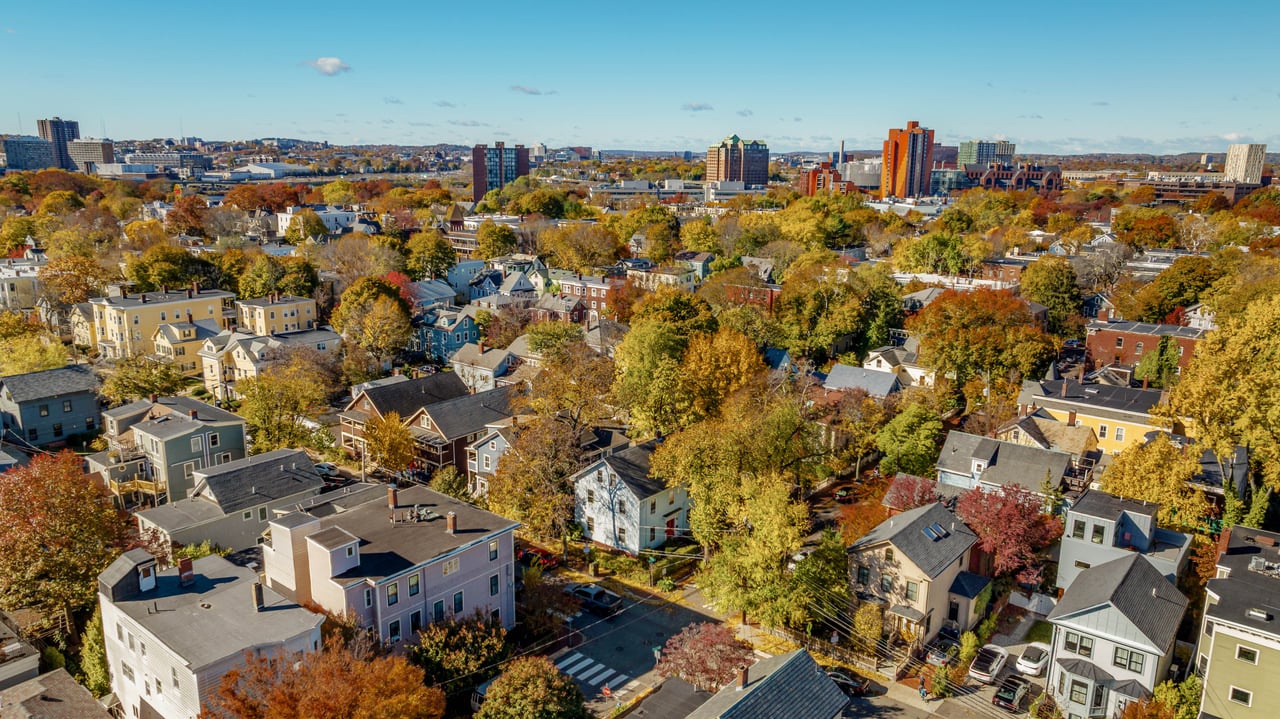
Older nearby neighborhoods offer a very different housing experience. East Cambridge is one of Cambridge’s oldest residential neighborhoods, though its southern section near Kendall now includes offices, research labs, and larger apartment buildings. Cambridgeport’s history includes triple-decker housing built for factory workers, and local planning materials note that many houses there do not have off-street parking.
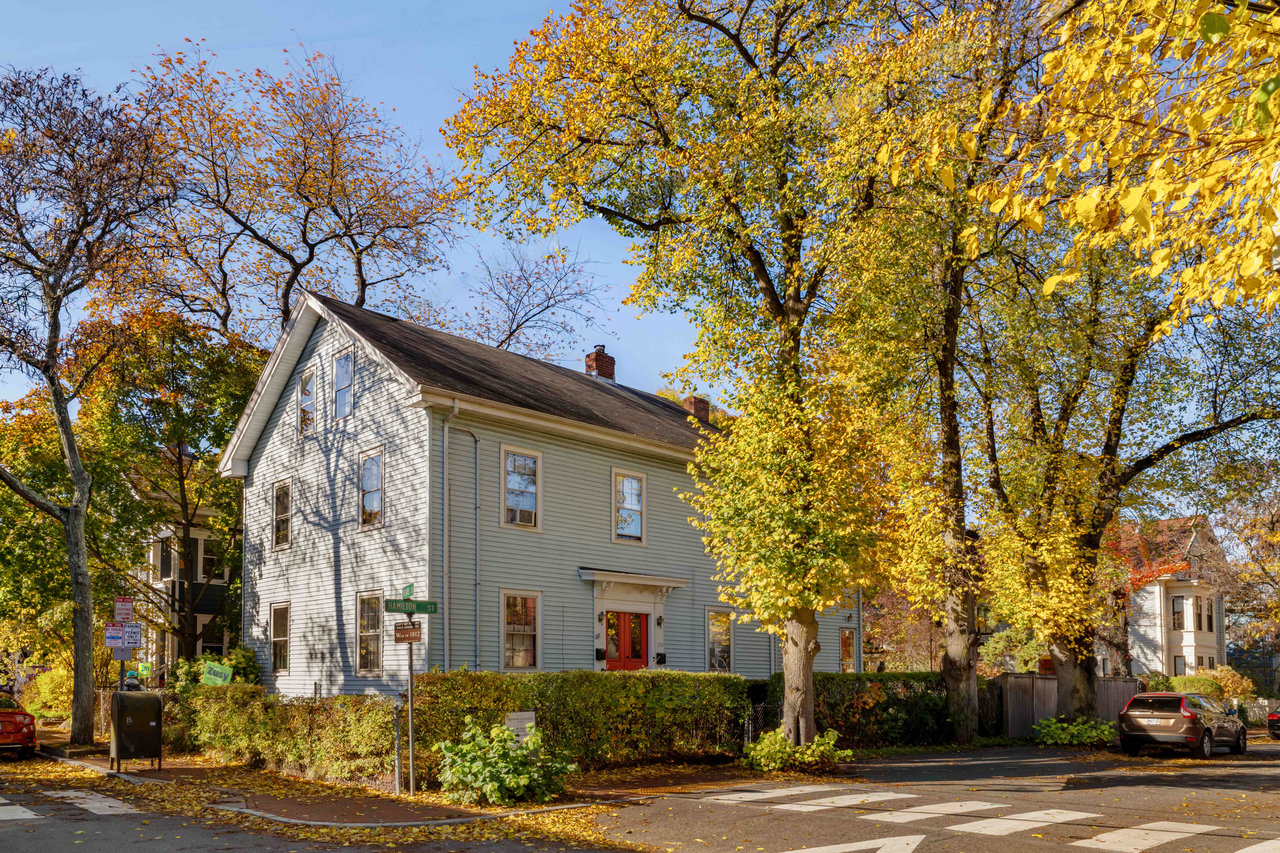
Other nearby areas also come with their own context. Riverside includes some of Cambridge’s oldest settled areas, while Mid-Cambridge is a neighborhood conservation district with exterior-work review rules. Those details matter if you are deciding whether you prefer a new building with fewer maintenance concerns or an older home with architectural texture and neighborhood history.
A newer Kendall-area condo may offer garage parking, contemporary finishes, better energy performance, and more predictable day-to-day upkeep. Older housing stock may offer more character, but often with a different set of tradeoffs around parking, updates, and building systems.
Understand Condo Fees and Documents
One of the biggest mistakes buyers make is comparing monthly condo fees without enough context. In Massachusetts, condo associations are governed by the master deed, deeds, bylaws, and Chapter 183A. That means the legal and financial structure of the building is driven by documents, not by assumptions.
Under Massachusetts law, common expenses must be assessed at least annually under an adopted budget. Condominium associations must also maintain an adequate replacement reserve fund, and associations with 50 or more units need an annual CPA review of financial reports.
This is why a lower condo fee is not always the better value. The monthly number only tells part of the story. You also want to know how much is in reserves, what the annual budget looks like, and whether any major repairs or capital projects are coming.
Massachusetts guidance also notes that annual budgets normally include reserves and that special assessments may be used when repairs exceed current budget and reserve levels. In other words, your due diligence should focus on both today’s costs and tomorrow’s risk.
Questions to Ask Before You Buy
When you review a new-construction condo in Kendall Square, keep your questions practical and document-based. The details matter, especially in buildings where amenities, parking, and outdoor space can vary from unit to unit.
Here are some smart questions to ask:
- What does the condo fee cover?
- How strong is the reserve fund?
- Are any special assessments expected?
- Is parking deeded, assigned, or limited common area?
- Is storage included, and if so, how is it documented?
- Are balconies, terraces, or roof areas deeded or limited common areas?
- What capital work is planned in the near term?
- Does the project include inclusionary units under Cambridge rules?
These are not minor details. Under Massachusetts law, common expense allocations can reflect unit location, amenities, and limited common areas, so monthly fees are not always directly comparable across buildings.
How Inclusionary Housing Affects New Projects
Cambridge’s Inclusionary Housing Program is an important part of the local development landscape. For developments of 10 or more units, or more than 10,000 square feet of new residential floor area, the city requires 20% of residential floor area to be reserved for affordable units.
The city also notes that some projects may receive a density bonus of up to 30%. For buyers, this does not automatically change the value of a market-rate condo, but it does shape how many units a project may include and how a building is planned.
If you are comparing projects, it is worth asking how inclusionary requirements were addressed and whether the overall site plan, unit mix, or common areas were affected. It is simply part of understanding the full context of a new-construction purchase in Cambridge.
Watch for Construction and Future Competition
New development can support a neighborhood’s growth, but it can also affect your day-to-day experience. The Kendall Square district assessment specifically identifies construction disruption as a challenge, and the city’s housing review shows a large pipeline still ahead.
If quiet, views, natural light, or immediate resale competition matter to you, look closely at project phasing and nearby redevelopment plans. A beautiful condo can feel very different if a neighboring site is about to begin major construction.
This does not mean you should avoid the area. It means you should buy with full awareness. In a district changing as quickly as Kendall, understanding what is coming next is just as important as liking what is already there.
Is a New Kendall Condo Right for You?
A new-construction condo in Kendall Square can be a strong fit if you value modern finishes, newer systems, transit access, and a location tied closely to Cambridge’s innovation economy. It can also be a good option if you want less maintenance than an older property may require.
At the same time, the right choice depends on your priorities. Some buyers will prefer the convenience and polish of new construction. Others will decide they want the texture, scale, or architectural character found in older Cambridge housing stock.
The key is to look past surface-level finishes and evaluate the full package: location, building documents, fee structure, reserves, nearby development, and how the home fits your lifestyle. In Kendall Square, those details can make a meaningful difference.
If you are weighing new construction in Kendall Square against other Cambridge options, working with a local advisor can help you compare not just properties, but micro-locations, building structures, and long-term fit. To talk through your options with a Cambridge expert, connect with Sandrine Deschaux.
FAQs
What makes new-construction condos in Kendall Square different from older Cambridge condos?
- Newer Kendall-area condos often focus on modern systems, garage parking, in-unit laundry, storage, bike facilities, and private outdoor space, while older Cambridge condos may offer more historic character but different tradeoffs around parking, upkeep, and building systems.
What should buyers review in Massachusetts condo documents before buying a new Kendall Square condo?
- You should review the master deed, bylaws, budget, reserve fund, common expense allocation, any planned capital work, and whether special assessments are expected.
Why are condo fees in Kendall Square new construction not always comparable?
- Under Massachusetts law, common expense allocations can reflect unit location, amenities, and limited common areas, so two buildings with similar prices may still have very different fee structures.
How does Cambridge inclusionary housing affect new-construction condo projects?
- In Cambridge, developments of 10 or more units or more than 10,000 square feet of new residential floor area must reserve 20% of residential floor area for affordable units, and some projects may receive a density bonus of up to 30%.
What transportation options support daily life in Kendall Square, Cambridge?
- Kendall Square offers Red Line access at Kendall/MIT, 18 Bluebikes stations, 4 bus routes, public meter parking, and a mixed-use setting that supports walkability.
Should buyers worry about future construction near a new Kendall Square condo?
- Buyers should pay attention to nearby project phasing and redevelopment because the district assessment cites construction disruption as an ongoing issue and the city identifies a sizable long-term housing pipeline in and around Kendall.