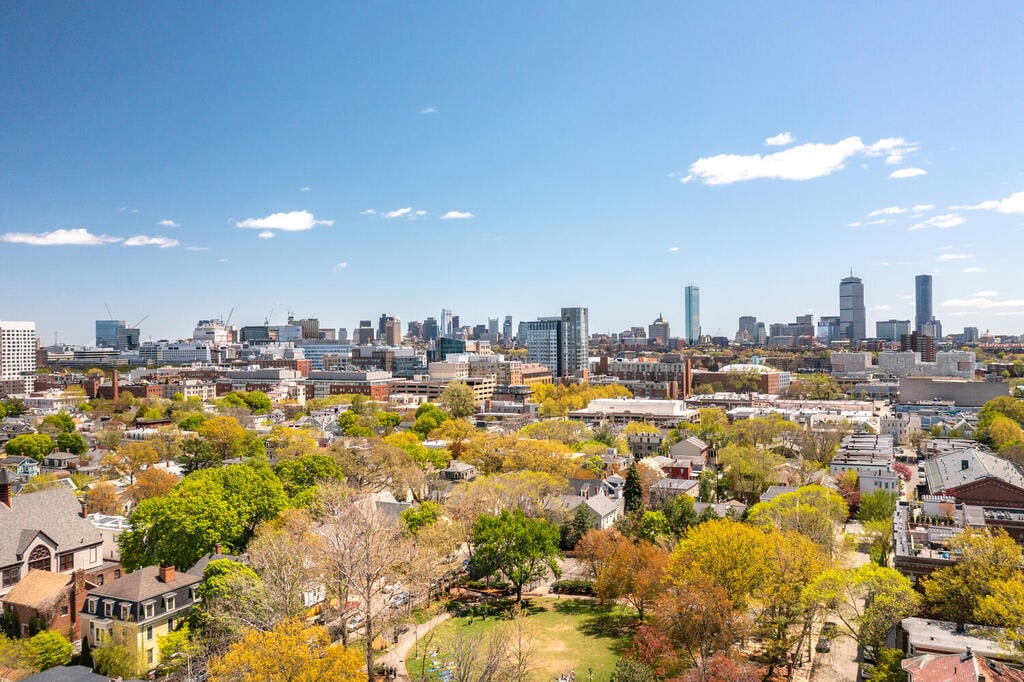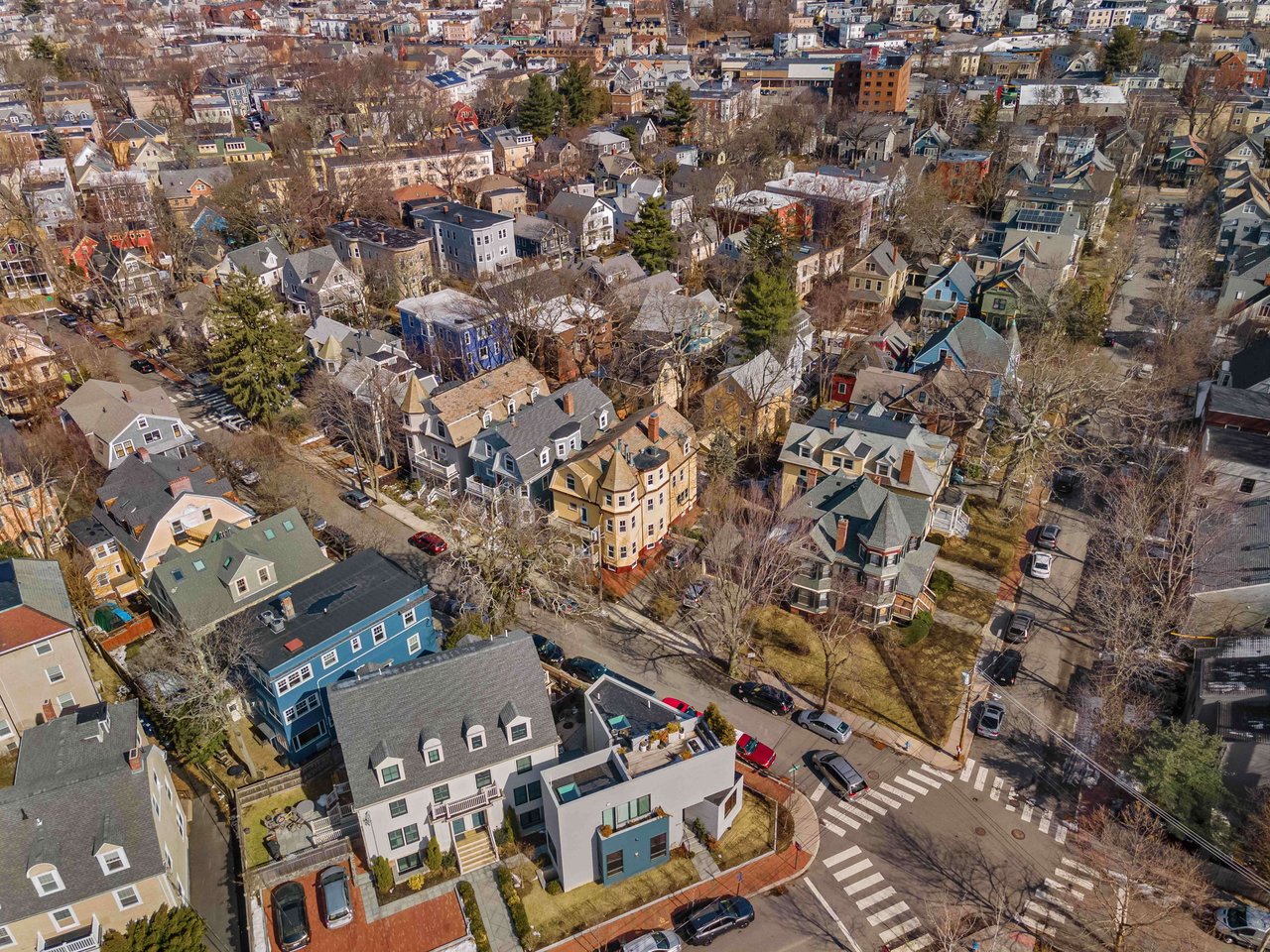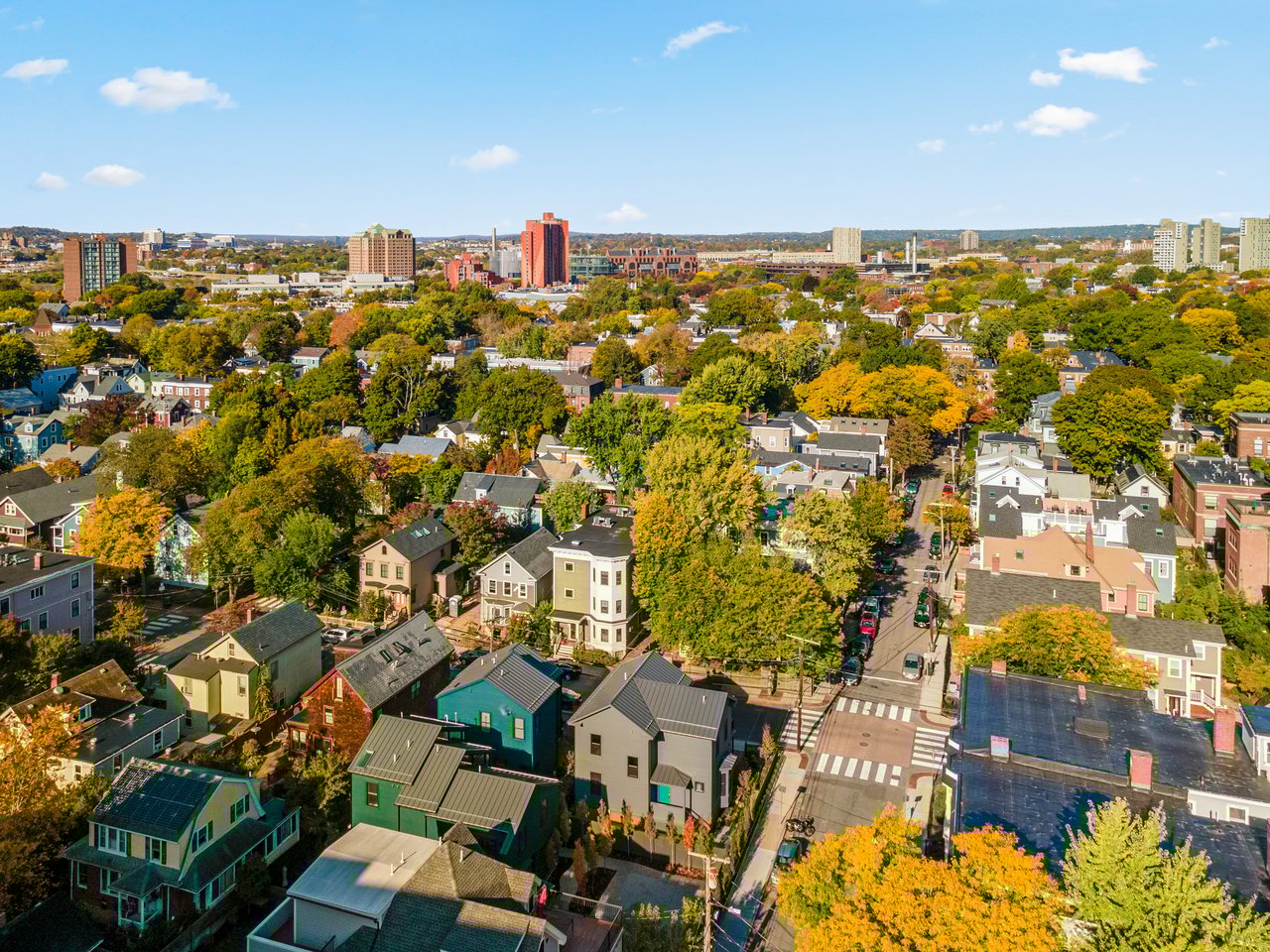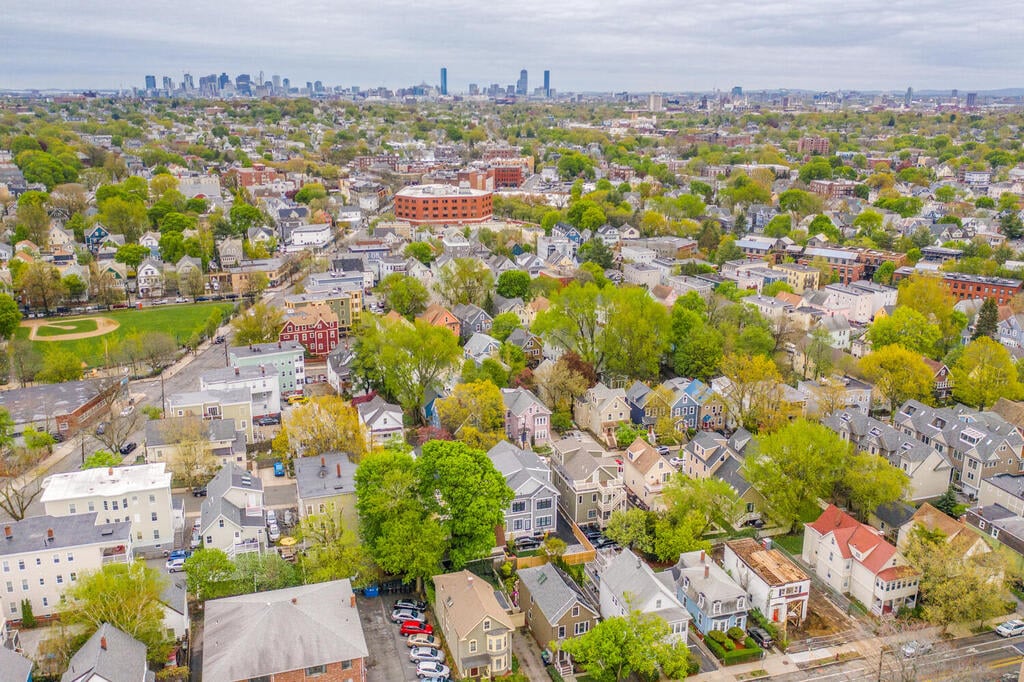
Have you ever walked through West Cambridge and felt like the streets themselves were telling a story? If you love architecture, neighborhood character, or simply noticing how a place changes block by block, this part of Cambridge offers one of the city’s most rewarding walks. From historic Brattle Street to the planned curves of Larchwood and the streetcar-suburb feel of Huron Village, you can see how design, landscape, and daily life came together over time. Let’s dive in.
Start at Brattle Street
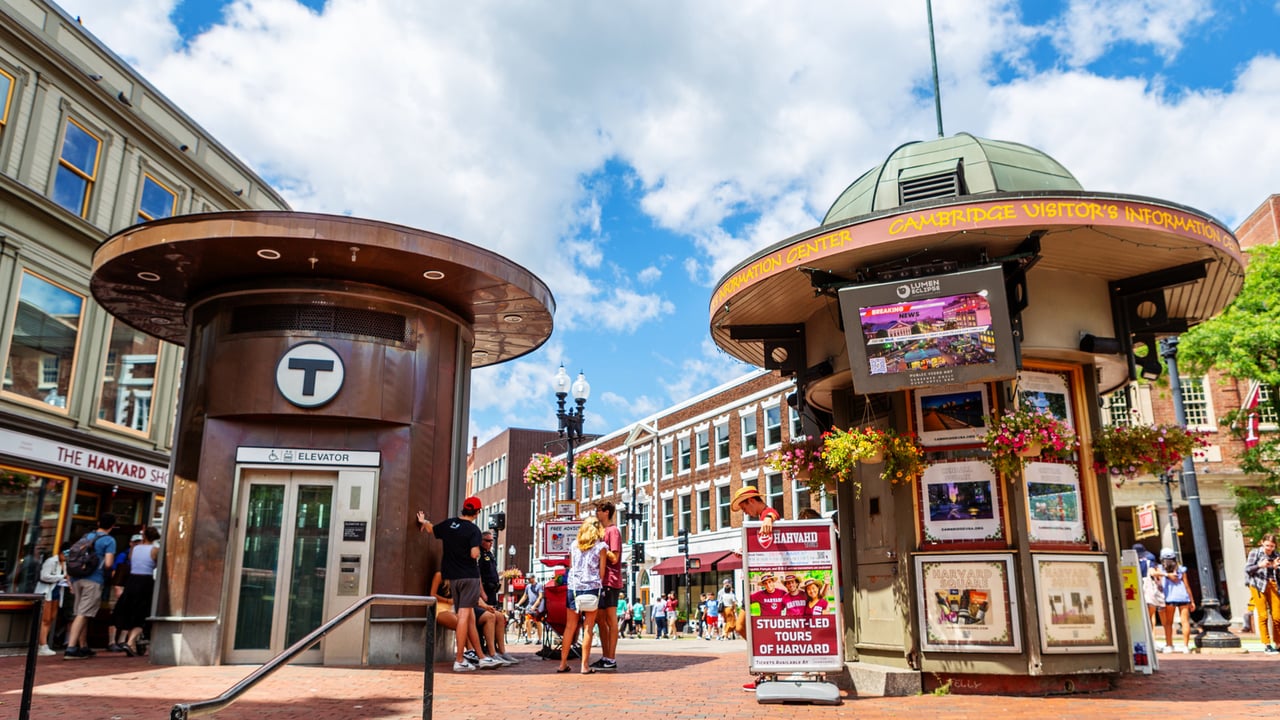
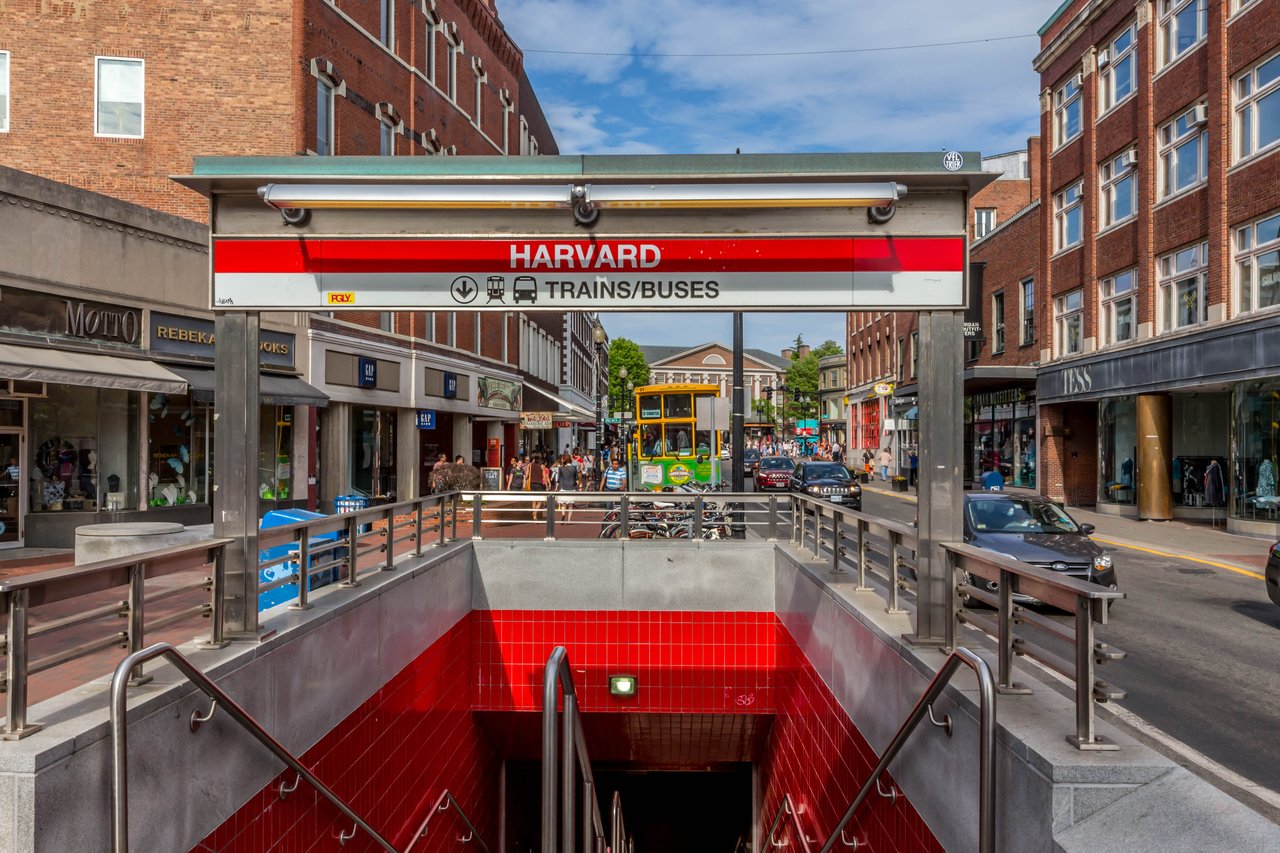
Brattle Street is the natural spine for an architectural walk through West Cambridge. If you begin near Harvard Square or Brattle Square, you can watch the neighborhood shift from a more active urban edge into a calmer residential corridor.
That transition is part of what makes the walk so memorable. You are not just looking at individual houses. You are seeing how West Cambridge unfolds in layers, with each section offering a different rhythm and scale.
Why Brattle Street Feels So Cohesive
Much of Brattle Street sits within the Old Cambridge Historic District. In that district, the Cambridge Historical Commission reviews exterior changes that are visible from a public way.
That framework helps explain why the street still feels visually connected. Rather than reading as a mix of unrelated buildings, Brattle Street holds together as a historic corridor with a shared architectural language.
You will also notice how landscape plays a role. Broad setbacks, mature trees, and generous spacing between houses give the street a composed, almost estate-like feeling.
Notice the Styles on Brattle Street
Brattle Street is not defined by just one period. Its character comes from the way several architectural eras sit together while still feeling surprisingly unified.
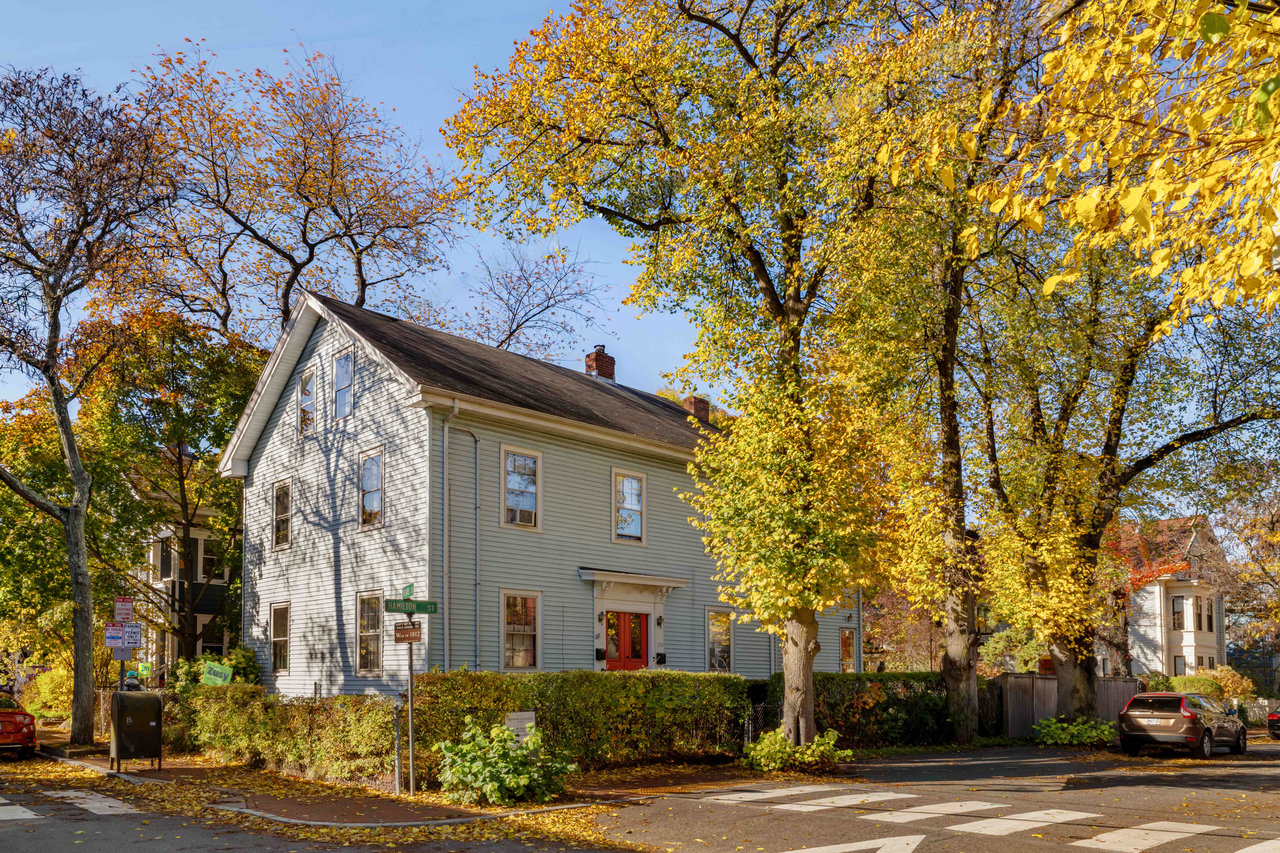
Early houses on the street include large colonial-era homes such as 105 Brattle Street, built in 1759 in Georgian style. The Longfellow House is also described by the National Park Service as an outstanding Georgian example that strongly influenced Colonial Revival architecture.
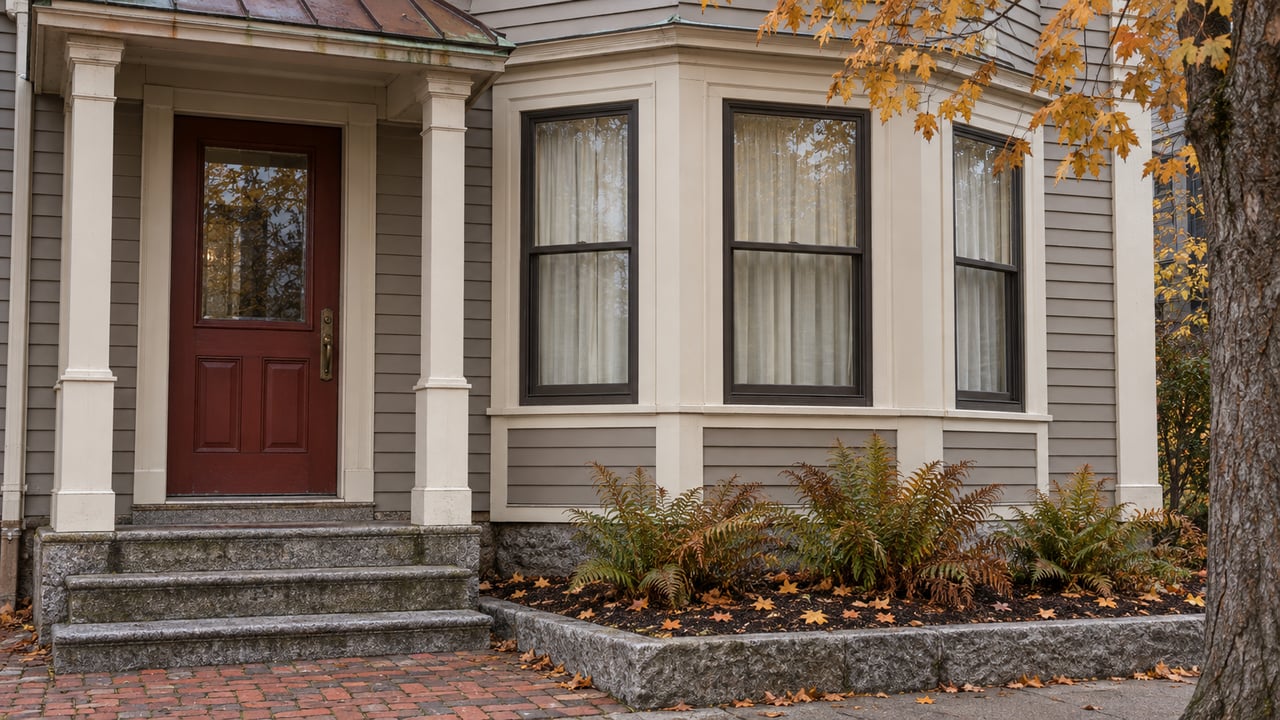
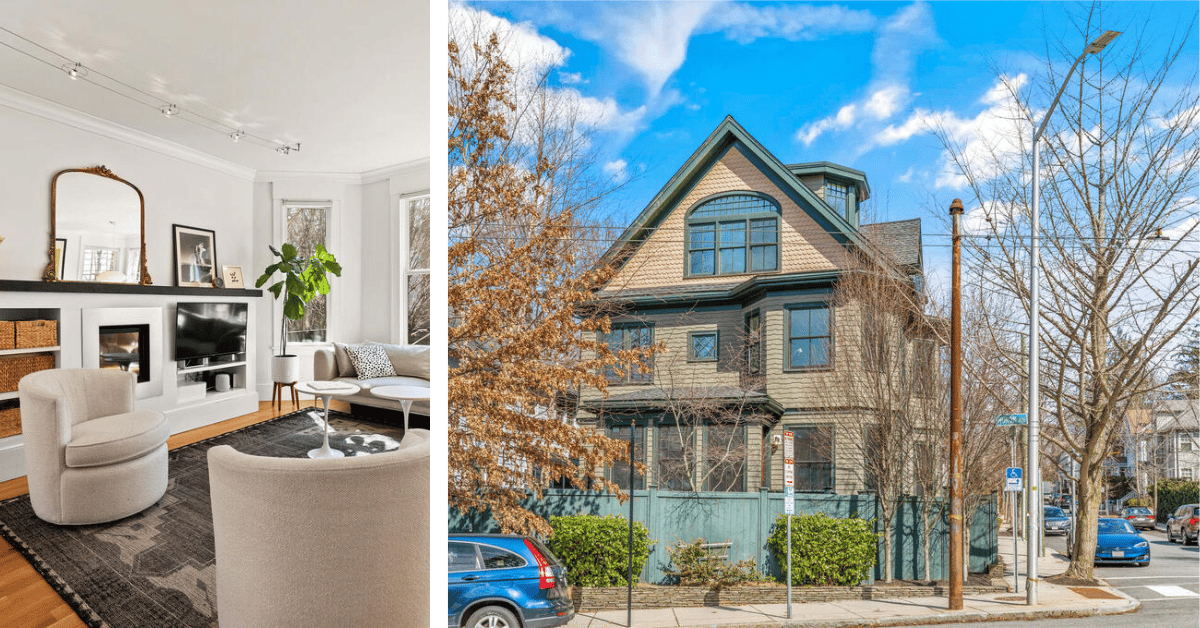
As you continue your walk, later layers come into view. Federal, Regency, Italianate, Queen Anne, Colonial Revival, and Georgian Revival houses all appear along the corridor.
A useful way to read the street is to look for repeating details:
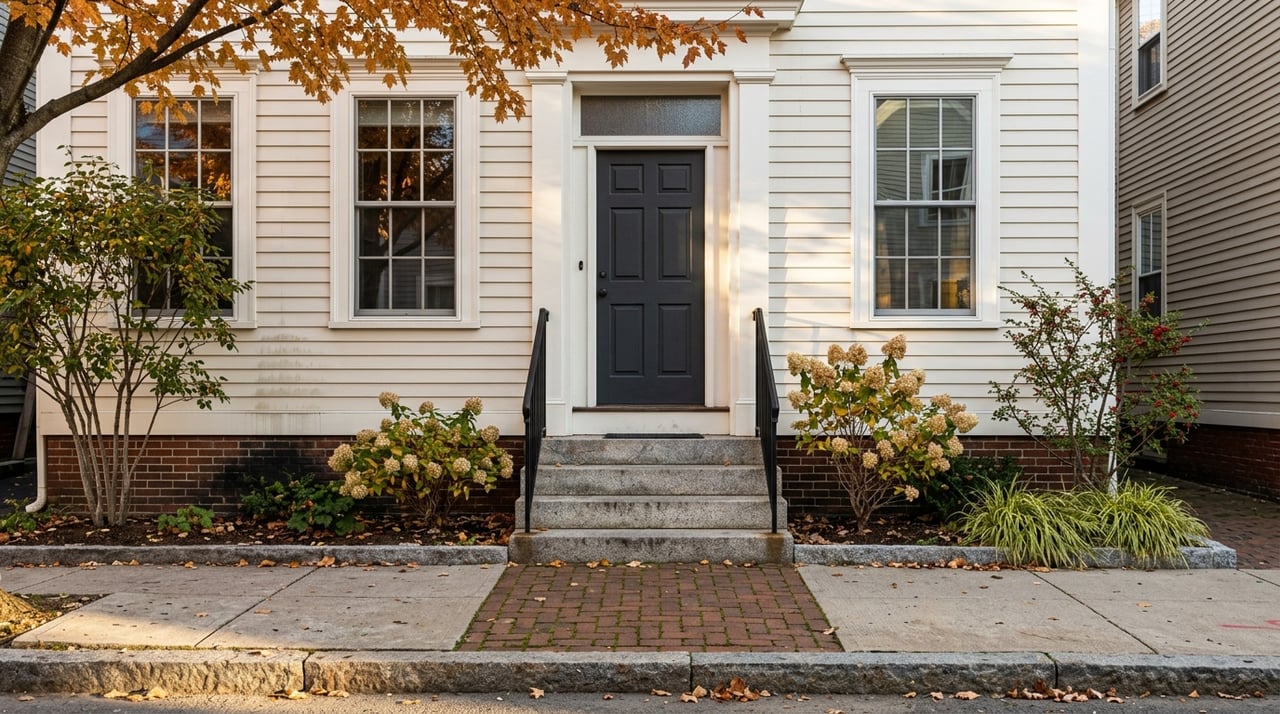
- Georgian symmetry
- Five-bay facades
- Center entrances
- Classical trim
- Brick or clapboard exteriors
- Queen Anne asymmetry and texture
- Tudor Revival rooflines and half-timbering
These repeated features create continuity, even as the houses come from different decades.
Look for Telling Examples
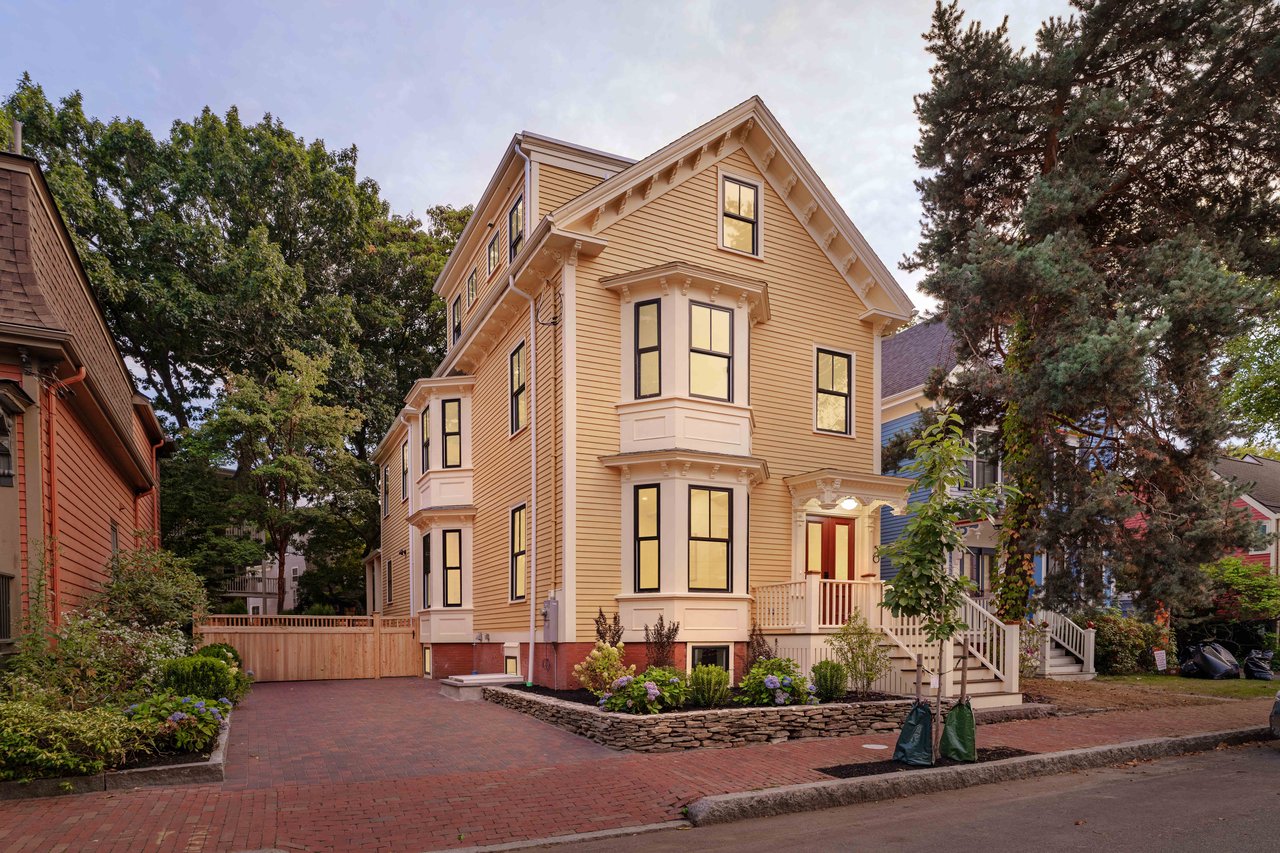
A few properties help bring the story into focus. The Hooper-Lee-Nichols House at 159 Brattle Street is one of Cambridge’s oldest houses and reflects layers of Colonial, Georgian, Victorian, and Colonial Revival change.
That kind of layered history matters in West Cambridge. It shows that the neighborhood was shaped over time, not preserved as a single frozen moment.
You can also look for 128 Brattle Street, a Tudor Revival house renovated by Lois Lilley Howe. Then there is 146 Brattle Street, a late-1930s Georgian Revival house that still feels visually related to the older homes nearby.
Together, these examples show one of West Cambridge’s defining strengths. Newer additions often respected the scale, materials, and visual order already present on the street.
Walk Into Larchwood
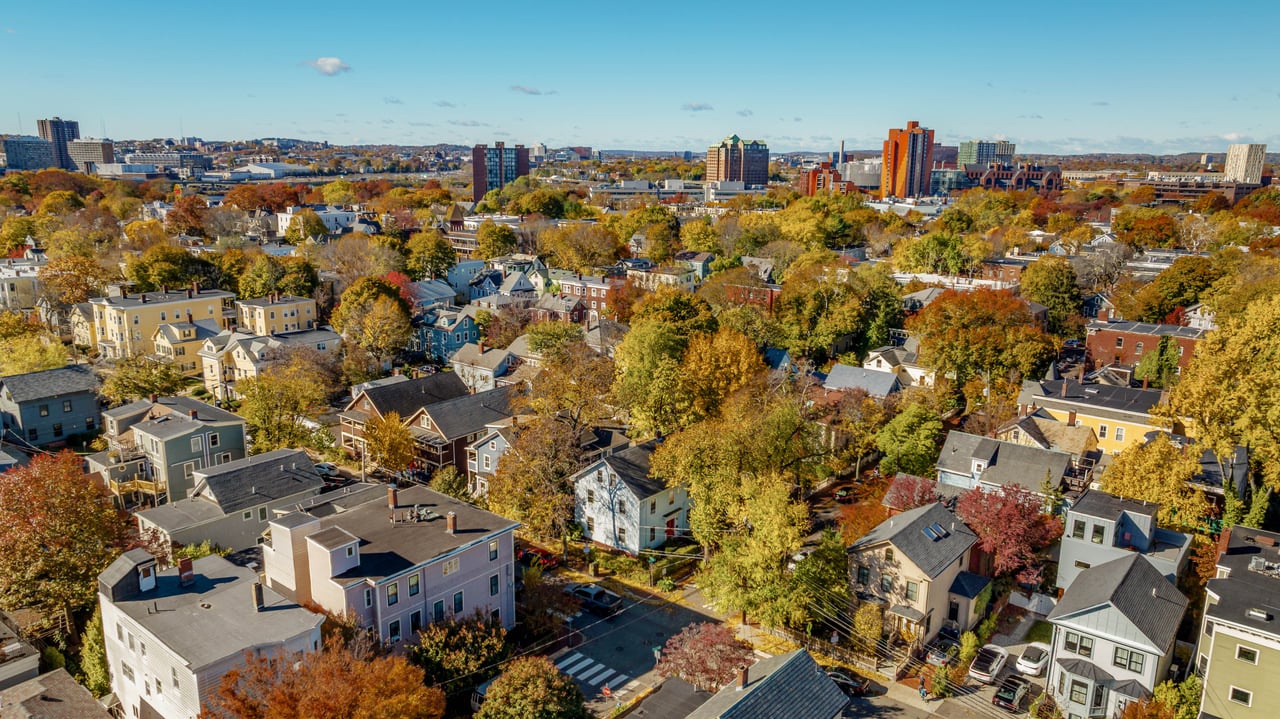
After Brattle Street, Larchwood offers a different but equally compelling experience. This area is one of the best places in West Cambridge to see how landscape planning becomes part of the architecture.
The Cambridge Historical Commission describes Larchwood as a planned garden suburb, laid out in 1915 and built up through the mid-1920s. Its winding streets, preserved trees, and strong consistency of scale give it a distinct identity.
Here, the neighborhood itself feels designed. The streets curve rather than run rigidly straight, and the houses sit within a setting that feels intentional from the start.
Why Larchwood Matters
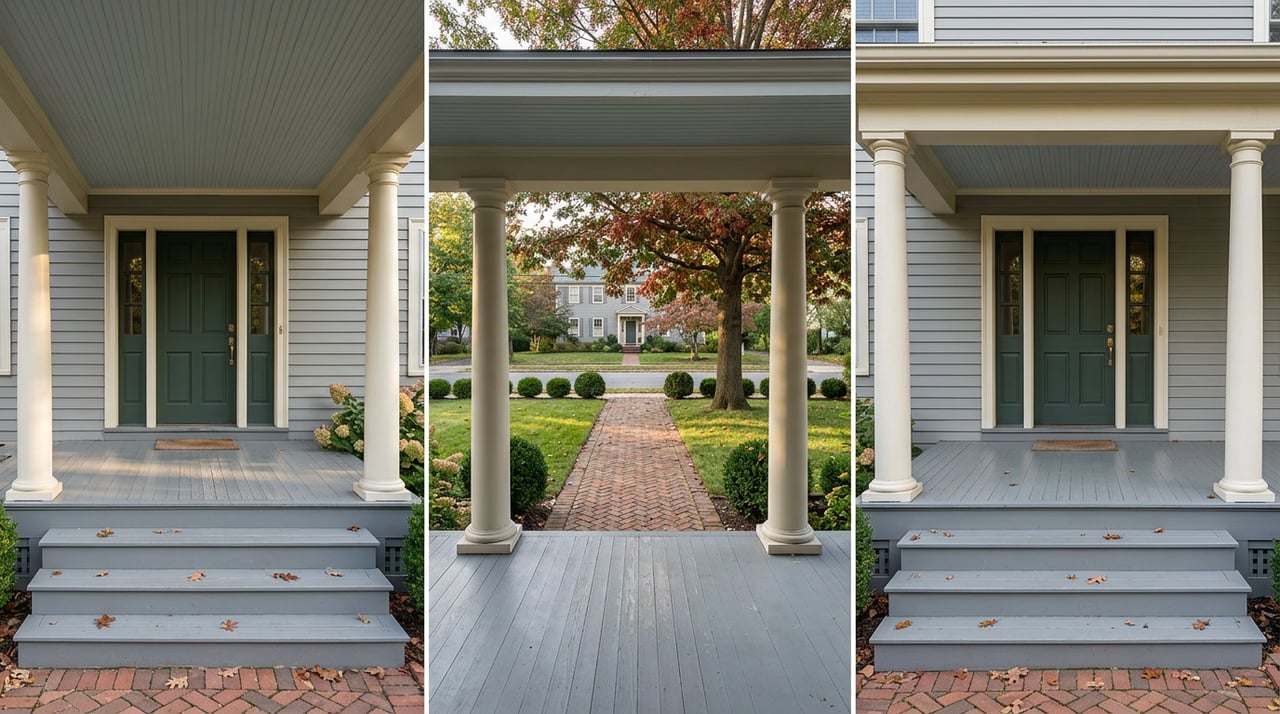
Larchwood was built with large frame or brick houses that typically used versions of Georgian Revival style. But the story is not only about house design.
The plan intentionally preserved trees and garden remnants from the earlier Gray estate. That means the landscape is not just a backdrop. It is part of the neighborhood’s architectural character.
Larchwood also grew around older elements, including The Larches and 36 Larch Road, a 1751 farmhouse that was moved into the plan. That makes the area especially interesting because it blends estate remnants, suburban planning, and revival-era home design in one walkable setting.
Read the Garden-Suburb Pattern
When you walk through Larchwood, pay attention to more than facades. The bigger story is how the houses, streets, and greenery work together.
Look for these patterns:
- Winding street layouts
- Mature trees and planted edges
- Consistent house scale
- Broad setbacks
- Georgian Revival influence
- A calm, residential rhythm
This is a helpful reminder that architecture is not only about a building’s style. In West Cambridge, the setting often shapes your experience just as much as the structure itself.
Head Toward Huron Village
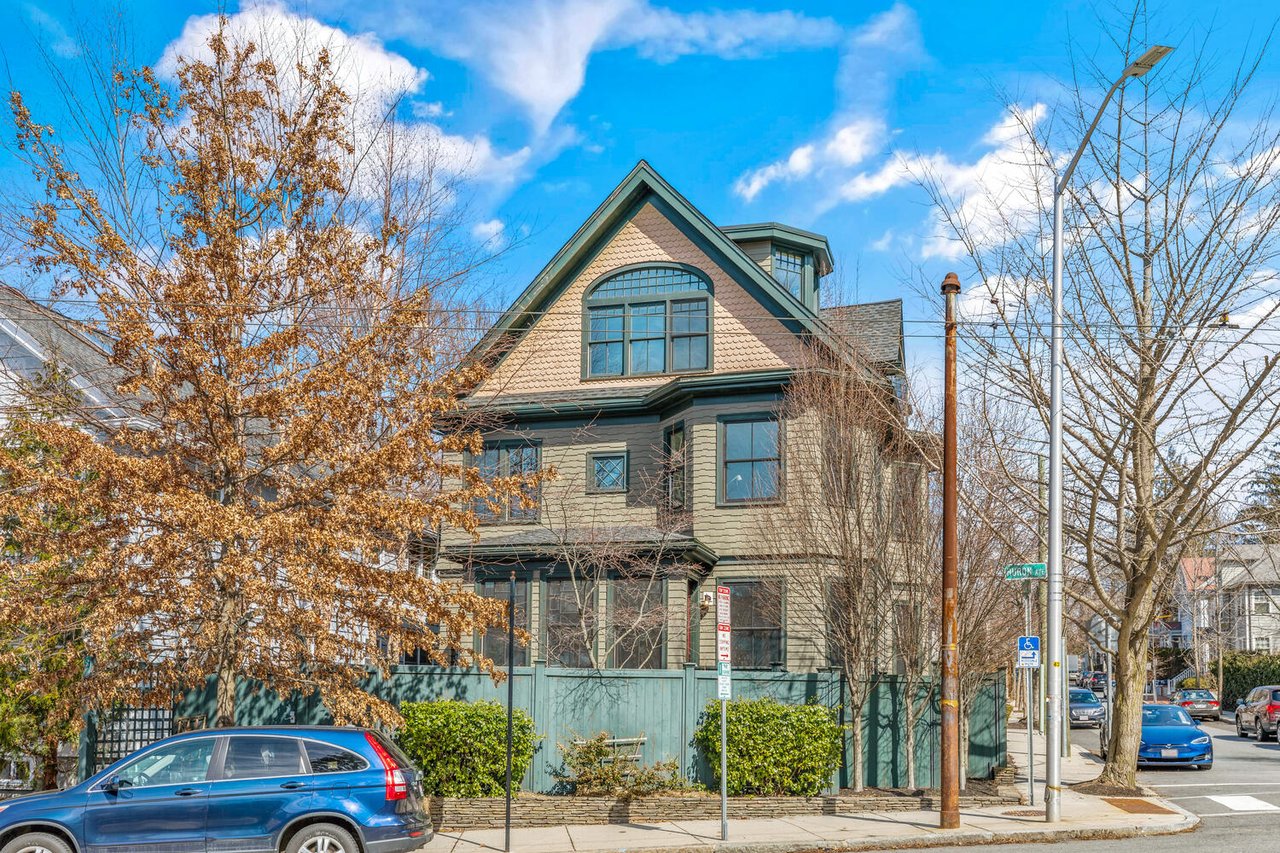
Huron Village introduces another side of West Cambridge. While Brattle Street feels more formal and Larchwood feels planned and picturesque, Huron Village reflects the growth of a neighborhood retail center and a streetcar-suburb pattern.
The City of Cambridge identifies the businesses along Huron Avenue toward Fresh Pond as Huron Village. Around Concord and Huron Avenues, you will notice a more local commercial rhythm that supports the surrounding residential streets.
That shift matters on an architecture walk. It shows how transportation and everyday commerce shaped a different kind of neighborhood fabric.
How Huron Village Differs
History Cambridge describes Huron Avenue as the city’s only classic 19th-century streetcar suburb. Development in the area was influenced by the 1856 horse-drawn line down Brattle Street, the 1889 plan for Huron Avenue, and the 1894 transit shift that helped push growth onto the north-slope pastures.
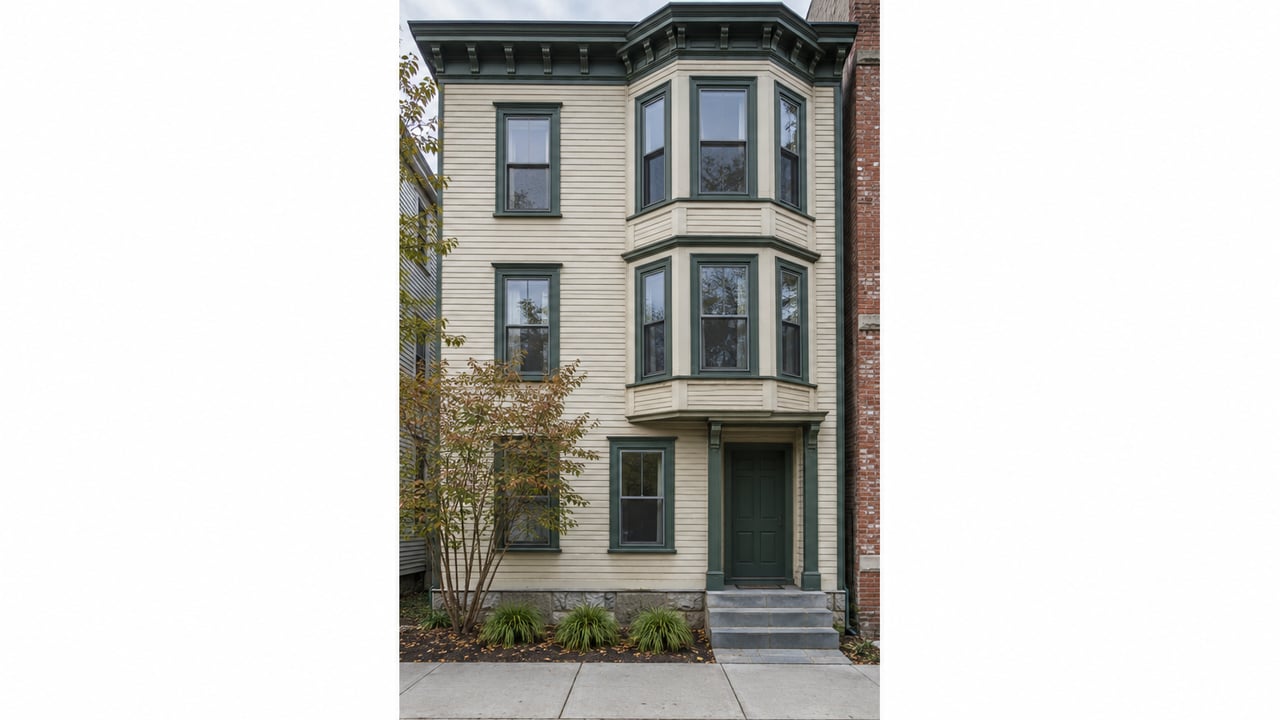
As a result, the housing pattern here differs from Brattle Street. You will see a more suburban rhythm, with two-family houses, later infill, and a streetscape that feels more tied to neighborhood-scale daily life.
This section of the walk can help you understand West Cambridge as more than a collection of grand historic homes. It is also a lived-in residential area shaped by transit, commerce, and gradual change.
Find Modern Architecture Too
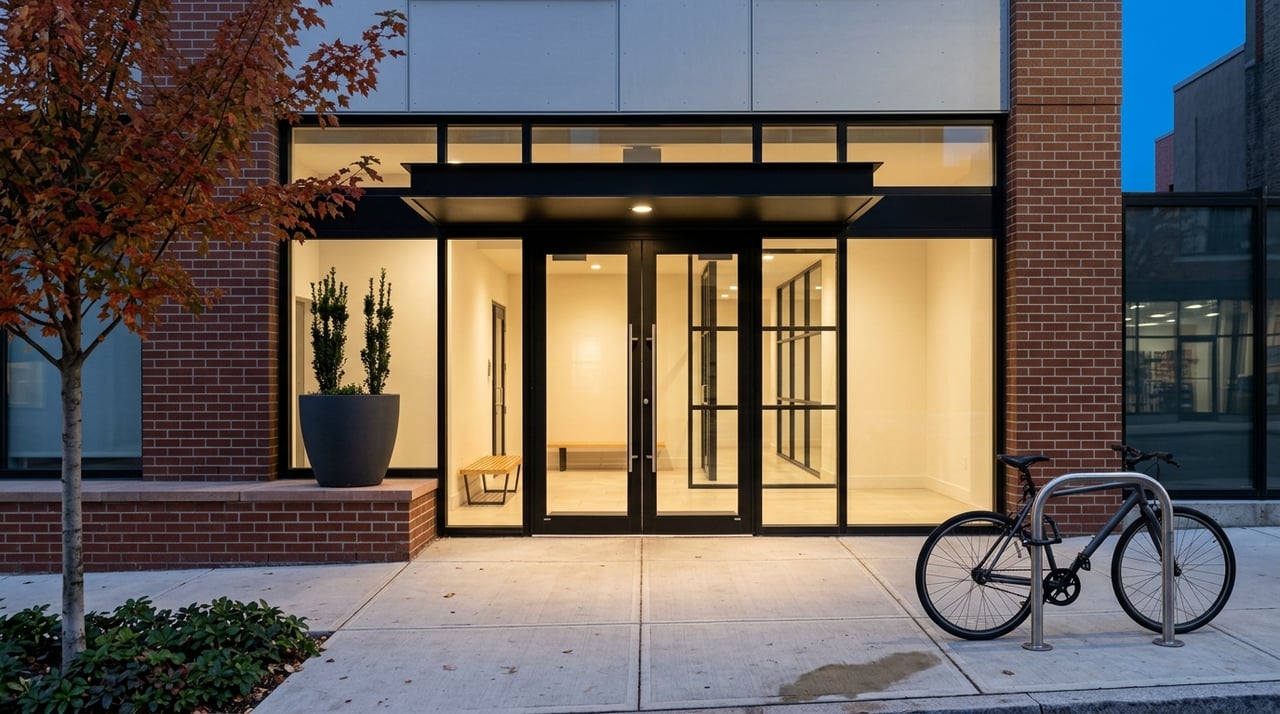
One of the best surprises in Huron Village and nearby streets is the presence of mid-20th-century modernism. If you expect West Cambridge to stop at Colonial Revival and Georgian Revival, this part of the neighborhood expands the picture.
History Cambridge notes several modern houses in the area, including 45 Fayerweather Street from 1940 in the International Style, 26 Reservoir Road from 1955, 11 Reservoir Street from 1965, and 199 Brattle Street from 1966.
These homes introduce a new set of visual cues:
- Lower roof pitches
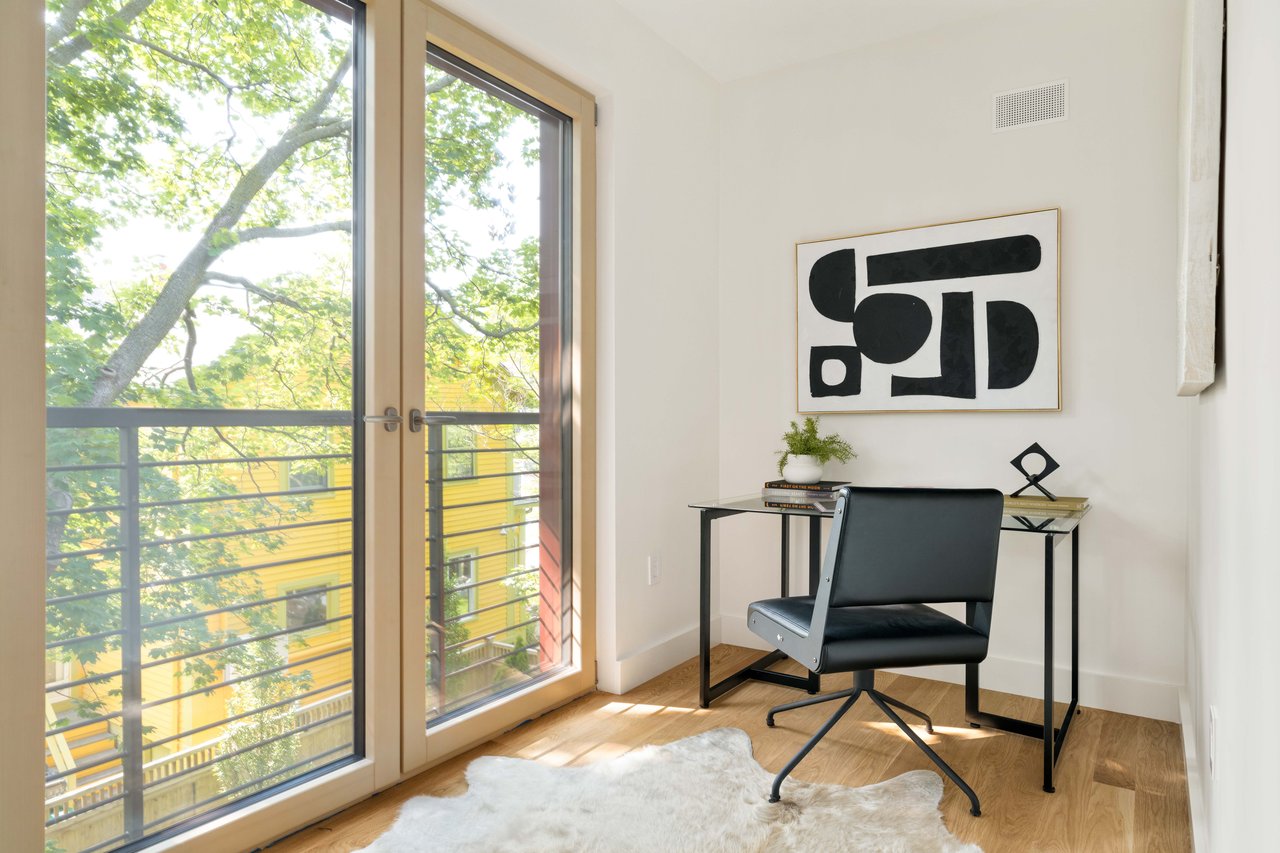
- More glass
- Opener planning ideas
- Stronger horizontal lines
- Simpler massing
That contrast is part of what makes the walk so satisfying. West Cambridge did not stop evolving after the early 20th century, and the modern houses make that clear.
What the Full Walk Reveals
Taken together, these streets show why West Cambridge has such a lasting sense of character. The neighborhood combines protected historic fabric, thoughtful landscape planning, useful small-scale commercial areas, and continued architectural evolution.
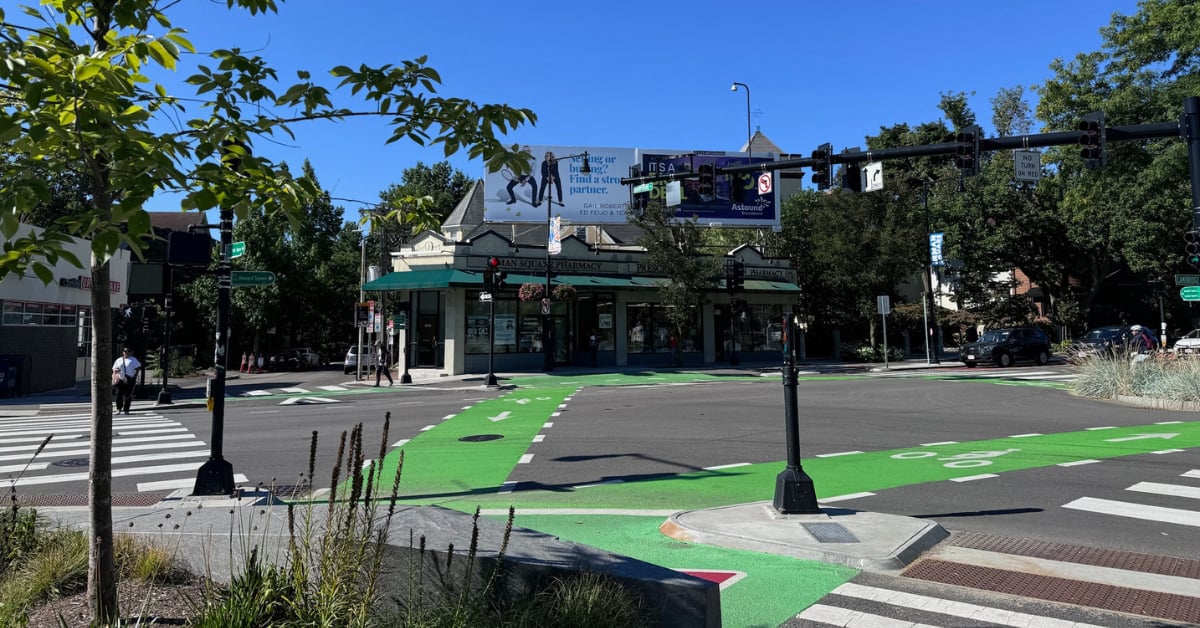
Recent pedestrian and bike improvements on Brattle Street add another layer to that story. The city’s Brattle Street safety project now extends a two-way separated bike lane the full length of the street, and the Old Cambridge Historic District portion of the project went through Historical Commission review.
That balance is worth noticing. West Cambridge feels preserved, but it also feels functional and lived in.
Why This Matters If You Love Homes
If you are drawn to historic or design-forward homes, West Cambridge offers more than curb appeal. It gives you a clear sense of how architecture, preservation, and neighborhood planning can shape daily experience.
For buyers, that can help you understand why one street feels formal, another feels tucked away, and another feels more connected to local shops and movement. For homeowners, it highlights the value of context, materials, and the broader story a home tells within its setting.
In a place like West Cambridge, the block matters almost as much as the house. That is one reason local, street-level insight is so important when you are buying or selling an architecturally notable property.
If you are thinking about buying or selling in Cambridge and want guidance shaped by real neighborhood knowledge, Sandrine Deschaux can help you understand the streets, the housing stock, and the story behind the home.
FAQs
Where should you start an architectural walk in West Cambridge?
- A practical starting point is near Harvard Square or Brattle Square, where Brattle Street shifts from mixed-use urban fabric into the historic residential corridor.
What architectural styles can you see in West Cambridge?
- On a West Cambridge walk, you can see Georgian, Federal, Regency, Italianate, Queen Anne, Colonial Revival, Georgian Revival, Tudor Revival, and modernist houses.
Why does Brattle Street feel so visually consistent?
- Brattle Street feels cohesive because of repeated architectural features, broad setbacks, mature trees, and historic district review for exterior changes visible from public ways.
What makes Larchwood different from Brattle Street?
- Larchwood stands out as a planned garden suburb with winding streets, preserved landscape features, and a strong consistency of scale and Georgian Revival character.
How is Huron Village different from the rest of West Cambridge?
- Huron Village reflects a streetcar-suburb and neighborhood-retail pattern, with a more suburban rhythm, two-family housing, later infill, and notable mid-century modern homes nearby.