If you are thinking about buying near Cambridge Crossing, you are not just choosing a home. You are stepping into one of East Cambridge’s most active chapters of change. For buyers who want walkability, transit access, and a neighborhood that still has room to evolve, this pocket of Cambridge deserves a close look. Let’s dive in.
Why Cambridge Crossing matters
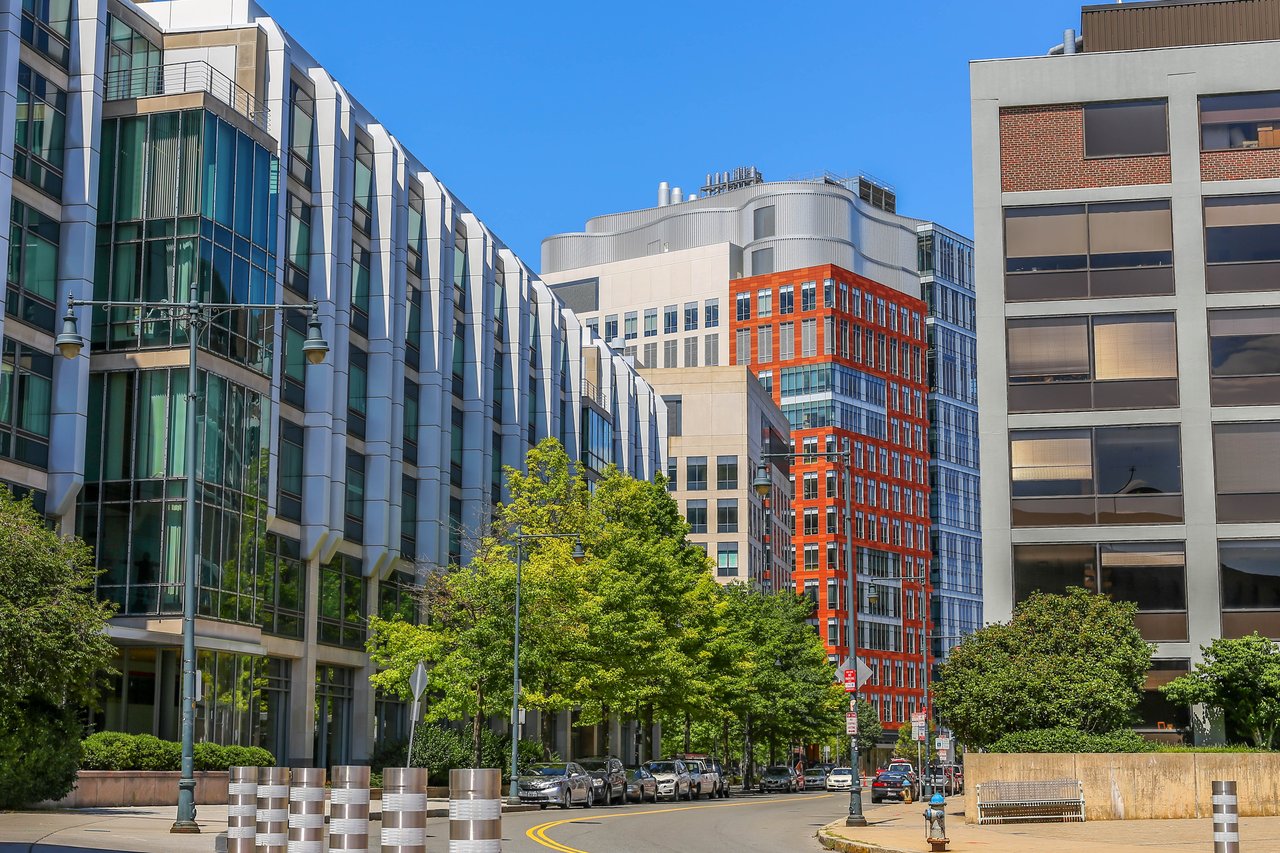
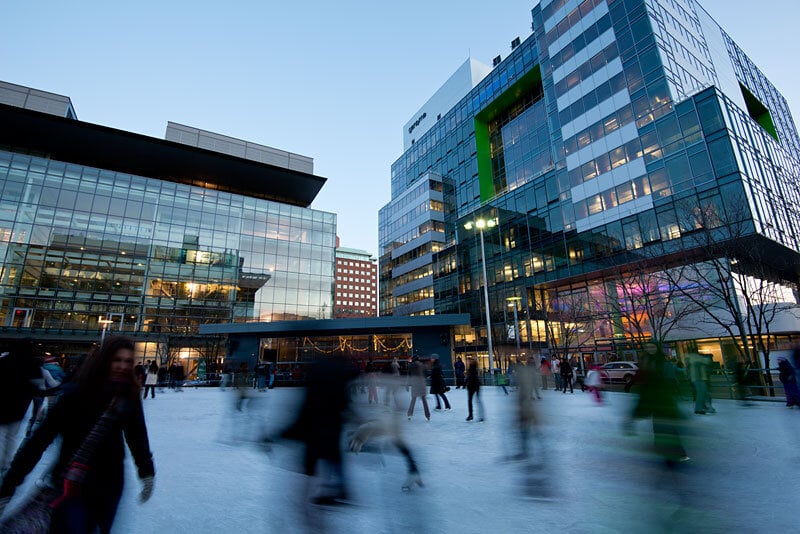
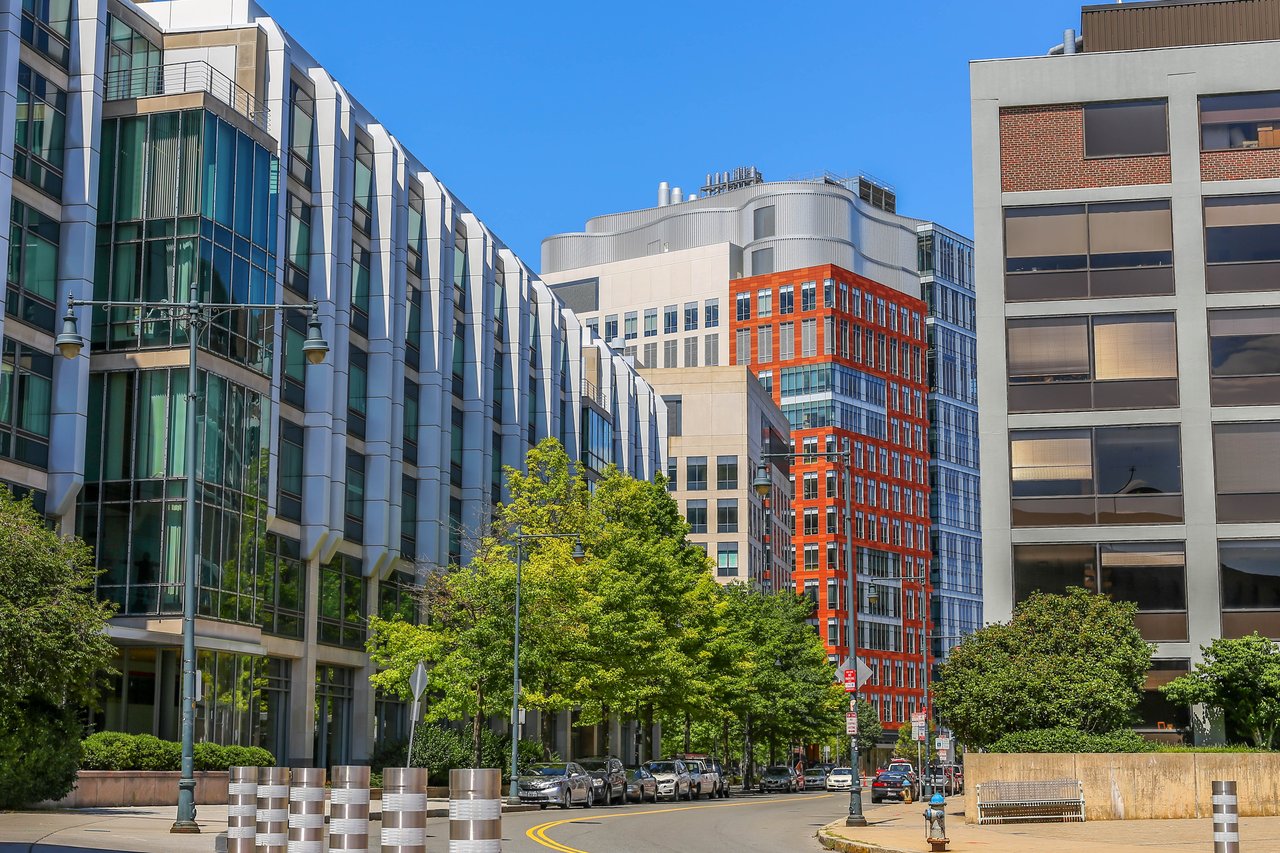
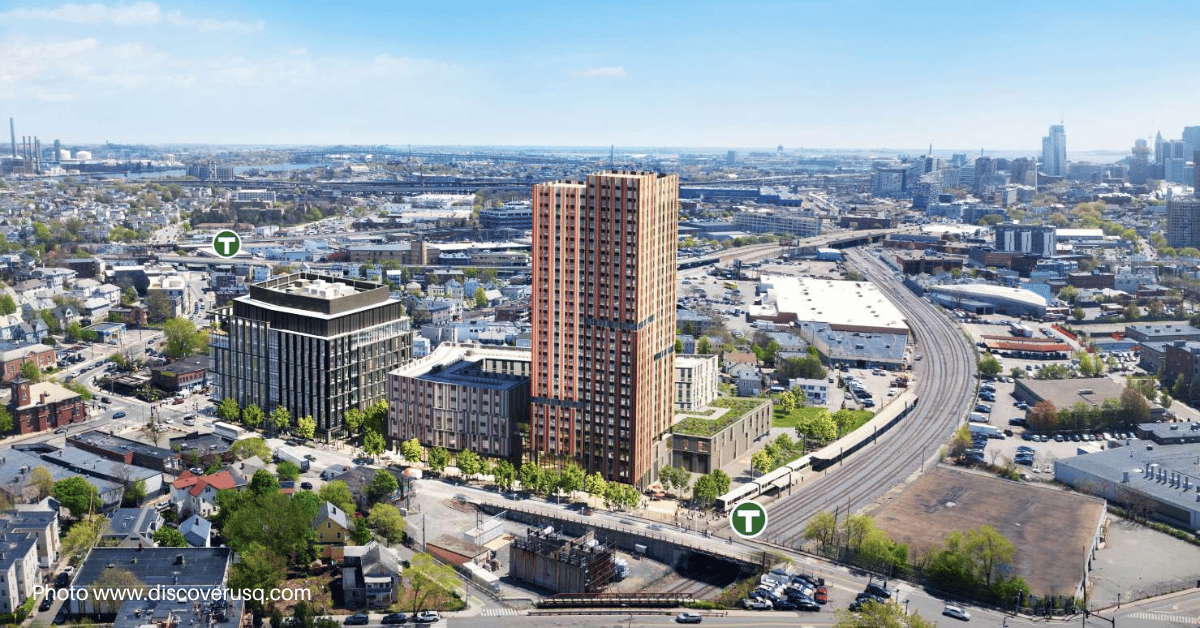
Cambridge Crossing, often called CX, has added a major new layer to East Cambridge. It is a 43-acre redevelopment with 4.5 million square feet of mixed-use space, including 2.4 million square feet of residential space, 2.1 million square feet of commercial space, 100,000 square feet of dining and retail, and 11 acres of open space.
That scale matters when you are buying nearby. It means the area is not defined by one building or one block. It is a broader district shaped by new housing, workplaces, public spaces, and streets that are still settling into their long-term identity.
East Cambridge is bigger than one project
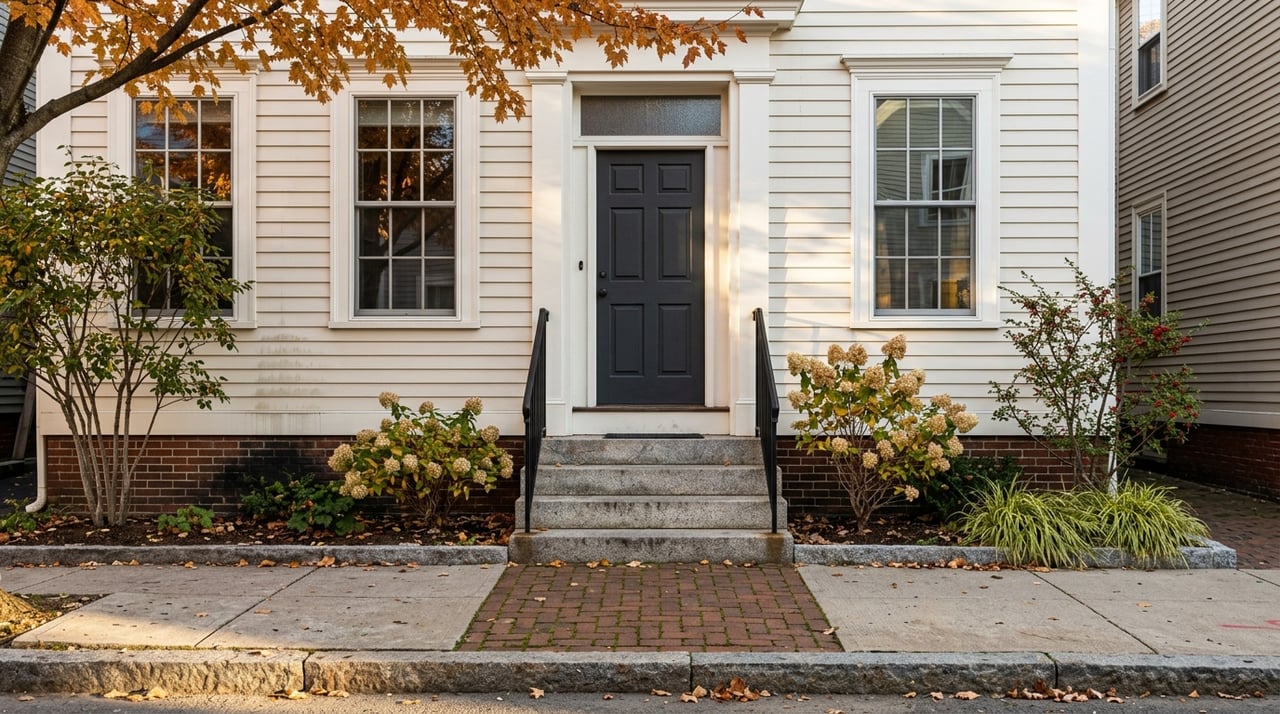
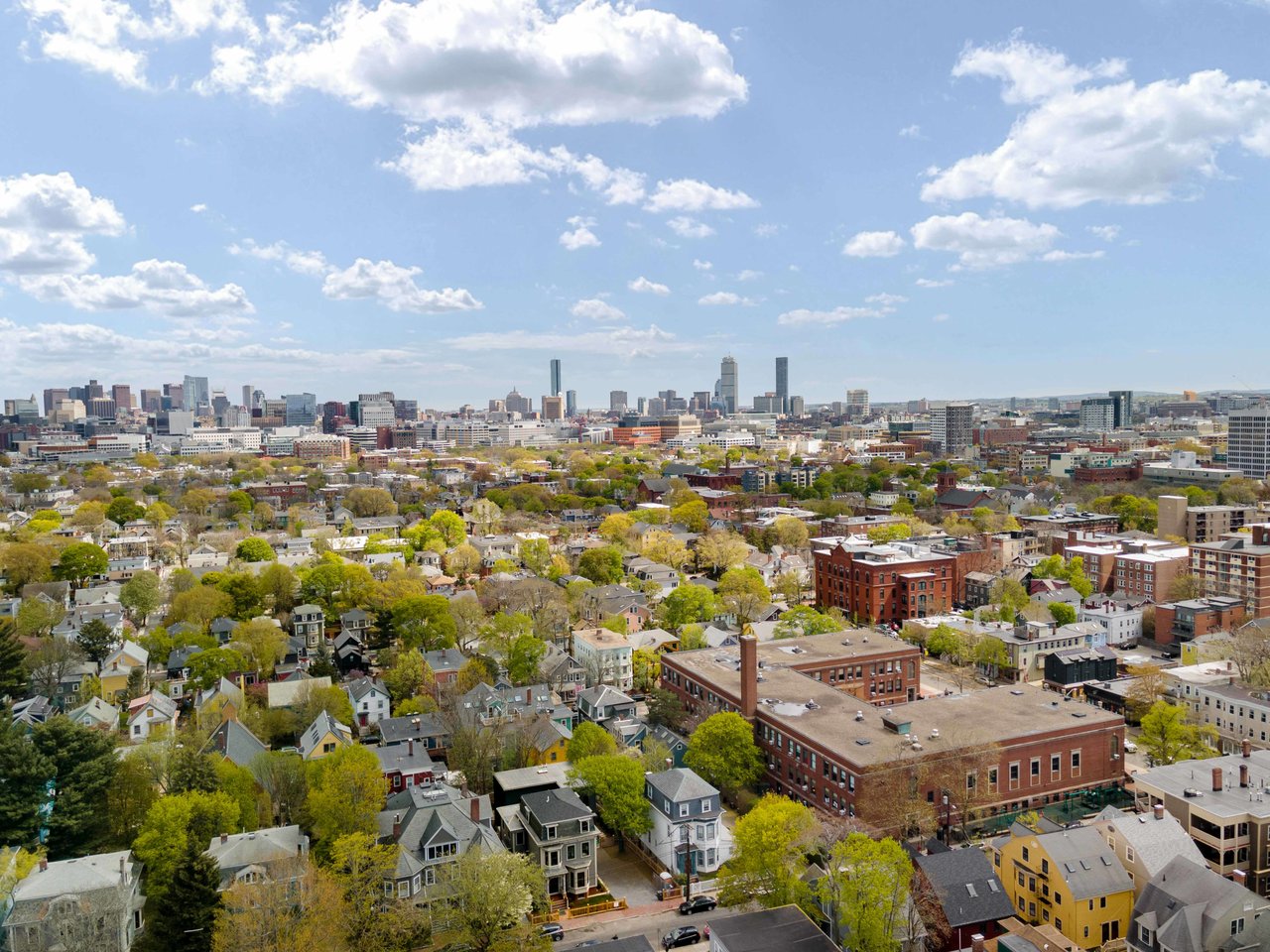
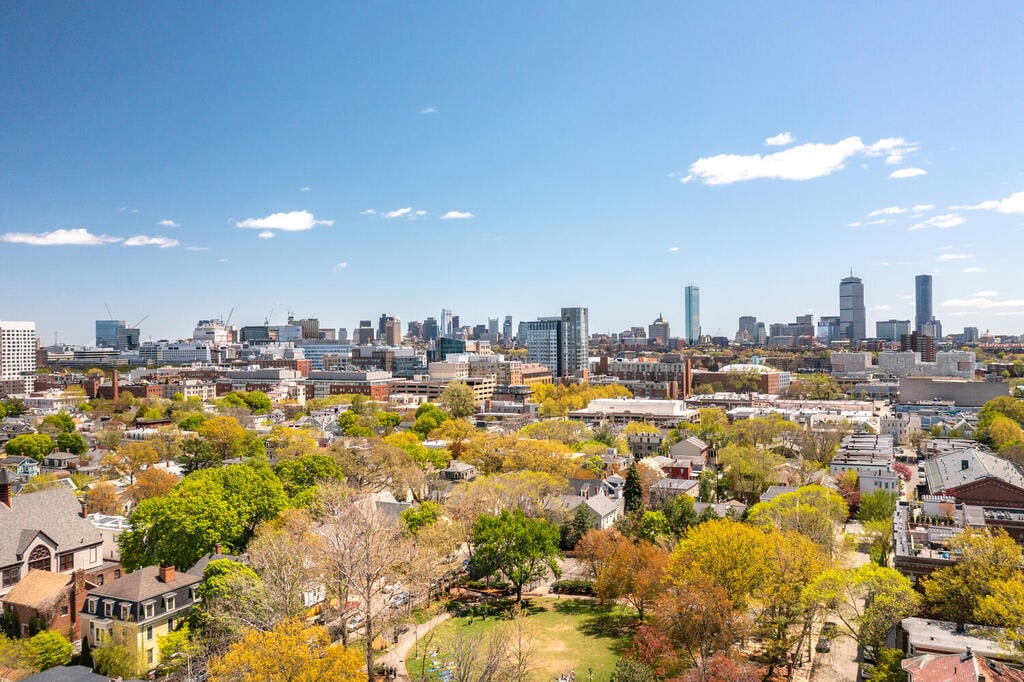
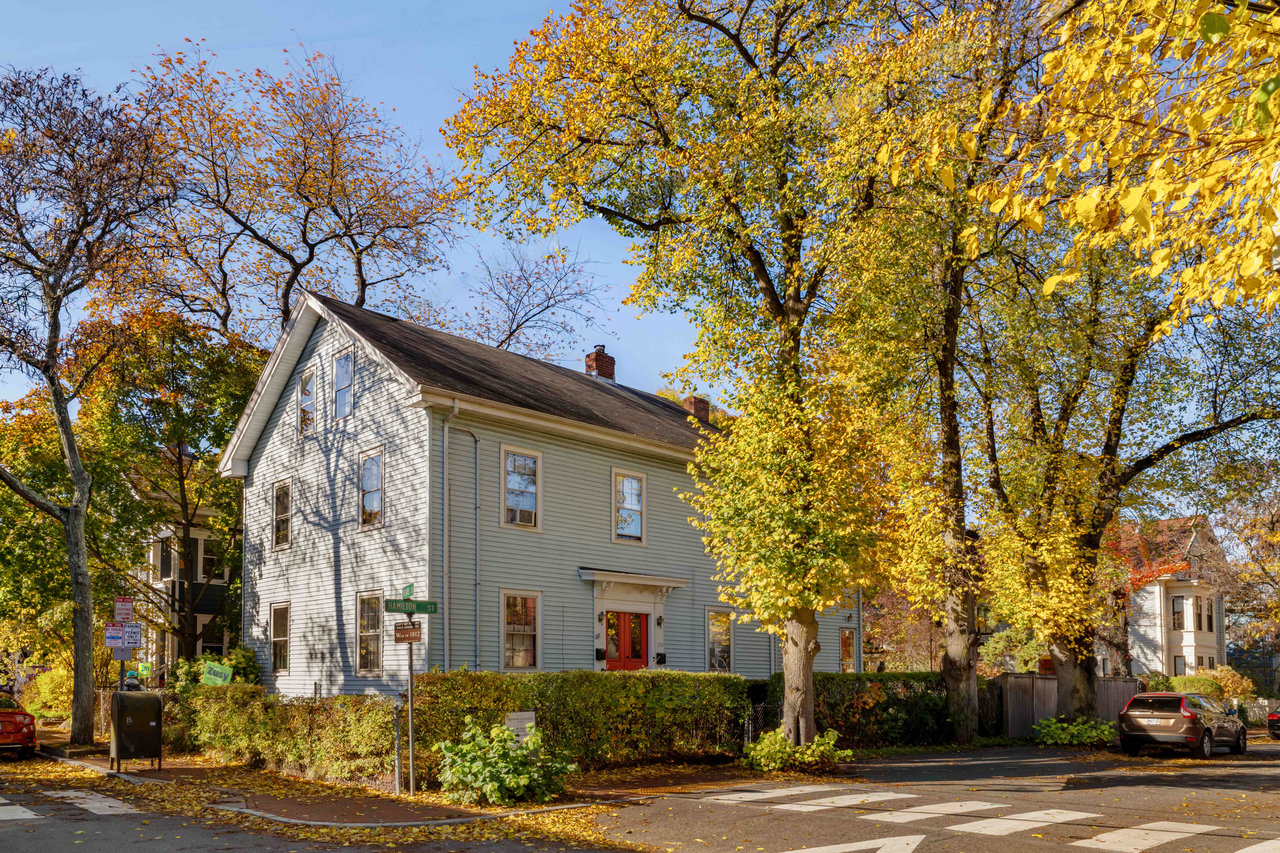
It helps to think of Cambridge Crossing as part of East Cambridge’s larger story, not the whole story. The City of Cambridge describes East Cambridge as one of the city’s older residential districts, with roots in industry and a shift since the early 1980s toward more commercial and retail development.
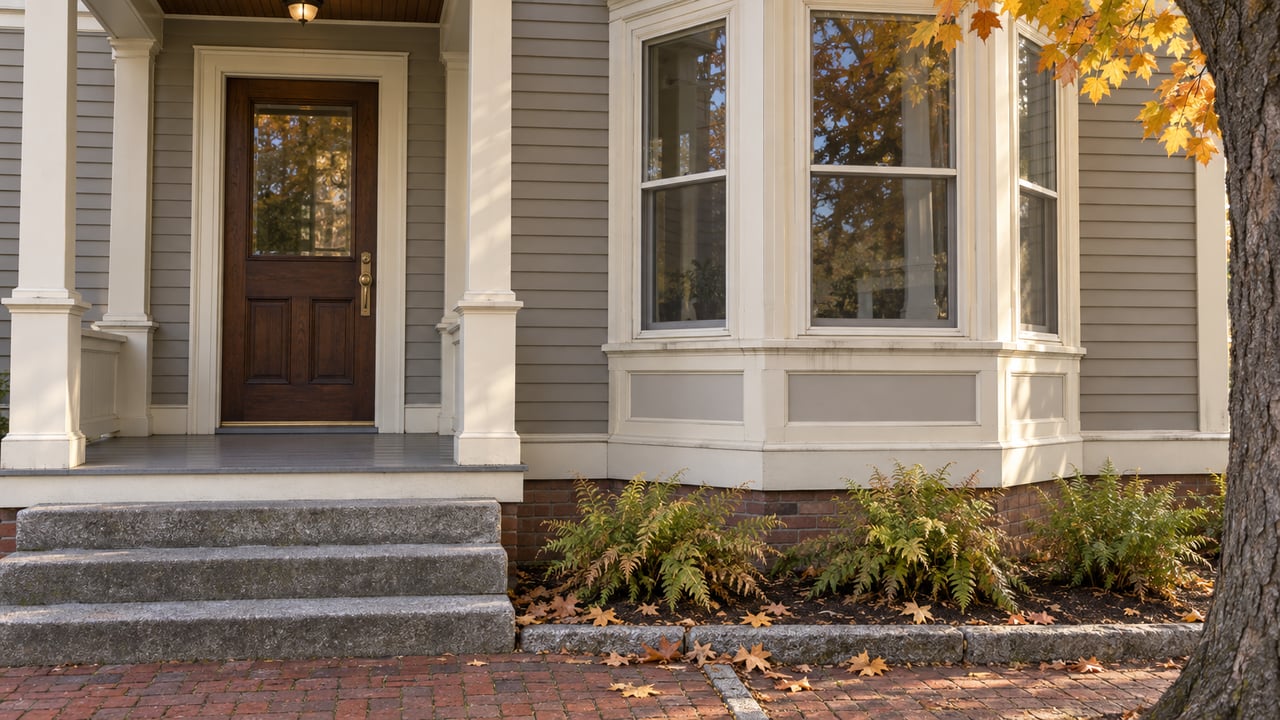
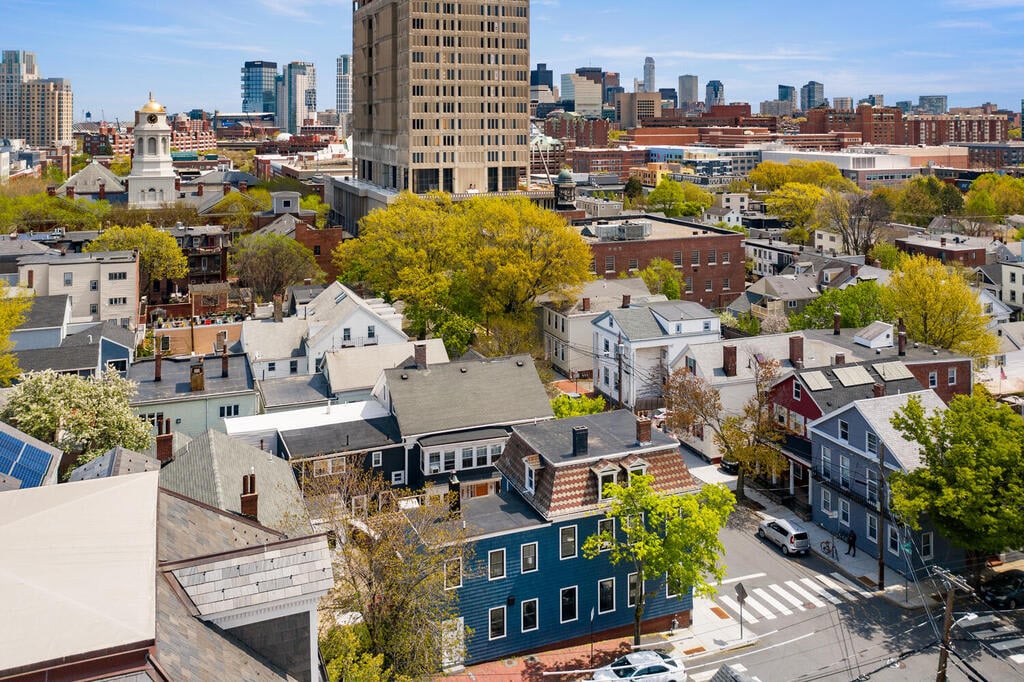
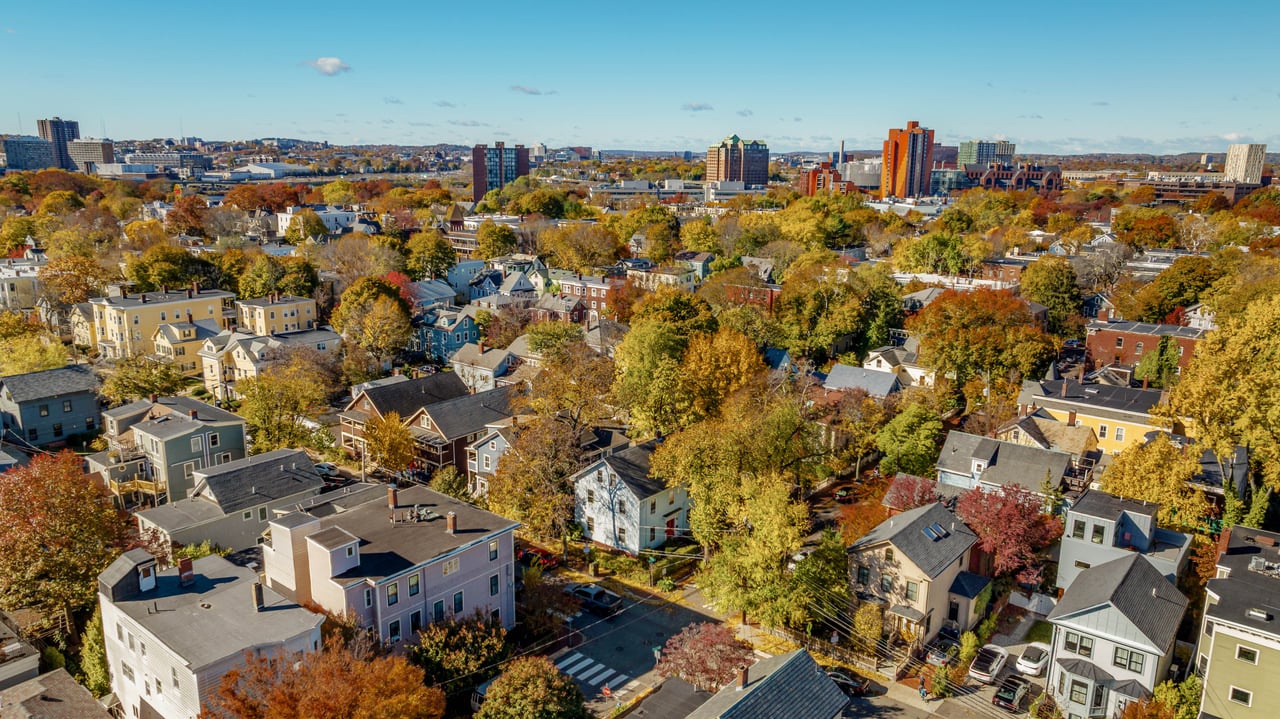
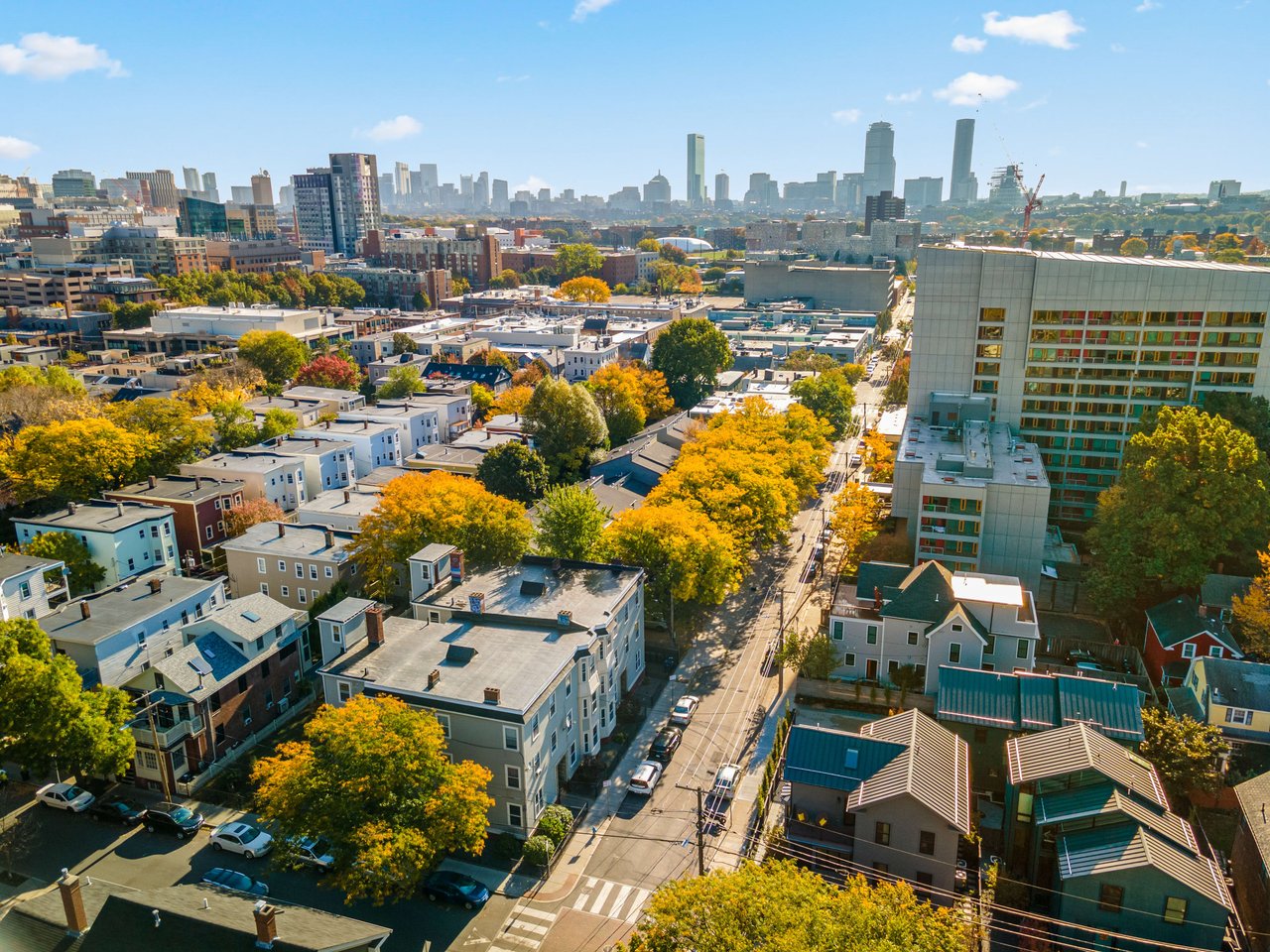
Today, East Cambridge functions as a connected urban neighborhood with several distinct subareas. The central section includes one of Cambridge’s oldest residential cores, Lechmere Square remains an important local anchor, Cambridge Street continues as a longstanding retail corridor, and Kendall Square influences the southern edge as a major commercial and transit center.
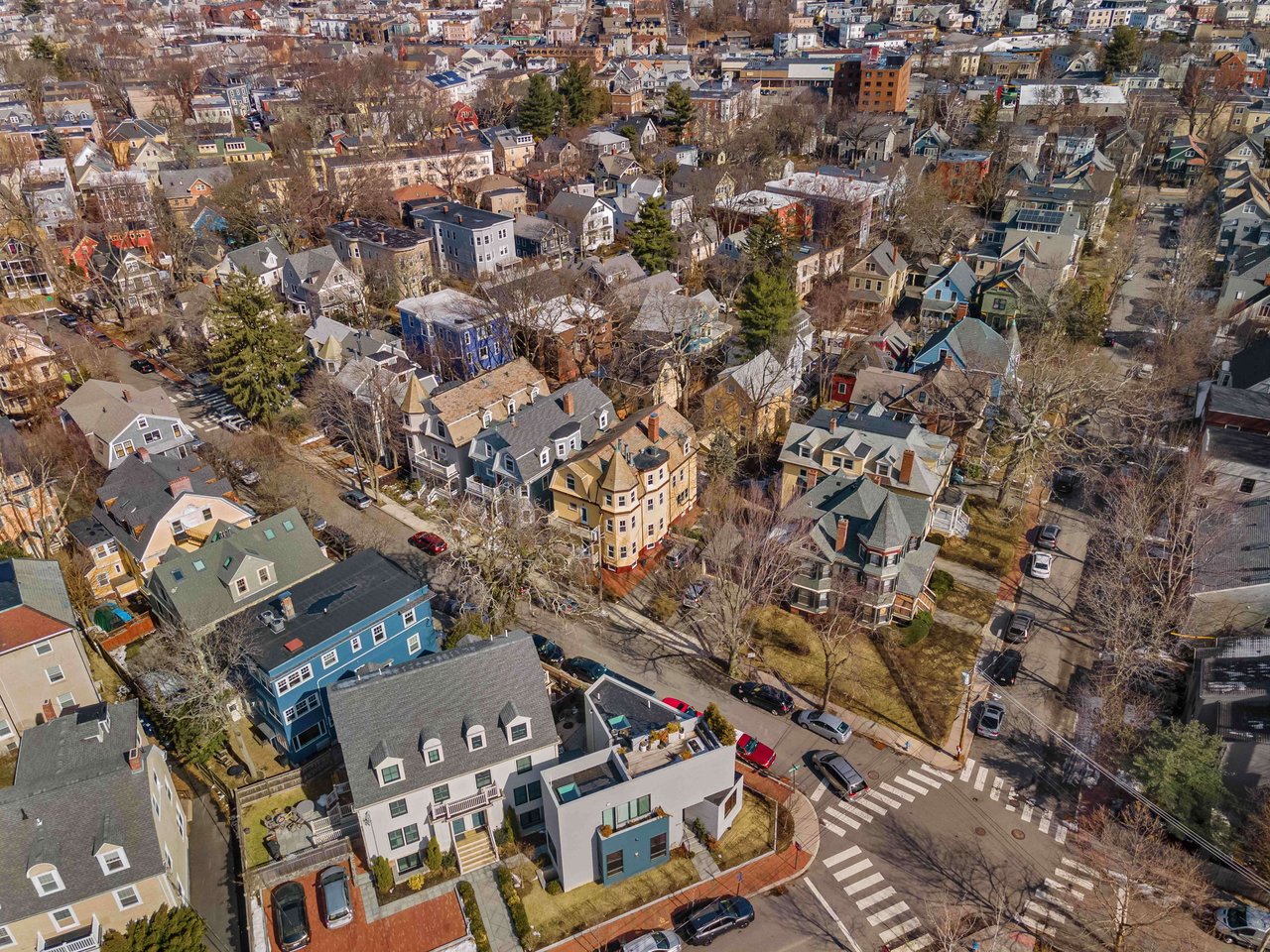
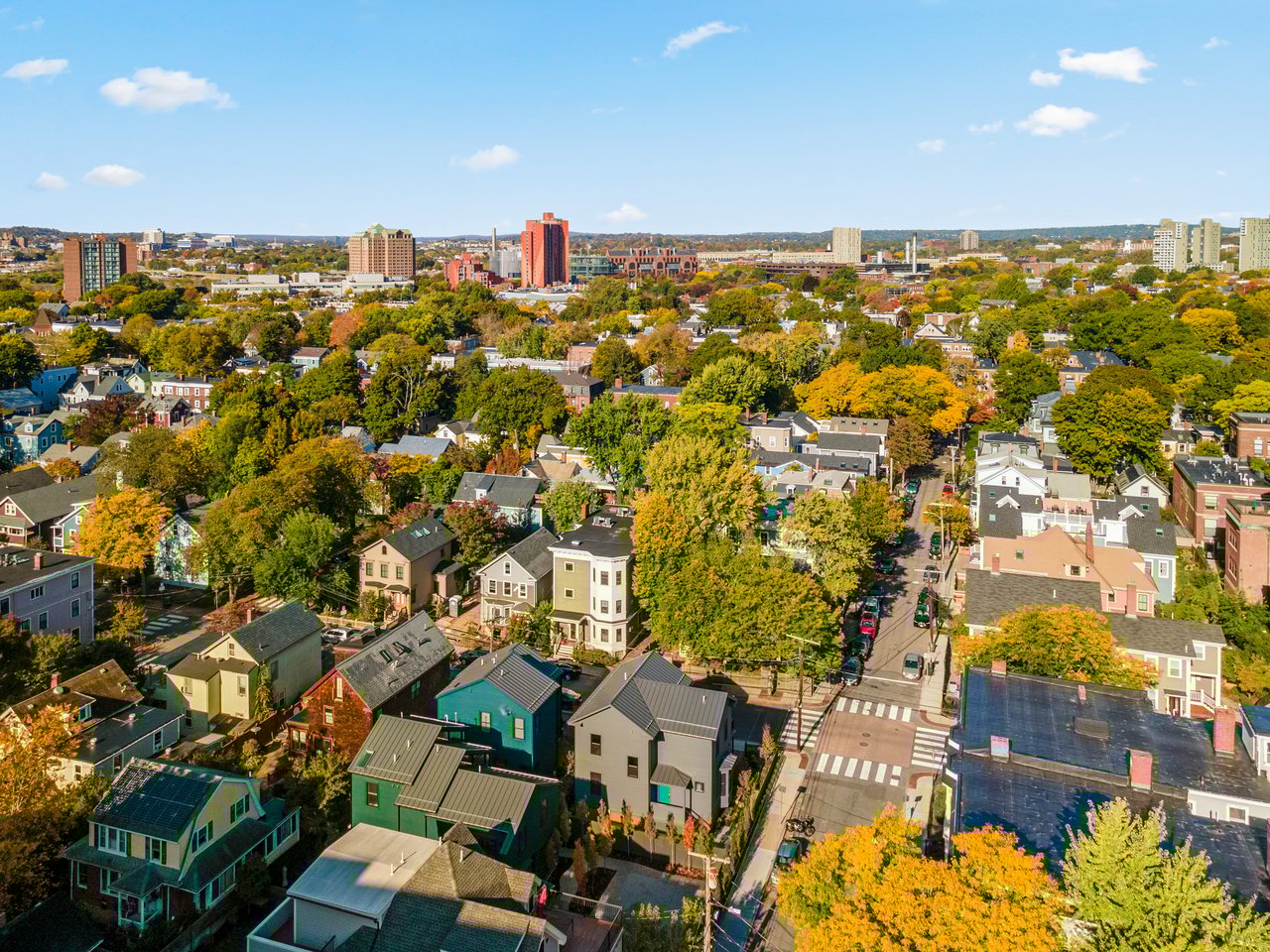
For you as a buyer, that means nearby addresses can feel quite different from one another. One block may feel more established and residential in scale, while another may feel newer, busier, and more tied to recent development.
Transit is a major part of the appeal
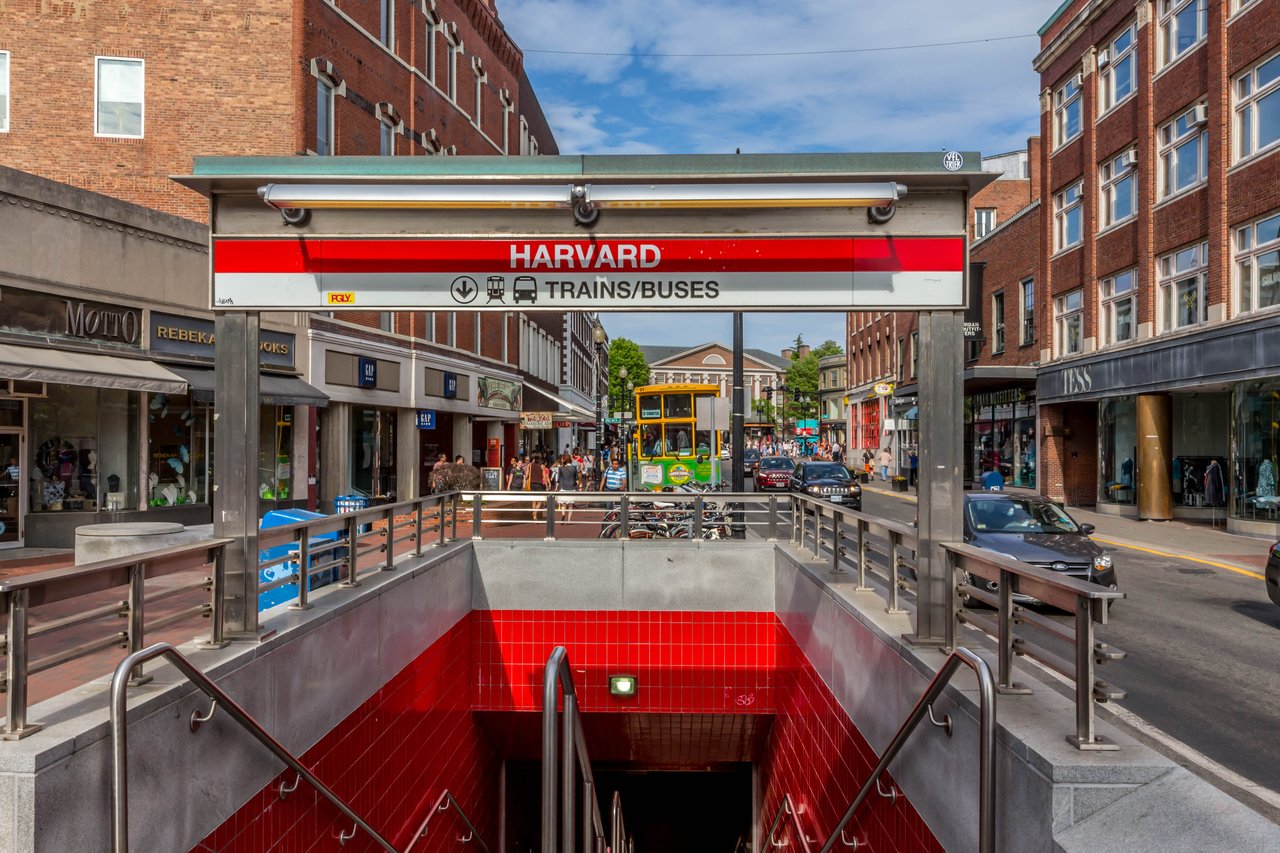
One of the biggest reasons this area is getting so much attention is transit. The Green Line Extension relocated Lechmere Station to North First Street, with the new station opening on March 21, 2022.
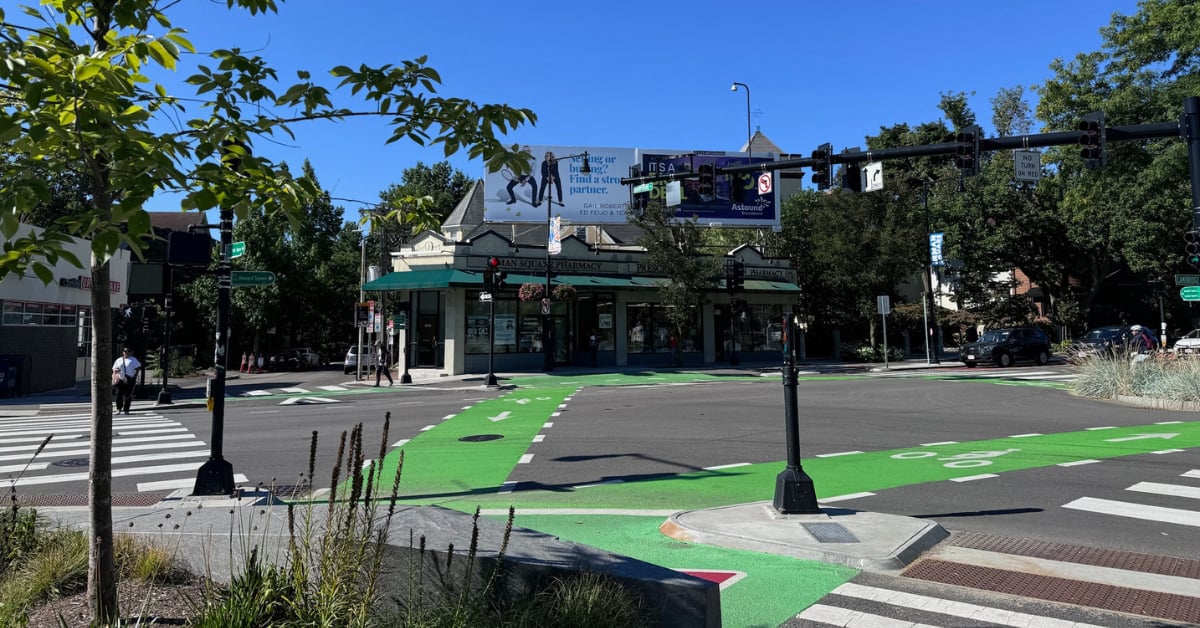
The city also added several changes that improved how people move through the area. These include the Somerville Community Path extension reaching North Point on June 10, 2023, the new First Street and North First Street connection opening on June 12, 2023, and improved pedestrian crossings around O’Brien Highway.
Cambridge Crossing also highlights access to both the Lechmere Green Line station and the nearby Community College Orange Line station. If your daily routine depends on rail access, shorter car use, or easier bike and walking routes, that can make this location especially compelling.
What daily life may feel like here
East Cambridge’s appeal is not only about commute times. It is also about how much you can reach on foot or by bike.
The city points to Cambridge Street’s restaurants and specialty shops, along with nearby destinations such as the riverfront, CambridgeSide, and the Museum of Science. Public open space also plays a larger role here than many buyers expect, with places like Lechmere Canal Park, North Point Park, Charles Park, Costa Lopez Taylor Park, and Timothy J. Toomey, Jr. Park adding variety to the neighborhood experience.
Within Cambridge Crossing, 11 acres of public open space add another layer to that lifestyle. For some buyers, that mix of newer public realm improvements and established neighborhood amenities is a big part of the draw.
Housing near Cambridge Crossing
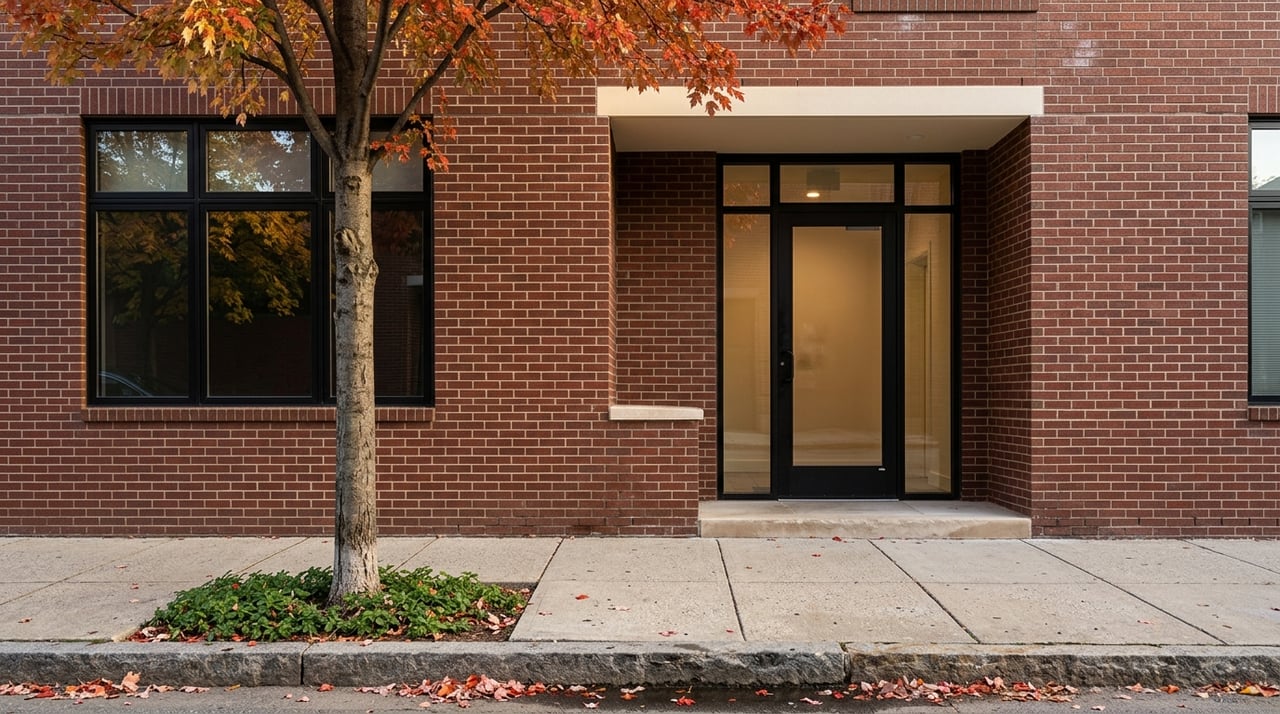
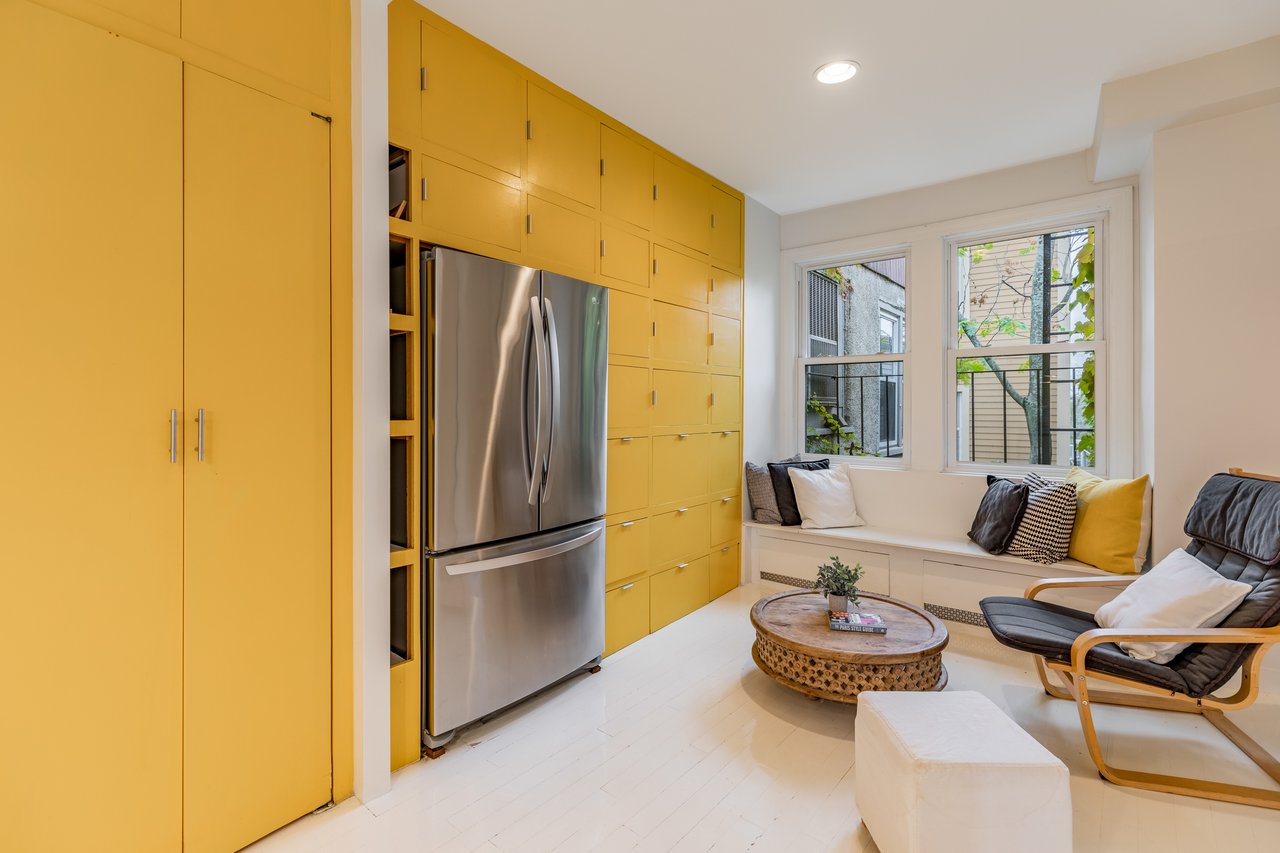
If you are searching near Cambridge Crossing, your housing options will usually look different from lower-density parts of Cambridge. East Cambridge is largely a multi-unit, transit-oriented neighborhood.
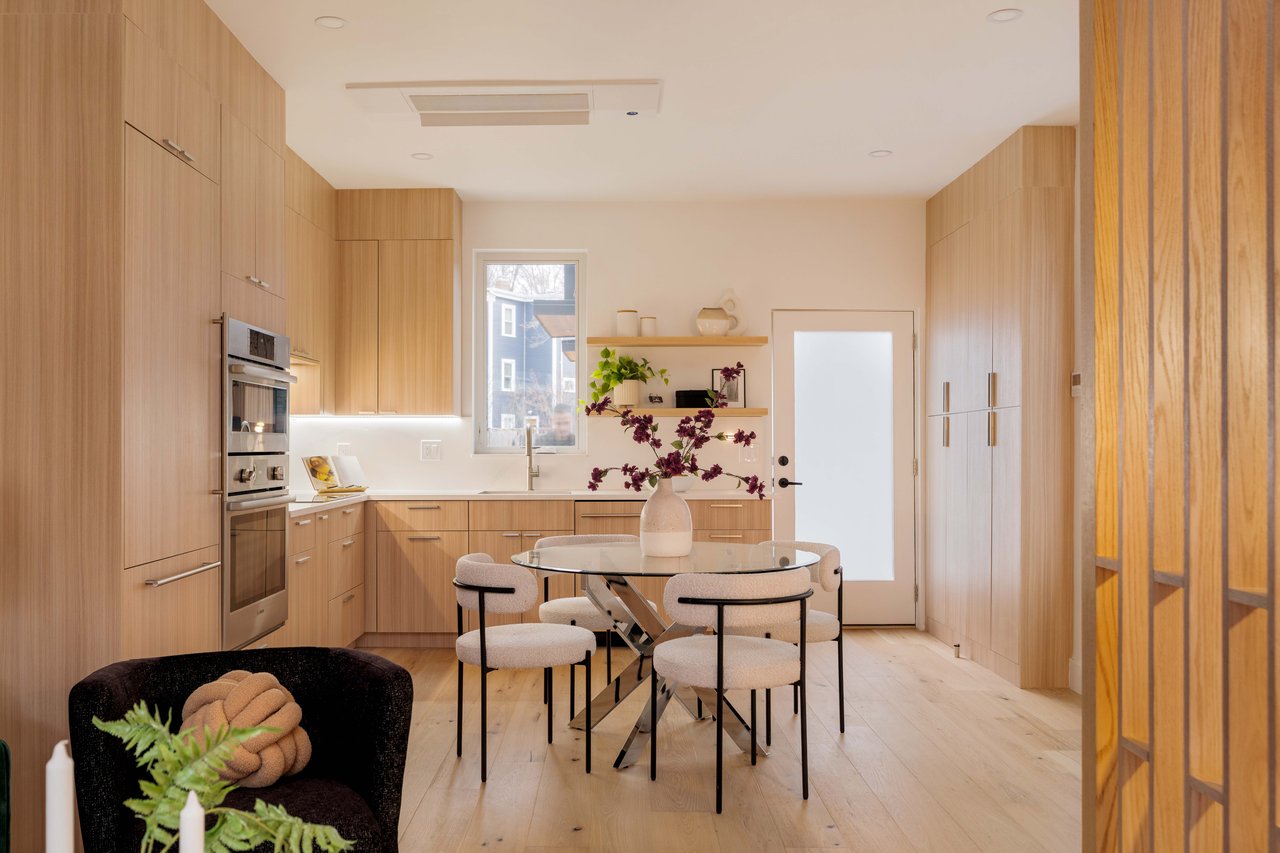
The city’s 2023 profile reports 7,308 dwellings, with 64.9% renter-occupied housing and 24.2% owner-occupied housing. In practical terms, buyers are more likely to encounter condos, smaller multifamily homes, and larger apartment-style buildings than detached single-family houses.
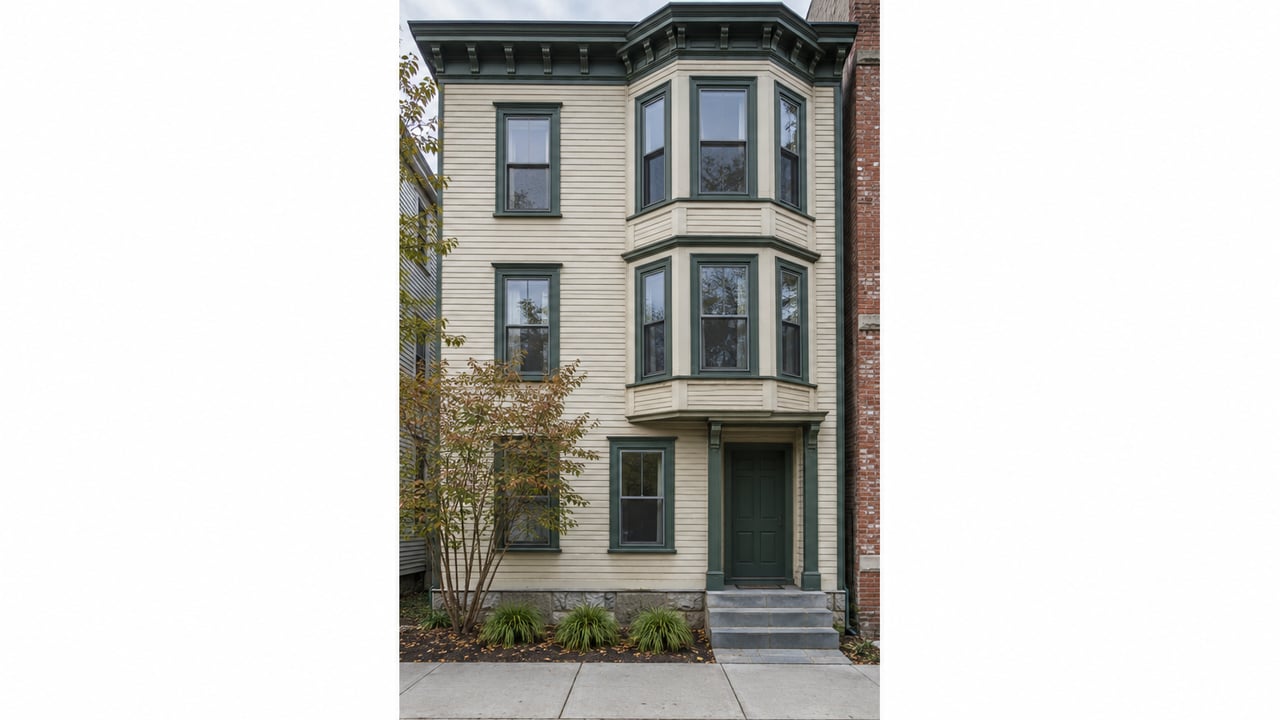
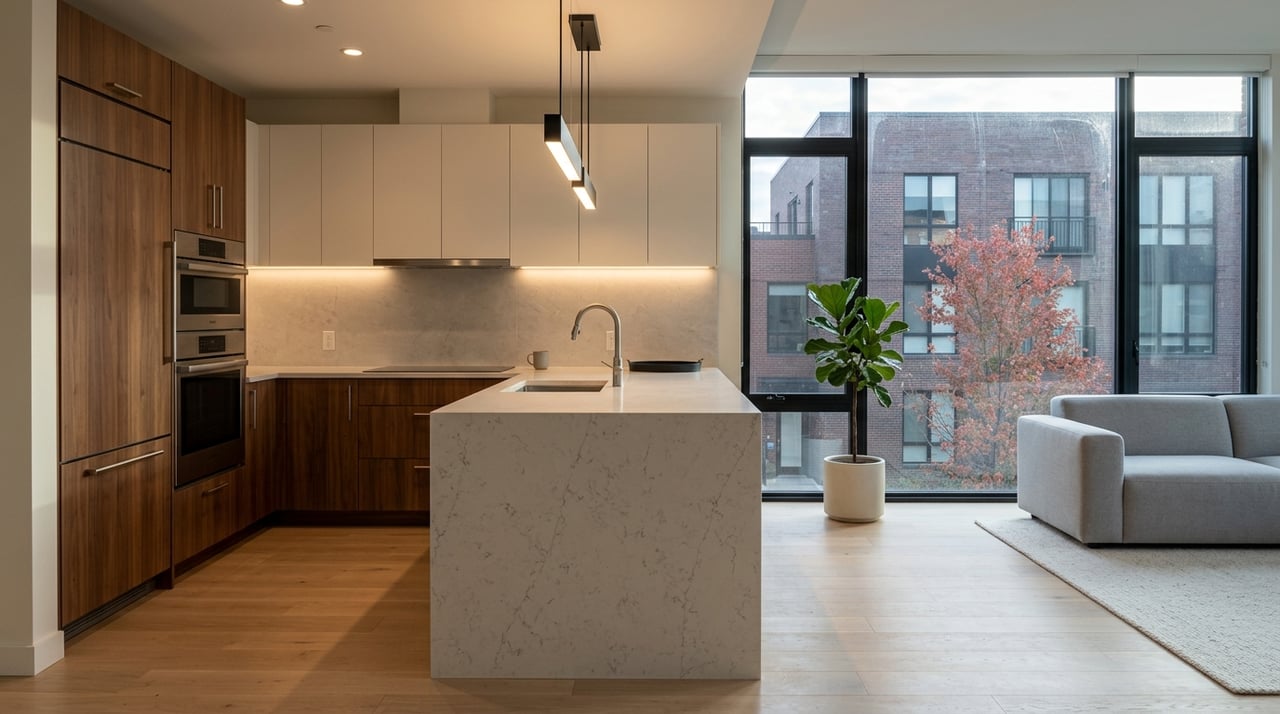
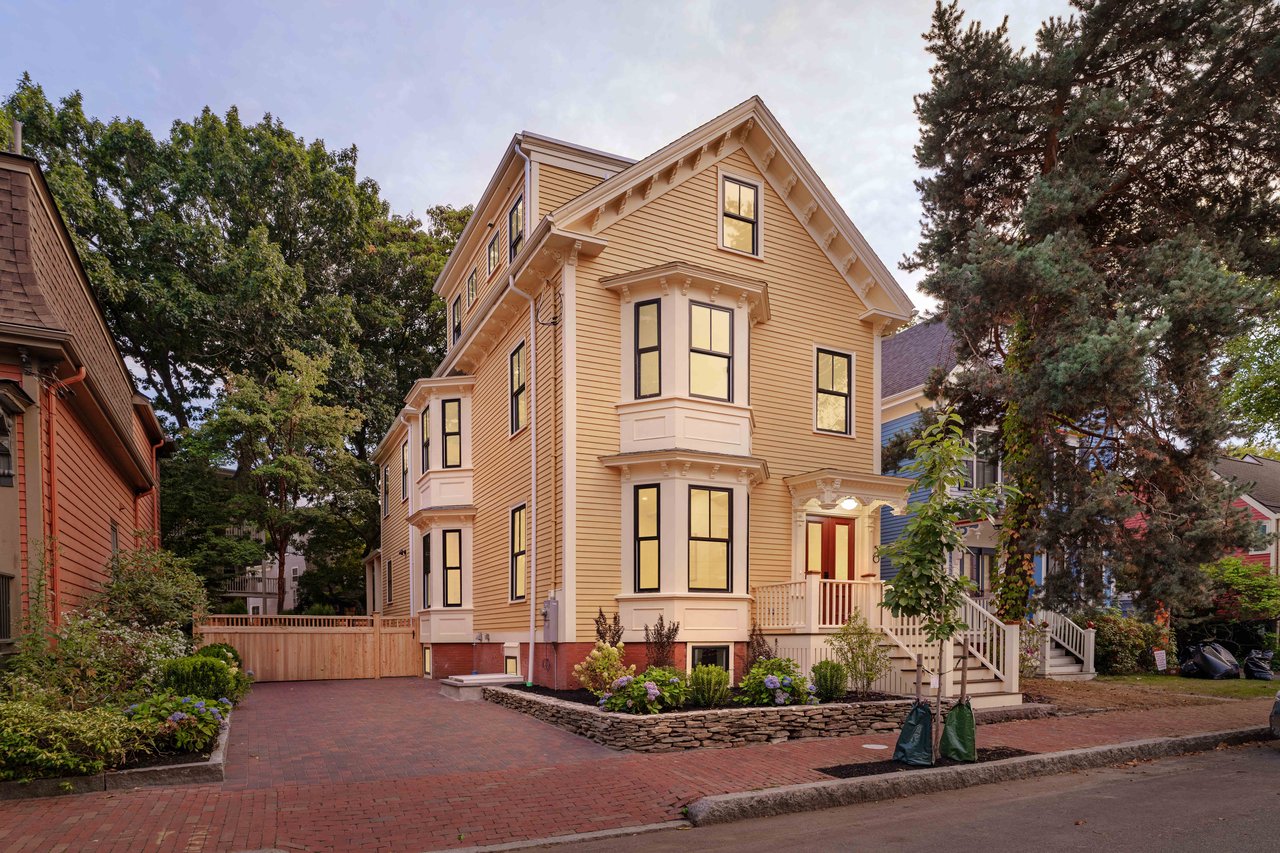
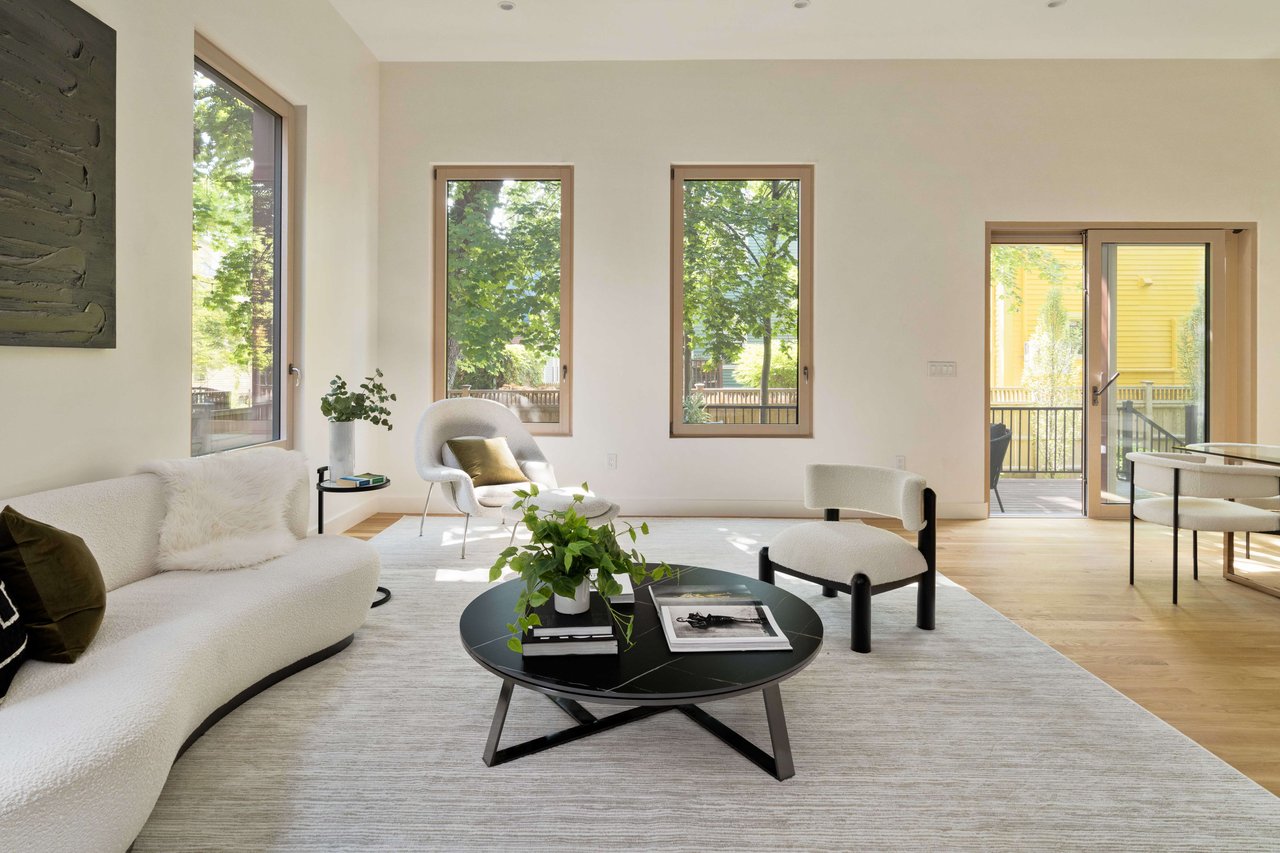
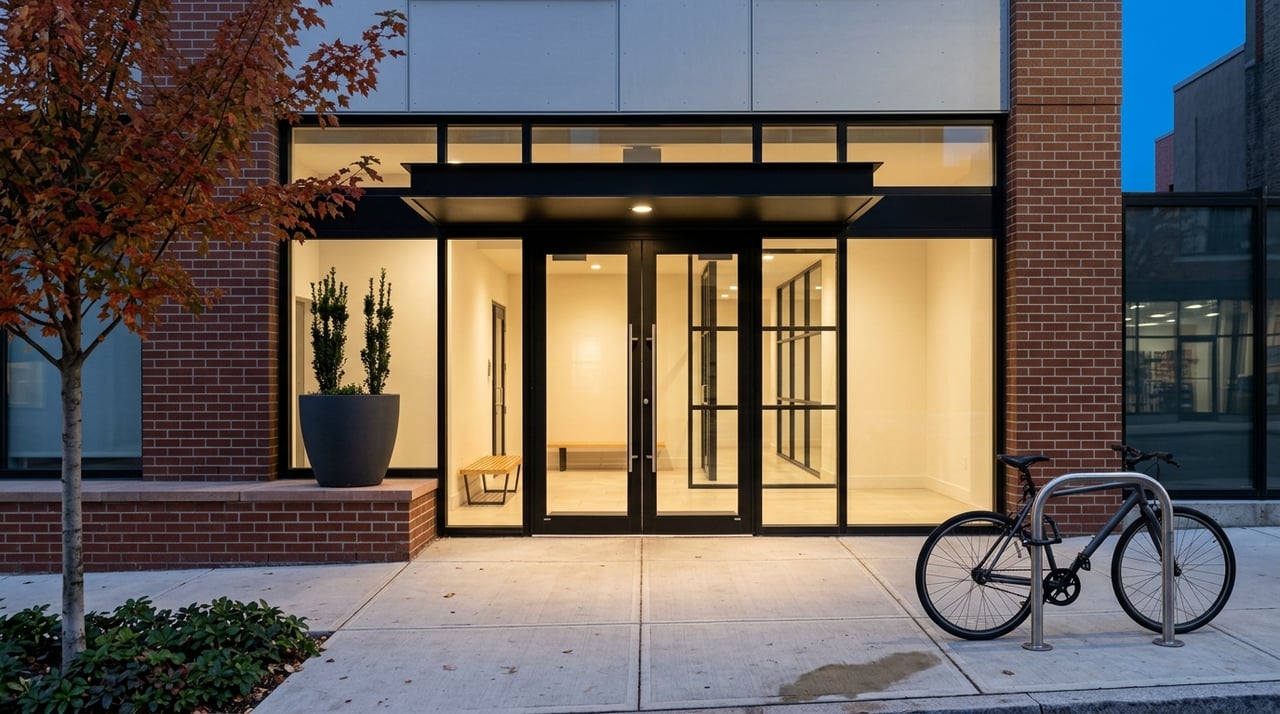
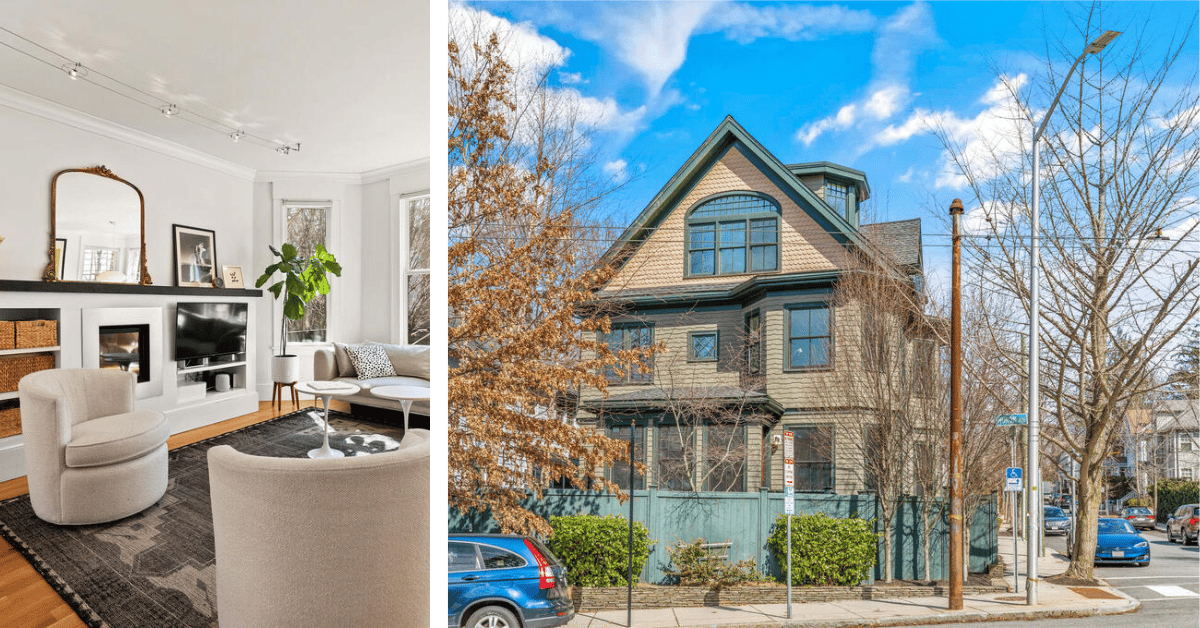
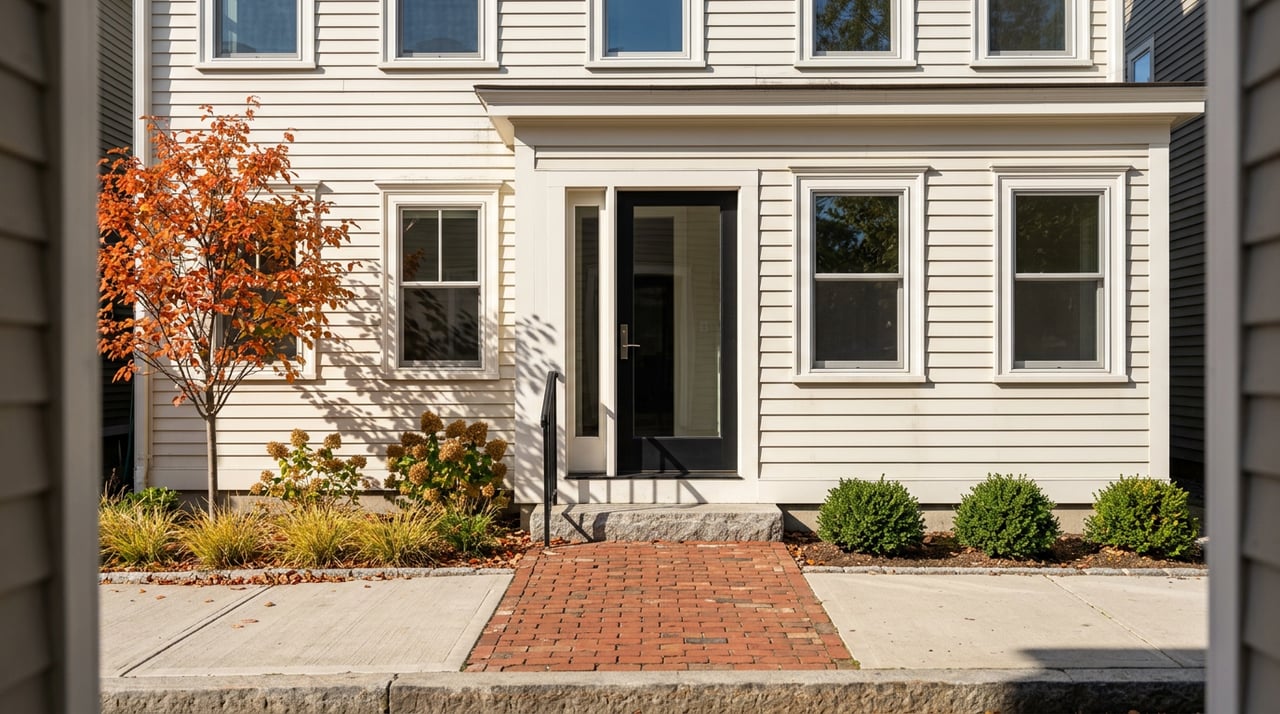
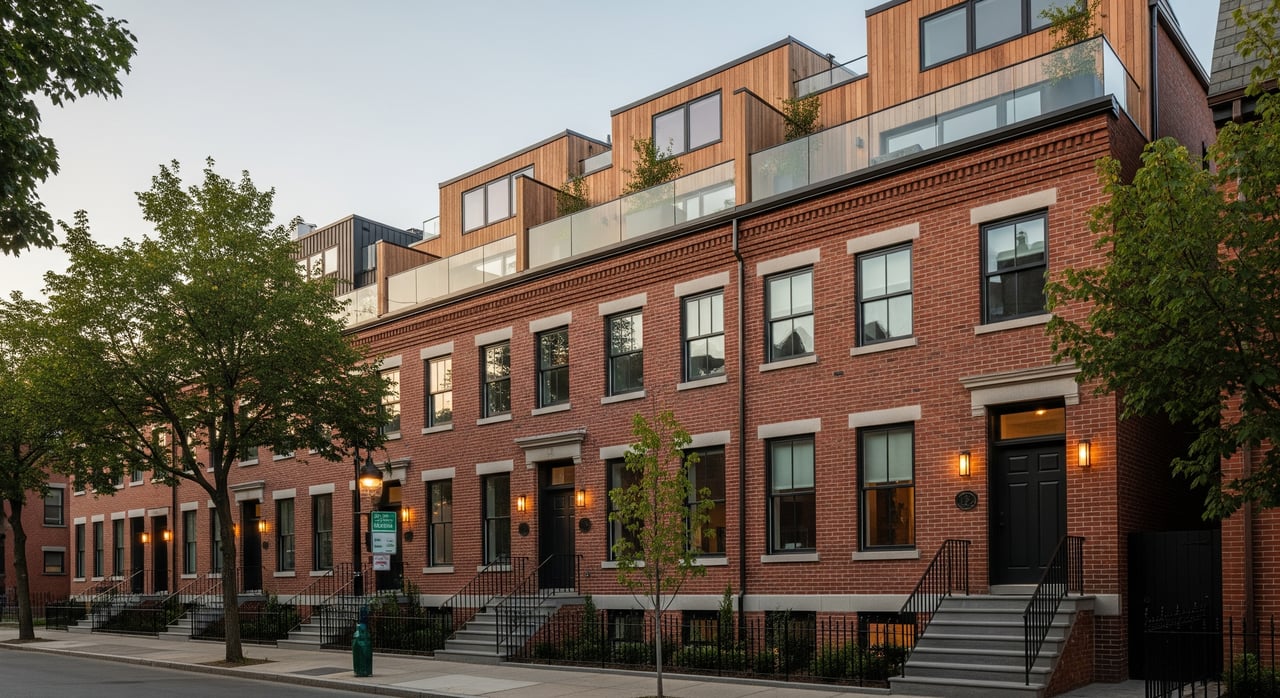
That does not mean every property feels the same. Some homes sit in the older residential fabric of East Cambridge, while others are part of newer buildings closer to Lechmere, the riverfront, or the Cambridge Crossing area.
A mixed-income neighborhood, not a one-note district
Another useful part of the East Cambridge story is its range. As of June 30, 2025, the city reported 1,315 affordable units in East Cambridge, equal to 15.4% of the total housing stock.
That is important context because it shows the neighborhood is not simply a luxury enclave. It is a mixed-income part of Cambridge with a combination of older housing, newer development, and regulated affordable housing woven into the broader neighborhood.
For buyers, that can shape how you think about the area. You are not only evaluating finishes and building age. You are also buying into a neighborhood with many overlapping uses, housing types, and residents.
Why location details matter more here
In many neighborhoods, buyers can speak in broad generalizations and be mostly right. Near Cambridge Crossing, that approach can miss the mark.
This is an area where micro-location matters. Your exact distance to Lechmere, your relationship to active construction, the age and maintenance profile of the building, and the feel of the surrounding blocks can have a meaningful effect on both day-to-day life and long-term value.
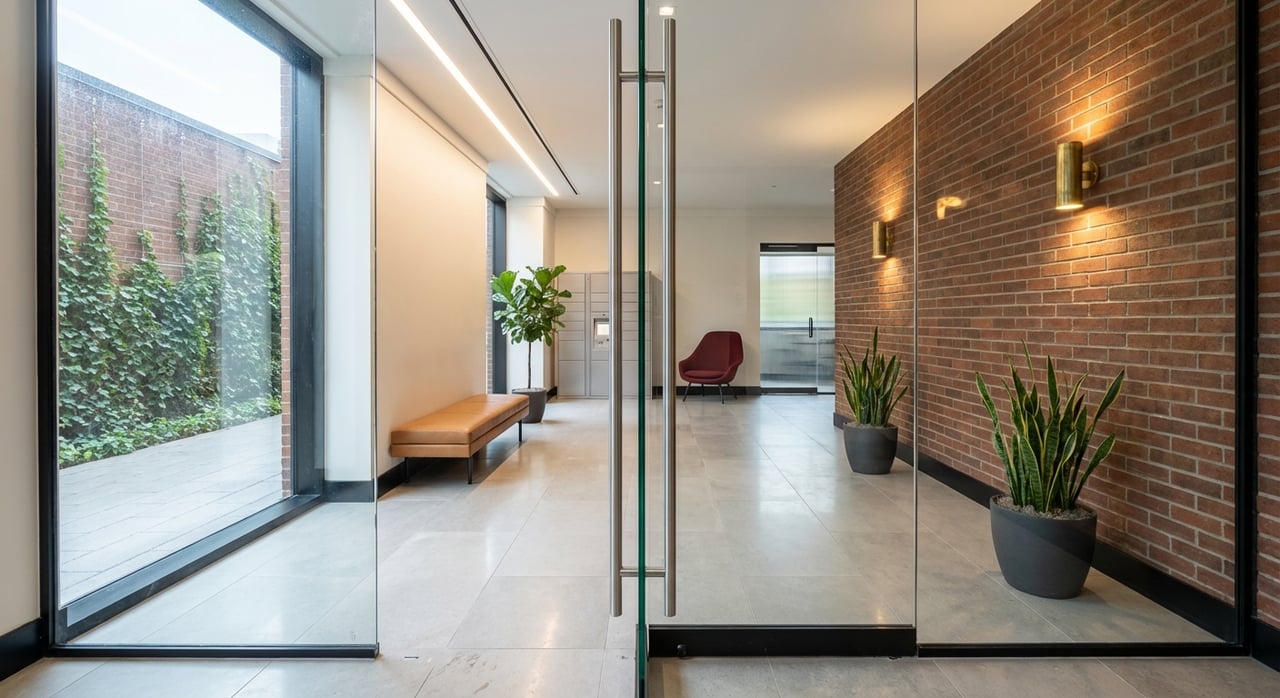
A newer condo near open space and transit may appeal for convenience and lower-maintenance living. A home in the older core of East Cambridge may offer a different streetscape, scale, and sense of neighborhood continuity.
What buyers should look at closely
If you are considering a purchase here, focus on the details that can vary sharply from building to building.
Building age and condition
East Cambridge includes both older housing stock and newer development. That means the ownership experience can differ depending on construction era, building systems, and expected maintenance needs.
For condos and multifamily properties, look closely at the condition of common areas, reserves, recent capital work, and the overall upkeep pattern. Those details often tell you as much as the unit itself.
HOA structure and monthly costs
In a condo-heavy area, monthly ownership costs deserve extra attention. You want to understand what the HOA covers, whether fees reflect current maintenance realities, and whether larger future expenses may be on the horizon.
This is especially important when comparing newer buildings with older conversions. A lower monthly fee does not always mean lower long-term cost.
Transit proximity and street feel
Being close to Lechmere or the Community Path can be a major plus, but not every nearby block lives the same way. Some locations may feel more connected and convenient, while others may experience more activity, traffic patterns, or ongoing change.
A property tour should include time outside the unit. Walk the block, note the crossings, and pay attention to how the streets connect to daily destinations.
Construction and future buildout
This part of East Cambridge is still evolving. Cambridge Crossing has parcels still in design and under construction, and the city continues to describe North Point as an area slated for redevelopment over coming decades.
That does not make buying here risky by definition. It does mean you should evaluate not only what exists today, but also what may still be taking shape around the property.
Who this area may suit best
Buying near Cambridge Crossing can make a lot of sense if you want an urban Cambridge lifestyle with strong transit connections, newer public spaces, and a neighborhood that blends established and emerging elements. It may also appeal if you prefer condos or multifamily options over a detached-house search.
For some buyers, the attraction is convenience and mobility. For others, it is the chance to buy in an area where public improvements and redevelopment are still actively reshaping the neighborhood.
The key is fit. East Cambridge is not a one-size-fits-all market, and homes near Cambridge Crossing should be evaluated in the context of your priorities, not just the latest headline about neighborhood change.
Buying with a neighborhood strategy
In a place like East Cambridge, the best buying decisions usually come from a block-by-block approach. Broad labels can be helpful, but they are not enough when you are weighing building quality, transit access, construction context, and the feel of nearby streets.
That is where local guidance matters. A thoughtful search near Cambridge Crossing should look beyond the polished marketing story and into the practical realities of ownership, resale position, and daily use.
If you are considering a move in East Cambridge, working with a local advisor can help you compare options with more clarity and confidence. To talk through your goals and the right fit near Cambridge Crossing, connect with Sandrine Deschaux.
FAQs
What is Cambridge Crossing in East Cambridge?
- Cambridge Crossing is a 43-acre mixed-use redevelopment in East Cambridge with residential, commercial, dining, retail, and open-space components.
Is East Cambridge still changing near Lechmere?
- Yes. The city describes North Point as an area slated for redevelopment over coming decades, and Cambridge Crossing still includes parcels in design or under construction.
What types of homes are common near Cambridge Crossing?
- Buyers are more likely to find condos, smaller multifamily homes, and larger apartment-style buildings than detached single-family homes.
How is transit access near Cambridge Crossing?
- The area is served by the relocated Lechmere Green Line station, and Cambridge Crossing also highlights access to the nearby Community College Orange Line station.
What should buyers compare when shopping in East Cambridge?
- Focus on building age, HOA structure, maintenance profile, exact transit proximity, and how close the property is to active or future development.
Is East Cambridge mostly owner-occupied or renter-occupied?
- According to the city’s 2023 profile, East Cambridge has a renter-occupied majority, with 64.9% renter-occupied housing and 24.2% owner-occupied housing.