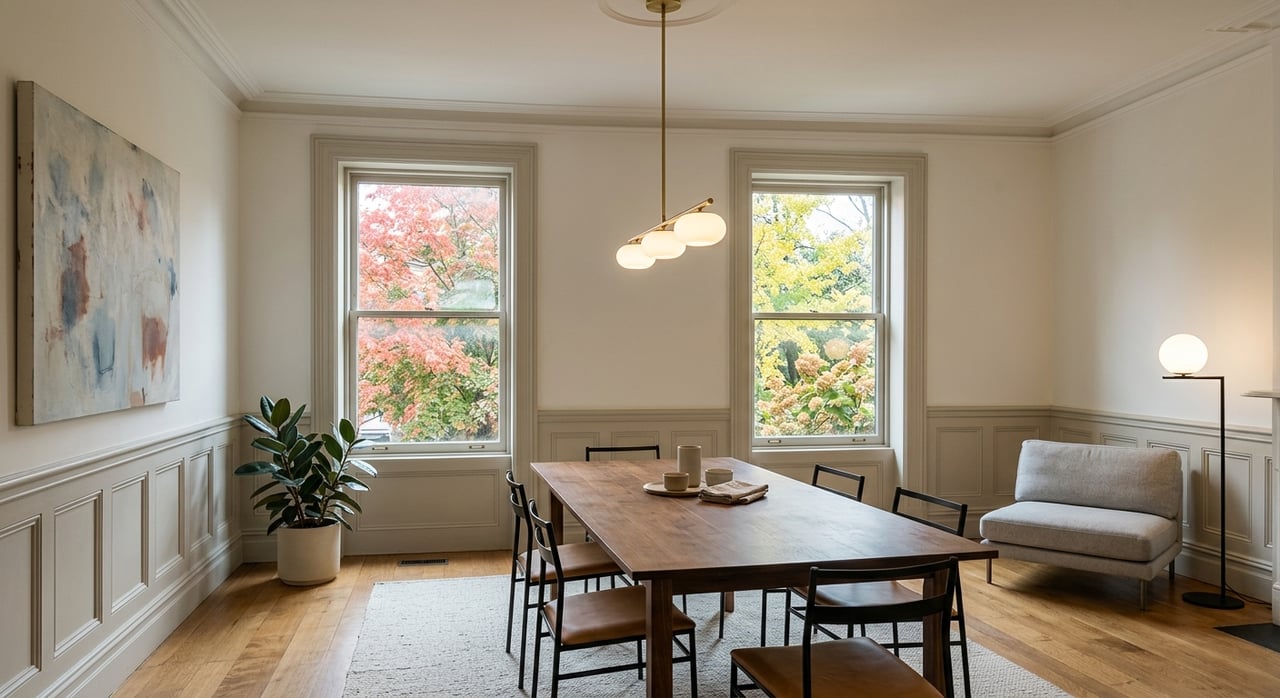
Wondering how a home can feel fresh and current without losing the details that made you love it in the first place? In Mid-Cambridge, that balance is often the whole point. If you are buying, renovating, or preparing to sell a historic home here, understanding how modern interiors fit within older architecture can help you make smarter design choices and protect long-term value. Let’s dive in.
Why Mid-Cambridge Suits Modern Interiors
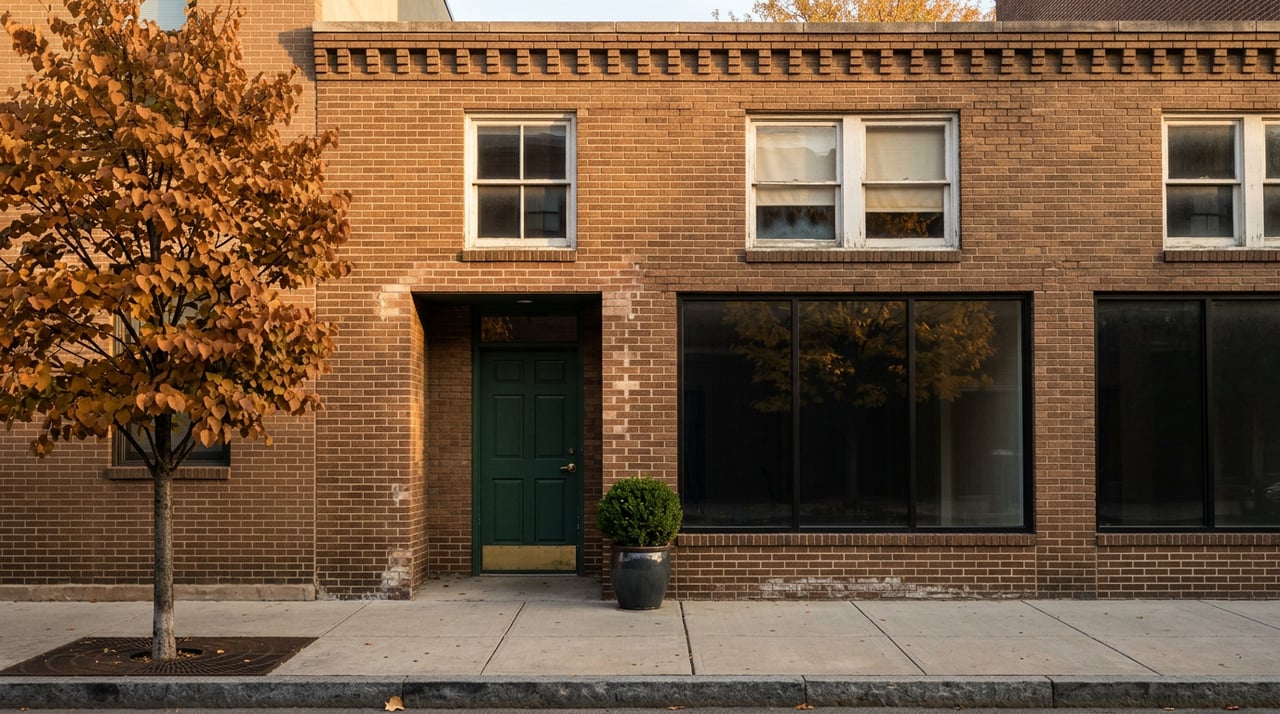
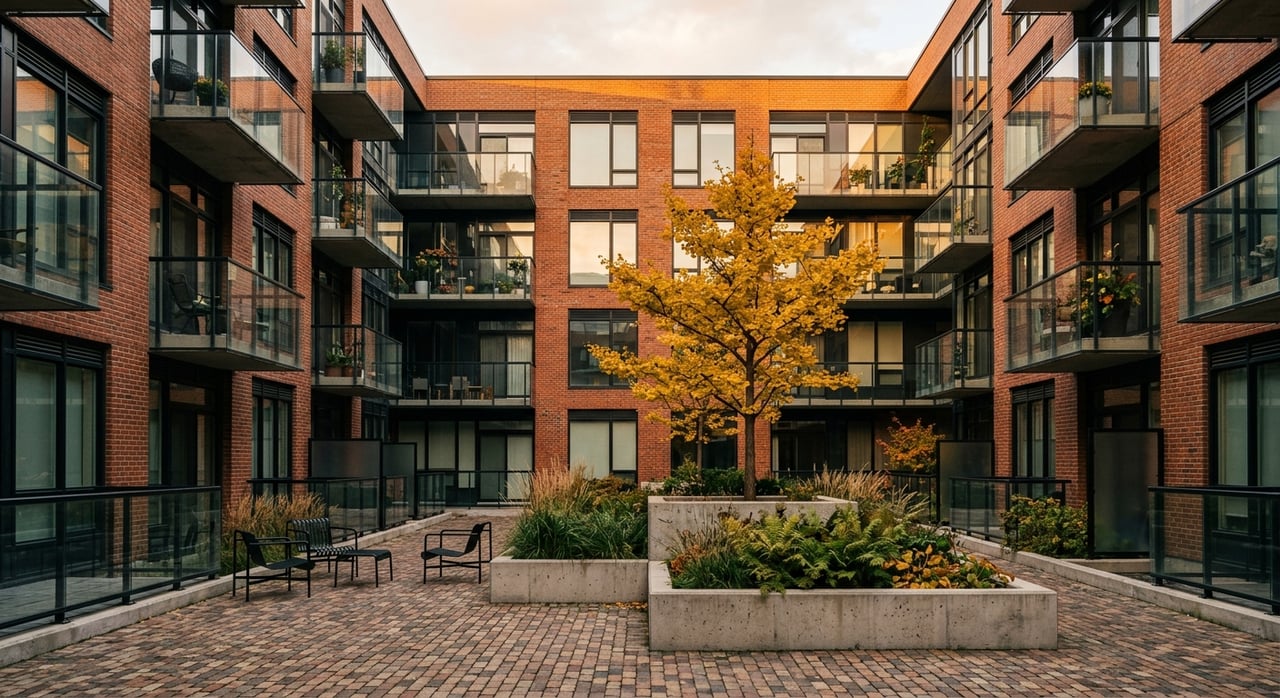
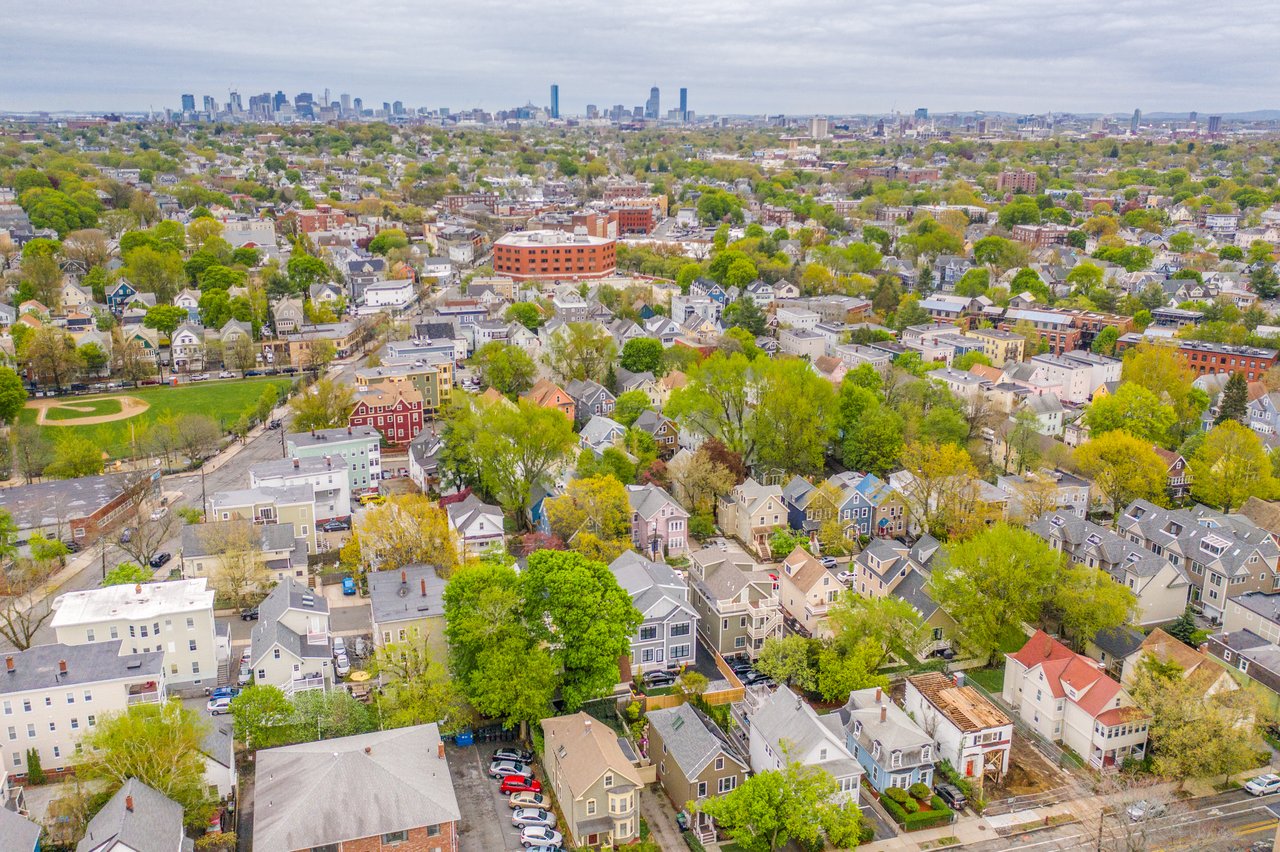
Mid-Cambridge has a housing story that naturally supports this design approach. The neighborhood sits between Inman, Central, and Harvard squares, with Massachusetts Avenue as a major commercial and travel corridor, and it combines historic homes, multifamily properties, and many condo conversions.
The City of Cambridge’s 2023 neighborhood profile lists 13,957 residents on 293 acres and 6,772 dwellings. It also shows a dense urban housing mix, with 2 to 4 unit properties forming the largest share of properties and larger apartment buildings accounting for a large share of units. In practical terms, many homes here need interiors that work hard, especially where square footage is limited.
That makes Mid-Cambridge especially well suited to thoughtful interior modernization. Instead of trying to remake a historic property into something it is not, the strongest results usually come from improving how the interior lives day to day.
Historic Homes Span Many Styles
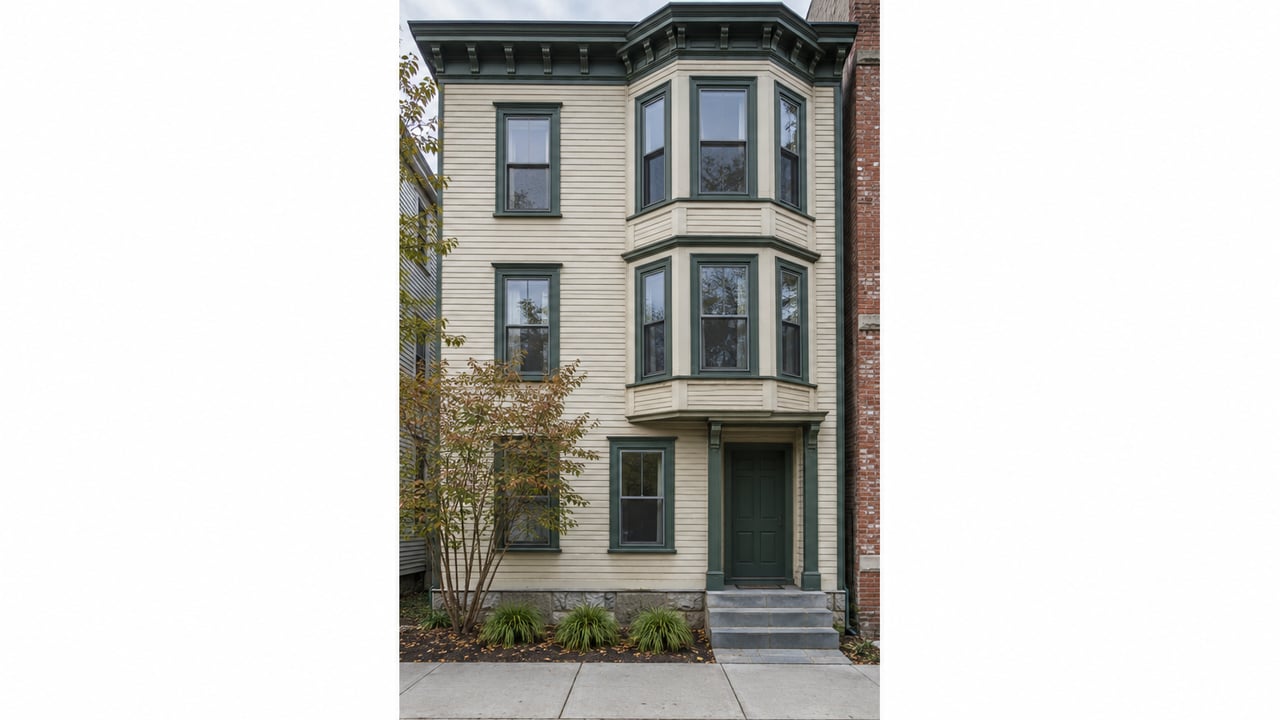
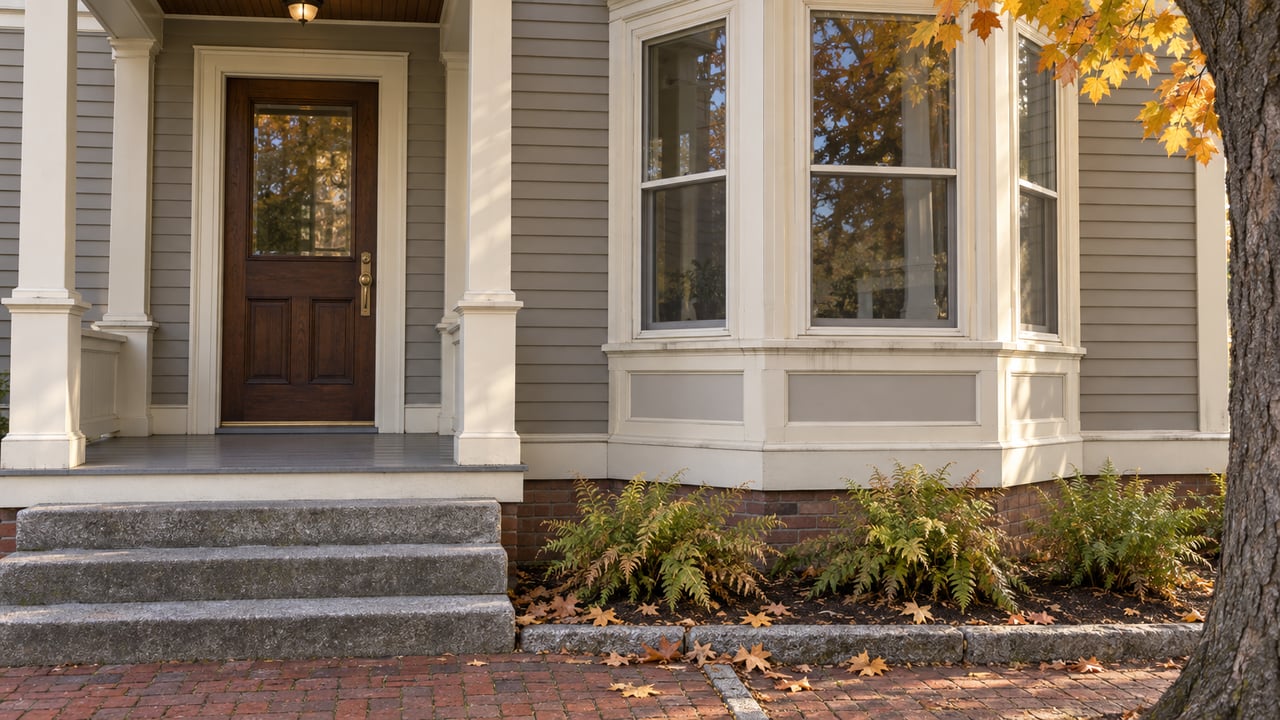
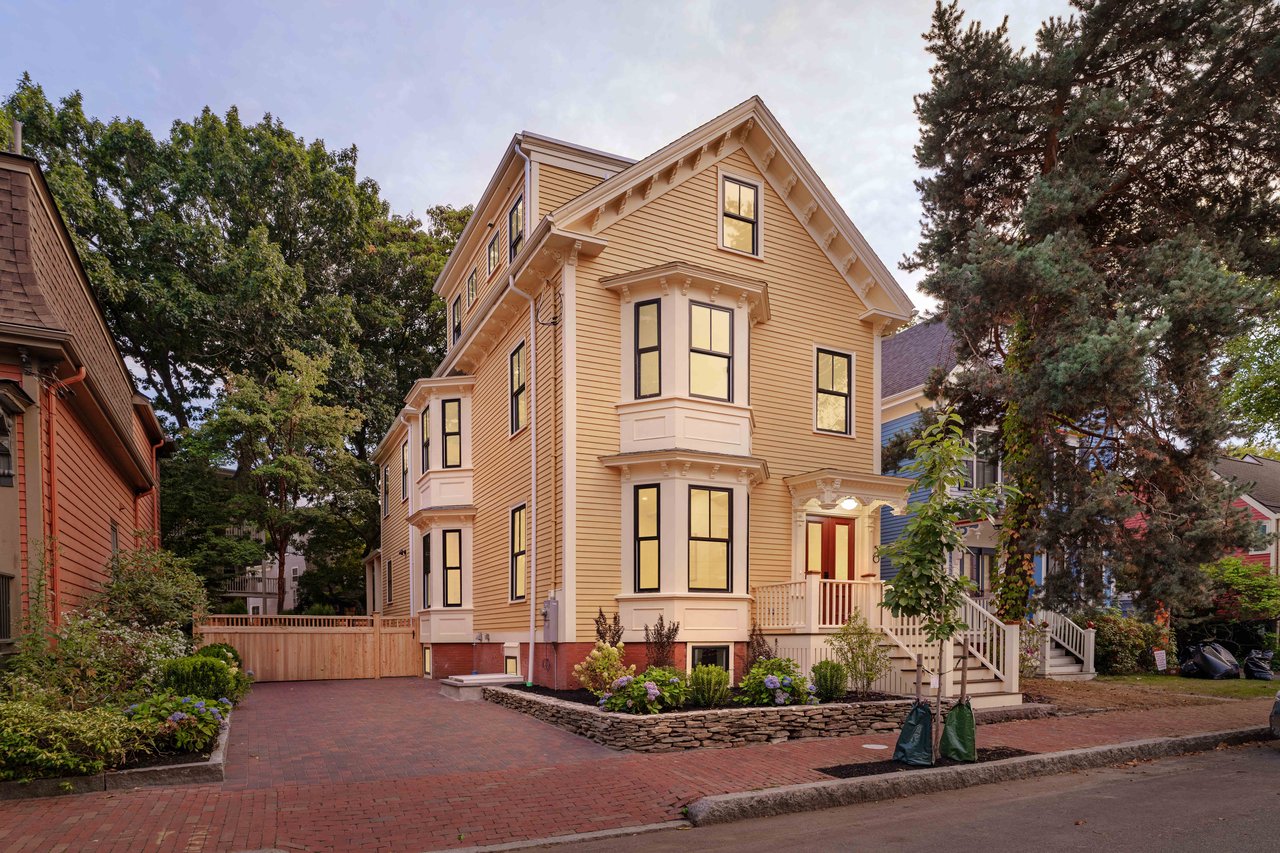
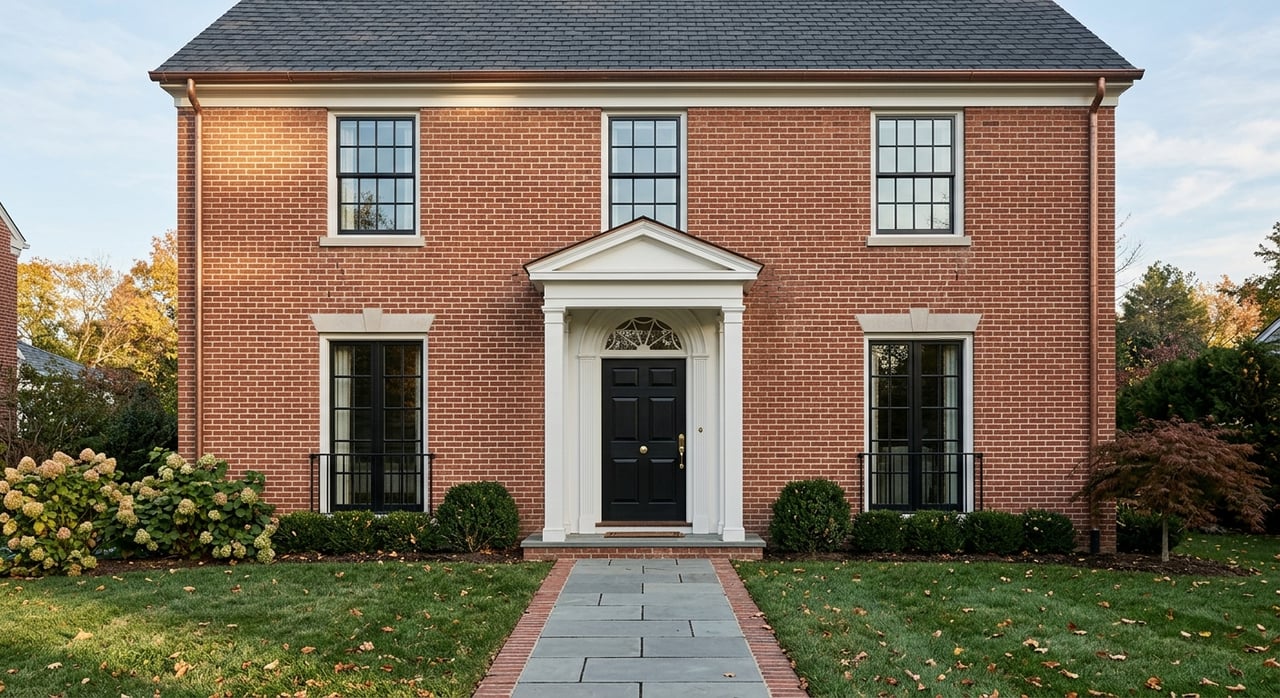
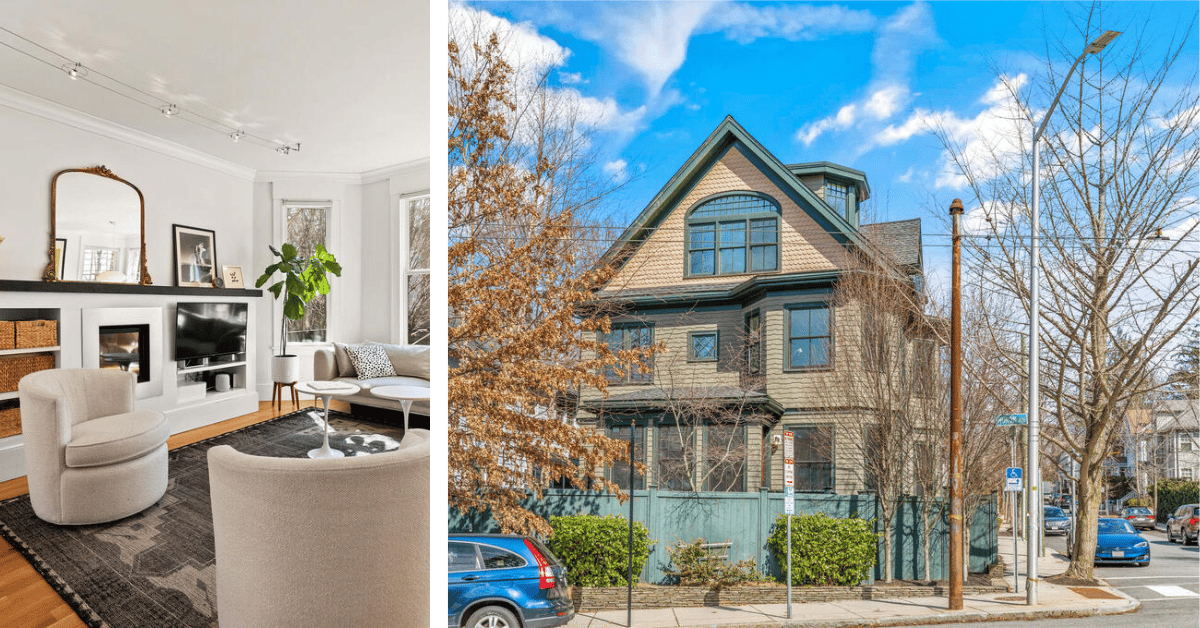
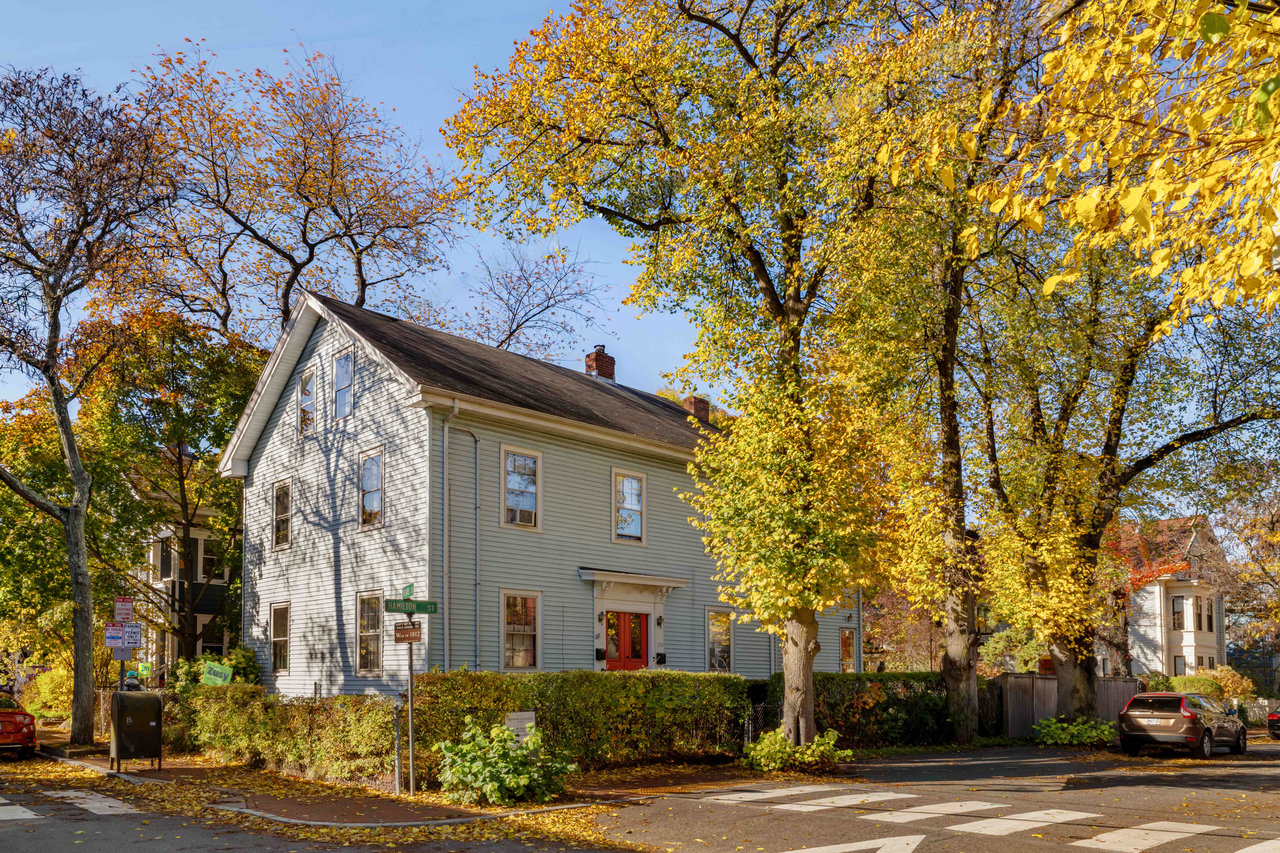
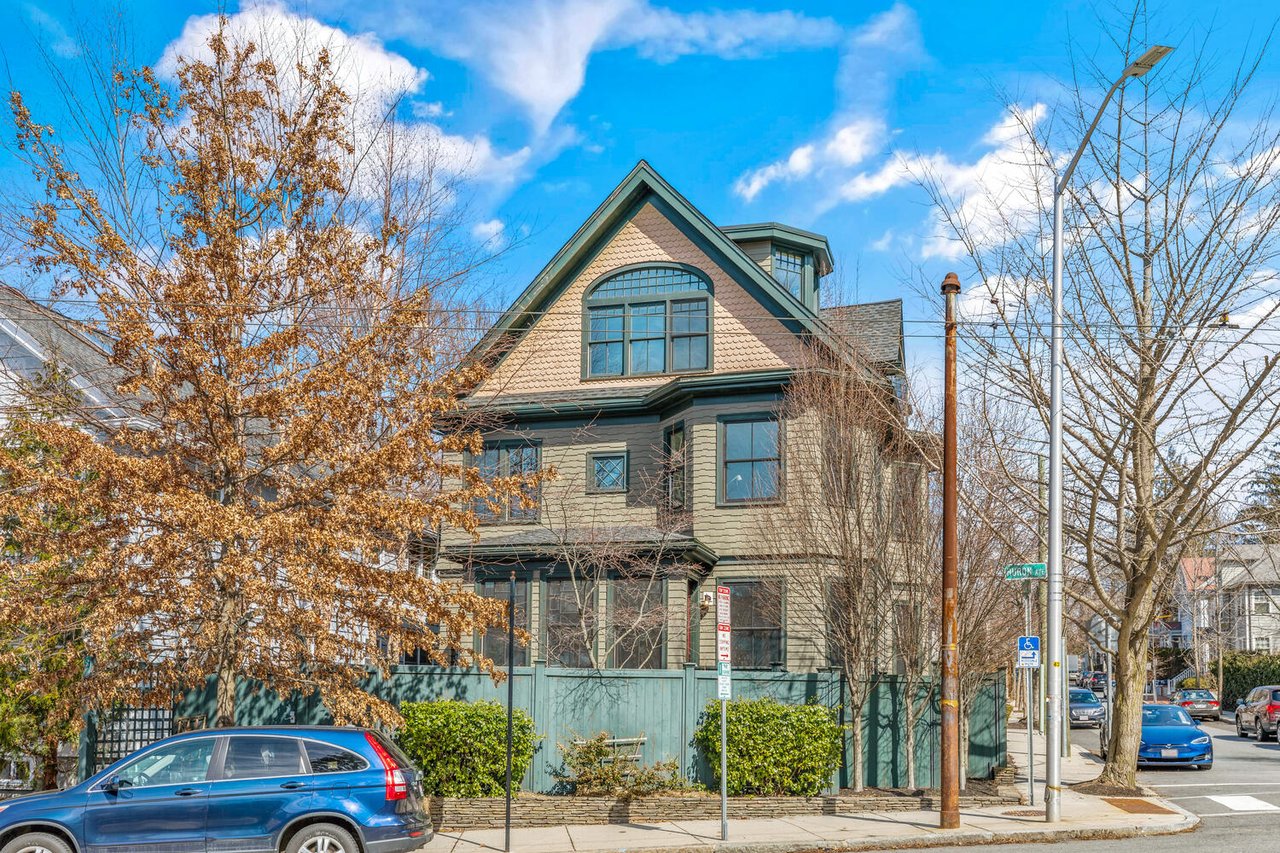
Mid-Cambridge developed over the nineteenth century and into the early twentieth century. Local history traces a progression from Greek Revival houses in the 1840s and 1850s to mansard homes in the 1850s and 1860s, then Queen Anne and other Victorian styles in the 1870s and 1880s, followed by three-deckers and larger apartment buildings near the turn of the twentieth century.
Many of those older dwellings were later converted into condominiums. That history matters because it explains why modern interiors in Mid-Cambridge are often less about total reinvention and more about adapting a historic shell to current living patterns.
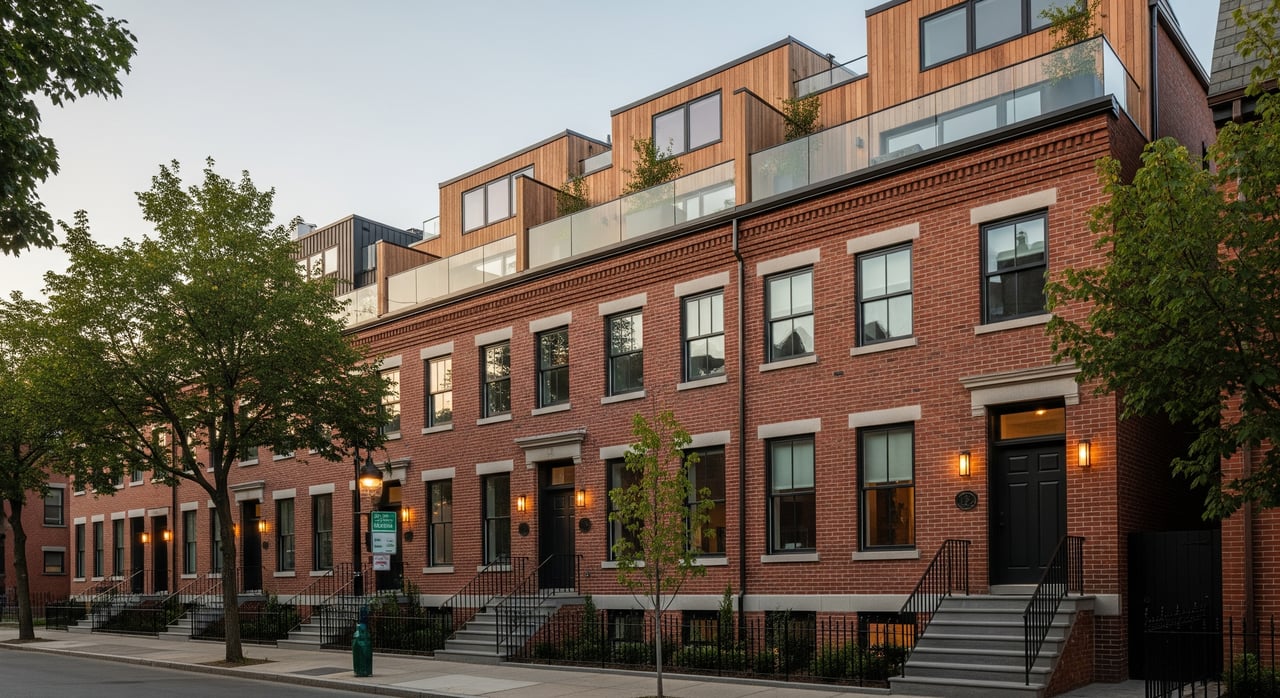
For buyers, this often means you can find period character and updated function in the same property. For sellers, it means well-planned upgrades can strengthen appeal when they respect the home’s original framework.
What the Neighborhood Rules Focus On
Mid-Cambridge is a Neighborhood Conservation District, established in 1985. Current city materials describe it as covering about 2,000 buildings, with boundaries extending from Prospect Street to the east, Prescott Street to the west, Kirkland Street and the Somerville line to the north, and Massachusetts Avenue to the south.
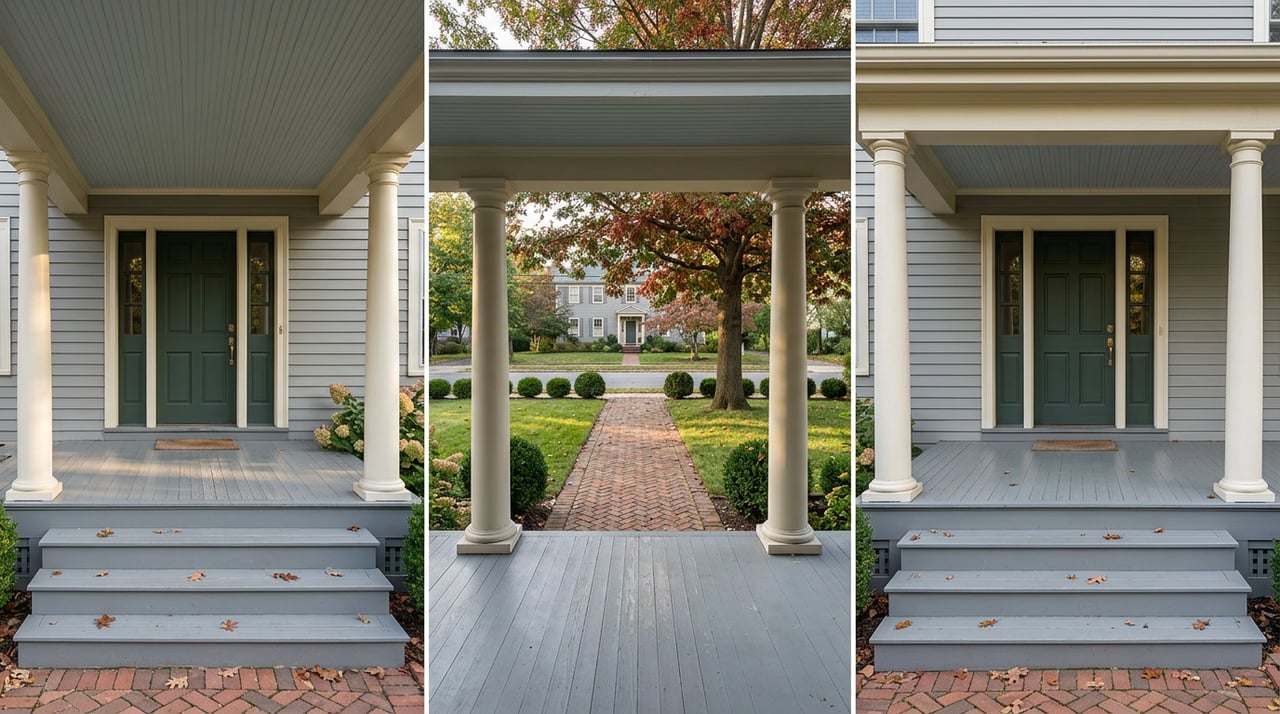
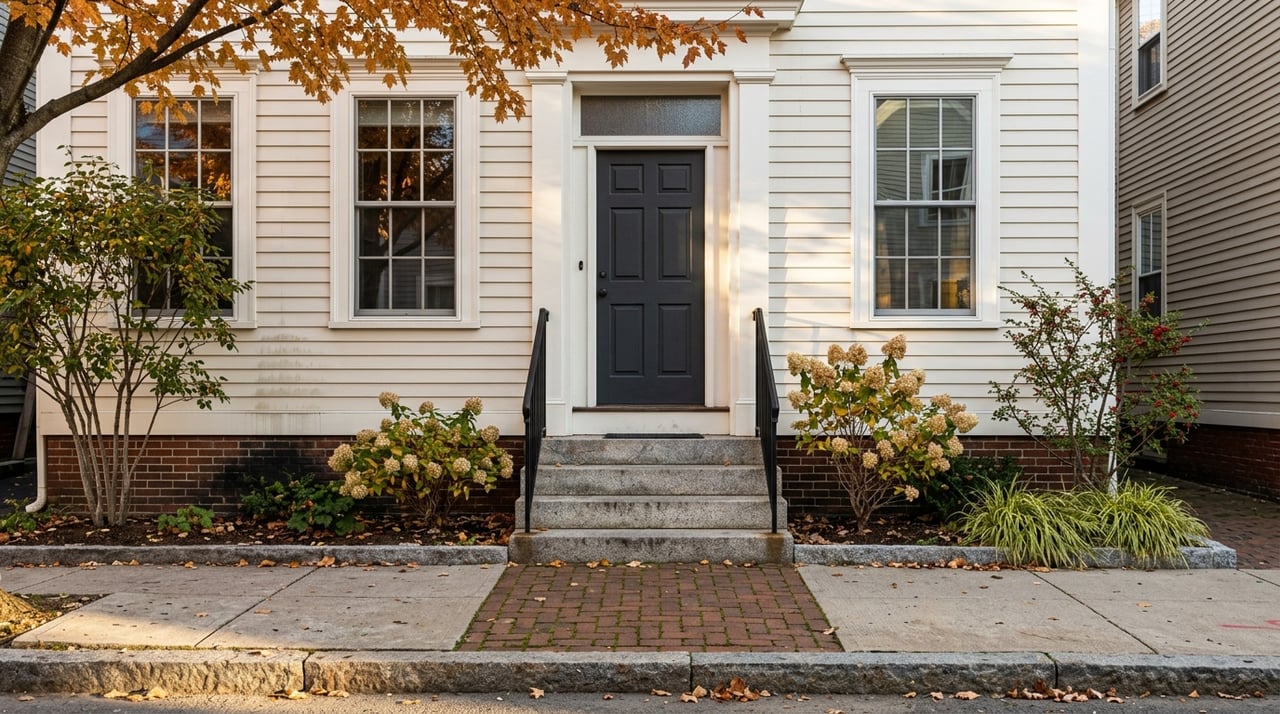
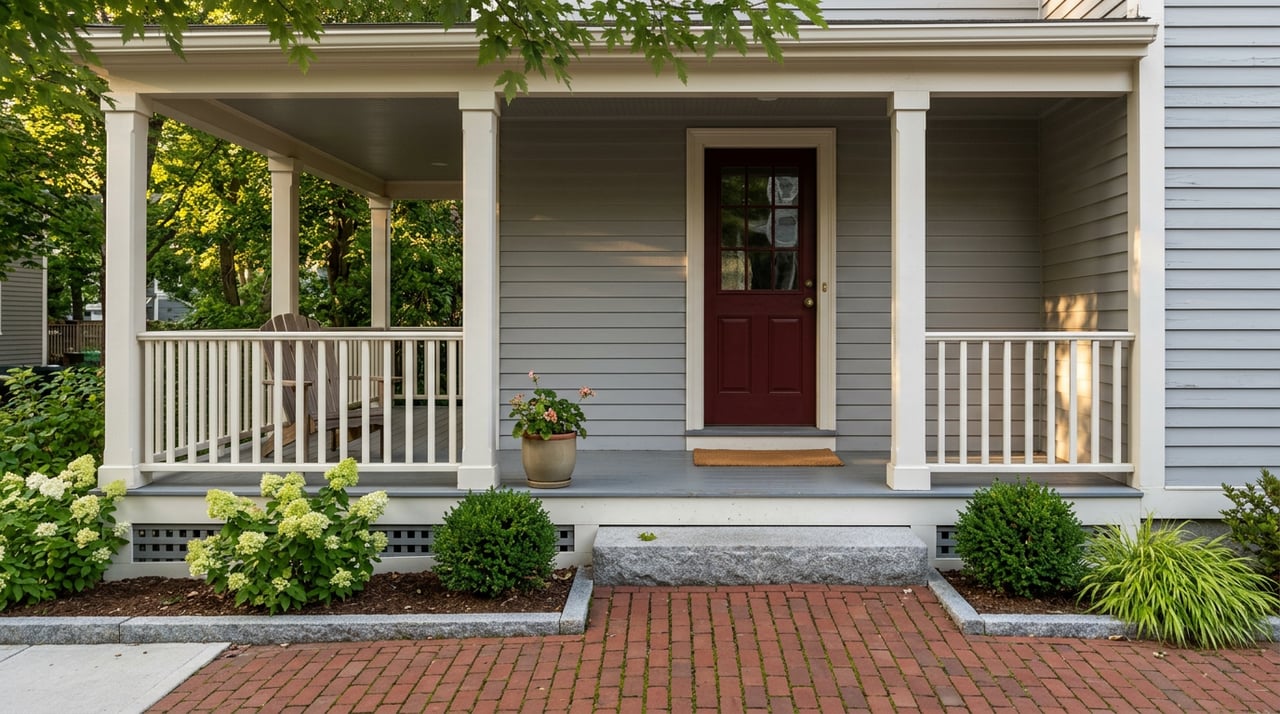
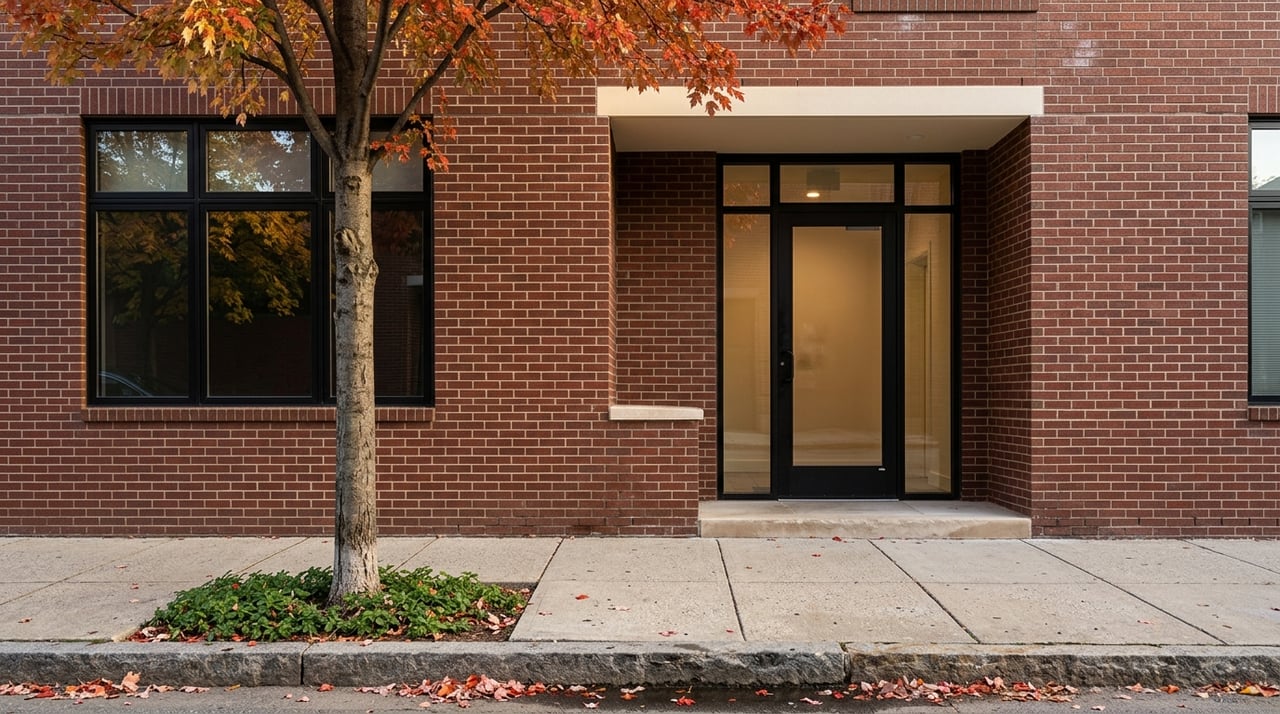
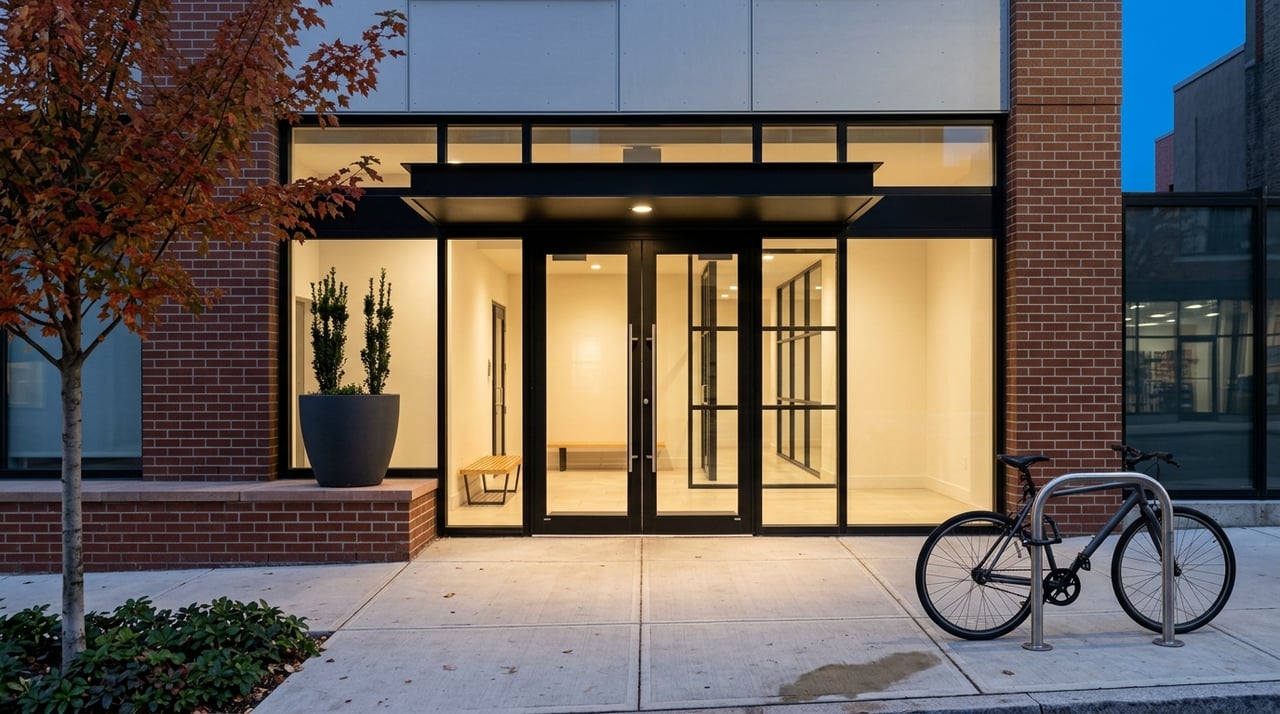
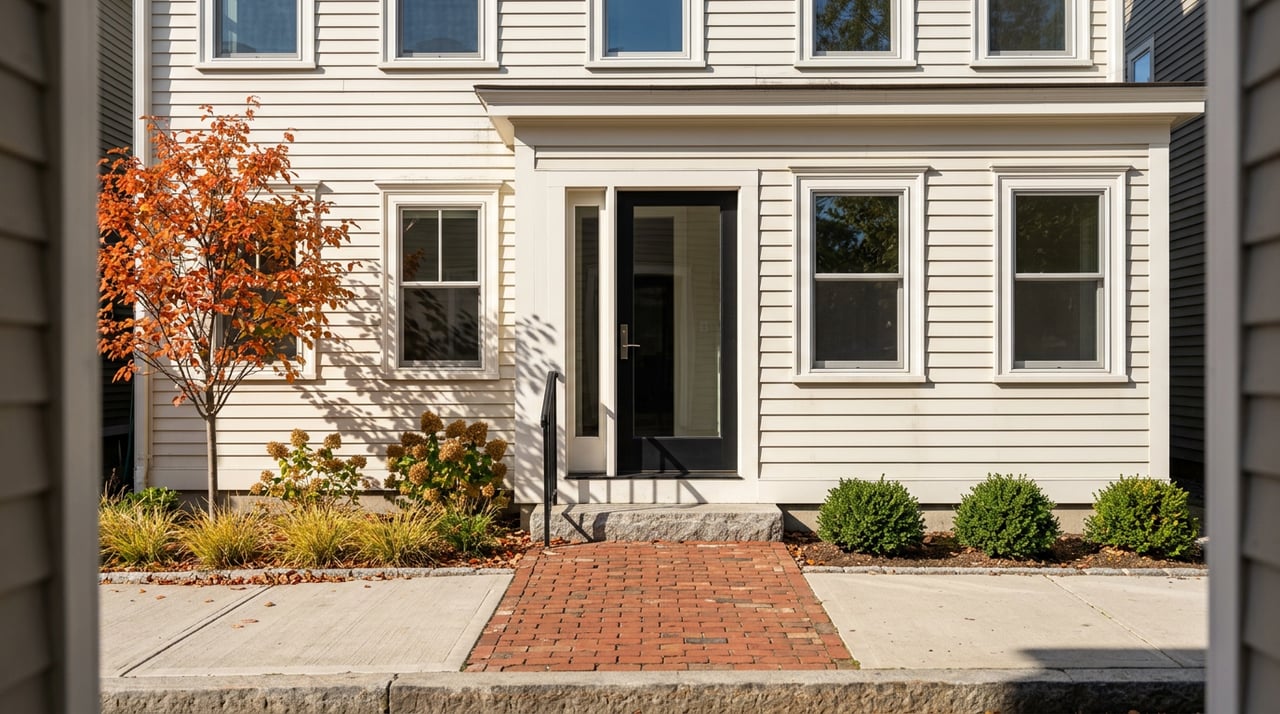
The key point for homeowners and buyers is simple. The district commission reviews new construction, demolition, and exterior alterations that are visible from a public way.
By contrast, the city states that interior alterations, work done in kind, and changes not visible from a public way generally fall outside commission review and are typically handled through a certificate of non-applicability. That framework helps explain why so many successful updates in Mid-Cambridge focus on the interior rather than the street-facing exterior.
Where Modern Design Works Best
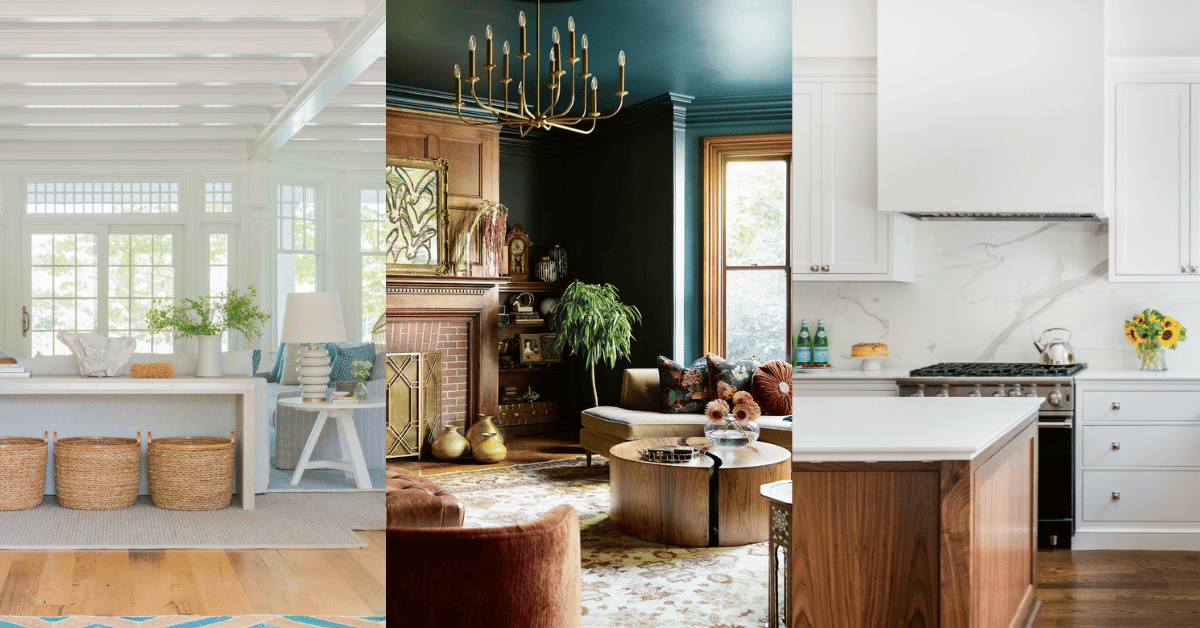
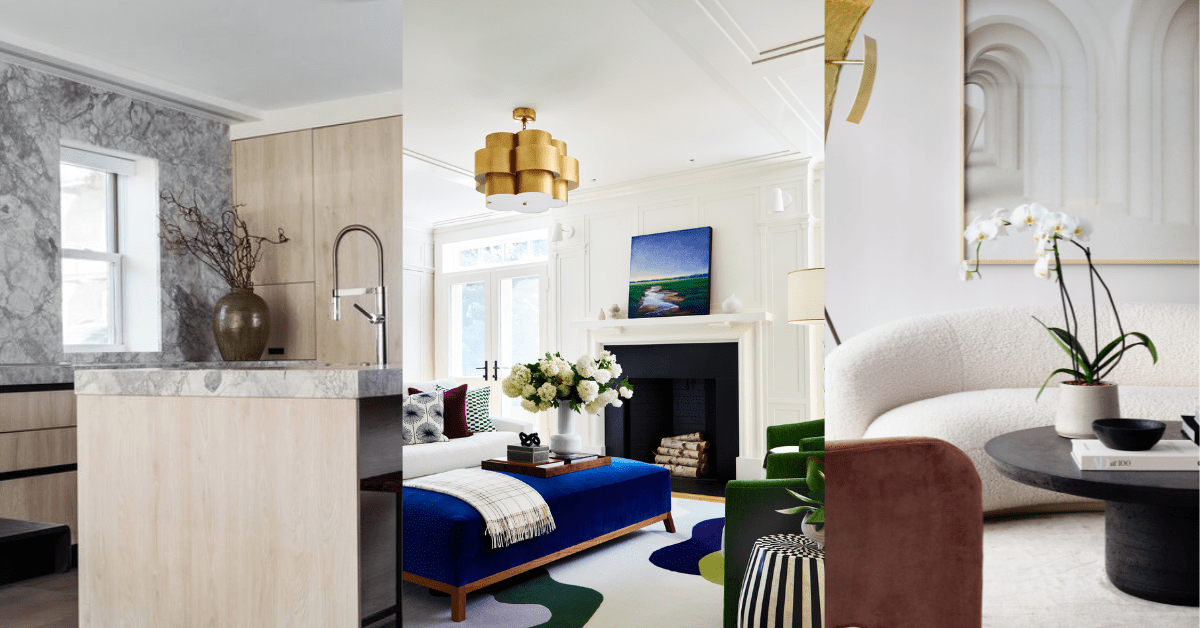
In many Mid-Cambridge homes, the most effective upgrades happen in the places that shape daily comfort the most. Kitchens, baths, storage, lighting, and circulation often offer the clearest path to a more current feel without asking the building to lose its identity.
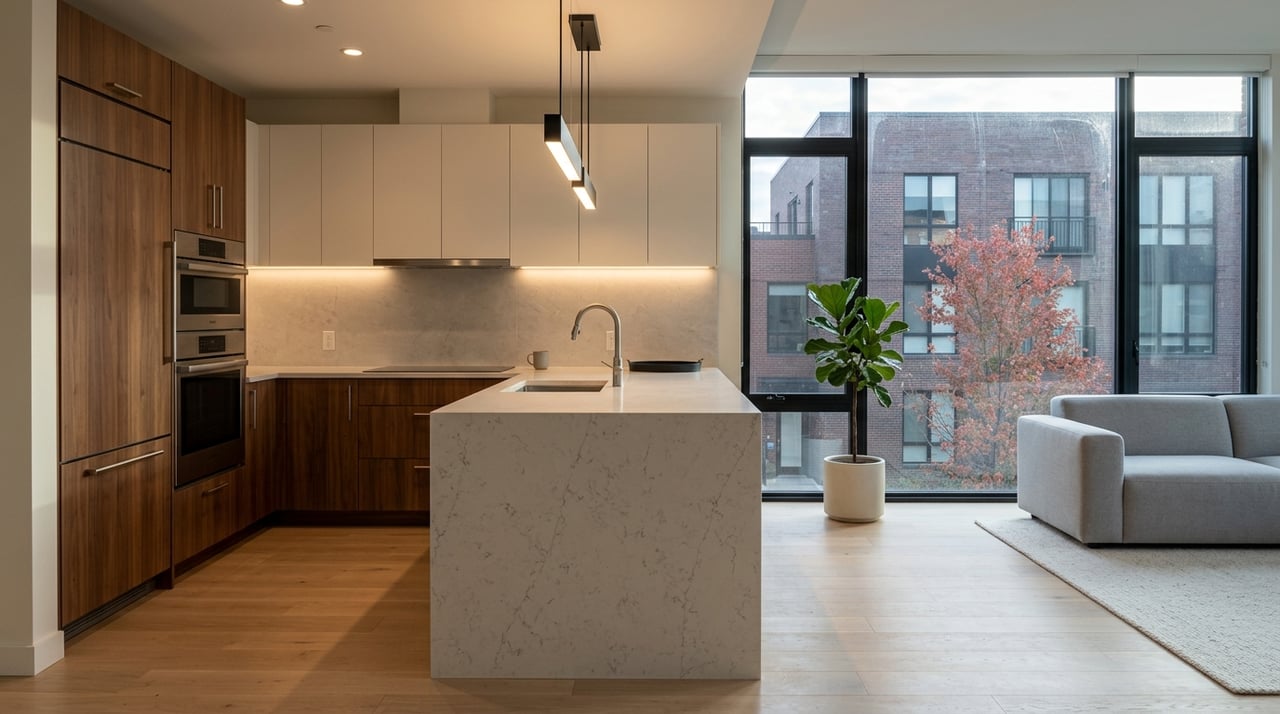
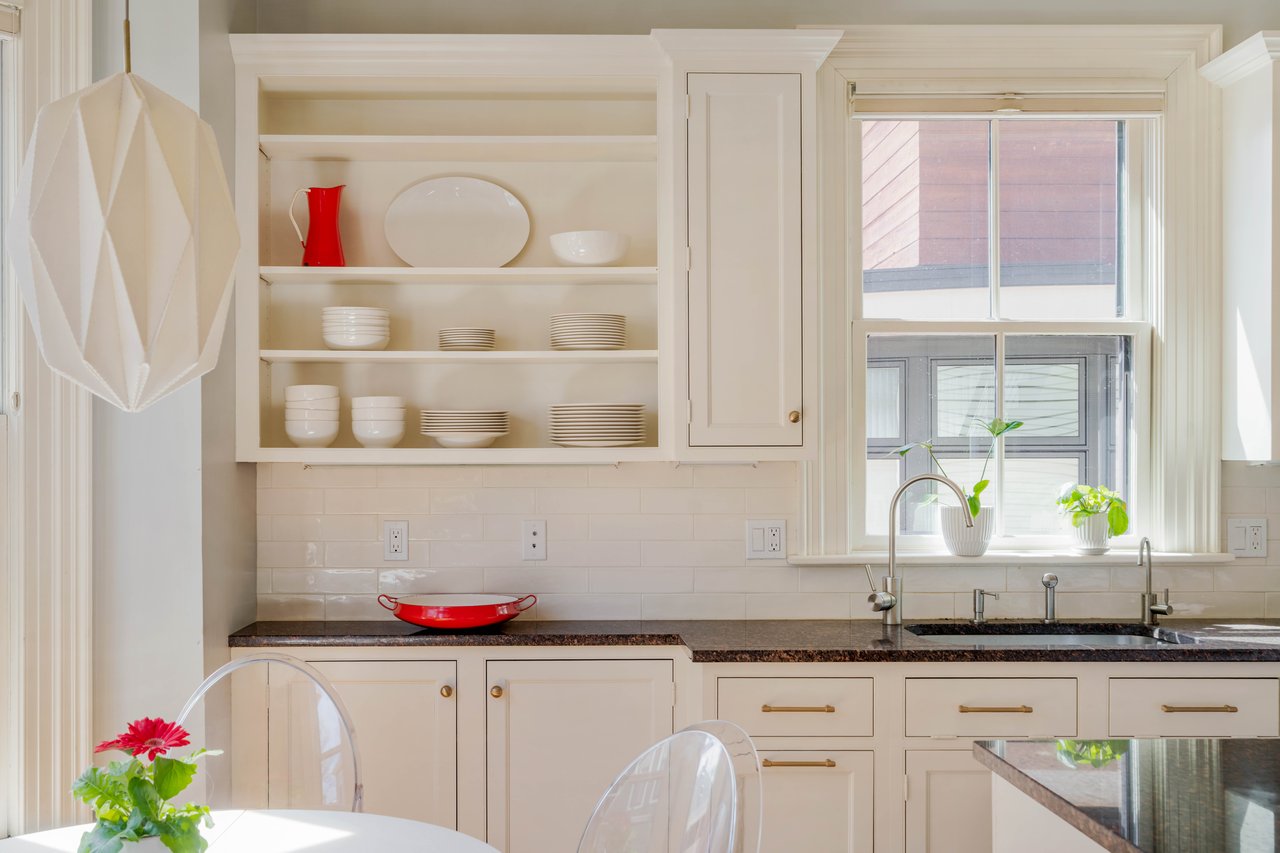
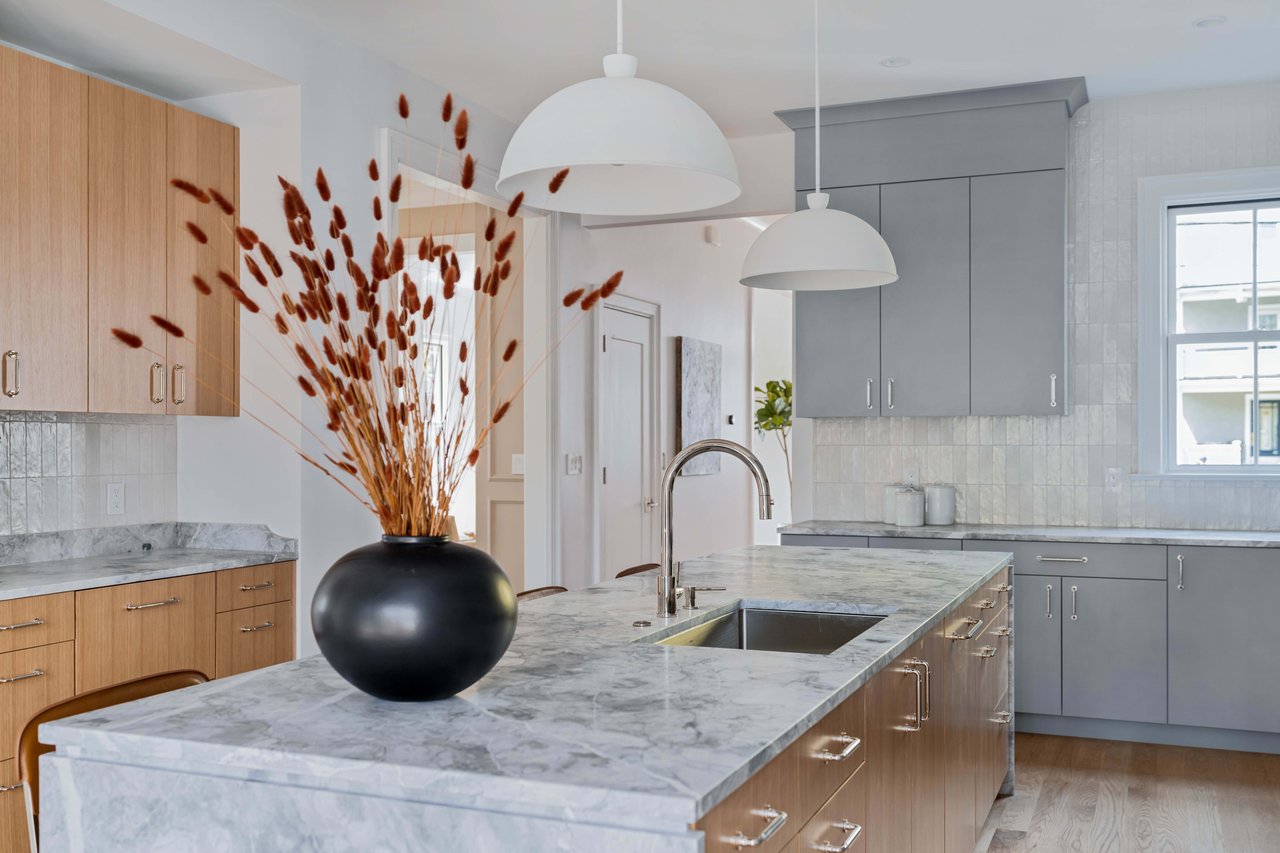
A well-updated kitchen can improve flow and function while leaving original room proportions intact. Bathrooms can add comfort and cleaner lines without competing with older architectural details elsewhere in the home.
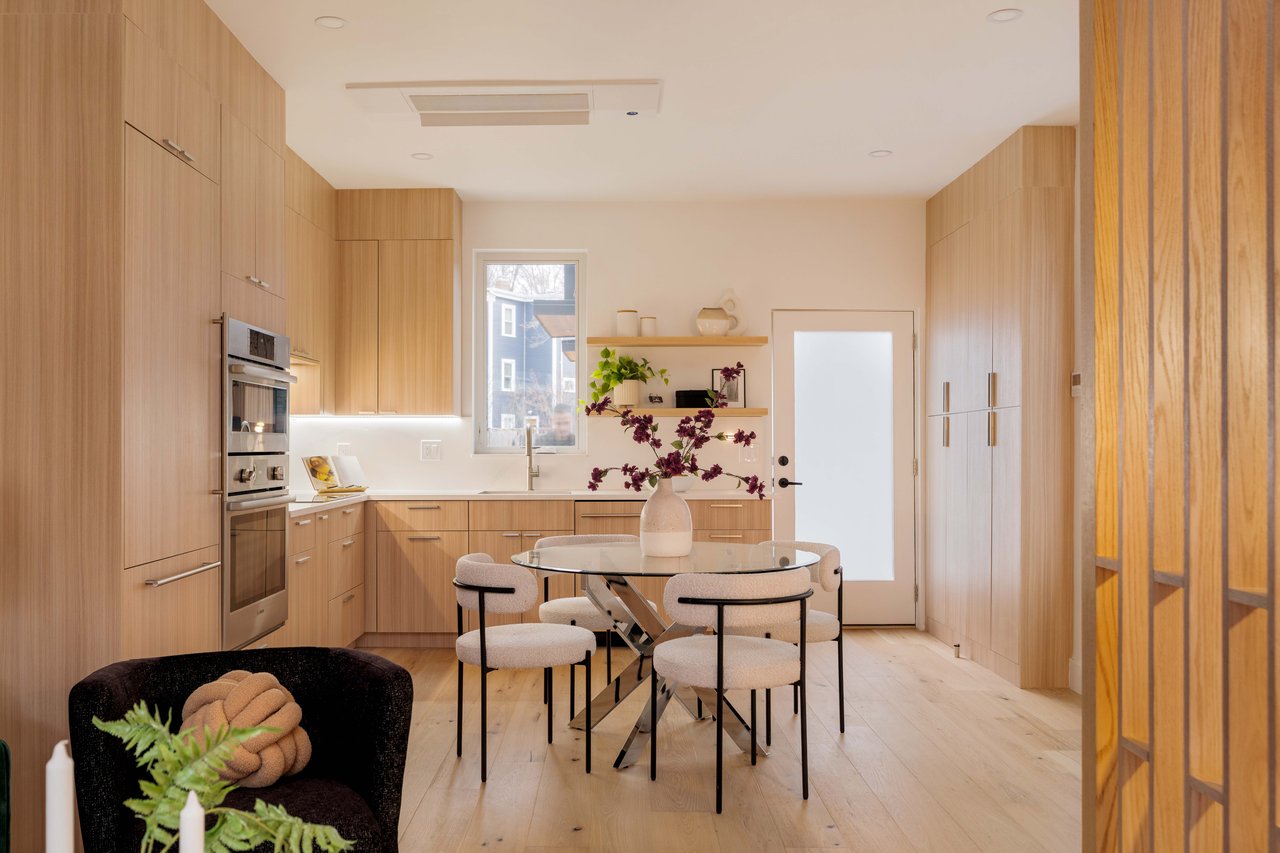
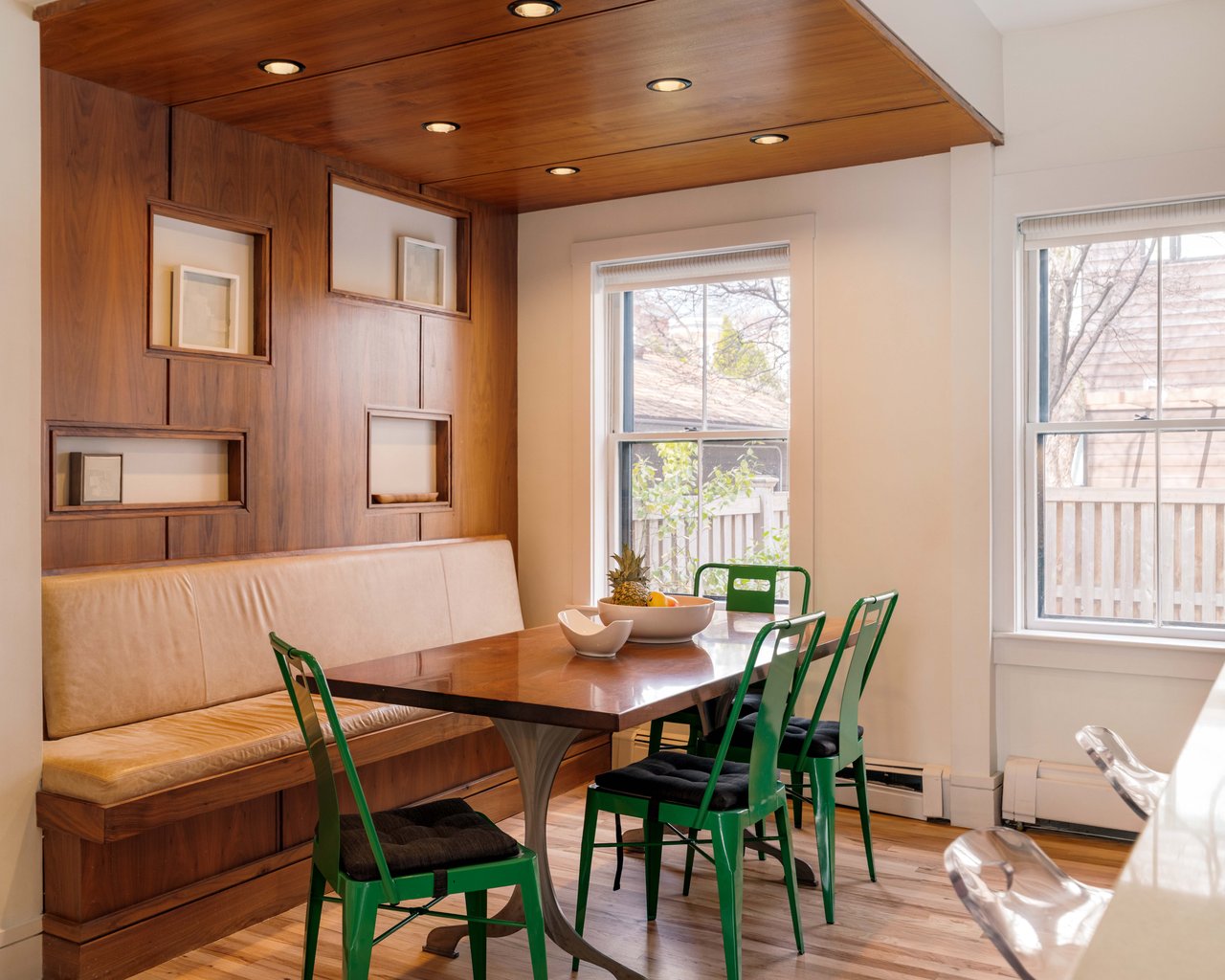
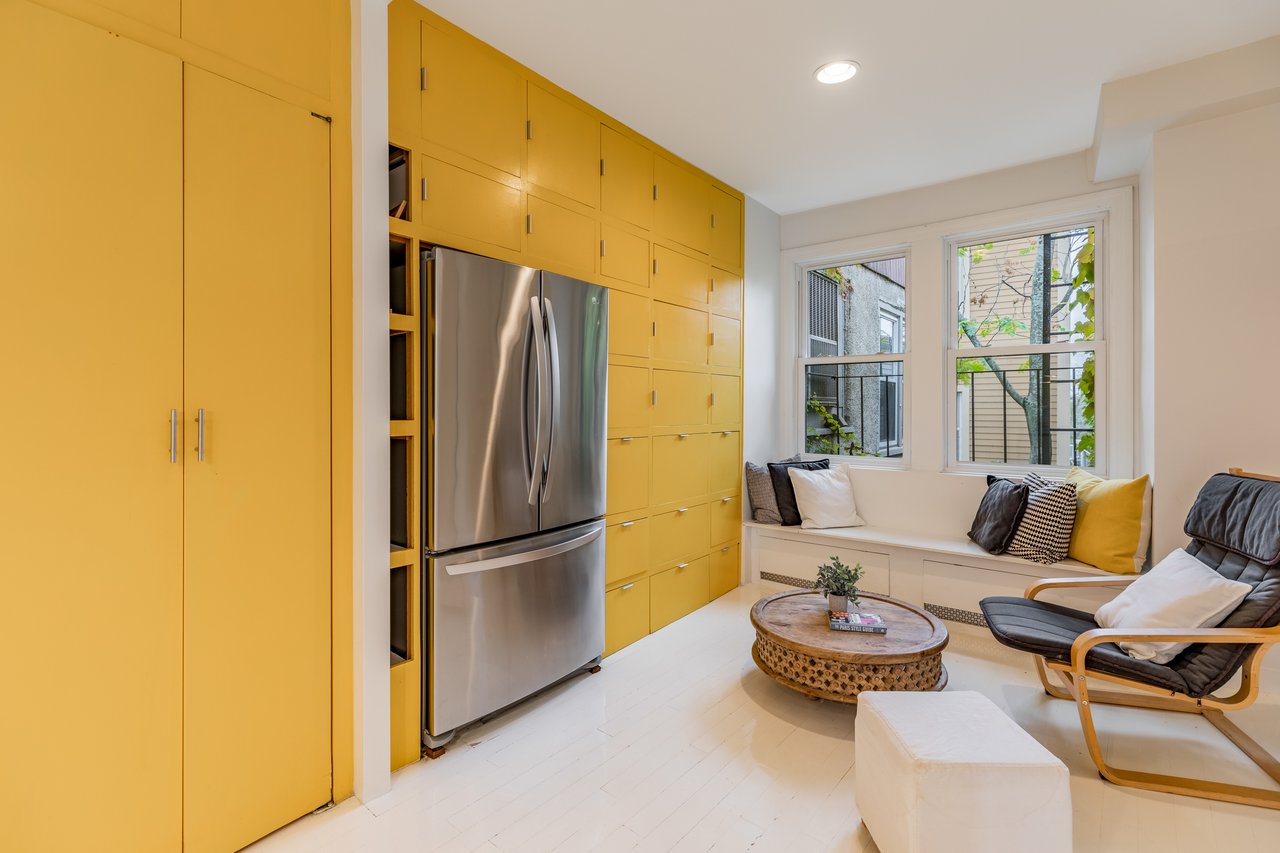
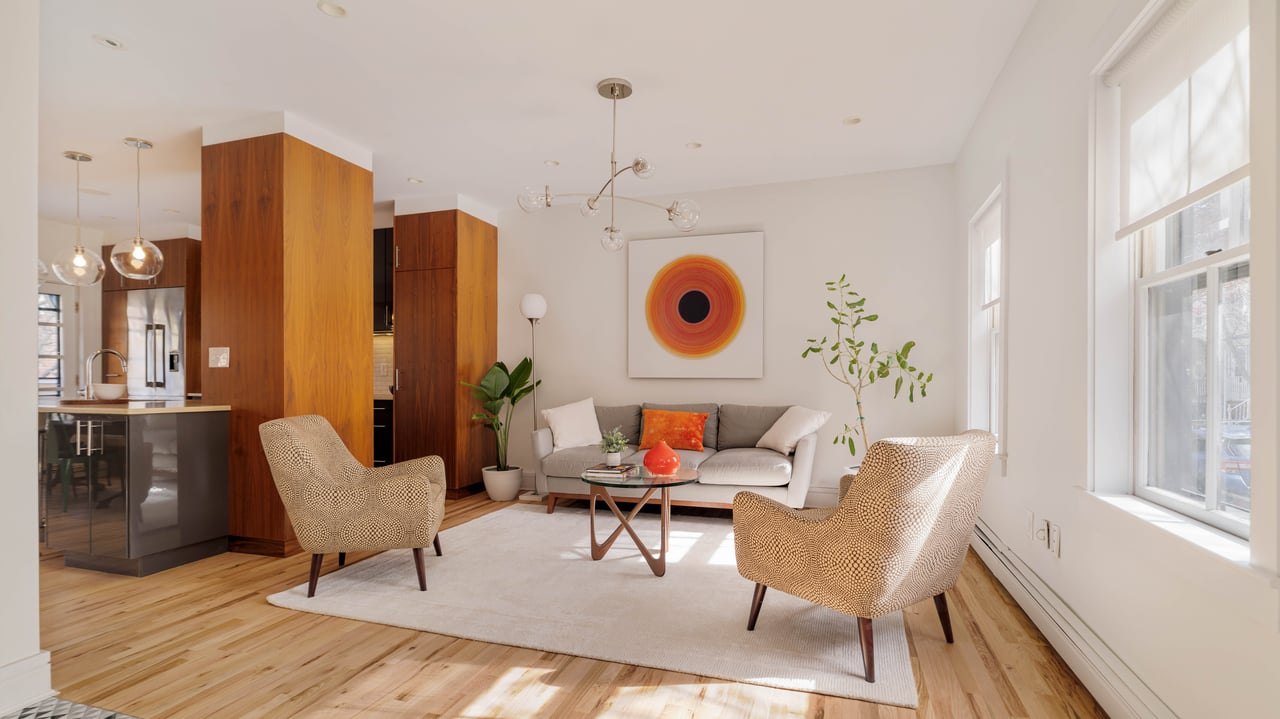
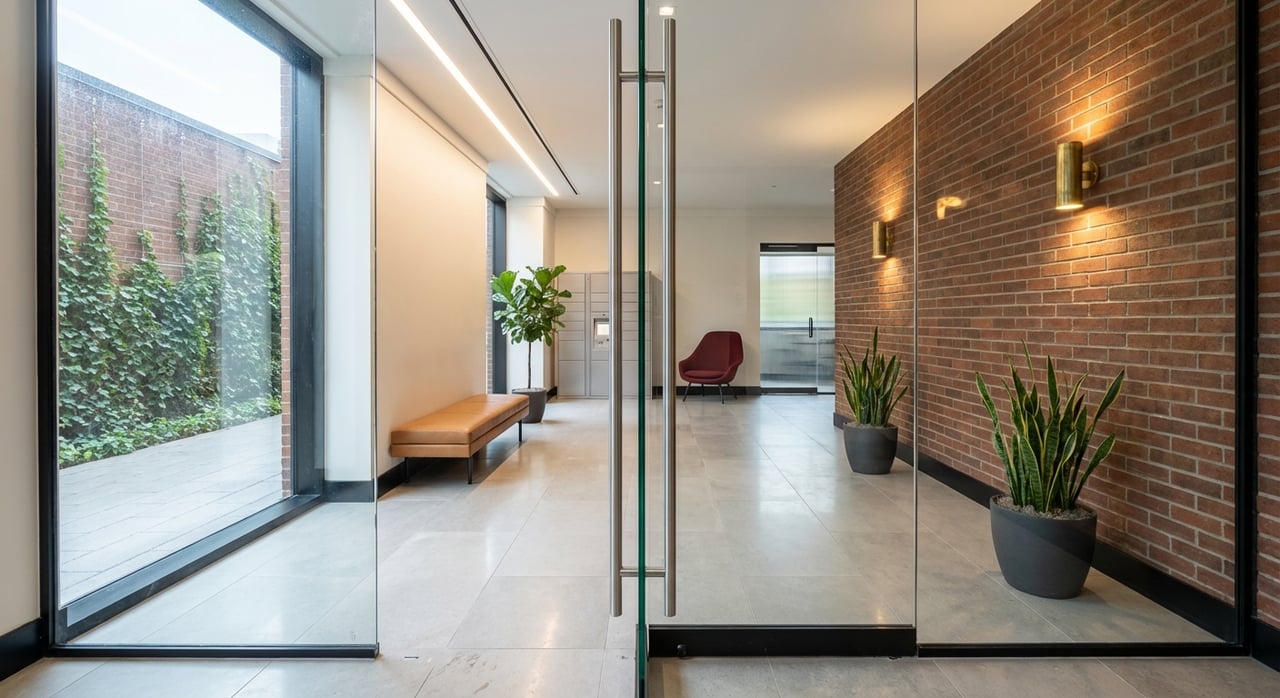
Storage matters just as much. In compact condos and converted apartments, built-ins and smart millwork can make a home feel calmer and more spacious without adding visual clutter.
Compact Spaces Benefit From Restraint
Mid-Cambridge’s housing stock makes restraint an advantage. According to the city’s neighborhood profile, 57.3% of occupied units are renter-occupied, 32.7% are owner-occupied, and 41.9% of units are in buildings of 26 units or more.
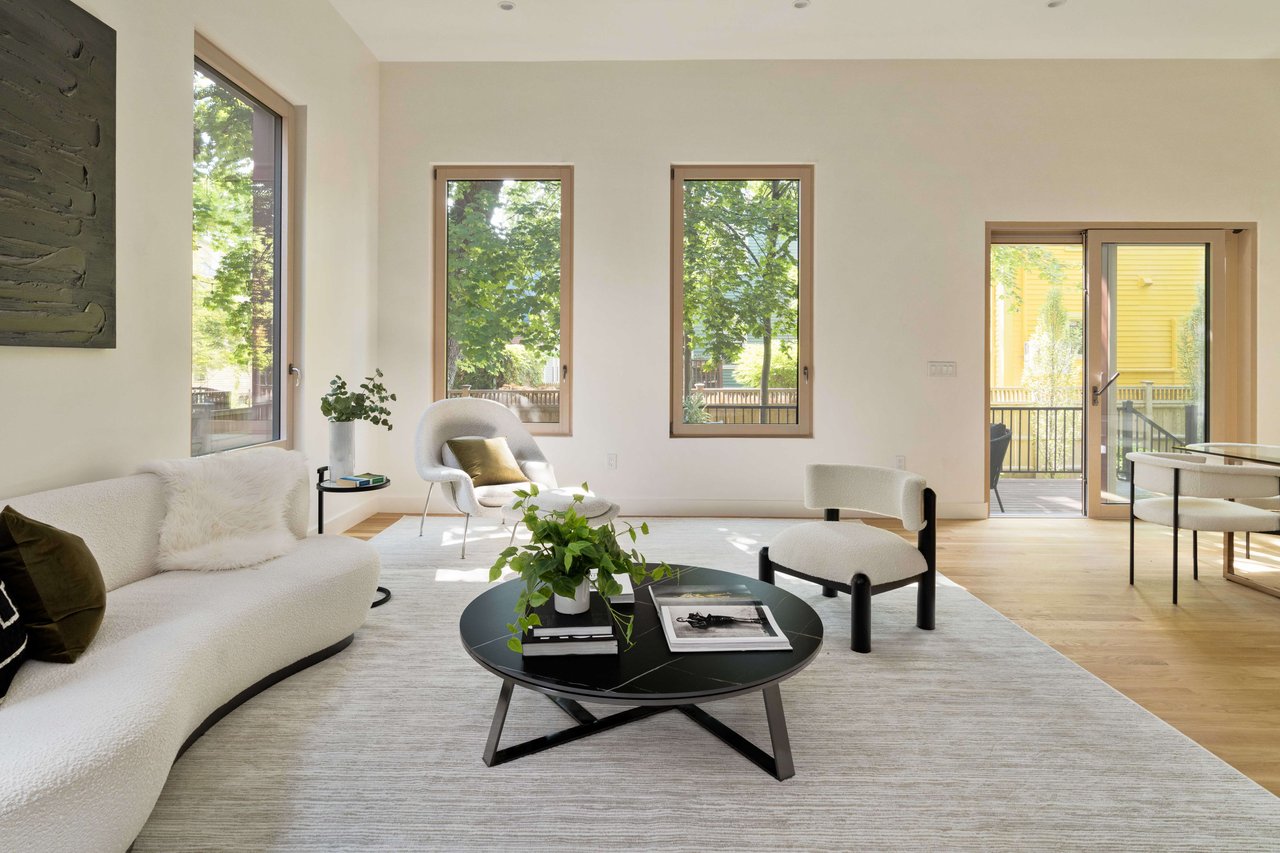
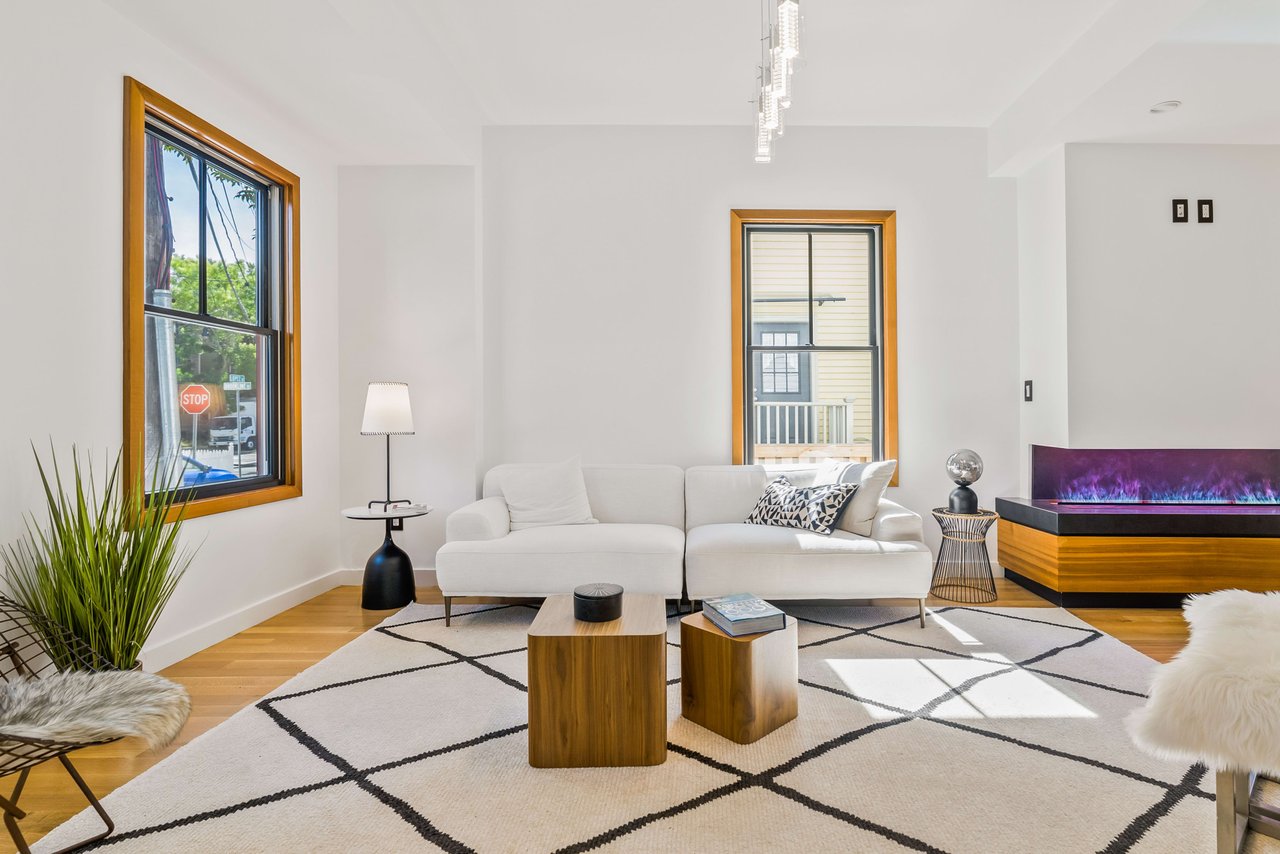
That density shapes how interiors perform. In smaller homes and condo conversions, fewer, better-scaled furnishings often work better than oversized pieces.
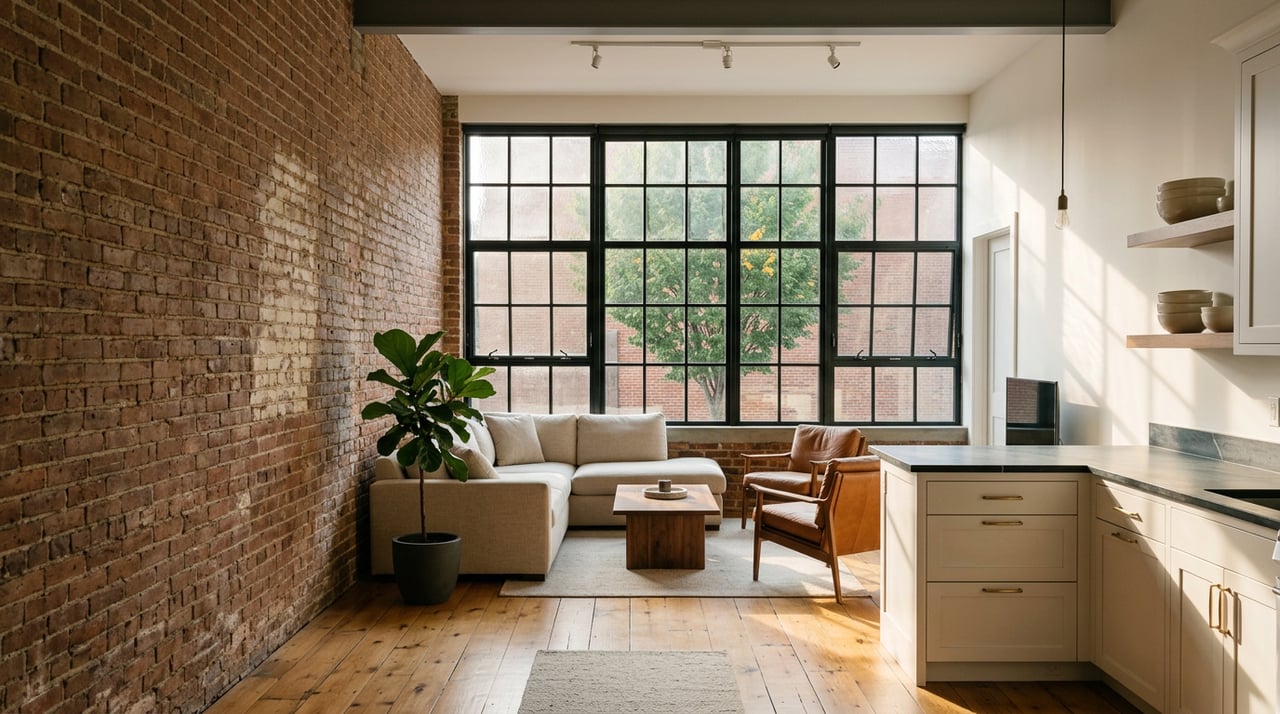
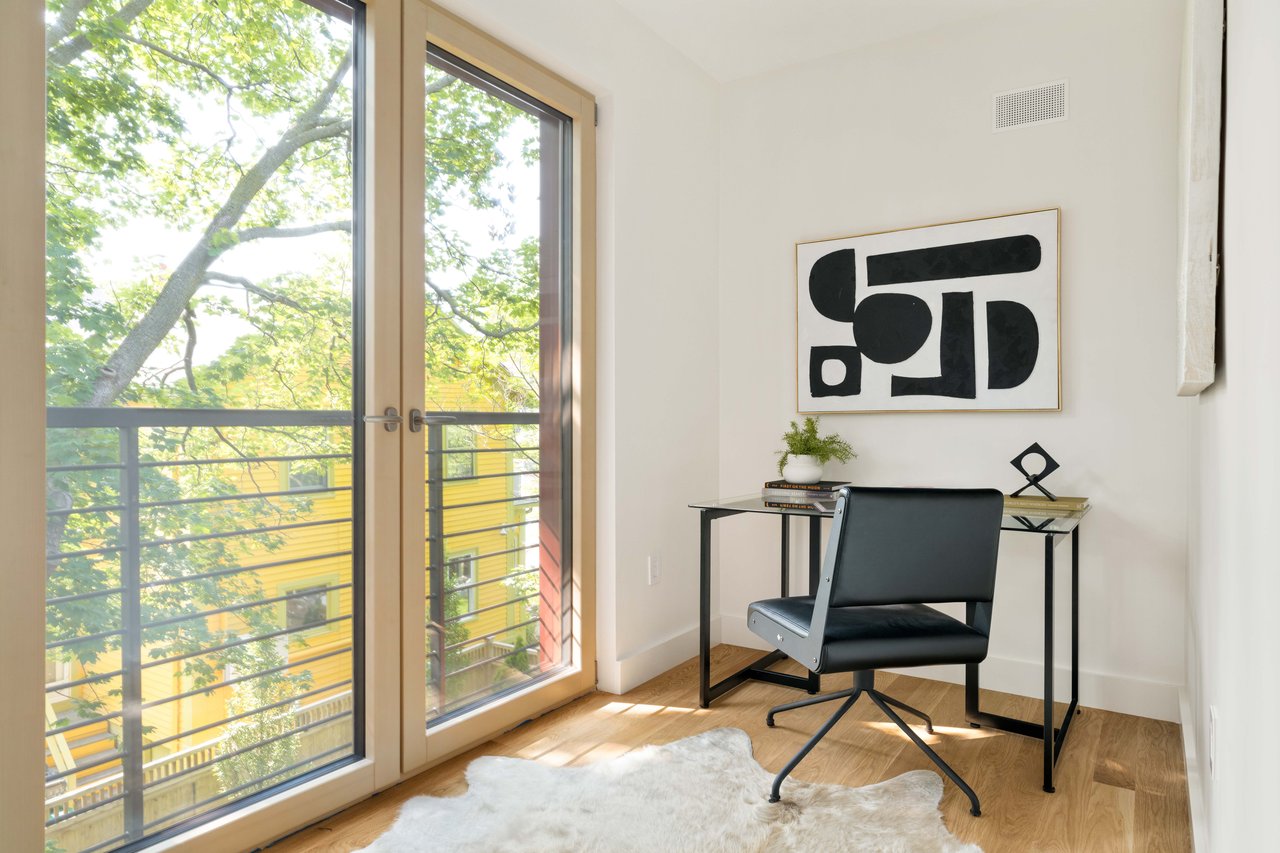
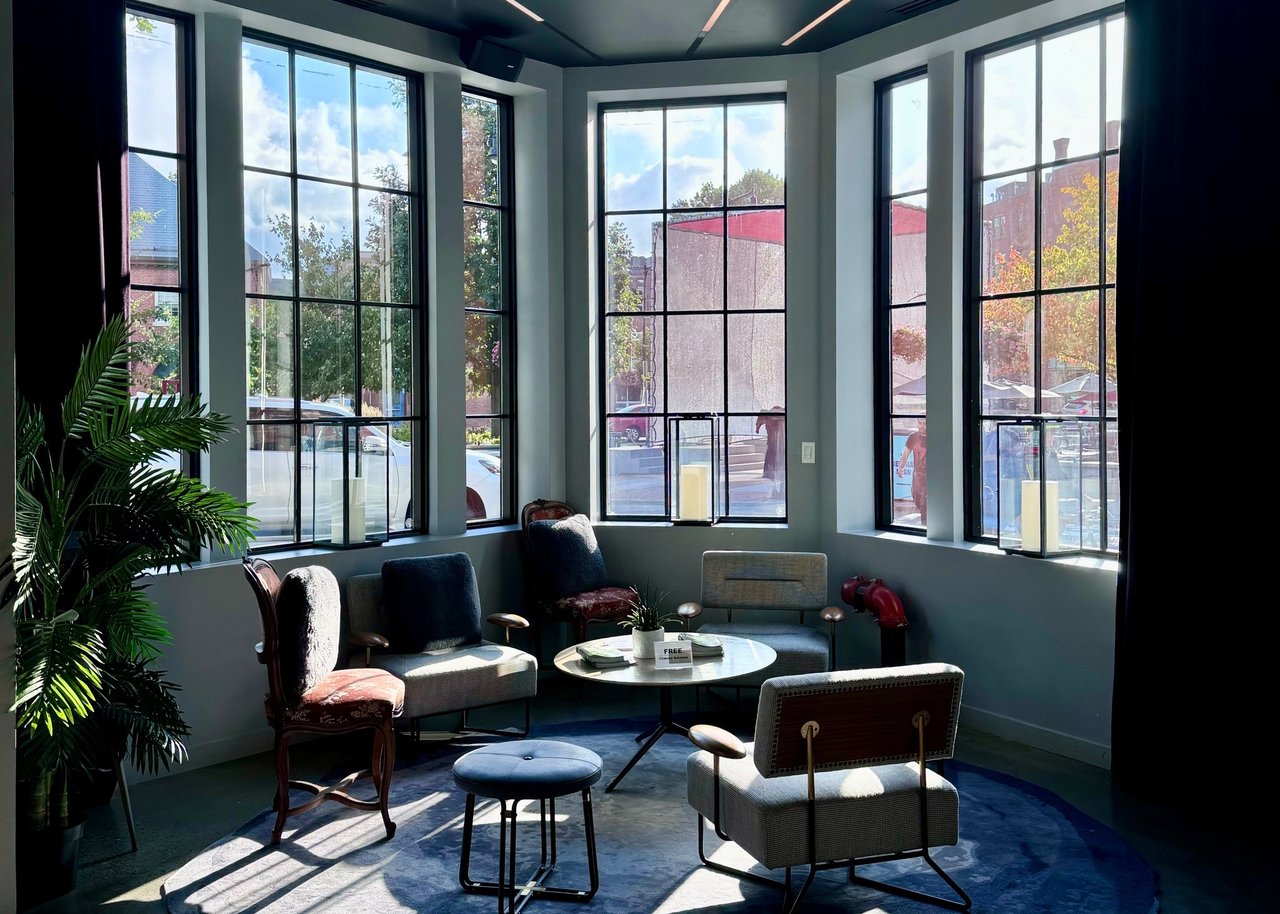
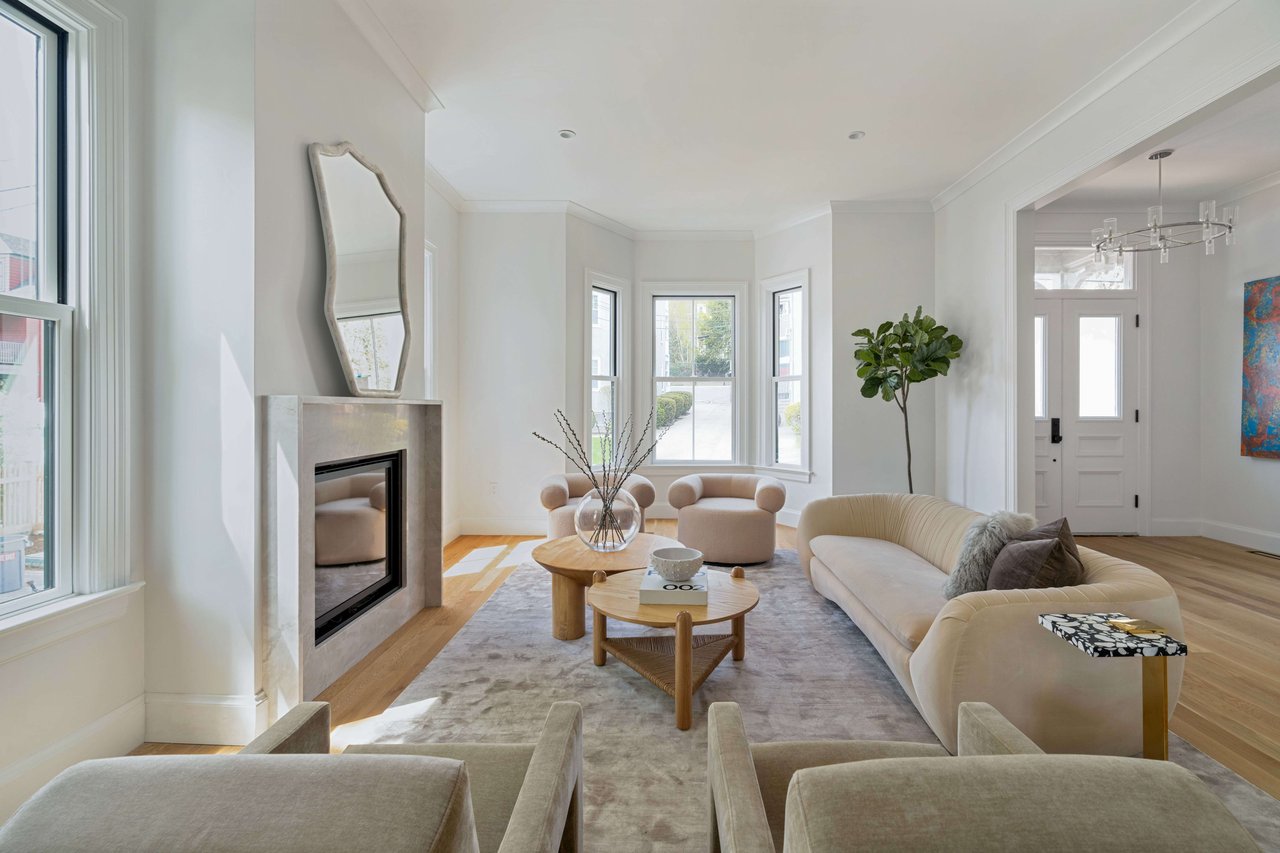
The same goes for finishes. A restrained material palette can help historic details stand out while keeping the home feeling current. Clean surfaces, warm wood, simple hardware, and uncluttered sight lines often fit these spaces better than overly busy patterns or heavy visual contrast.
Original Windows Still Matter
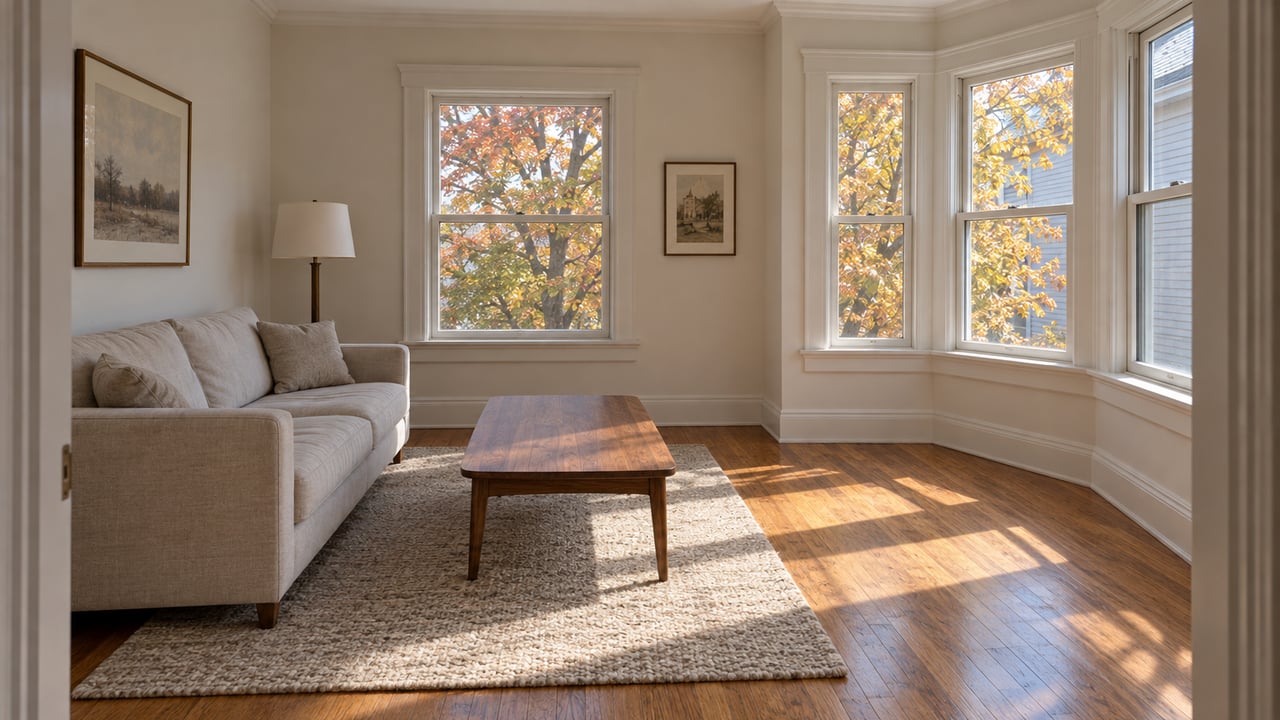
Windows are one of the clearest examples of how historic character and modern comfort can work together. The Cambridge Historical Commission identifies historic wood windows as character-defining elements and advises restoration before replacement.
That is not just a preservation point. The commission also states that properly repaired windows, combined with weatherstripping and quality storm windows, can achieve energy performance comparable to double-glazed replacements.
Its guidance further notes that adding storm windows can reduce heat loss through the window area by about 50%. For owners and buyers, that makes window restoration a practical livability upgrade, not simply a cosmetic choice.
Mechanical Systems Need Early Planning
Modern interiors do not feel seamless unless the systems behind them are well planned. Heating, cooling, ventilation, and equipment placement all affect how comfortable a home feels and how well its historic character is preserved.
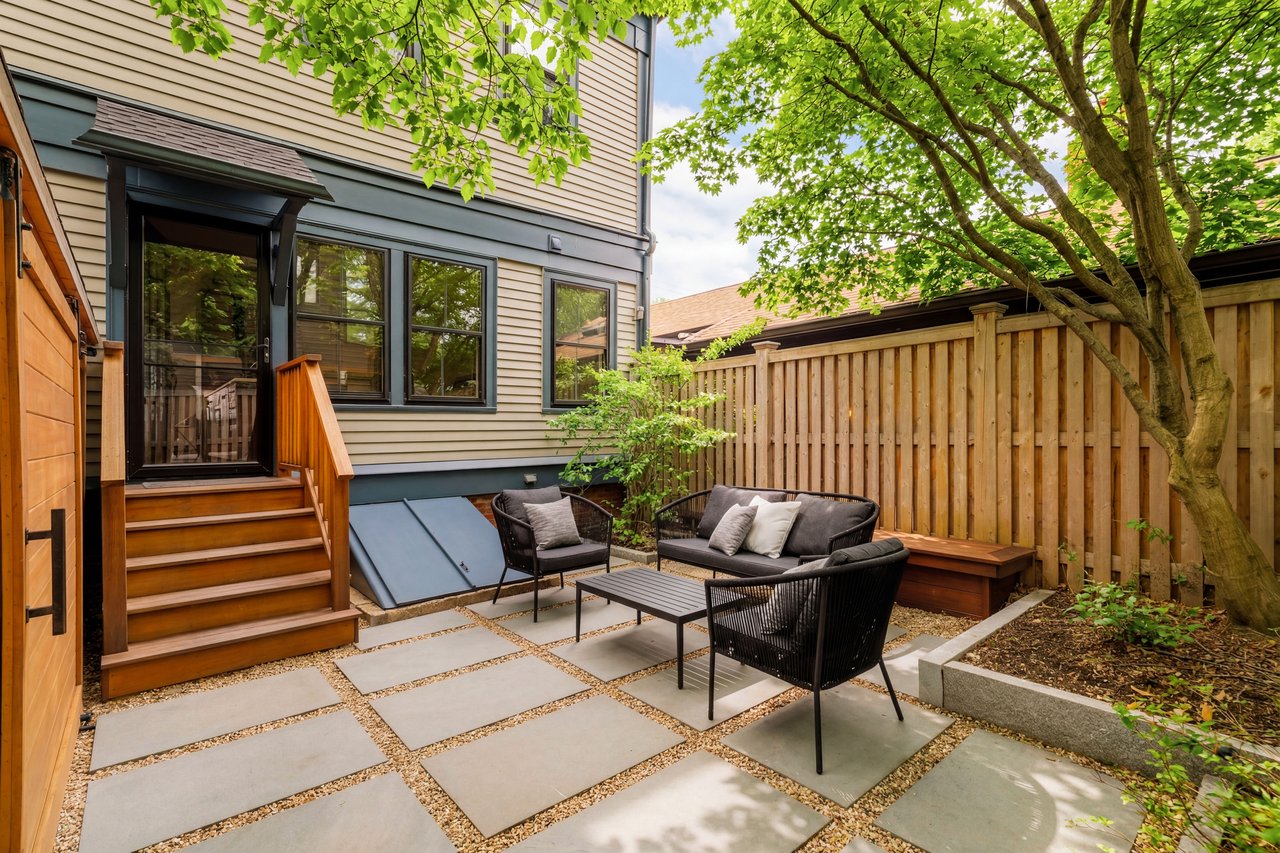
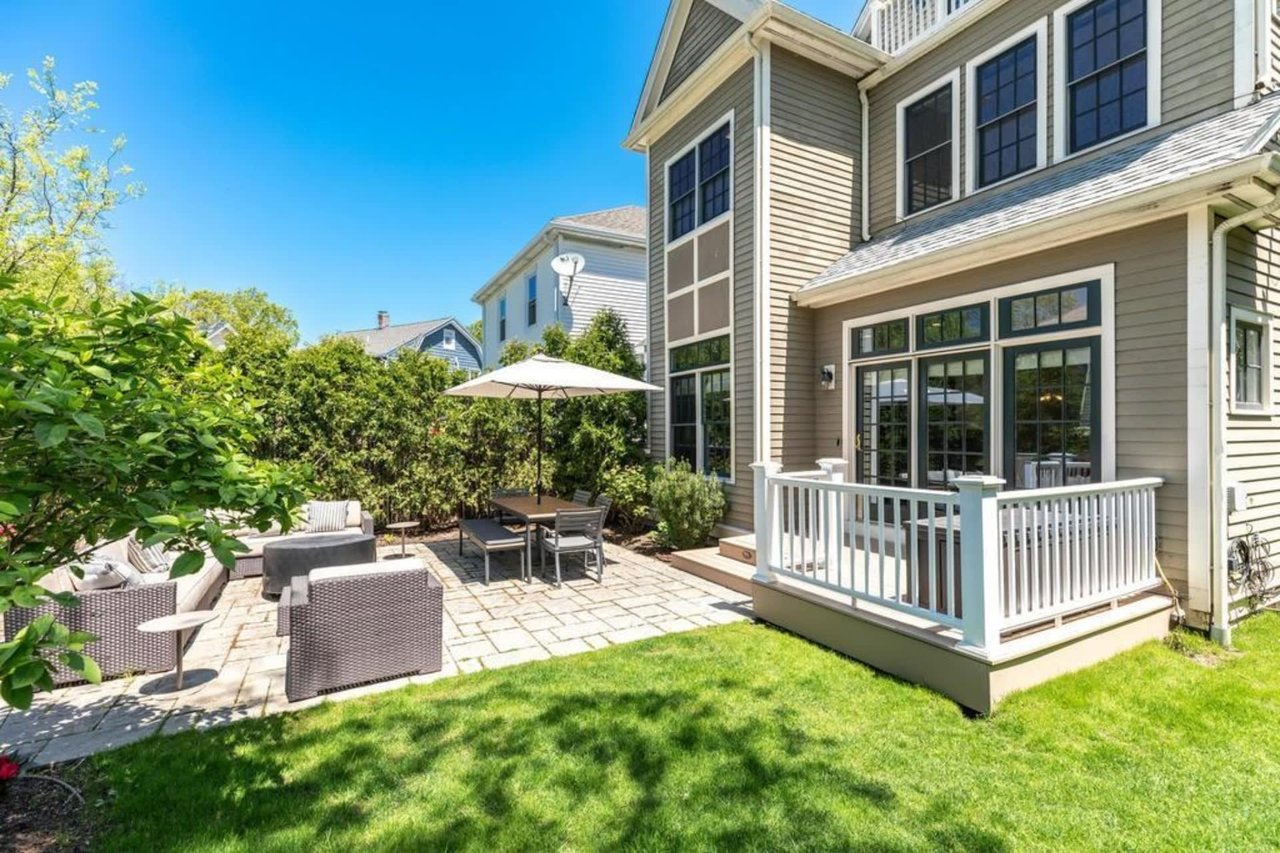
The Cambridge Historical Commission’s HVAC guidance says exterior condenser units can affect both visual character and noise. It recommends rear-yard placement where possible and screening for side-yard installations, while identifying front yards, rooftops, and other prominent locations as the least preferred options.
In a neighborhood where homes often sit close to the sidewalk and may have tight side yards, this matters. The cleanest renovation results usually come when mechanical decisions are solved early, not after the interior design is finished.
Lighting Should Respect Room Proportions
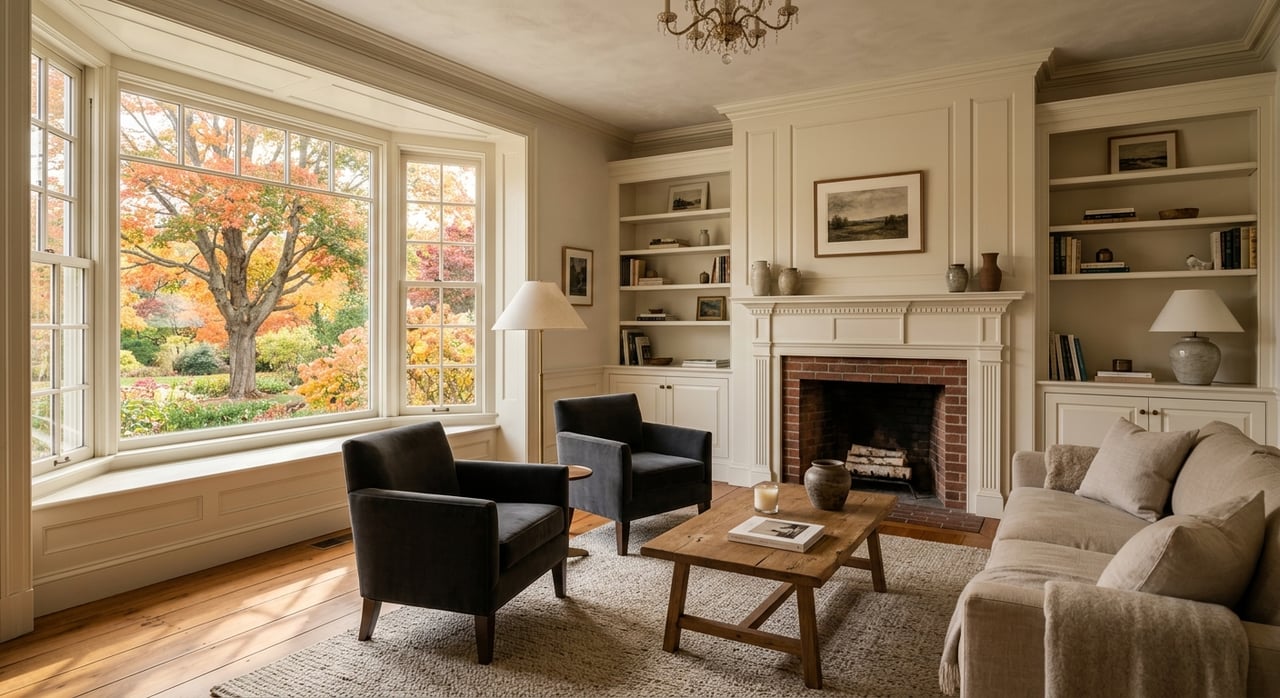
Older Mid-Cambridge homes often have room proportions that deserve more than a single overhead fixture. Historic examples in the neighborhood include large halls, bay-windowed parlors, libraries, dining rooms, upper-floor chambers, and richly detailed mantels.
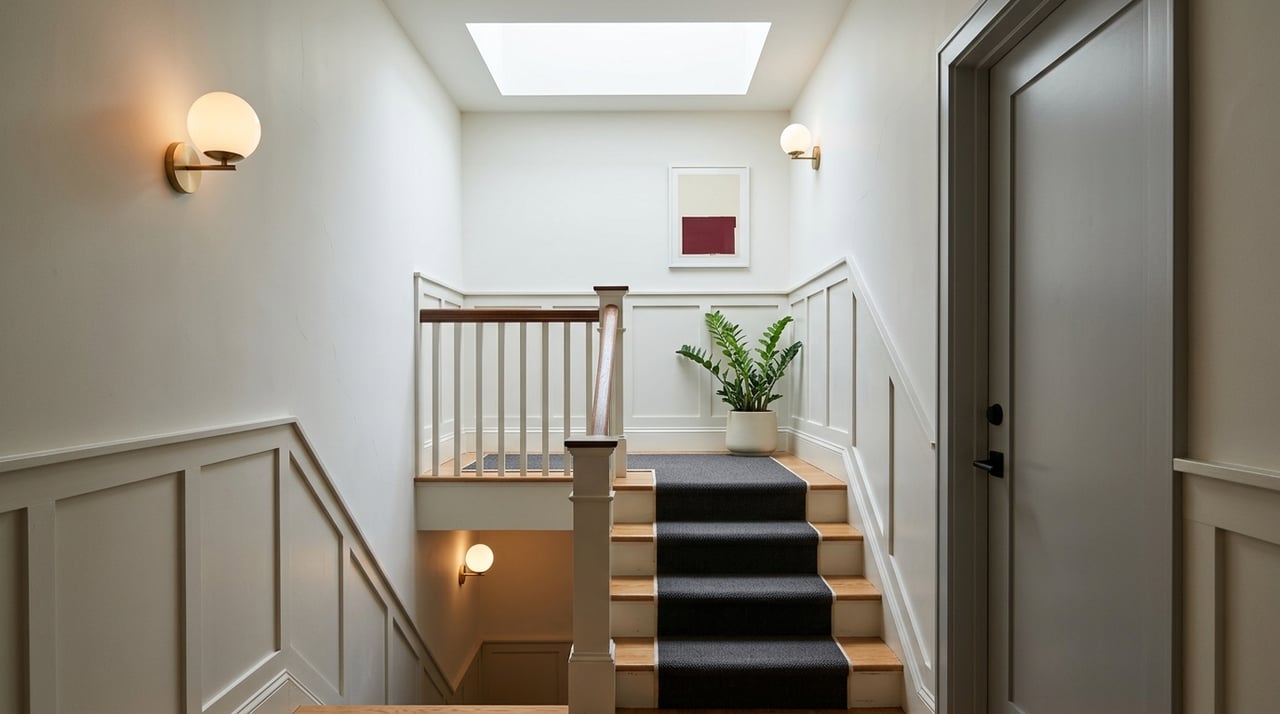
Those proportions suggest a better modern approach to lighting. Instead of flattening the room, layered lighting can highlight ceiling height, window depth, and original trim.
In practice, that may mean combining ambient lighting with sconces, library lamps, or accent fixtures that draw attention to architectural features. The goal is not to make the home feel brand new. It is to make the original rooms feel more usable, more inviting, and better suited to the way you live now.
Buyers: What to Look For
If you are shopping for a home in Mid-Cambridge, it helps to look beyond surface finishes. A stylish kitchen matters, but so do the choices behind it.
Look for updates that fit the home’s scale and architecture. Strong examples often include:
- Kitchens and baths updated without erasing original trim or room proportions
- Restored wood windows with weatherstripping or storm windows
- Built-in storage that improves function in smaller rooms
- Mechanical systems placed thoughtfully to minimize exterior impact
- Lighting that supports historic features rather than overpowering them
A home does not need to be fully transformed to live well. In this neighborhood, the best interiors often feel edited, efficient, and respectful of what was already there.
Sellers: What Adds Appeal
If you are preparing to sell a historic Mid-Cambridge home or condo, buyers often respond to interiors that feel current but not generic. They want comfort and function, but they also notice when a renovation has stripped away the home’s personality.
Before listing, it can help to focus on improvements that enhance daily use and visual clarity. That may mean refining storage, updating lighting, simplifying finishes, or making sure windows and mechanical systems have been addressed thoughtfully.
For architecturally significant homes in particular, presentation matters. When a property tells a clear design story, one that connects historic character with modern livability, it can stand out more strongly in a competitive Cambridge market.
Why This Balance Matters in Mid-Cambridge
Mid-Cambridge offers a distinct mix of density, history, and livability. Its preservation framework protects the streetscape, while many interior changes remain more flexible.
That combination creates an appealing opportunity for homeowners and buyers. You do not have to choose between old and new as if they are opposites.
In many of the neighborhood’s most compelling homes, the real success comes from making them work together. A well-designed interior can support modern routines while keeping the architectural story intact.
If you are considering a move in Mid-Cambridge, or thinking about how to position a historic home for the market, working with a local advisor who understands both design value and neighborhood context can make all the difference. To start the conversation, connect with Sandrine Deschaux.
FAQs
What kinds of home changes are usually reviewed in Mid-Cambridge?
- In Mid-Cambridge, review generally focuses on exterior changes visible from a public way, including many decisions involving windows, doors, roofs, additions, and exterior mechanical equipment.
Are interior renovations in Mid-Cambridge usually subject to district review?
- The City of Cambridge states that interior alterations and changes not visible from a public way generally fall outside commission review and are typically handled through a certificate of non-applicability.
Is replacing old wood windows the best option for historic Mid-Cambridge homes?
- Not necessarily. The Cambridge Historical Commission advises restoration before replacement and says repaired wood windows with weatherstripping and quality storm windows can perform comparably to double-glazed replacements.
How can modern interiors work in smaller Mid-Cambridge condos?
- In compact Mid-Cambridge homes, built-in storage, restrained finishes, and properly scaled furnishings often make the space feel more functional and visually calm.
Where should HVAC equipment go at a historic Mid-Cambridge property?
- Cambridge guidance favors rear-yard placement where possible and recommends screening for side-yard installations, while front yards, rooftops, and other prominent locations are the least preferred.
Why do historic Mid-Cambridge homes adapt well to modern living?
- The neighborhood combines older architecture, many condo conversions, and a preservation framework that emphasizes exterior character while leaving room for interior modernization.