Wondering why one Mid-Cambridge condo feels quiet and tucked away while another, just a few blocks over, feels plugged into the full Cambridge rhythm? That is the real story of condo living here. If you are thinking about buying in Mid-Cambridge, it helps to look beyond the neighborhood name and understand how block location, building type, and condo governance can shape your day-to-day life. Let’s dive in.
Mid-Cambridge Is Not One-Note
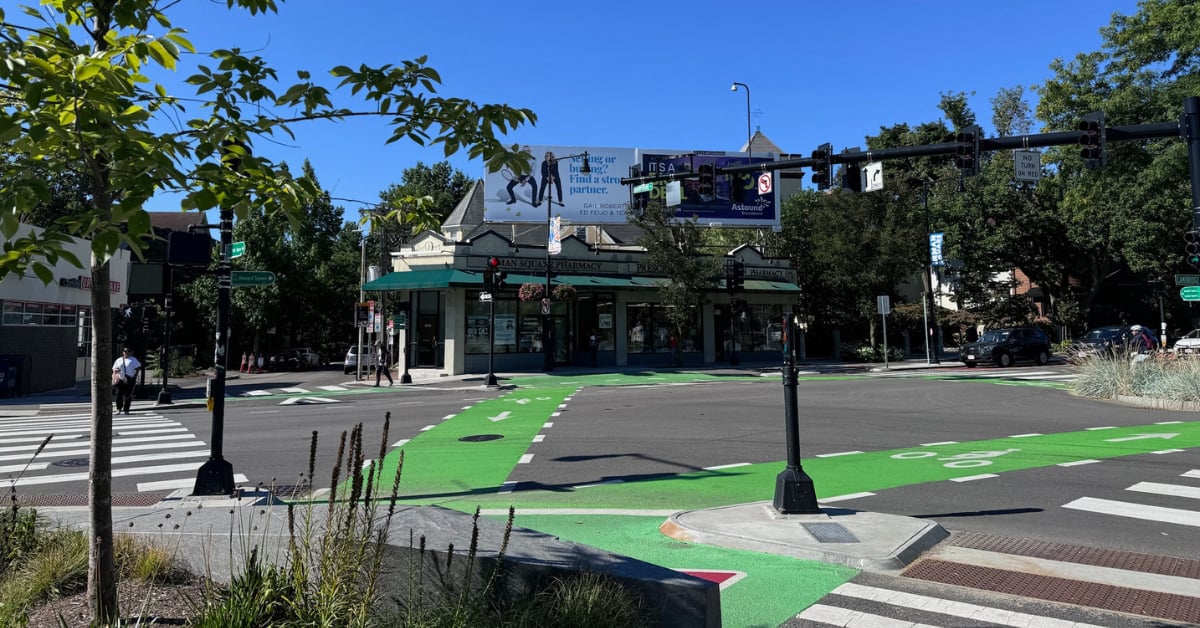
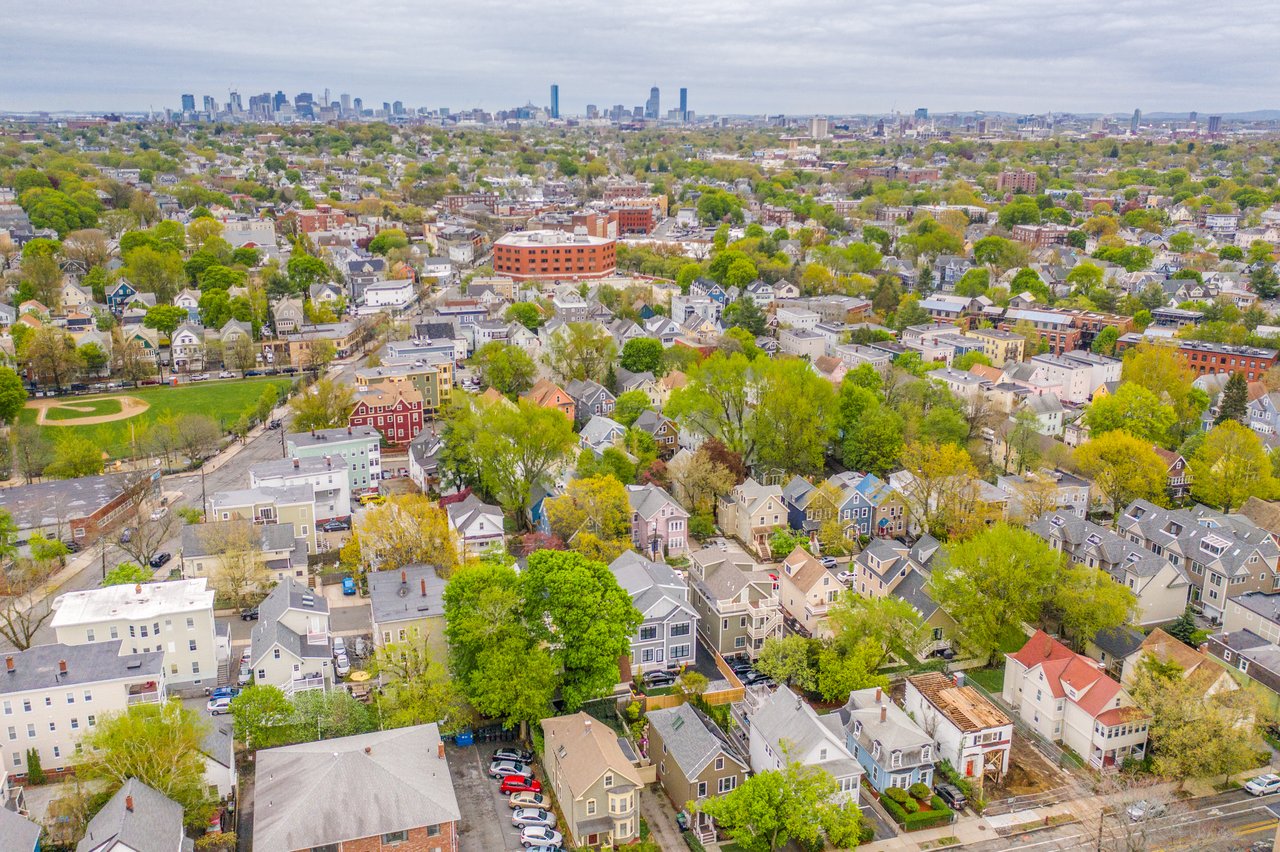
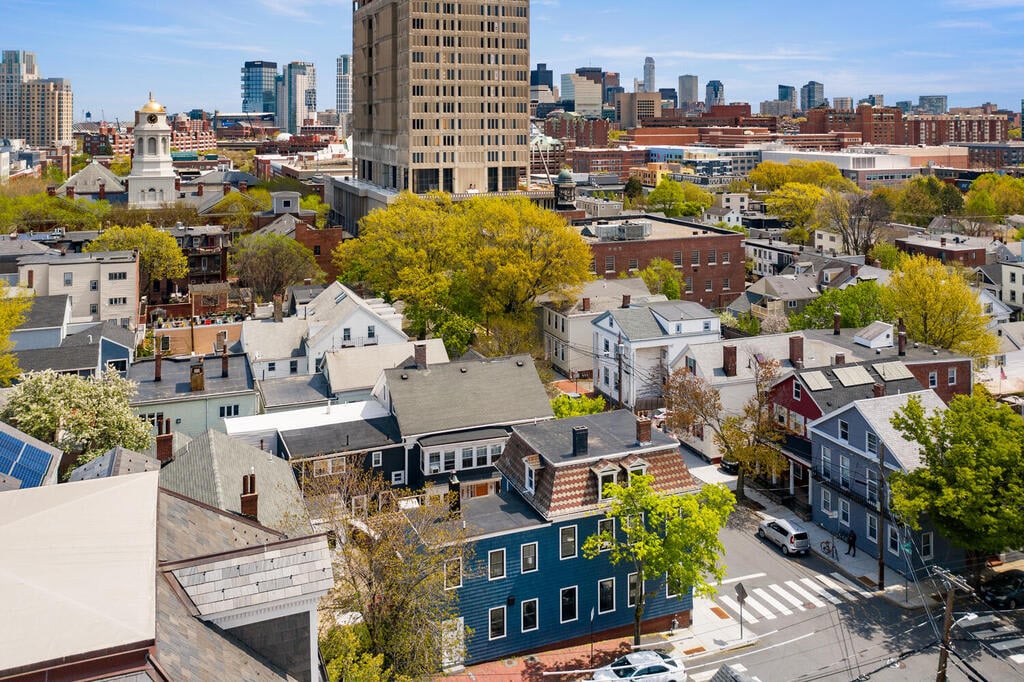
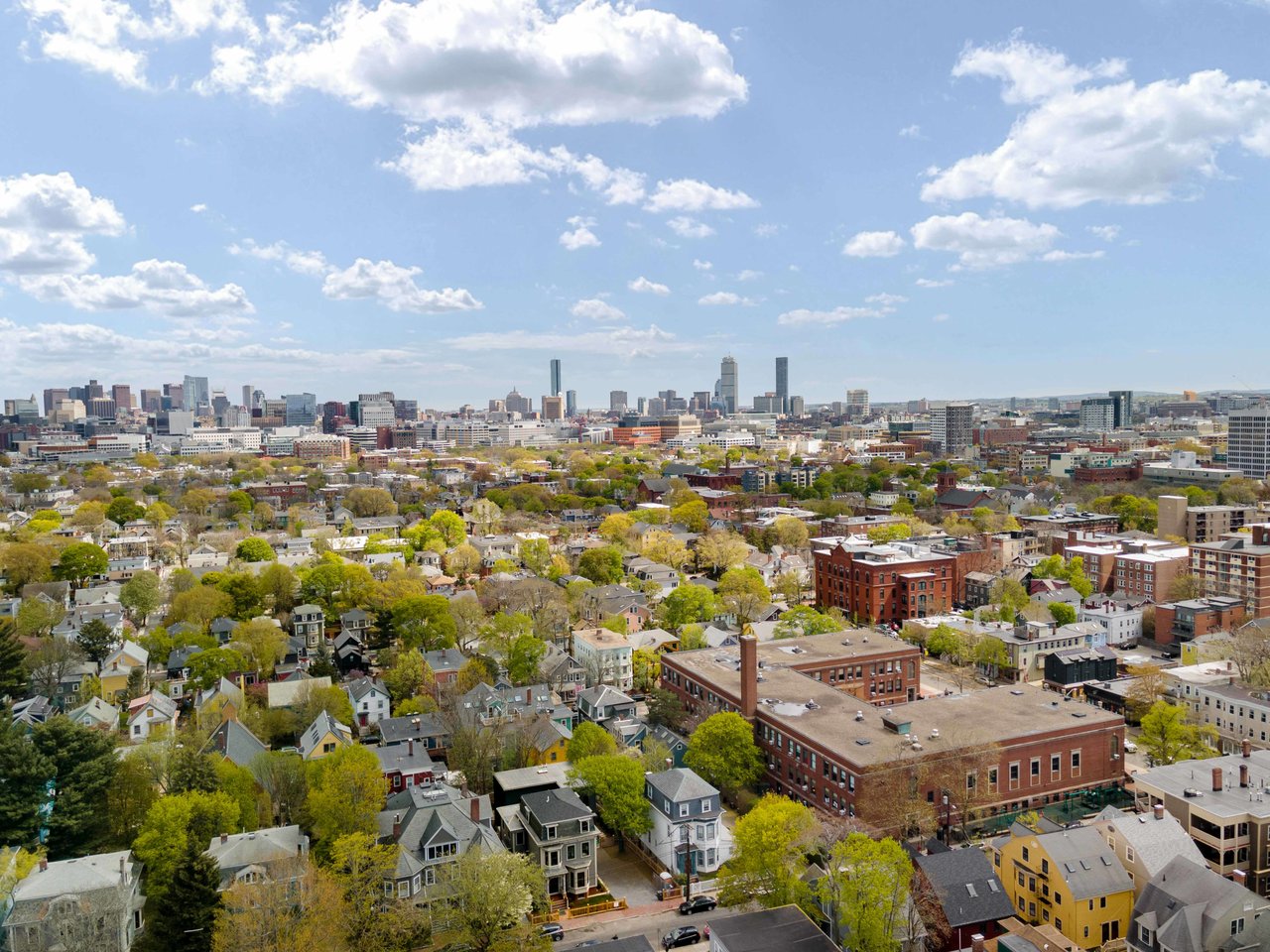
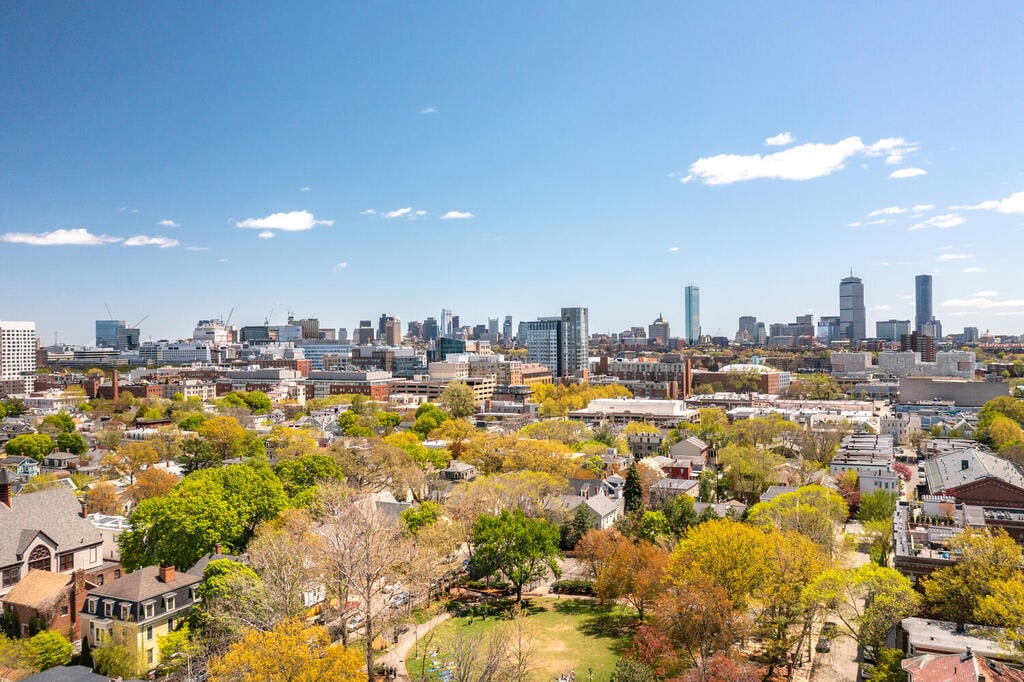
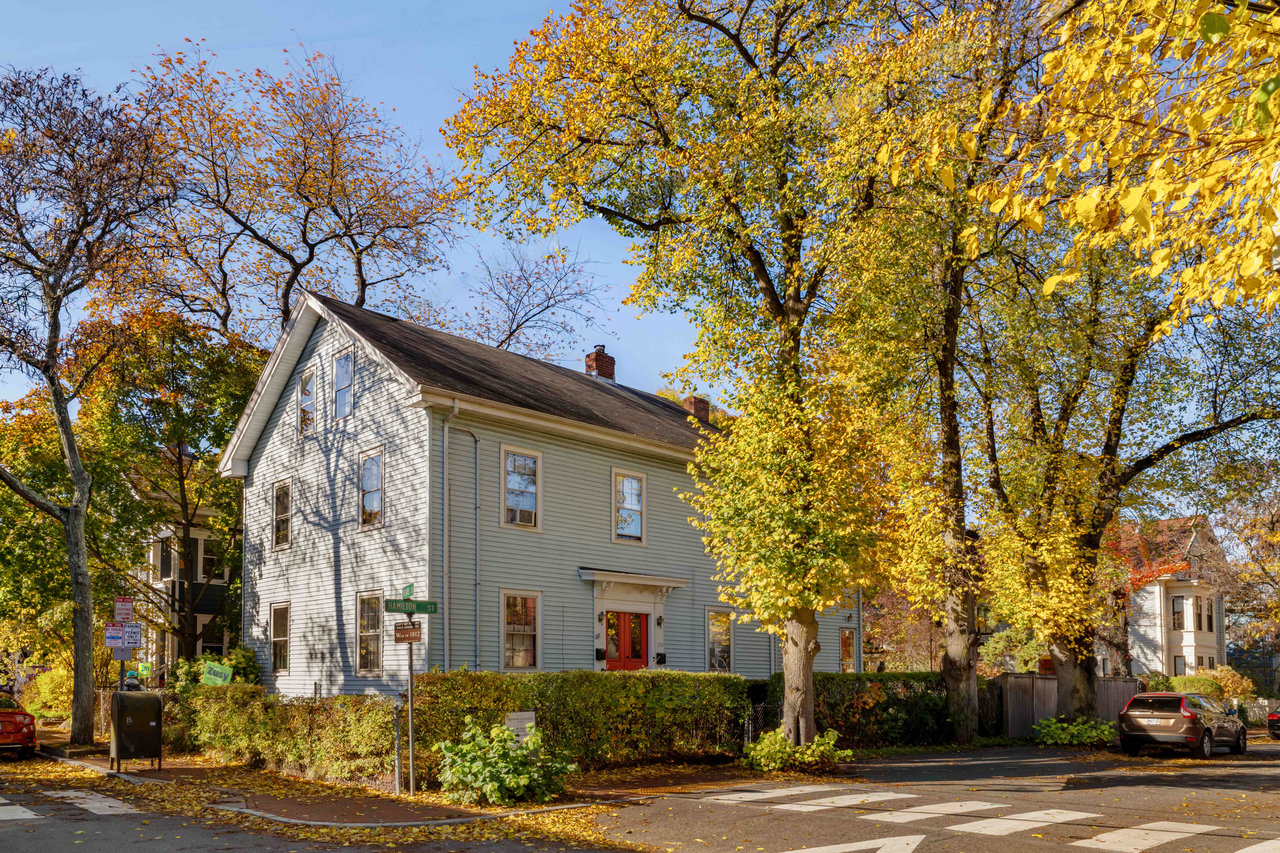
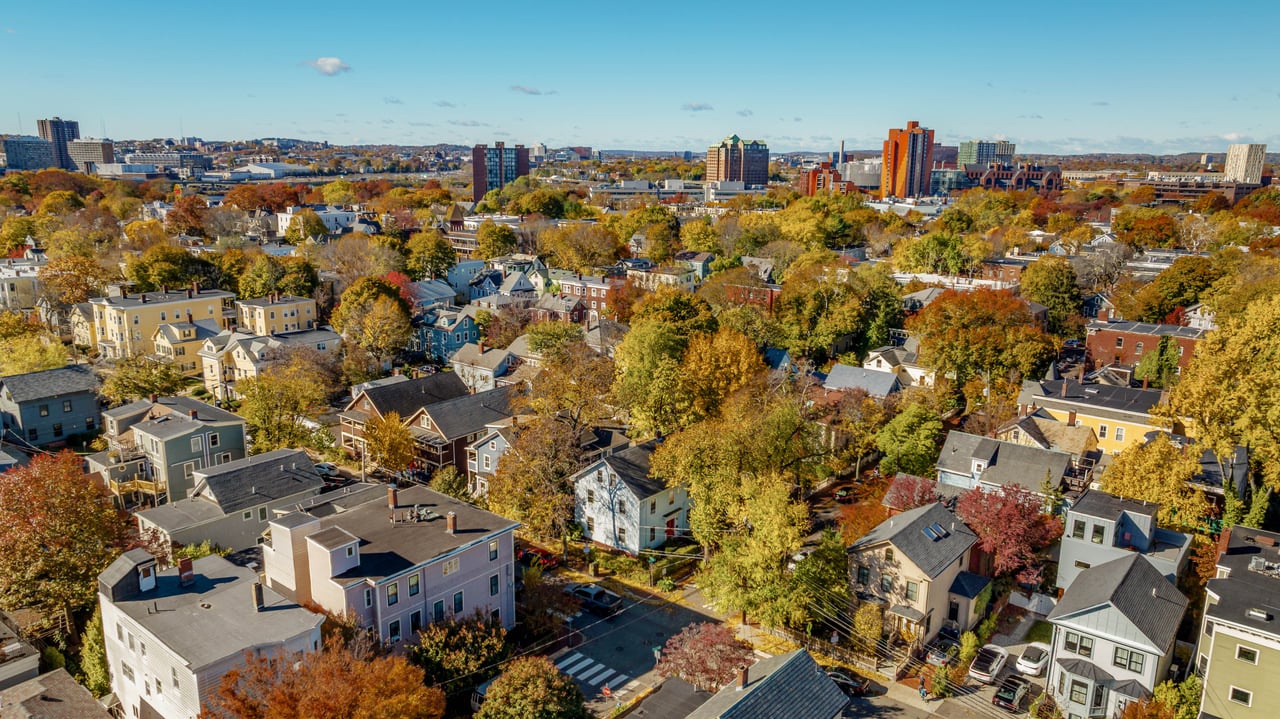
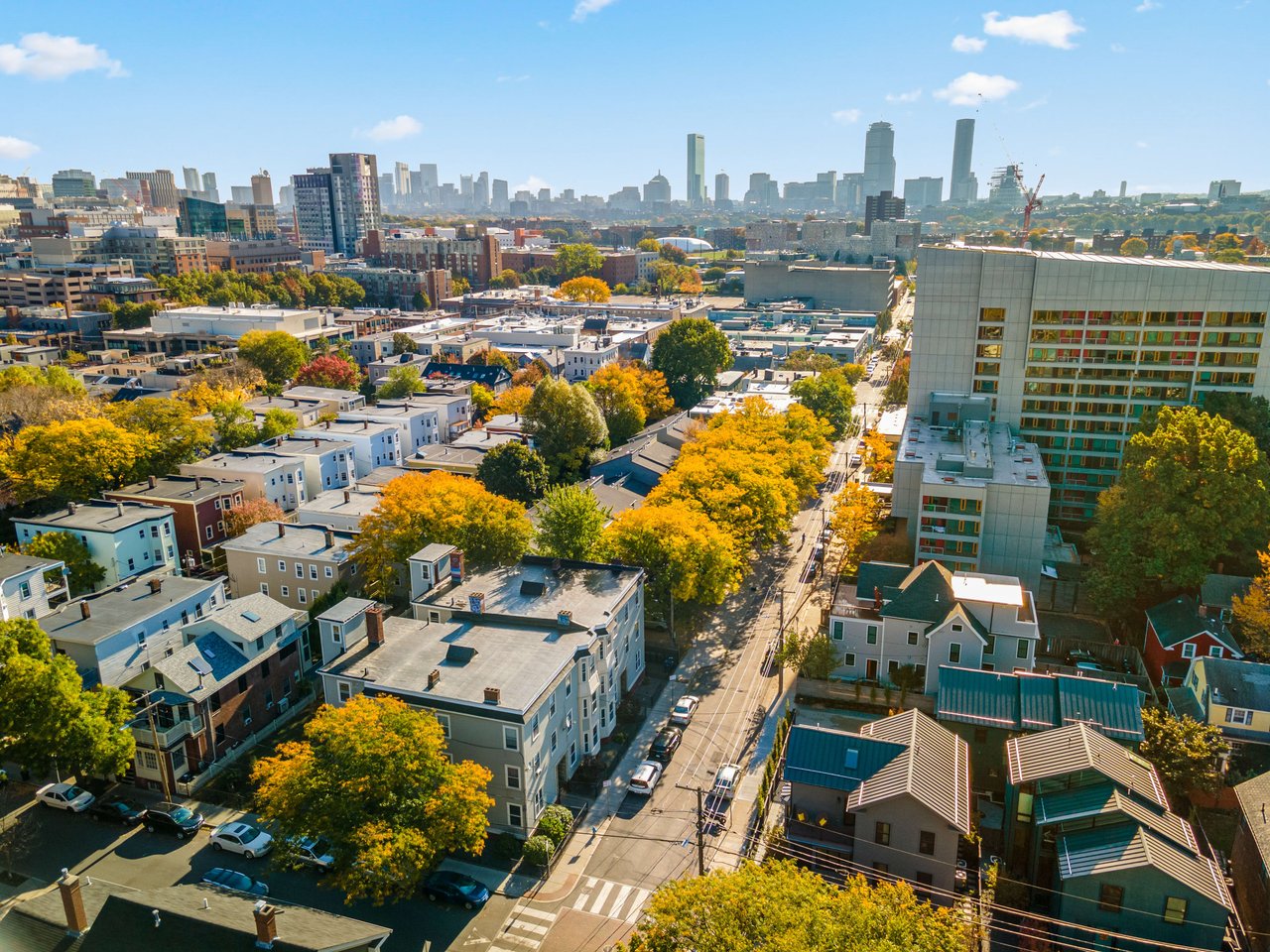
Mid-Cambridge is compact, dense, and highly connected. The City of Cambridge describes it as bordered by Prospect Street, Kirkland Street, Massachusetts Avenue, and the Somerville line, with Central Square, Harvard Square, and Inman Square at its edges. Massachusetts Avenue also serves as the main commercial spine and travel route.
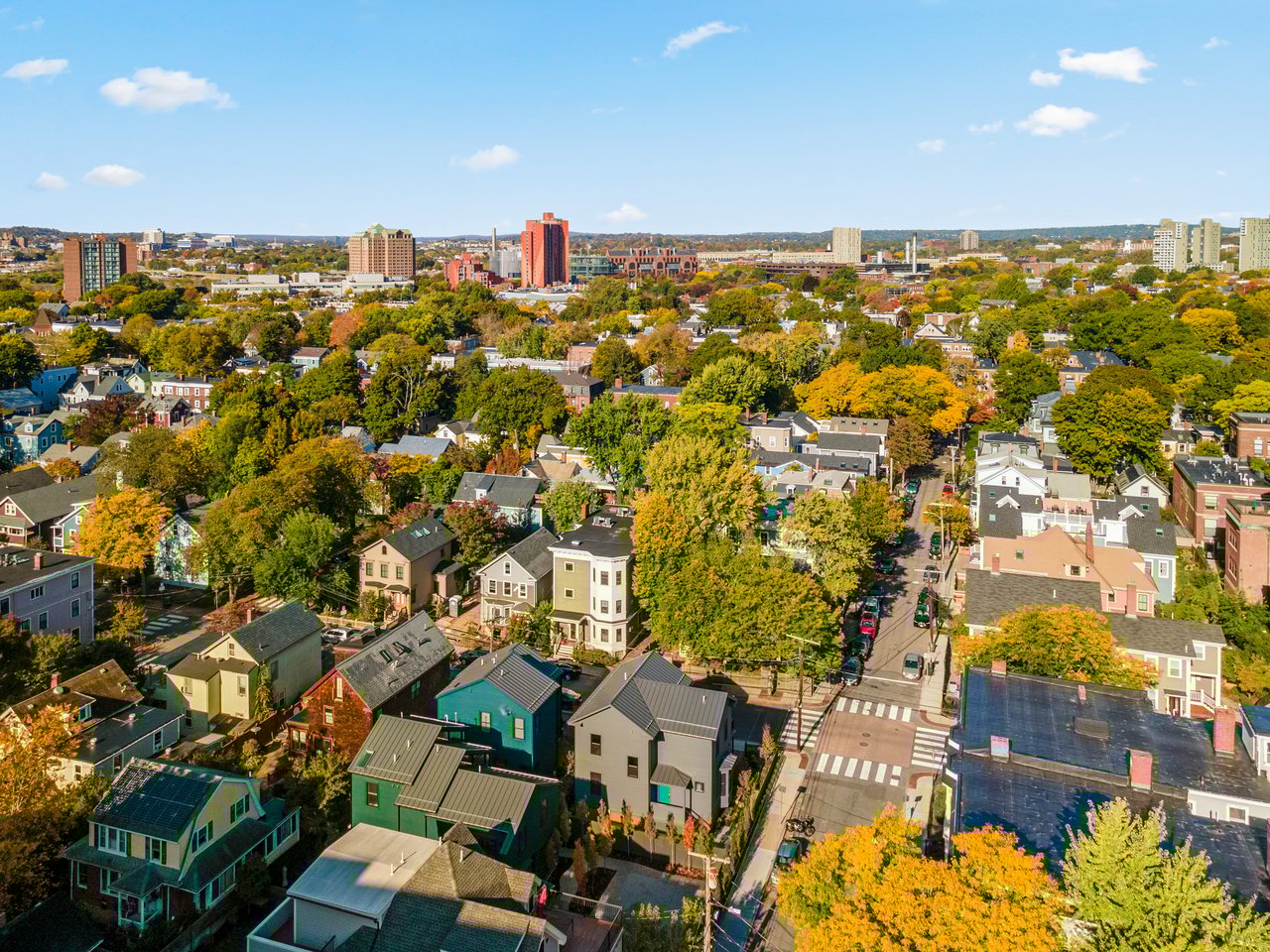
That setting gives you a lot of access in a small area, but it also creates meaningful variation from street to street. A condo near the civic core can feel different from one closer to Central Square or the Inman side. In Mid-Cambridge, your address often matters almost as much as the unit itself.
The neighborhood profile also shows a mix of household types and tenure patterns. Mid-Cambridge has 6,094 households, with 63.5% non-family households, 40.2% single-person households, 32.7% owner-occupied units, and 57.3% renter-occupied units. For buyers, that is a useful reminder that this is not a uniform owner-condo environment.
Condo Forms Vary By Block
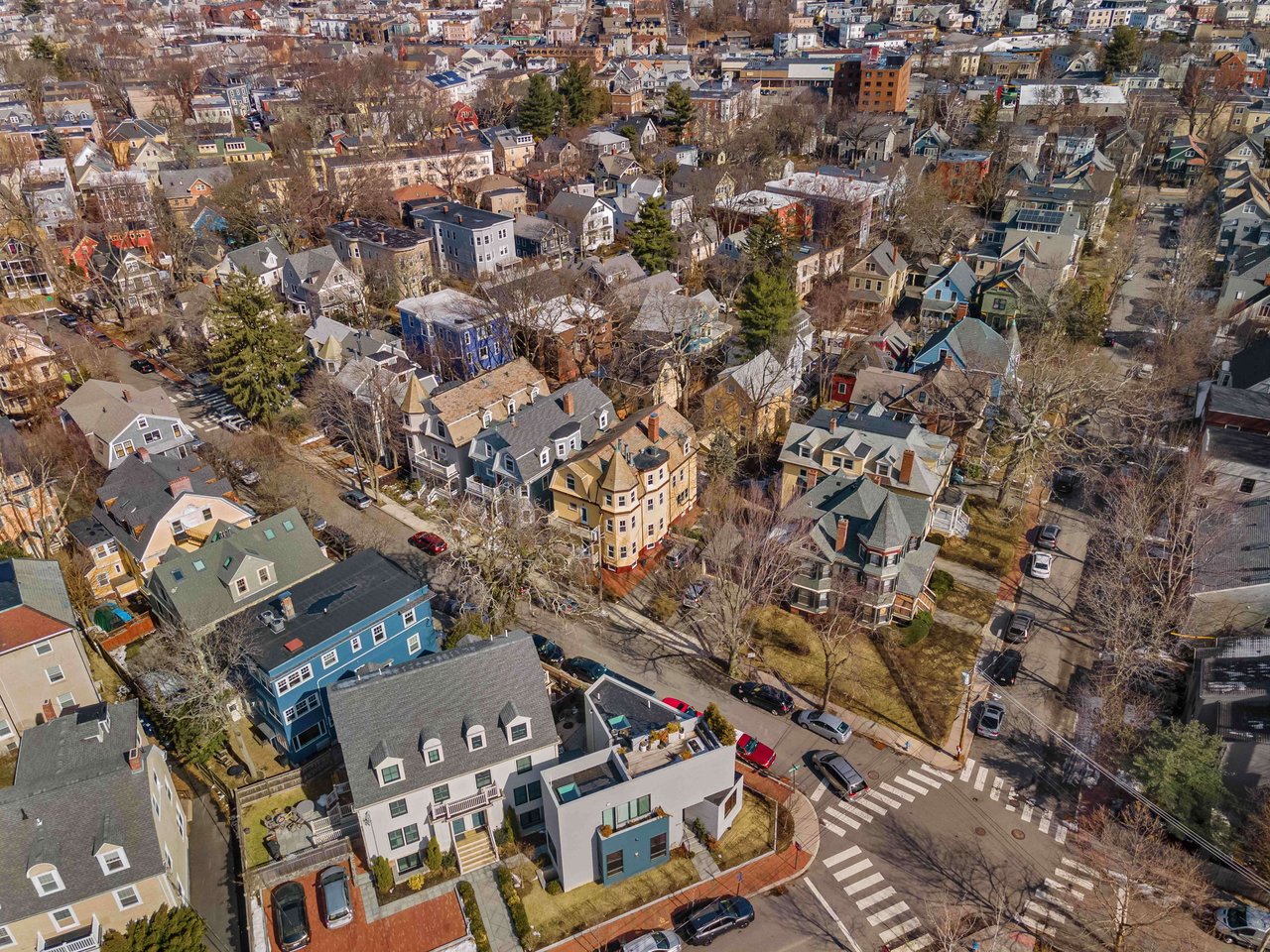
Mid-Cambridge has a strong multi-family housing pattern. City data shows that 32.0% of units are in 2-to-4-unit properties, 9.9% are in 5-to-12-unit properties, 11.7% are in 13-to-25-unit properties, and 41.9% are in buildings with 26 or more units.
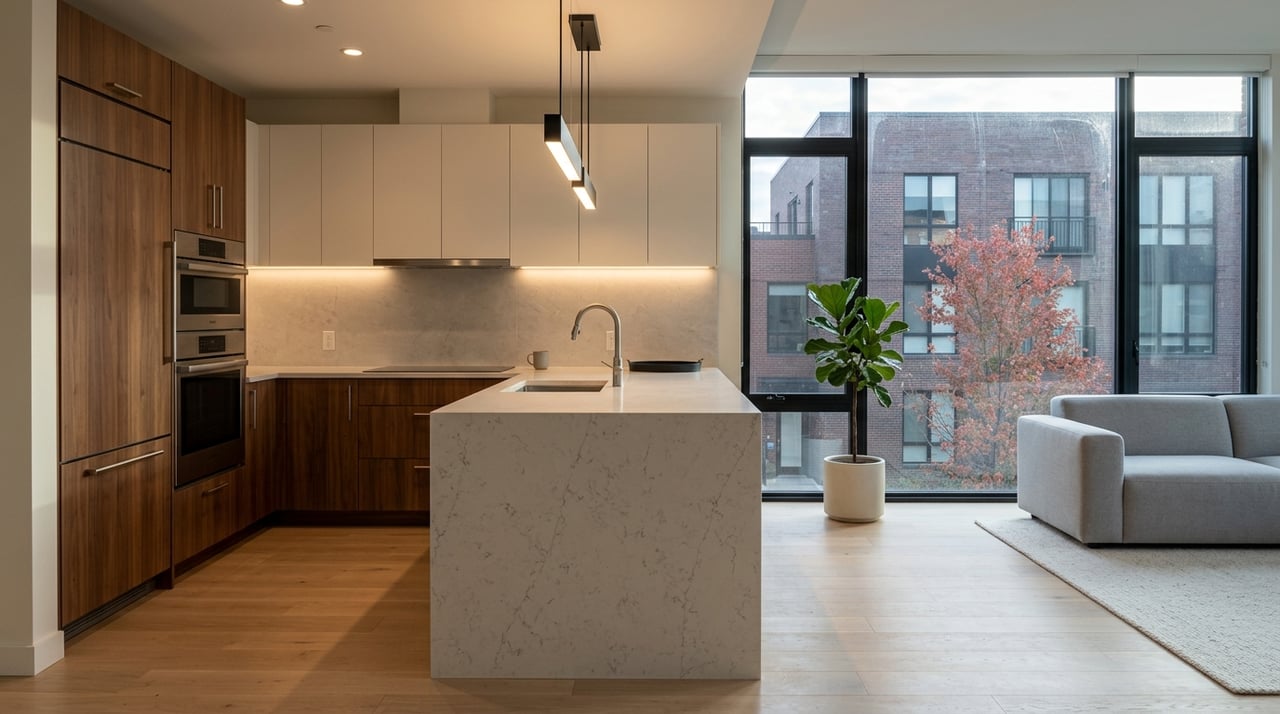
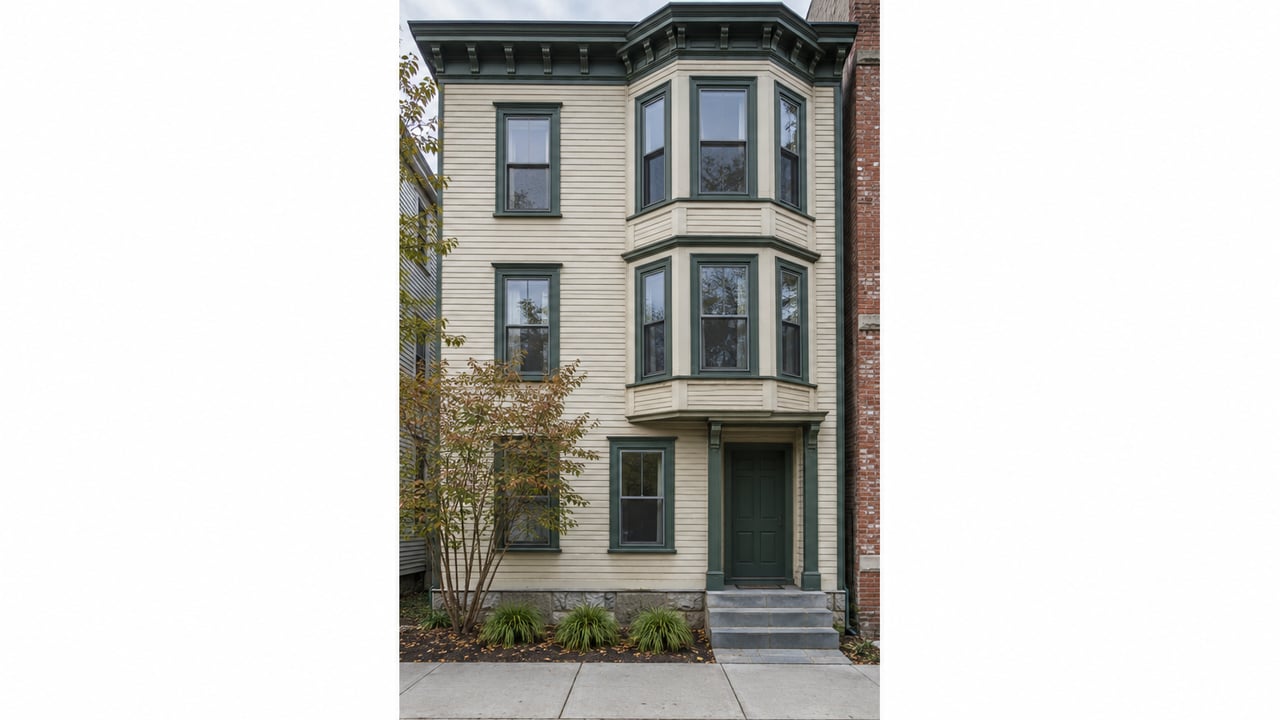
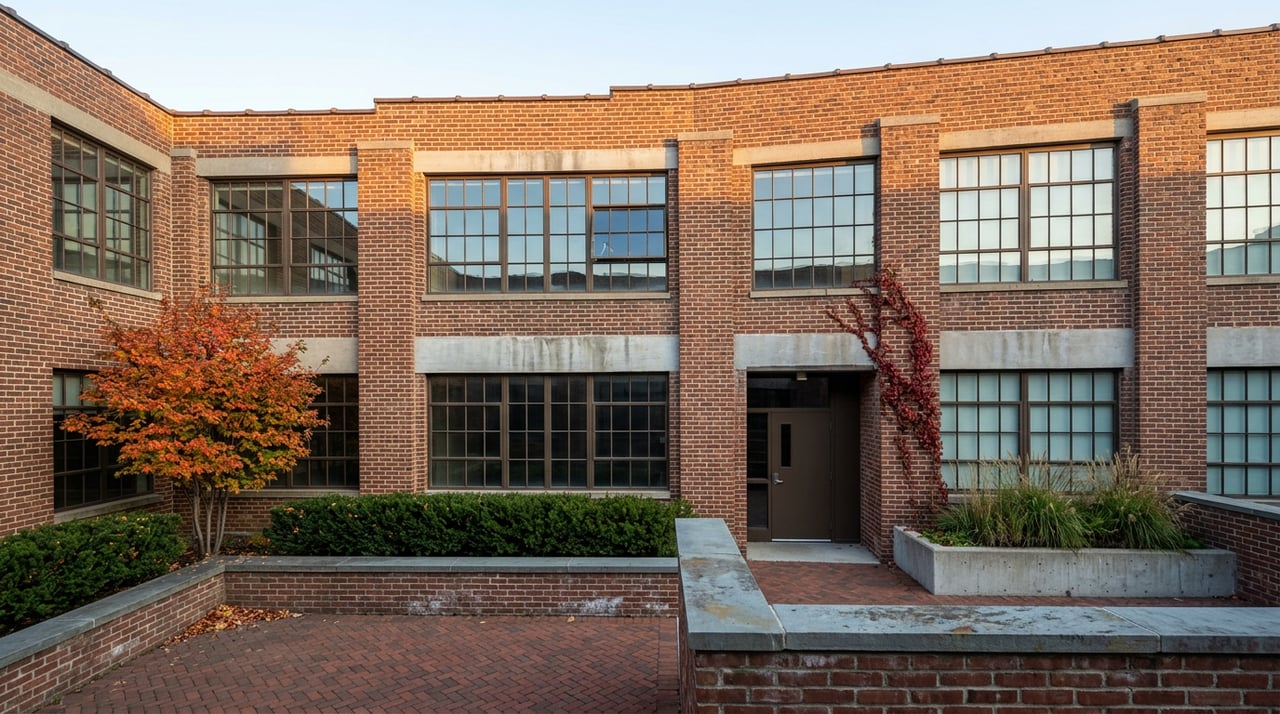
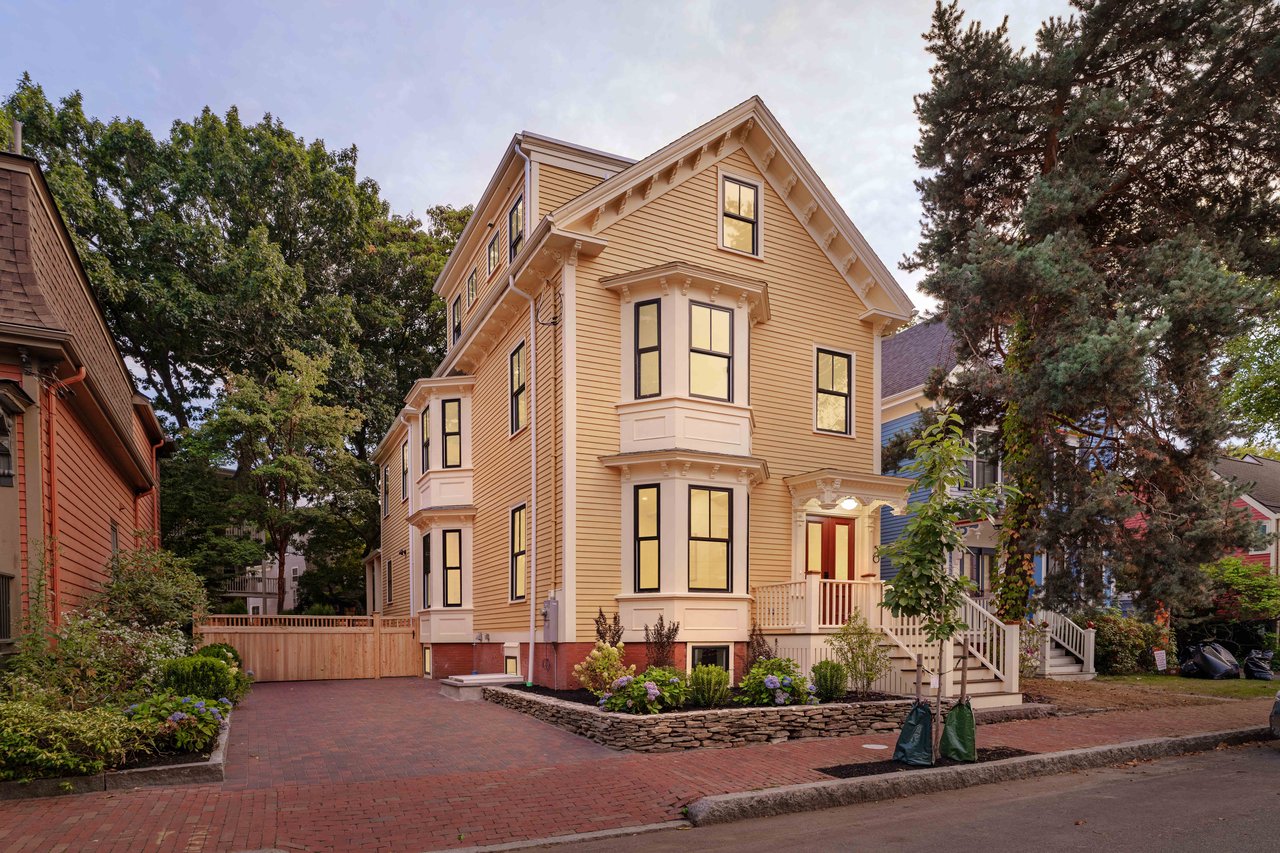
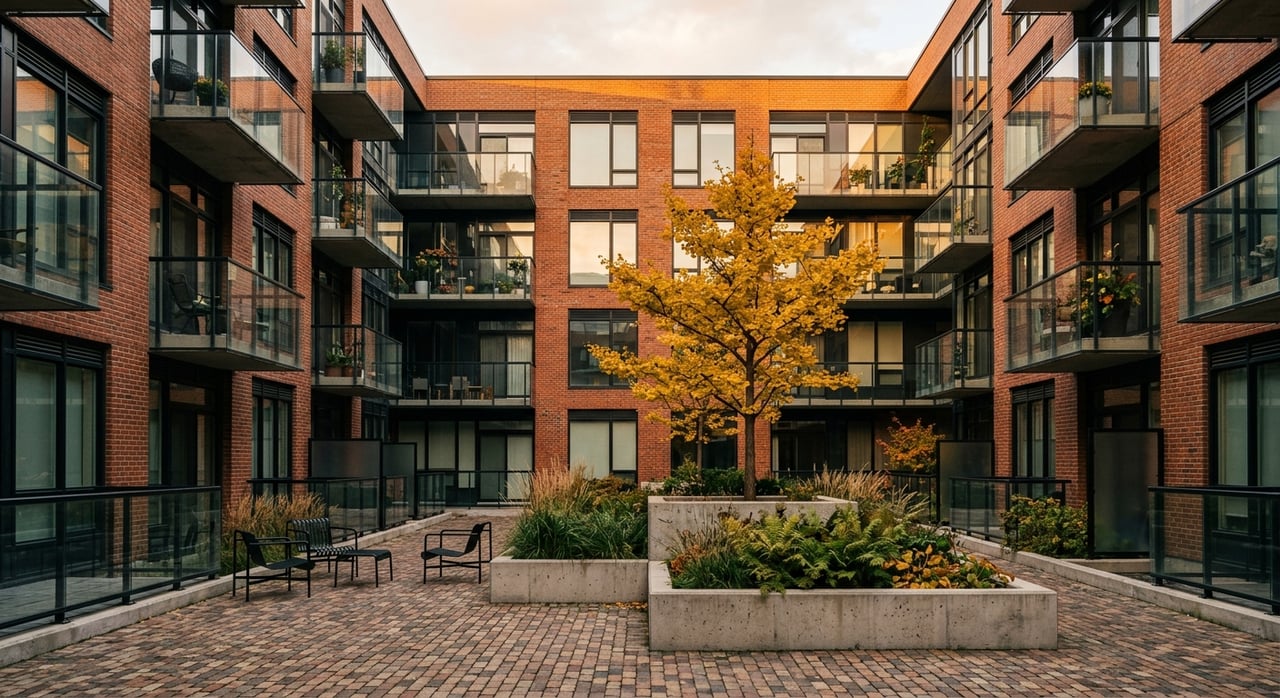
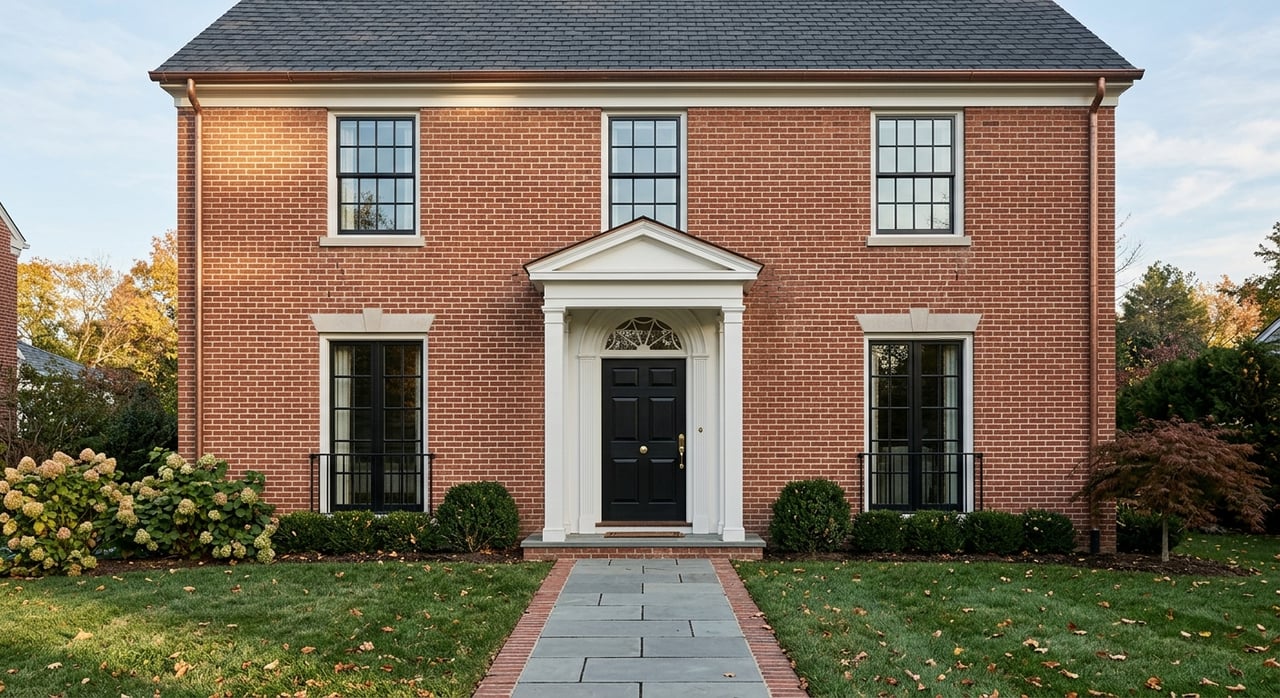
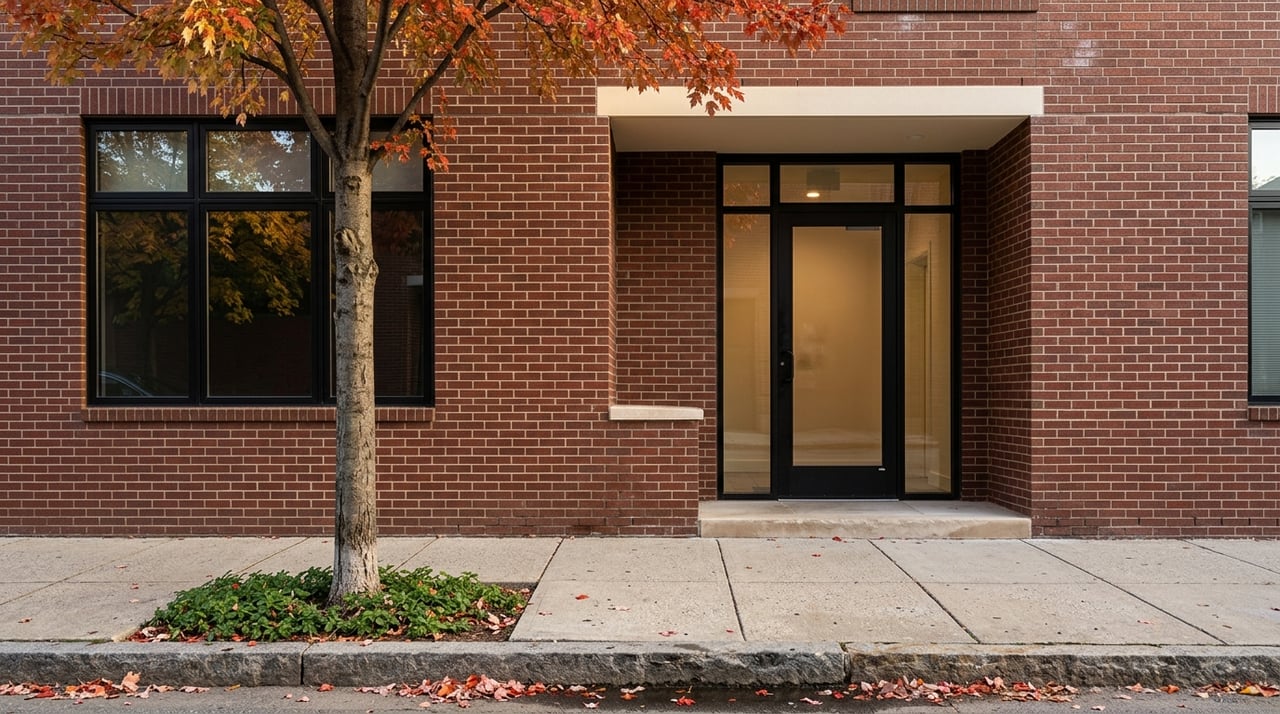
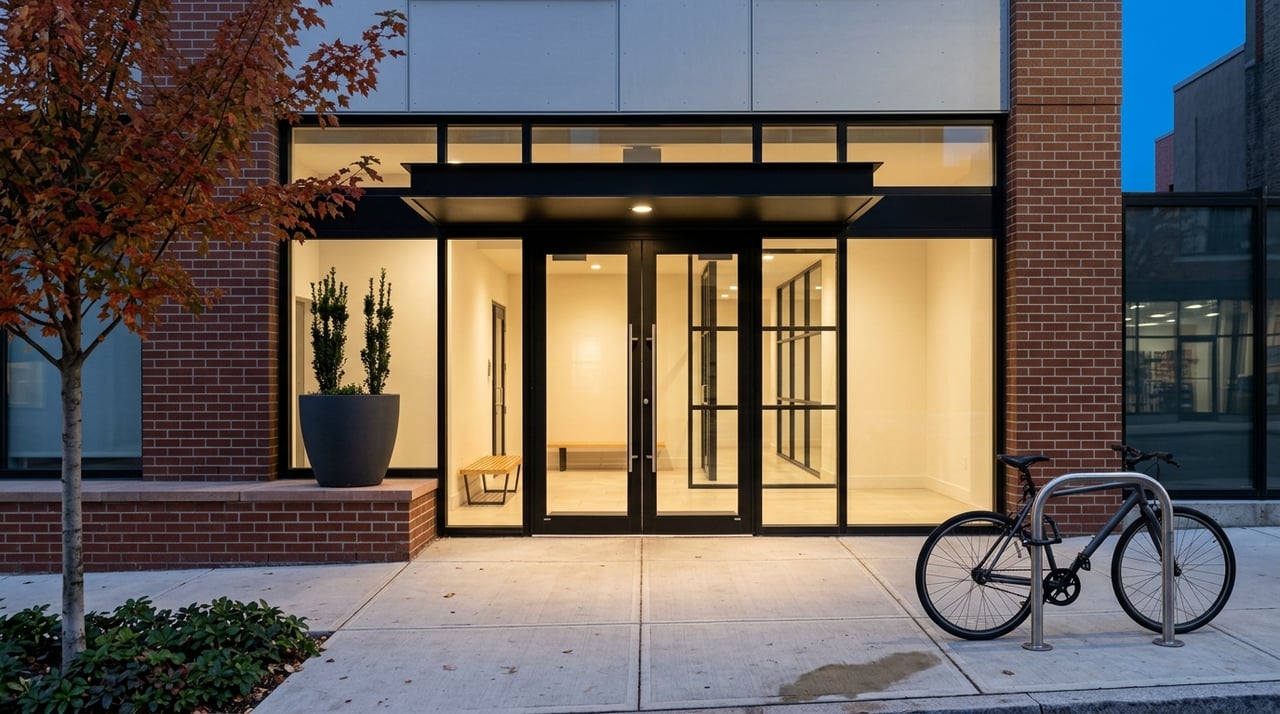
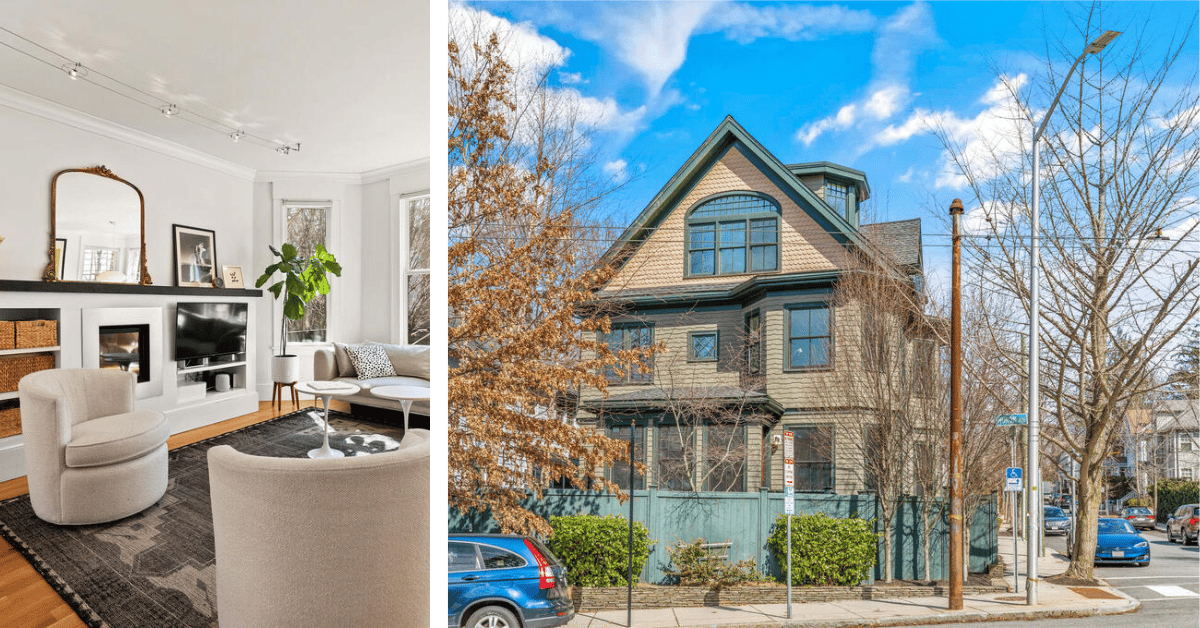
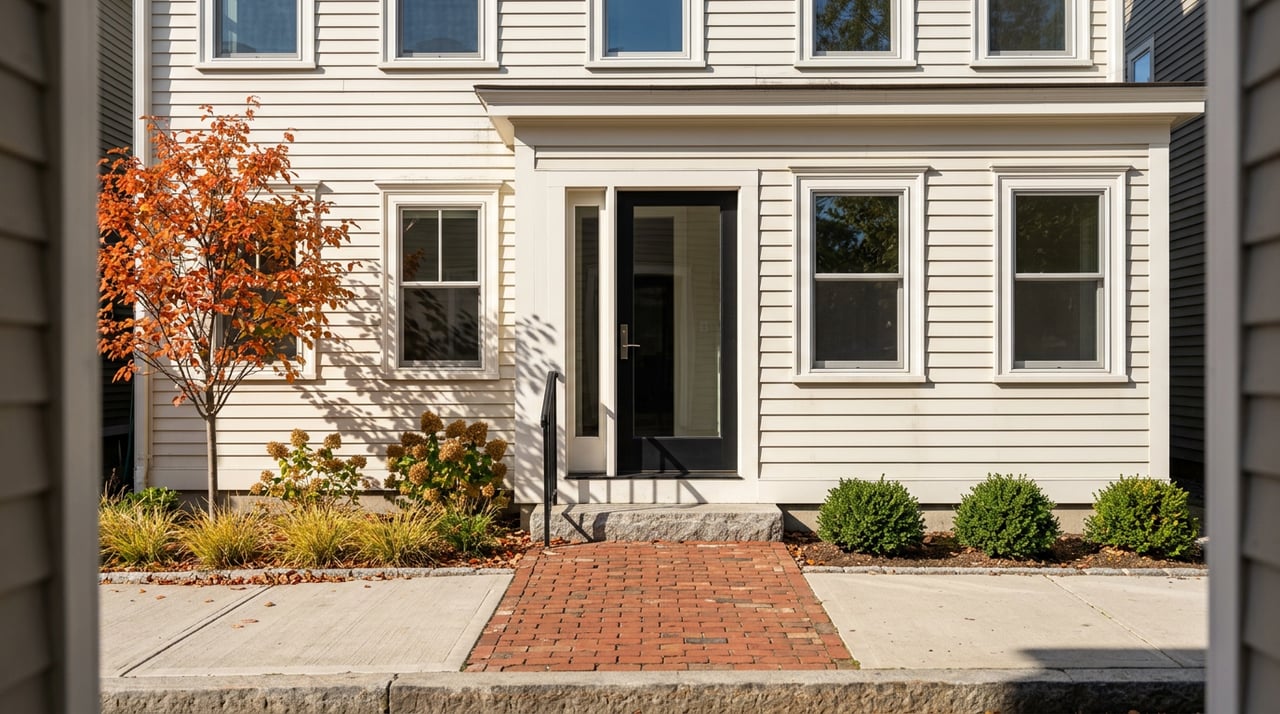
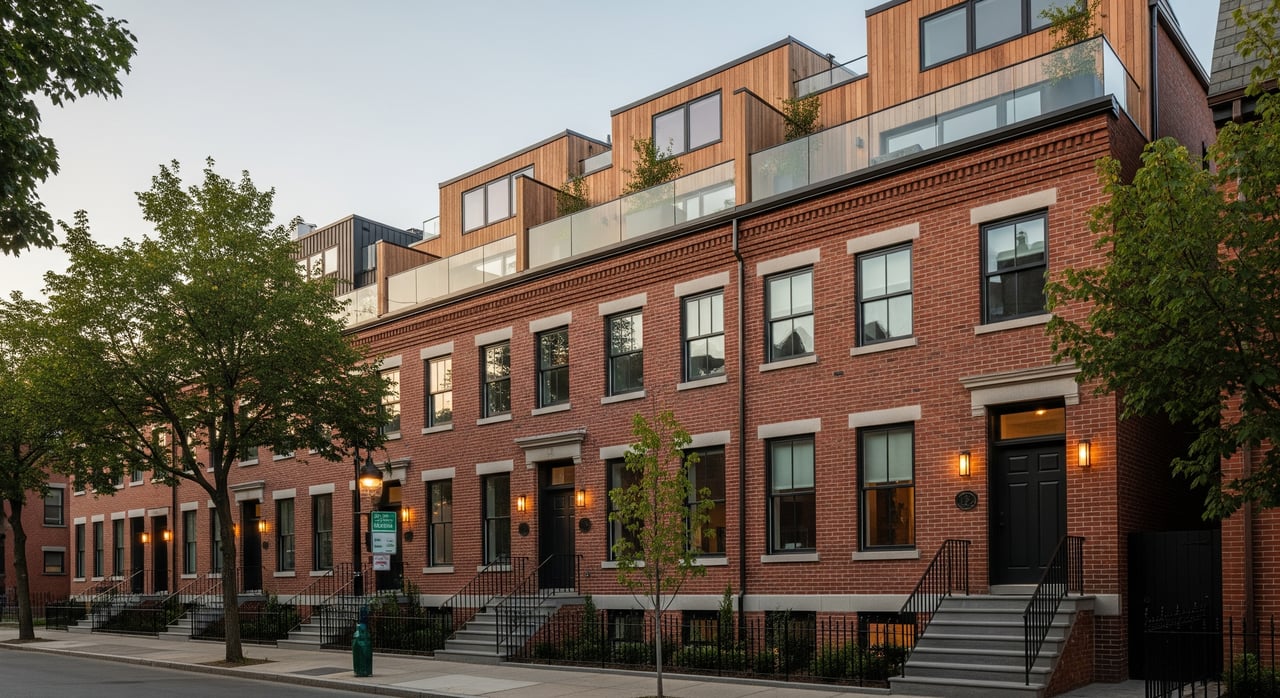
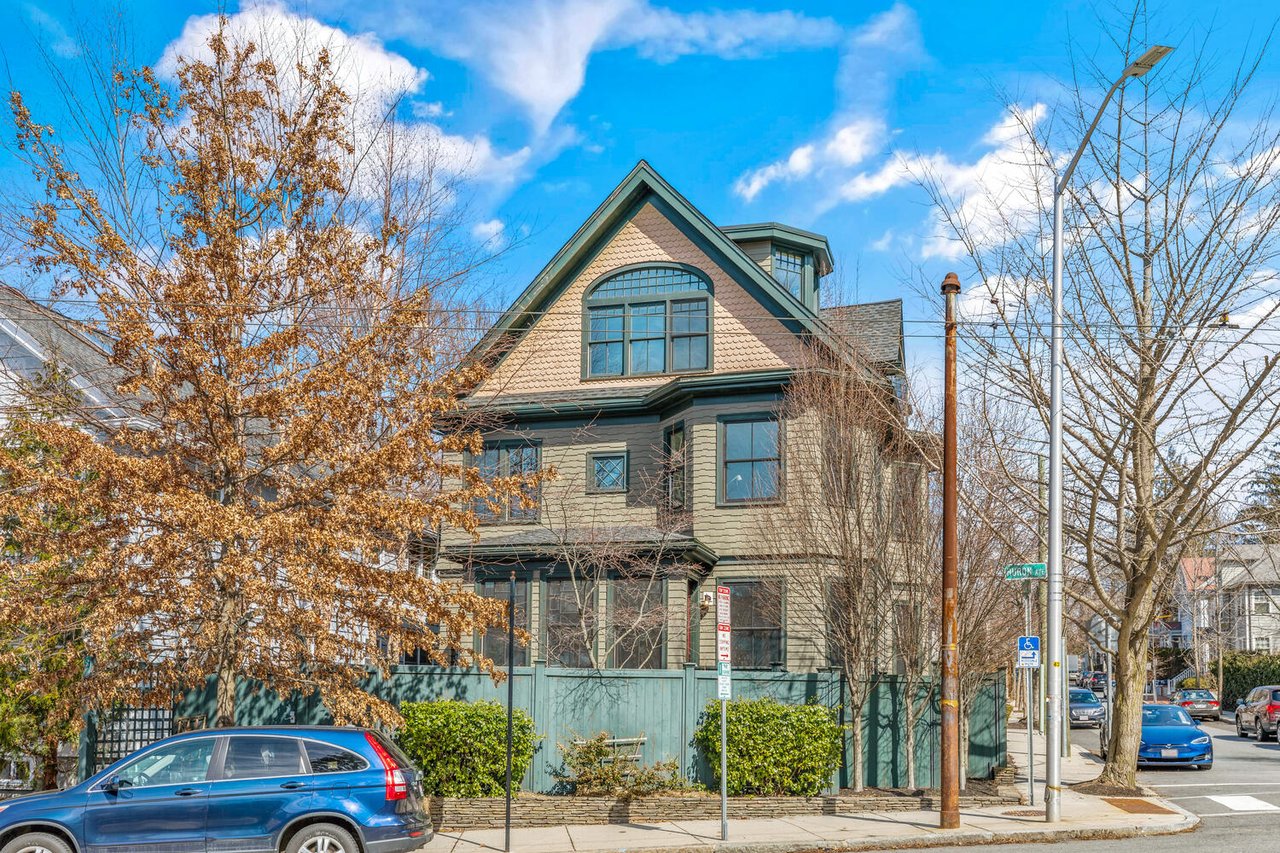
That mix helps explain why condo living here can take very different forms. On one street, you may find a classic conversion flat in a small association. On another, you may find a larger elevator building with more units, more formal systems, and a different budget structure.
Property counts make that contrast even clearer. While single-family homes account for 24.7% of residential properties, they represent only 4.5% of housing units. Meanwhile, 2-to-4-unit buildings account for 61.1% of residential properties, which points to a neighborhood where many condos are tied to small-building ownership dynamics.
Near Broadway And The Library
Blocks near Broadway and the Main Library often read as more civic and park-adjacent. The Main Library at 449 Broadway includes an accessible entrance, meeting rooms, outdoor space, and paid parking. This part of Mid-Cambridge also includes major civic and institutional uses such as Cambridge City Hall and CRLS.
If you are drawn to a setting that feels anchored by public buildings, open space, and everyday neighborhood infrastructure, this area may appeal to you. In practical terms, some buyers like the sense of order and access that comes with being near the library and civic core. Others may prefer a more retail-driven or transit-heavy environment closer to the neighborhood edges.
This is a good example of why a map search is only the start. Two condos with similar square footage can deliver very different living experiences depending on how close they are to Broadway, parks, or civic uses.
Between Harvard And Central
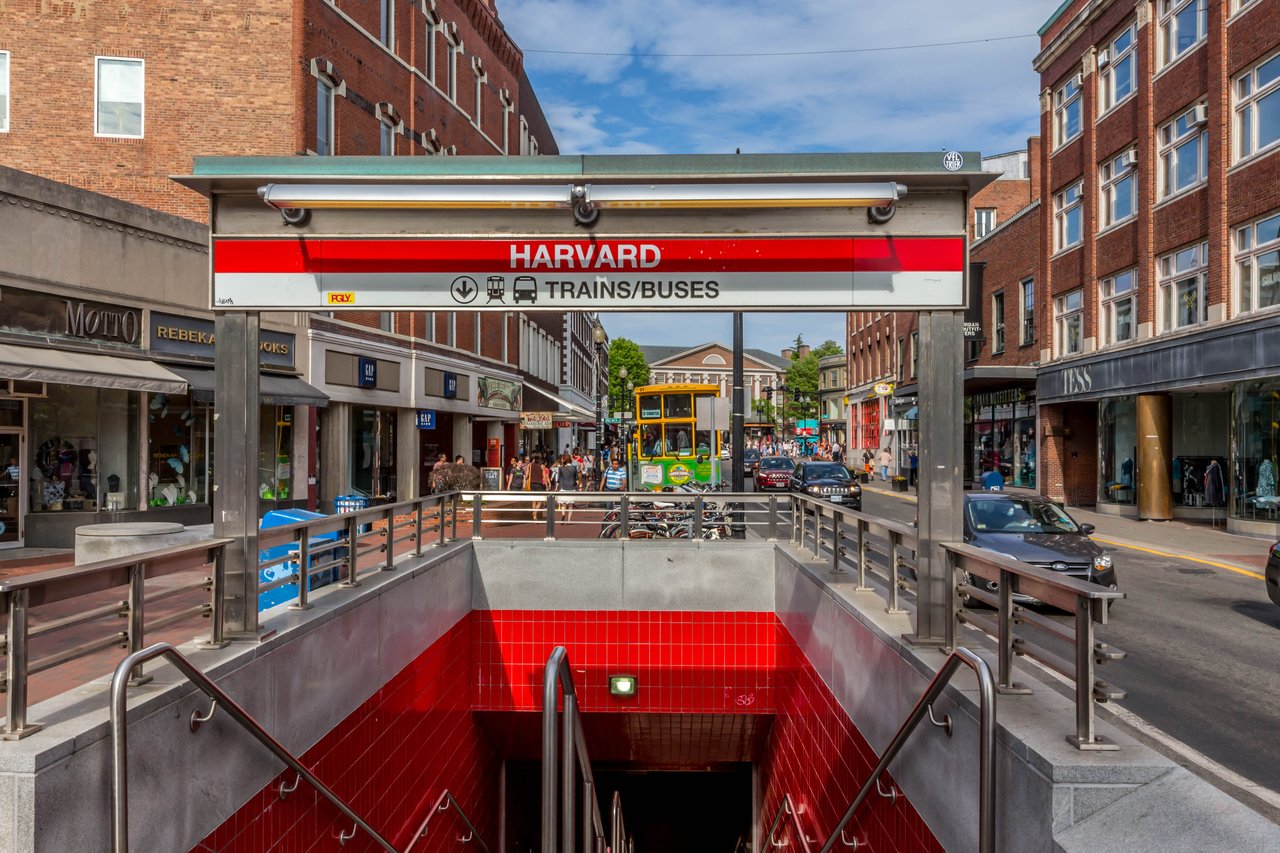
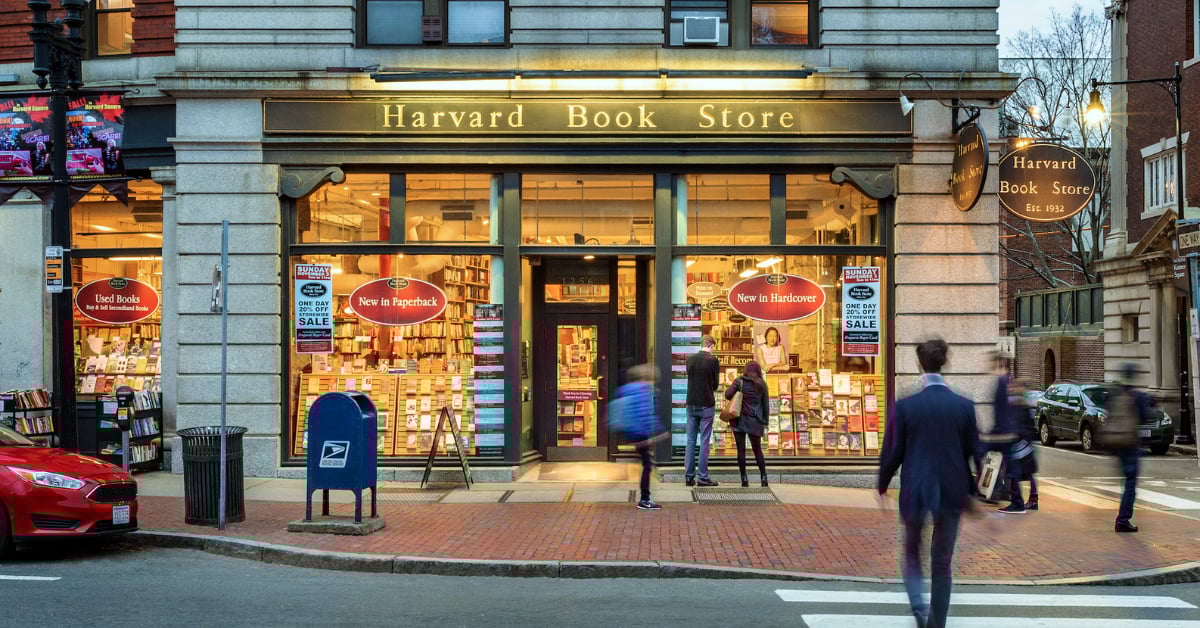
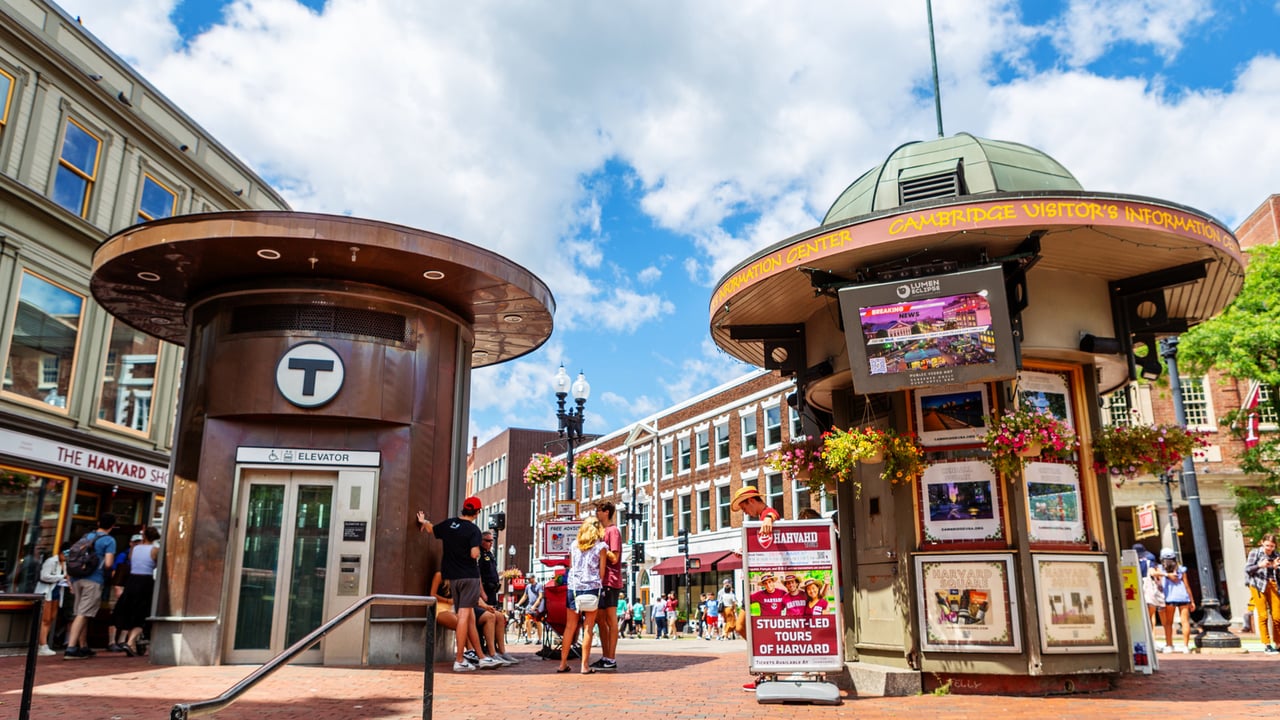
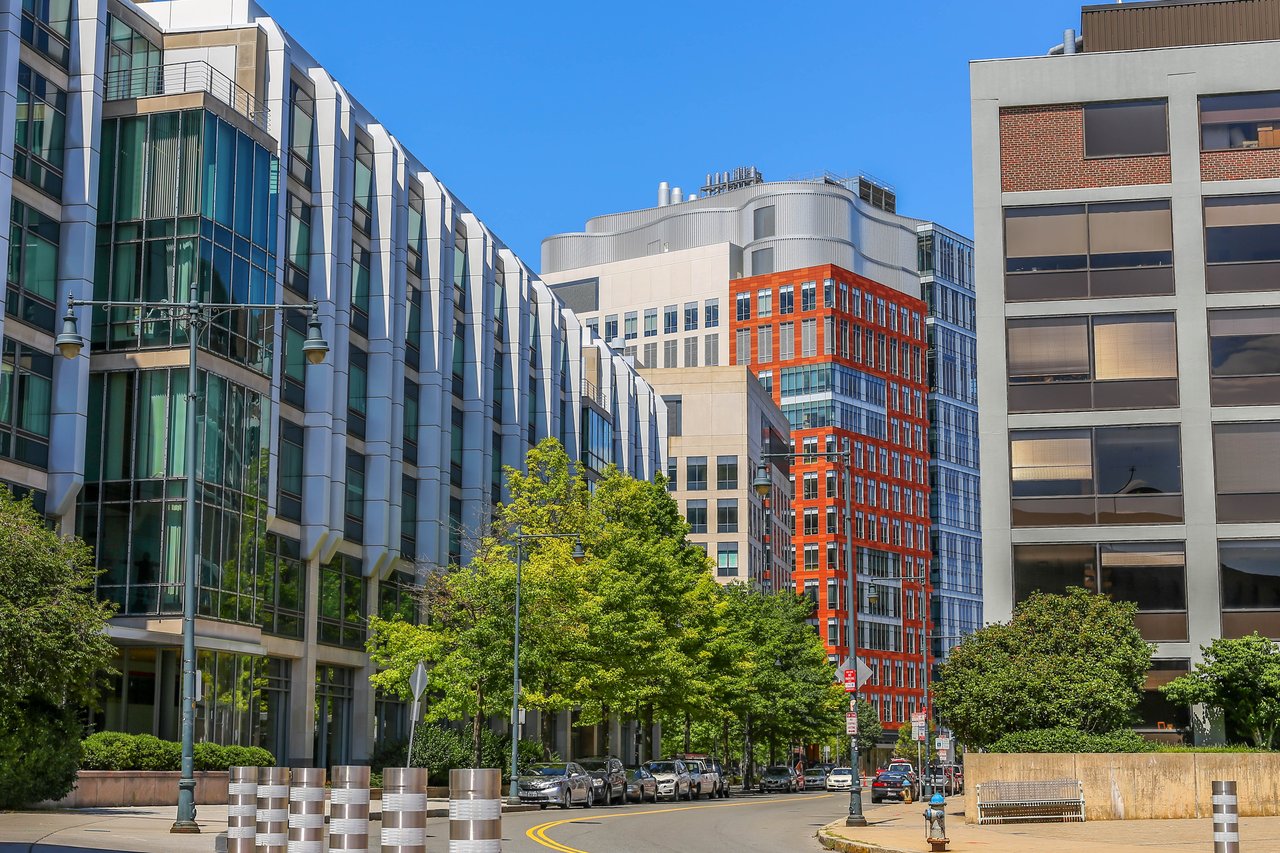
The corridor between Harvard Square and Central Square tends to offer some of the strongest walkability and transit access in Mid-Cambridge. Central Square is described by the city as Cambridge’s traditional downtown, with City Hall, a major Red Line station, bus links, mixed-use blocks, restaurants, retail, offices, and nightlife. Harvard Square is described as a regional shopping and transit hub with heavy foot traffic and major bus and subway connectivity.
For condo buyers, that usually means convenience is front and center. You may be able to rely less on a car and more on transit, walking, and nearby services. At the same time, that level of access can come with more street activity and less parking ease than quieter interior blocks.
This does not make one area better than another. It simply means you should match the location to your habits. If your ideal Cambridge lifestyle centers on transit access, restaurants, and quick errands on foot, this stretch may check important boxes.
Toward Inman And The East Side
The Inman side of Mid-Cambridge often offers a different texture. The city describes Inman Square as a lively district with a mix of housing and ground-floor retail, including mostly owner-operated restaurants, personal services, and specialty stores. The transportation department also characterizes it as a vibrant commercial and residential area with heavy walking, biking, transit, and driving activity.
For many buyers, this can translate into a strong neighborhood feel with a more local retail rhythm. You may find streets that feel residential one moment and more active the next, depending on traffic patterns and street exposure. That is why it helps to walk the immediate block, not just the broader neighborhood.
On this side of Mid-Cambridge, the block-by-block experience can be especially important. A condo one street off a busier corridor may live very differently from a condo directly on it.
Association Health Matters
In Mid-Cambridge, the building is only half the story. Massachusetts condo ownership is governed by master condominium documents, the unit deed, bylaws, and Chapter 183A. State guidance also makes clear that associations operate through annual budgets, reserves, condo fees, and, in some cases, special assessments.
That means your review should go beyond finishes and floor plan. In a small association, a few owners may carry a lot of responsibility. In a larger building, systems may be more formal, but your monthly costs and reserve structure may look very different.
Before you get too attached to a unit, it is smart to understand the association’s financial health. Key questions often include:
- How strong are the reserves?
- What do current condo fees cover?
- Are there any planned capital projects?
- Has the association discussed or approved special assessments?
- How are maintenance decisions made?
A beautiful condo in a weak association can create avoidable stress later. In a neighborhood with many small multi-family buildings, that review is especially important.
Conservation District Rules Can Affect Plans
One of the biggest Mid-Cambridge nuances is that neighborhood identity and conservation-district oversight do not line up perfectly. The city’s neighborhood page uses Kirkland Street as the western edge, while the conservation-district map places the district edge roughly at Prescott Street. That means parcel-level verification matters.
If a condo is within the Mid-Cambridge Neighborhood Conservation District, exterior changes may require review. The commission can require a Certificate of Appropriateness, Non-Applicability, or Hardship before visible exterior work moves forward.
According to the city’s application materials, visible changes such as window or door replacements, roof alterations, additions, and demolition can trigger review. Interior work, or work not visible from a public way, may qualify for non-applicability. For buyers, that can affect both renovation timing and future resale positioning.
If you are considering a unit with plans for exterior updates, roof decks, facade work, or energy improvements that change the street-facing appearance, this issue deserves early attention. Even a well-run association may move more slowly when exterior approvals are part of the process.
Parking, Transit, And Daily Use
Mid-Cambridge is a notably car-light neighborhood. City data shows that 43.1% of households have no vehicle. The same profile reports that 23.6% commute by walking, 24.6% by transit, and 22.3% work from home.
Those numbers help explain why practical features matter so much in condo searches here. Parking may be essential for one buyer and unnecessary for another. Bike storage, transit proximity, work-from-home layout, and stair or elevator convenience can all shape long-term satisfaction.
When you compare condos, it helps to think beyond bedroom count. Consider how the building supports the way you actually live, including:
- Whether you need dedicated parking
- How easy it is to store bikes or strollers
- Whether the building has an elevator
- How close the unit is to major transit routes
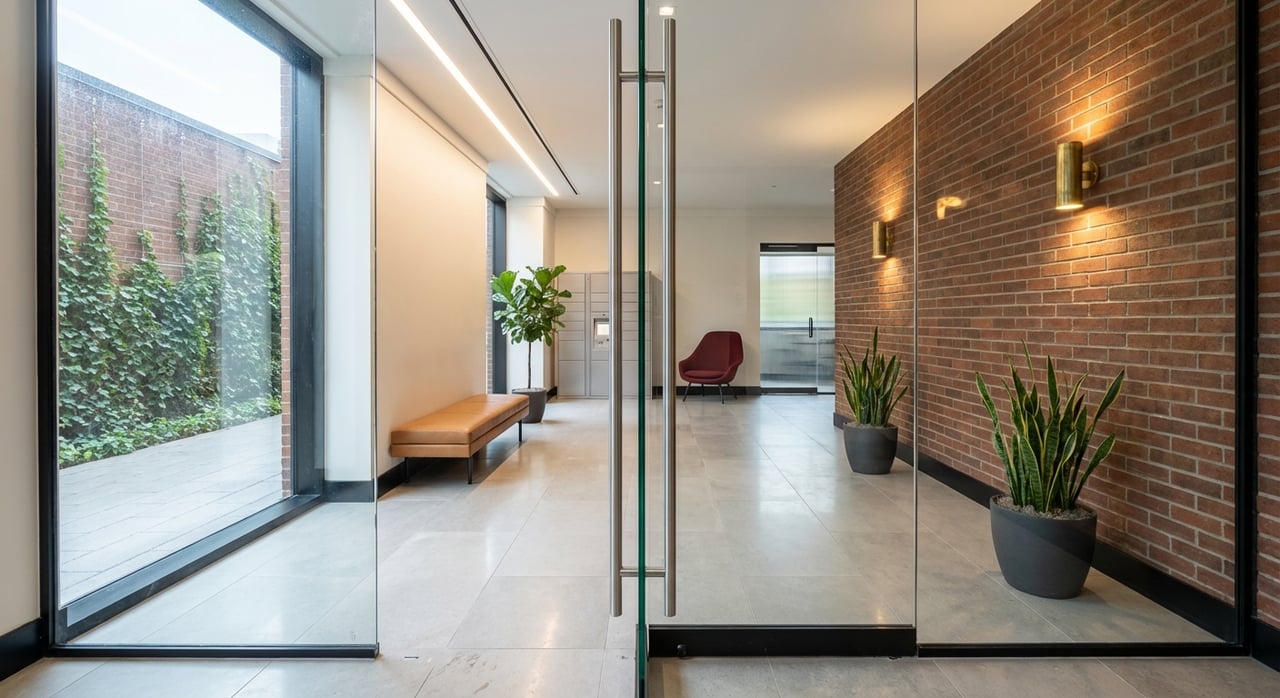
- Whether common areas and entry access feel convenient for daily routines
In Mid-Cambridge, these details are often part of the value story.
Open Space Is Part Of The Equation
Mid-Cambridge is dense, so nearby open space can have an outsized impact on how a block feels. The city’s 2023 neighborhood action plan identified parks and open space, mobility, and local businesses as neighborhood priorities. The current parks vision process also notes that many Mid-Cambridge parks will soon need repair or replacement.
For buyers, this reinforces the idea that not every block functions the same way. Some addresses benefit from quicker access to civic and open-space amenities. Others may feel more urban and built-in, with less breathing room right outside the door.
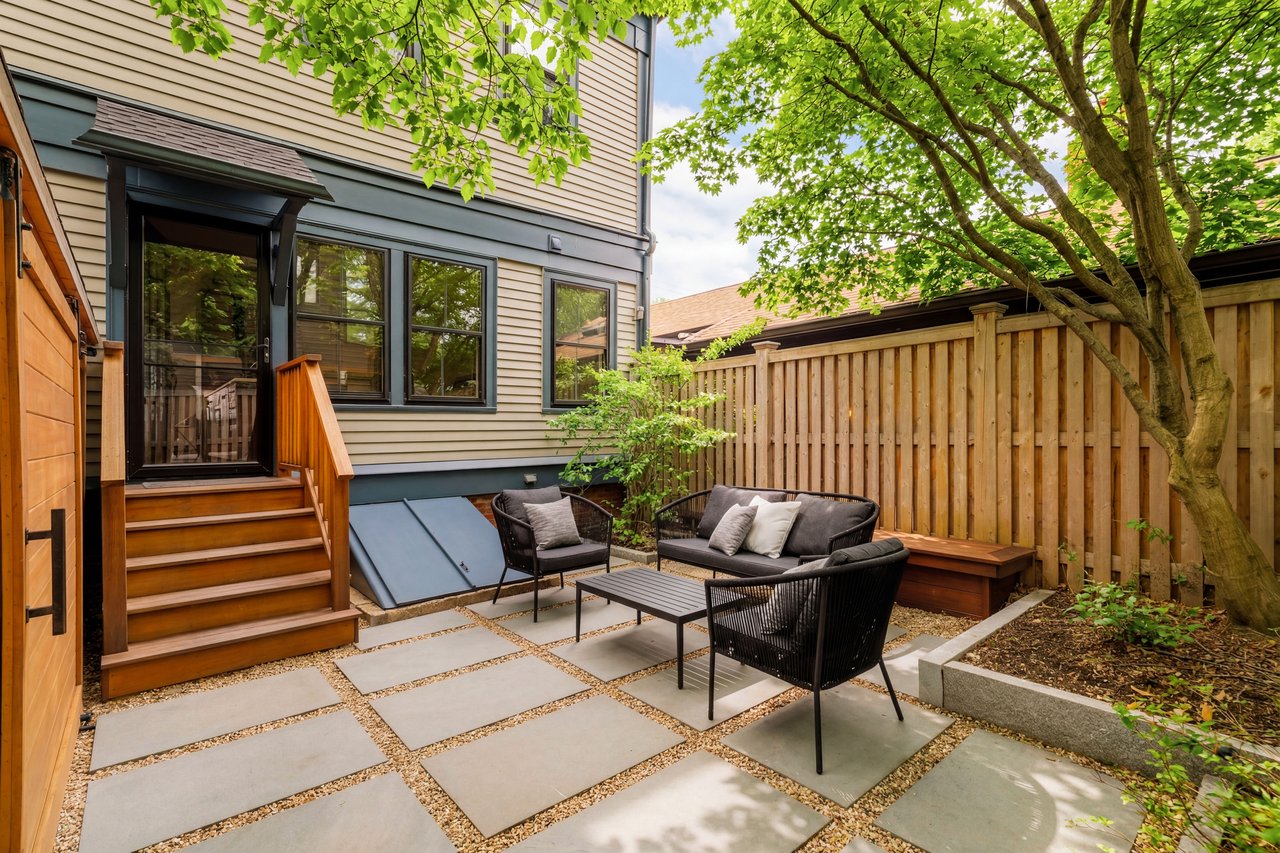
If outdoor access matters to you, do not assume all Mid-Cambridge locations offer the same experience. A short walk in each direction can tell you a lot.
How To Read Mid-Cambridge Well
The clearest way to think about Mid-Cambridge is as a set of micro-markets within one well-known neighborhood. Near the library and Broadway, the experience can feel more civic and park-adjacent. Between Harvard and Central, convenience and transit access tend to take center stage. Toward Inman, local retail texture and street-level variation often become more noticeable.
Then layer in the condo-specific factors. Building form, association strength, conservation-district status, parking, and access all influence the lived experience. In this neighborhood, a smart condo purchase usually comes from reading both the unit and the block with equal care.
If you are weighing Mid-Cambridge against another Cambridge neighborhood, or trying to narrow down the right street within Mid-Cambridge itself, working with someone who understands these small but meaningful differences can save you time and sharpen your decision-making. If you want help evaluating buildings, blocks, and condo tradeoffs in Cambridge, connect with Sandrine Deschaux.
FAQs
What makes Mid-Cambridge condo living different from other Cambridge neighborhoods?
- Mid-Cambridge combines high density, strong walkability, varied building types, and several distinct micro-areas near Harvard, Central, Inman, and the Broadway civic core.
What kinds of condo buildings are common in Mid-Cambridge?
- City data shows a mix of 2-to-4-unit properties, mid-size multi-family buildings, and larger buildings with 26 or more units, so condo living can range from small associations to larger elevator buildings.
Why does street location matter for a Mid-Cambridge condo?
- Street location can affect your daily experience with transit access, retail activity, traffic exposure, parking ease, open space access, and the overall rhythm of the block.
What should buyers review in a Mid-Cambridge condo association?
- Buyers should review condo fees, reserves, annual budgets, any planned capital work, and whether there is a risk of special assessments.
Can conservation district rules affect a Mid-Cambridge condo?
- Yes. If the property is within the Mid-Cambridge Neighborhood Conservation District, visible exterior changes may require city review before work can proceed.
Is parking important when buying a condo in Mid-Cambridge?
- It depends on your lifestyle, but it is an important decision point because 43.1% of Mid-Cambridge households have no vehicle and many residents rely on walking, transit, or biking.
How can buyers compare one Mid-Cambridge condo block to another?
- A good comparison looks at the immediate street, nearby activity level, building type, association health, transit access, and proximity to civic uses or open space.