"Cambridge has had very strong protections around demolition for about 40 years."
That's Charles Sullivan, the Cambridge Historical Commission's executive director, describing a rule that shows up in nearly every conversation about buying an older home in West Cambridge. Buyers hear about it from agents, from home inspectors, from neighbors leaning over a fence during an open house. The Demolition Delay Ordinance covers any building more than 50 years old, which in a neighborhood built out mostly before 1940 means almost everything west of Massasoit Street. The assumption that follows is predictable: if the house is old, the city will make it hard to touch.
The commission's own numbers from this year tell a different story. And two properties a few blocks apart in West Cambridge show exactly why the gap between the rule's reputation and its actual reach matters to anyone writing an offer on a century-old house right now.
A Number That Doesn't Match the Story
Since February 2025, when Cambridge voted to allow multifamily housing citywide, homeowners and developers have flooded the Historical Commission with questions about whether their properties would be protected or exposed. According to reporting on the city's Inspectional Services Department data, that flood produced 312 inquiries to the commission and only 59 actual permits filed as a result. A city councillor's claim that 148 projects were in the demolition pipeline turned out, when checked against ISD records as of late May, to reflect just 22 permits for full demolition citywide, and several of those were for subsidized affordable housing projects that had nothing to do with the new zoning at all.
An inquiry is someone asking what the rules require before they commit to anything. Most of the people who called the commission never filed for demolition. They renovated, they added on, they sold the house intact, or they decided the project wasn't worth the paperwork. The ordinance's reputation as a wall is built on the inquiry number. Its actual footprint is closer to the permit number.
Two Houses, One Ordinance, Two Outcomes
West Cambridge has produced the two clearest test cases of how this plays out on the ground, and they landed on opposite ends of the spectrum within months of each other.
Wyman Road, a private way with six houses, became the flashpoint on the demolition side. When Historical Commission staff reviewed 9 Wyman Road, built in 1927 by architects Duguid & Martin, they determined the house was not significant under the ordinance, clearing the way for demolition. A developer proposed a six-story, 56-unit condominium building on the site. The house had once belonged to Harriet Boyd Hawes, an archaeologist credited with discovering Minoan-era settlements, a war nurse across three conflicts, and a Cambridge labor organizer. A resident named Liza Oliver petitioned the commission to landmark the property once she learned the scale of what was replacing it. The commission declined. The demolition proceeded.
Lexington Avenue is running the opposite direction. In May, more than 30 residents on the west side of the street petitioned for a landmark designation study of 15 gambrel-roofed Queen Anne duplexes, three-story buildings designed between 1912 and 1913 by architect Elmer Buckley. Sixteen were originally built; one burned in 2011. The commission had already found one of the surviving houses, at 68-70 Lexington Ave., historically significant back in 2021 after a demolition threat. Earlier this year the commission approved a three-story rear addition behind 90 Lexington Ave., a 10-unit project, on the condition that the original front of the house stay intact. That petition is still working through the study process, which can take up to a year and gives the commission jurisdiction over the property while it runs.
Same street type, same era of construction, same city ordinance. One house came down for a much larger building. One streetscape is fighting to be preserved as a unit. The difference wasn't the age of the buildings. It was whether commission staff found them individually significant, and whether the community organized a landmark petition before or after a demolition permit was already in motion.
What Actually Triggers the Six-Month Clock
The ordinance's mechanics are more specific than most buyers assume, and the sequence matters if you're timing a renovation or a sale.
- The rule applies only when someone files an application to demolish a building over 50 years old. Renovations, additions, and interior work don't trigger it. The 90 Lexington Ave. addition moved forward because it left the historic front of the house standing.
- The commission's executive director makes an initial call on whether the building is significant, based on decades of survey work the commission has done on the city's roughly 13,000 buildings, including a five-volume architectural history series published through MIT Press between 1965 and 1977.
- If staff finds the building significant, it goes to a public hearing before the full commission. If the commission agrees, demolition can be delayed for up to six months while alternatives to teardown are explored.
- Landmark designation is a separate and much rarer step, reserved for buildings facing an actual threat rather than used as blanket protection. Sullivan has said the commission's smallest historic district covers roughly 200 buildings and that establishing one takes a long, politically demanding consensus among property owners.
For a buyer, the practical question isn't "is my house old." It's "has anyone at the commission already looked at this specific address," and if not, what a demolition filing would actually require versus what a renovation would not.
Why the Commission's Own Strategy Changed
The zoning shift that triggered the surge in inquiries is also reshaping what gets built when a teardown does go through. Cambridge's Multifamily Housing Ordinance passed in February 2025, and one year in, the city's own councillors are still tracking what it actually produced against what critics feared. Sullivan has acknowledged that the council's housing priorities have shifted how the commission uses its tools, favoring case by case review over broad new protections.
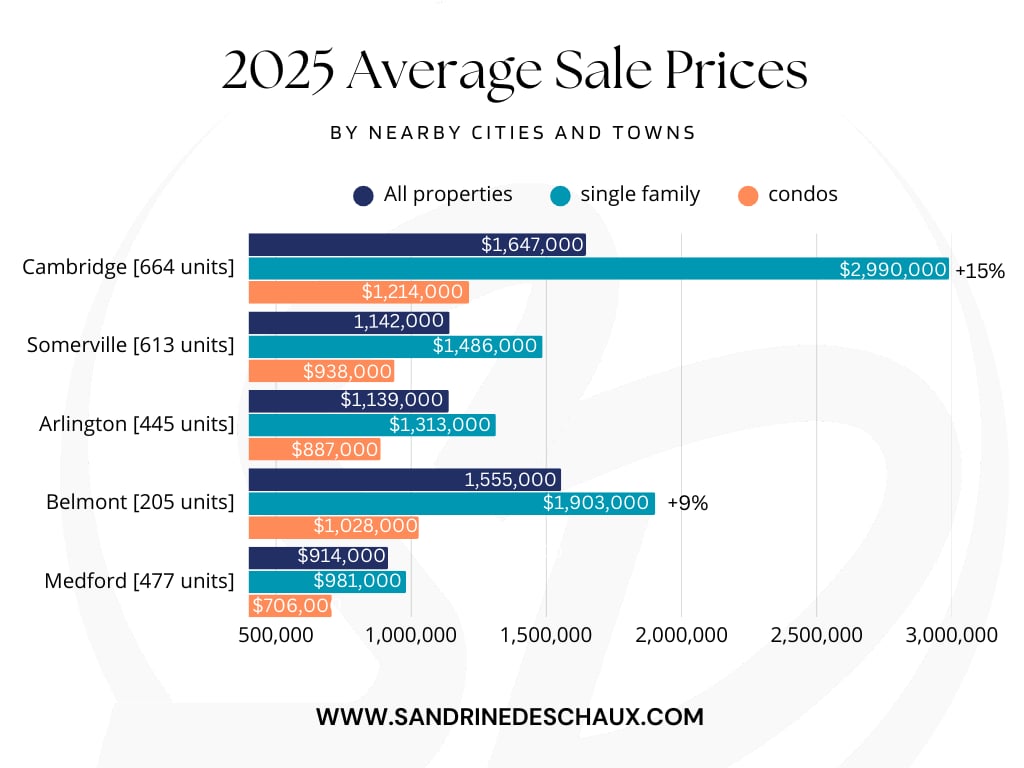
The land economics explain why. A single parcel that once supported one large single-family home selling for well over $3 million can now support several smaller townhouses at meaningfully lower price points under the new zoning. That's the calculation that made a private, six-house cul-de-sac like Wyman Road attractive to a developer in the first place, and it's the same math that will keep pressure on other single-family lots in West Cambridge that sit on larger parcels near Huron Village and Fresh Pond.
What This Means If You're Buying or Selling
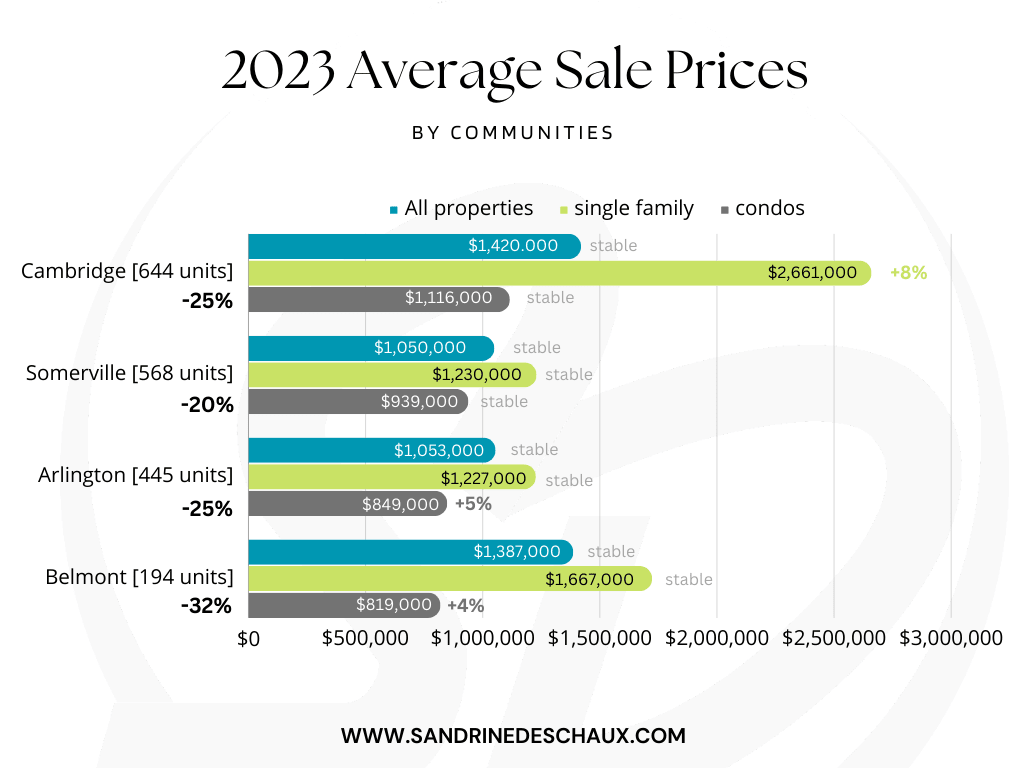
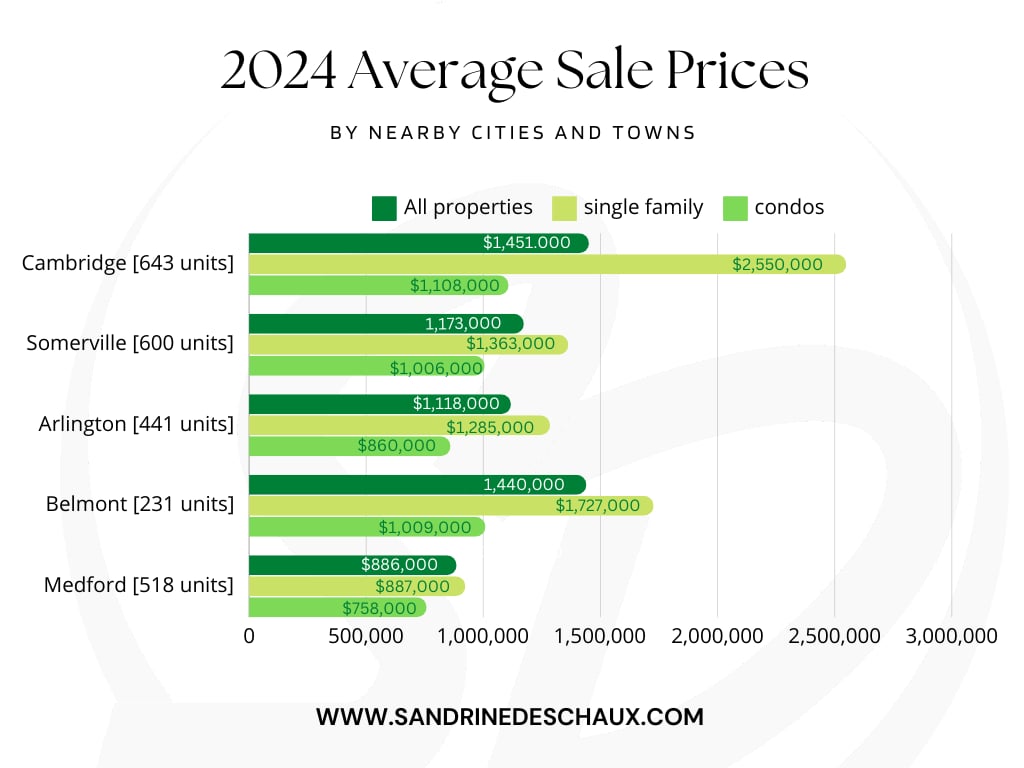
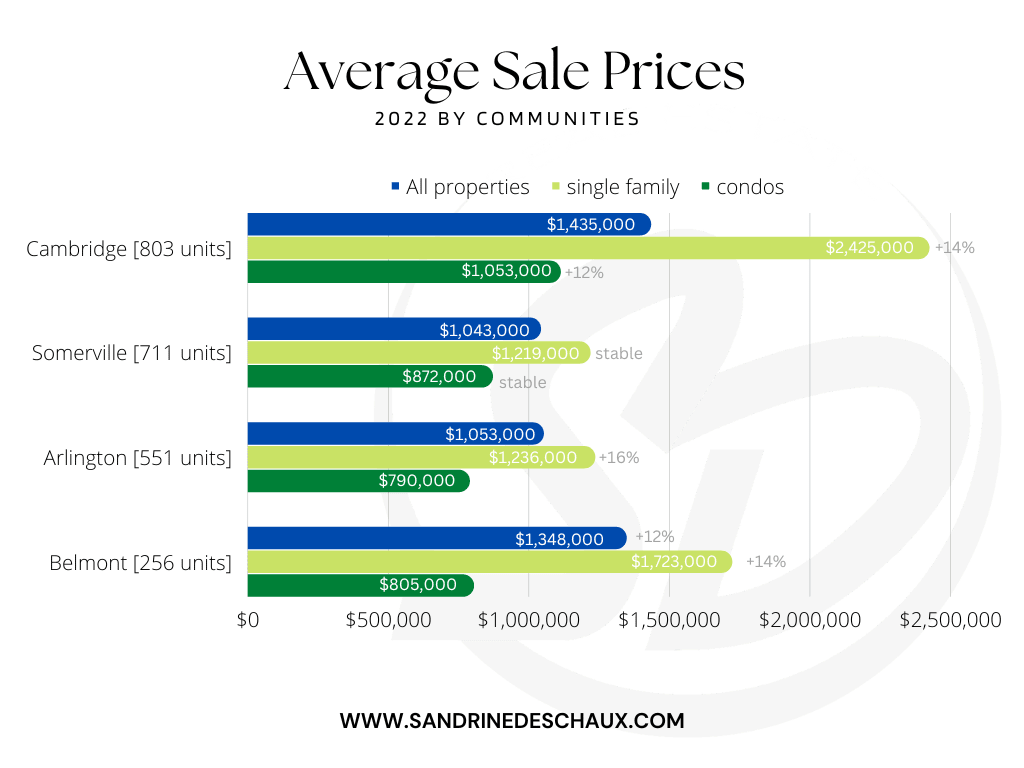
West Cambridge's median sale price ran to $1.7 million over the three months ending in May 2026, up 3.3 percent from the same period a year earlier, with homes taking an average of 21 days to sell, a few days longer than the 16-day pace of the prior year. That modest slowdown, paired with a rising median, reads less like softening demand and more like buyers taking a little longer to underwrite what an older property actually allows them to do with it.
If you're bidding on a pre-1976 house here, ask your agent to check whether the property has already come up in a Historical Commission inquiry or staff review. That history is public and it tells you far more than the building's age alone. If your plan involves a rear addition or interior renovation rather than a teardown, the ordinance likely never enters the picture, as it didn't at 90 Lexington Ave. If you're selling a larger parcel that could interest a developer, understand that a staff finding of "not significant" can move a project forward quickly, the way it did at 9 Wyman Road, while a well-organized neighborhood petition can slow or reshape it, the way Lexington Avenue's residents are attempting now.
Quick Answers for Buyers and Sellers
Does the ordinance stop me from renovating my kitchen or adding a dormer? No. It only applies to full demolition permit applications for buildings over 50 years old. Interior work and additions that preserve the original structure, like the approved rear addition at 90 Lexington Ave., fall outside its scope.
How do I find out if my house has already been reviewed? The Historical Commission's demolition review page lists the process and contact information for checking a property's history directly with commission staff before you write an offer or file a permit.
What's the real difference between a delay and a landmark designation? A demolition delay is temporary, capped at six months, and applies once a specific demolition application triggers a significance finding. Landmark status is permanent, requires a City Council vote, and is used sparingly, reserved for buildings the commission considers under genuine threat rather than applied broadly across a neighborhood.
Buying or selling an older home in West Cambridge means dealing with real rules, but not the blanket ones most people assume from a distance. If you're weighing a purchase that might involve a future addition, or you're sitting on a lot that could interest a developer under the new zoning, it helps to talk it through with someone who tracks these cases as they happen. Sandrine Deschaux + Co works these streets year round and can walk you through what a specific address is likely to face. Schedule a Consultation to start that conversation before you're already under contract.