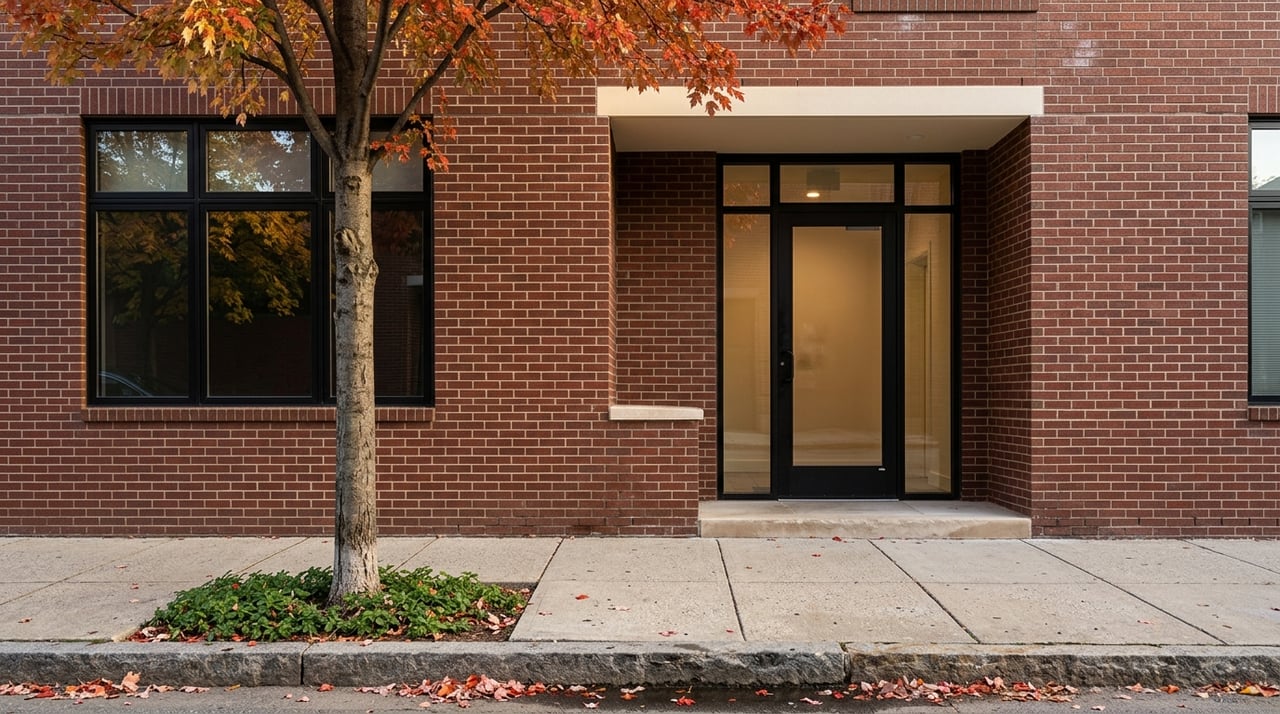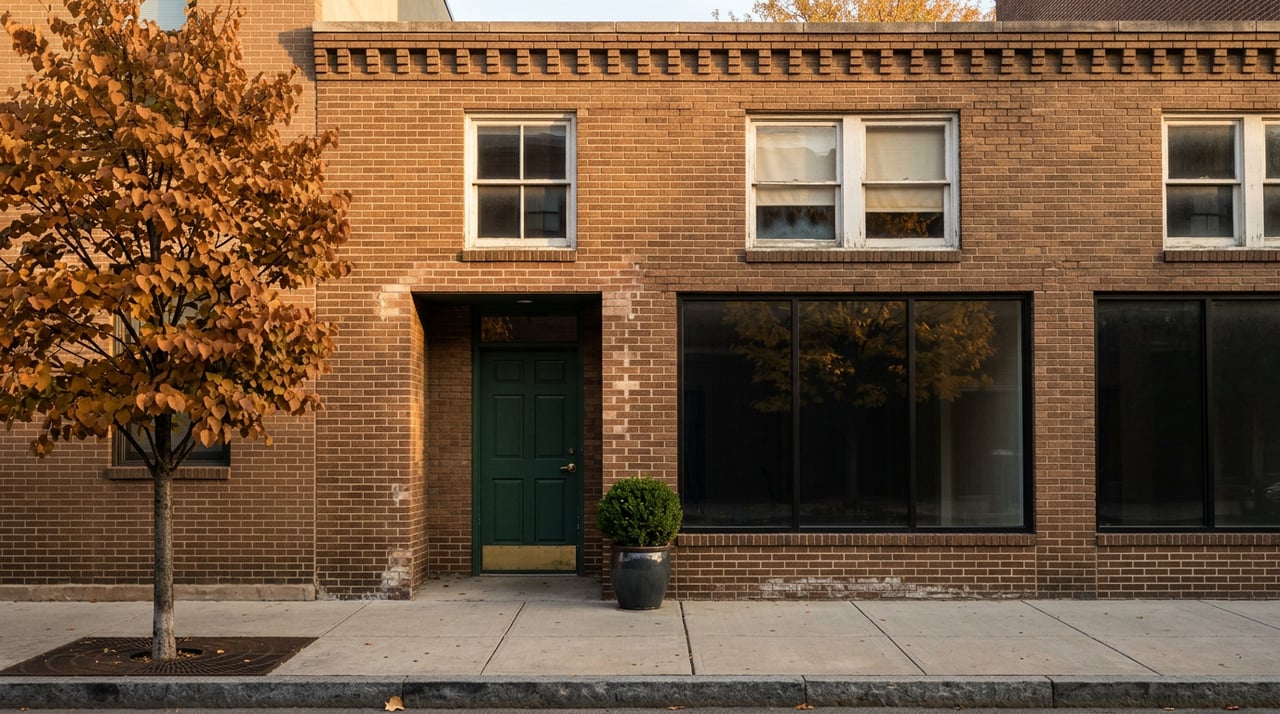
If you walked past 464 Massachusetts Avenue in the first days of January 2023, there was a handwritten note taped to the door. Mary Chung had closed its doors on December 31, after four decades of dumplings and Sichuan dishes that had made it a fixture for MIT students and Central Square regulars alike. The space then sat empty for close to two and a half years, long enough that a Friends of Mary Chung Facebook group, built just to trade recipes and swap memories, grew to 1,400 members before the restaurant that inspired it ever reopened as something else.
What eventually filled that space says more about how Central Square actually works than any single opening ever could.
A Menu That Remembers
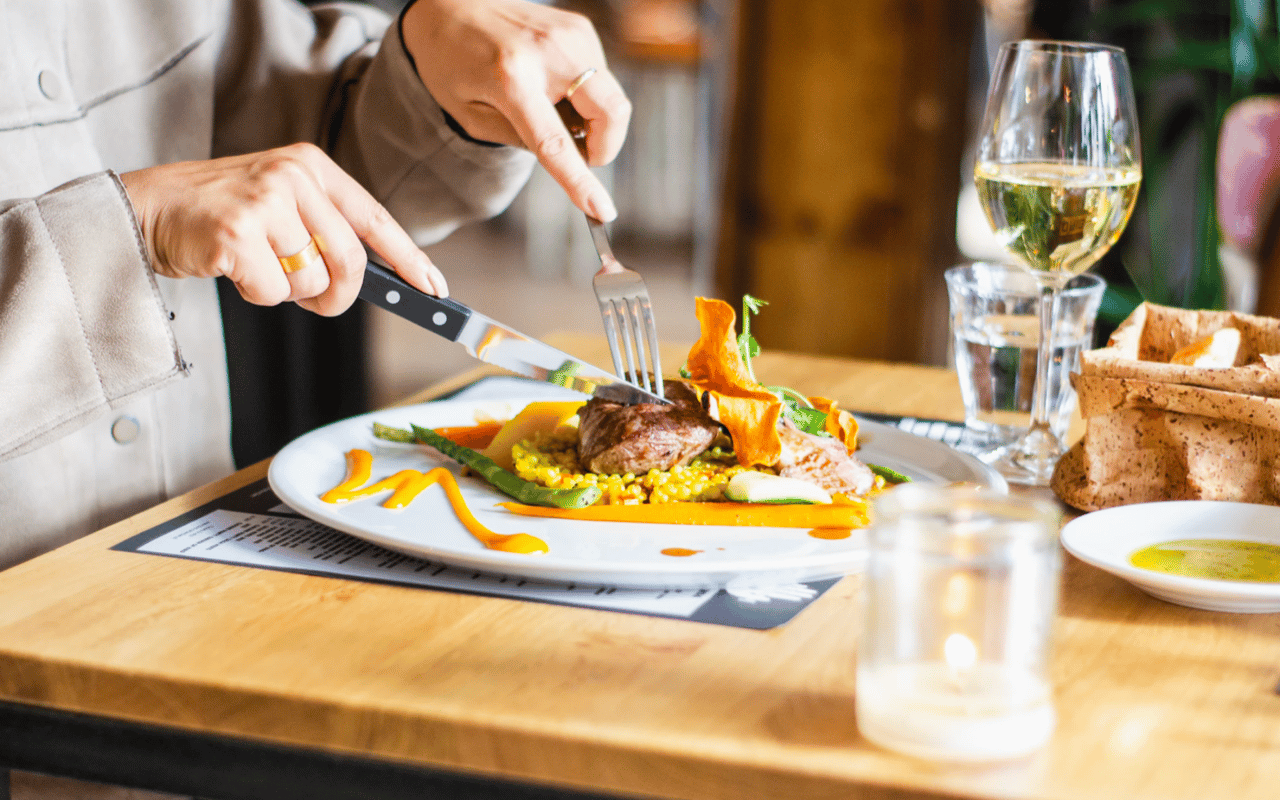
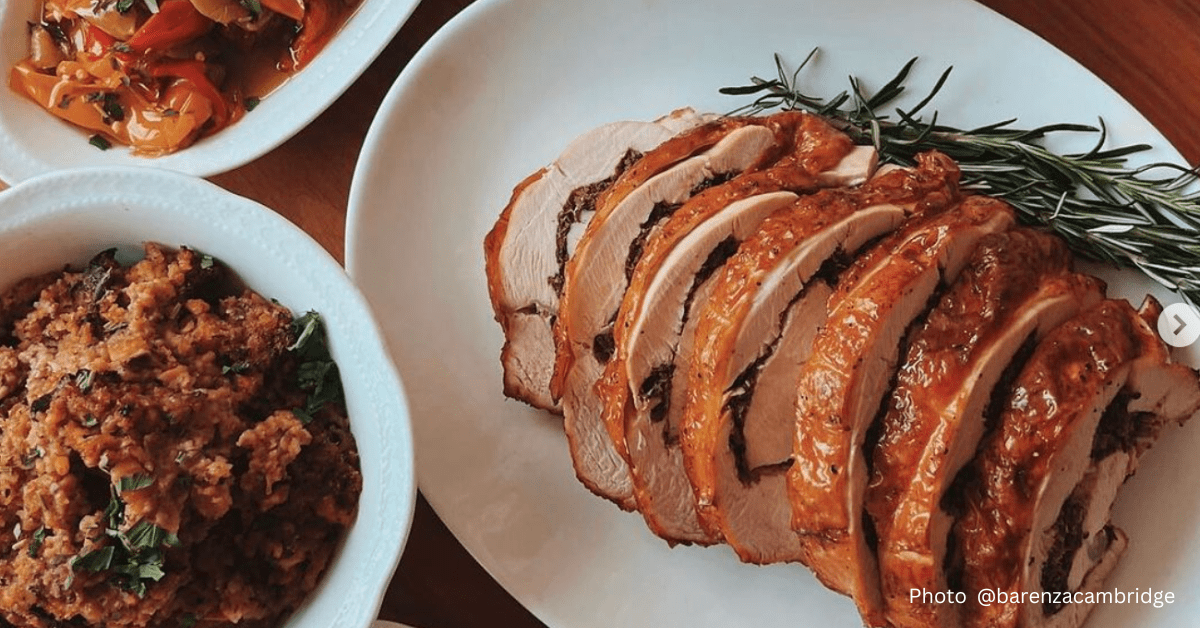
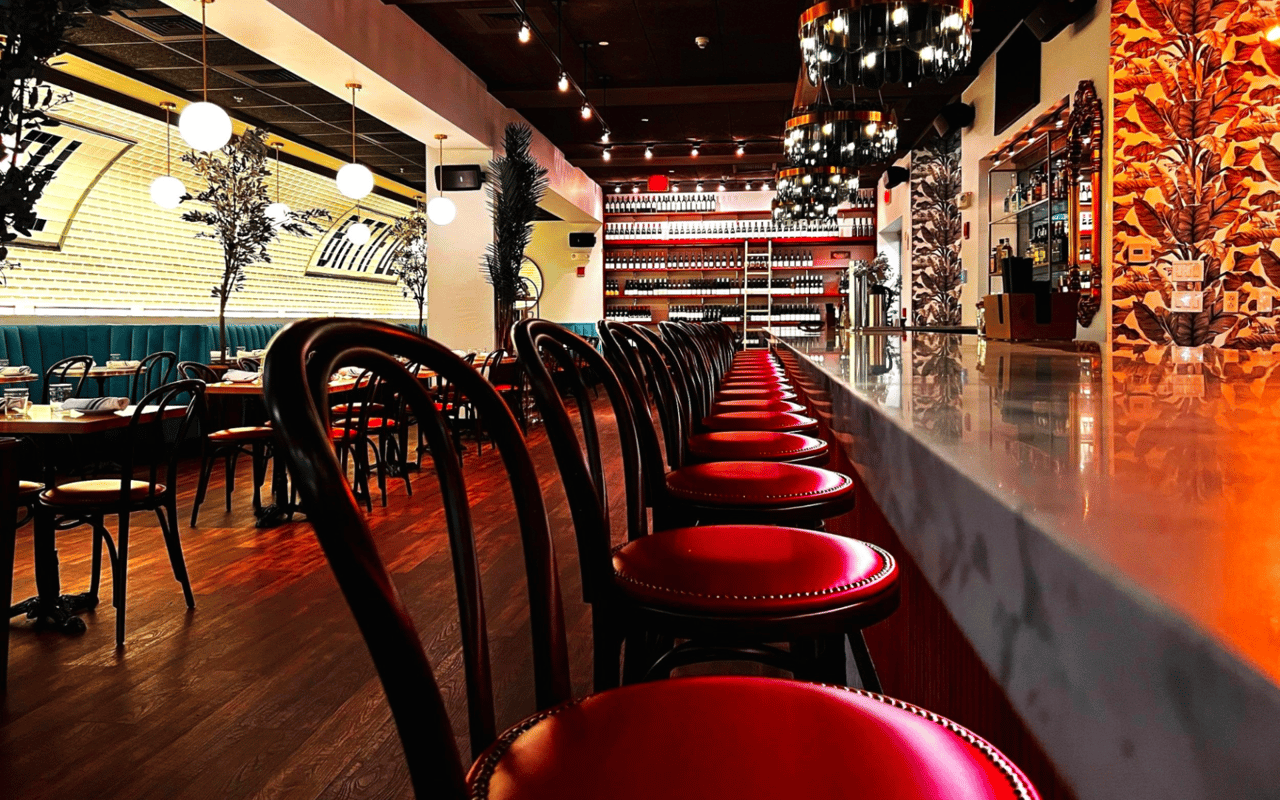
Darling opened at 464 Mass Ave on July 18, 2025, and it did not try to make anyone forget what used to be there. Owners Brian Callahan, a bar veteran of Tiger Mama, Orfano and Row 34, and Zimu Chen, who came up through Eastern Standard, Mariel and Coquette, built a Chinese-inspired cocktail bar with a daily-changing drink list and reimagined dim sum. Executive chef Mark O'Leary, an alum of O Ya, Shojo and JM Curley, spent real time on one specific dish: suan la chow show, the spicy, vinegary Sichuan wontons Mary Chung was known for. He pulled from partial recipes that fans of the old restaurant had been sharing online since the closure and built his own version from there.
Callahan has talked about the choice of name as a kind of thesis for the whole project, describing it as embracing change and the passing of time. That is not the language of a brand parachuting in to flip a vacant storefront. It is the language of someone who understood that the previous forty years were the reason this corner mattered in the first place, and that the smartest way to open here was to fold that history into the new thing rather than paint over it.
The Central Square Business Improvement District describes the space in similar terms on its own business directory, calling it a place that honors history while creating something new. Whether that framing shaped the branding or just described what already happened, the pattern is worth noticing, because it repeats.
The Same Playbook, Bigger Kitchen
A mile away, Moona spent nine years serving Levantine food out of a 30-seat room in Inman Square before deciding to grow. When the restaurant expanded, it did not open a second, smaller outpost somewhere convenient. It moved to 750 Main Street in Central Square and roughly tripled its footprint, with dinner reservations starting December 30, 2025 and full café service following in February or March 2026.
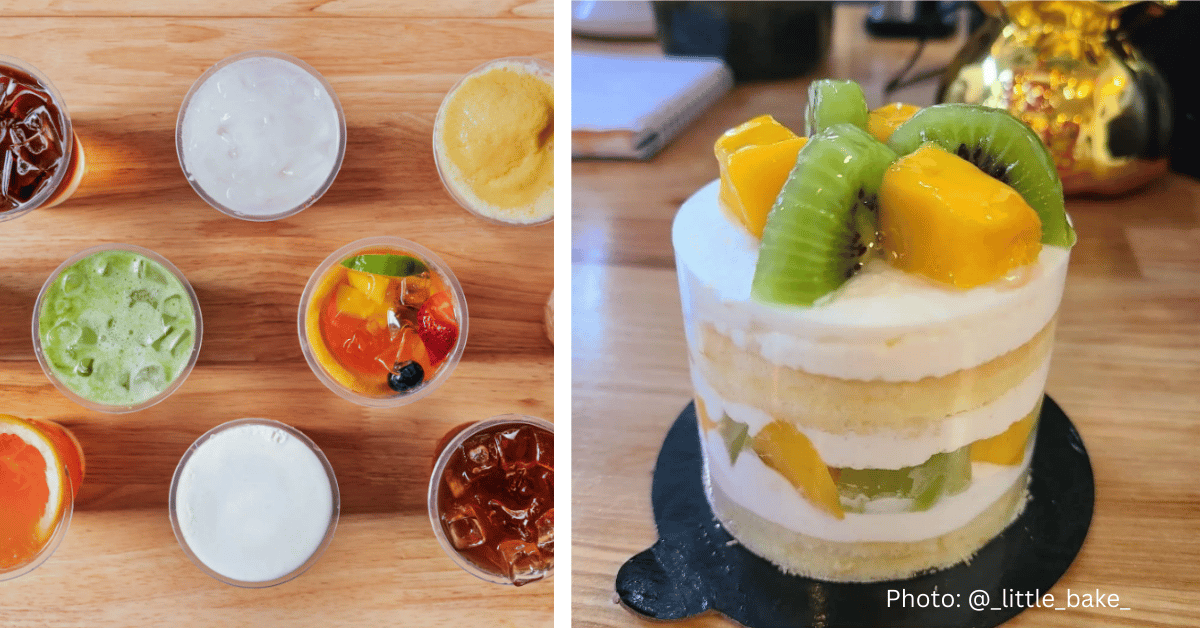
The new space splits into two identities under one roof. By day it runs as Sawa, a café serving za'atar croissants, orange blossom soft serve and Levantine breakfast and lunch built around pastry chef Giselle Miller, a James Beard Award semifinalist who has cooked at Menton, Deuxave and Café ArtScience. By night the same room becomes Sahra, a lounge for dinner service, mezze and a mostly Lebanese wine list. Owner Mohamad El Zein has said the challenge was keeping the intimacy of the original 30-seat space alive inside a room several times its size, which is a different problem than most restaurants moving into a bigger footprint ever have to solve, because most restaurants moving into a bigger footprint are trying to become something new. Moona was trying to stay the same thing, just larger.
Put Darling and Moona next to each other and a pattern emerges that neither business would have needed to plan around the other to produce. Central Square is not attracting operators who see an empty storefront and a foot-traffic count. It is attracting operators who already had something specific working somewhere else in Cambridge and chose this square, deliberately, as the place to let it grow. That is a different kind of commercial gravity than a strip of interchangeable openings, and it is the kind that tends to last.
The Square's Other Long Wait
The restaurant turnover is not the only slow transformation Central Square residents have been living through. Carl Barron Plaza, the open space at the corner of Massachusetts Avenue, River Street and Western Avenue that has functioned as the square's main gathering spot for decades, has been under construction since December 2023, when crews started with tree removals and test pits. Major excavation began in July 2024. As of mid-2025, Cambridge Day reported that progress had appeared to stall for roughly six months, prompting worried questions from residents like Cambridgeport's Marty Ostrow, who described the site as having been torn up for more than two years with little visible movement.
The plaza sits inside a larger $25 million River Street Reconstruction Project that the city expects to finish sometime in mid to late 2026, which puts the target window right around where the calendar sits today. The centerpiece is a feature the city calls the Ribbon, a plaza-spanning installation that will provide seating, lighting and device charging while doubling as a small performance platform. It was designed by Medford muralist Sophy Tuttle, selected through the Cambridge Arts Council's public art process specifically to reflect the square's character, with imagery drawn from the Charles River and local wildlife. Tuttle has said her goal is to bring the sense of accessible nature she grew up with into a busier, more chaotic urban corner. Installation of the Ribbon has faced its own delays from assembly issues, according to reporting on the project, but the underlying design intent has not changed.
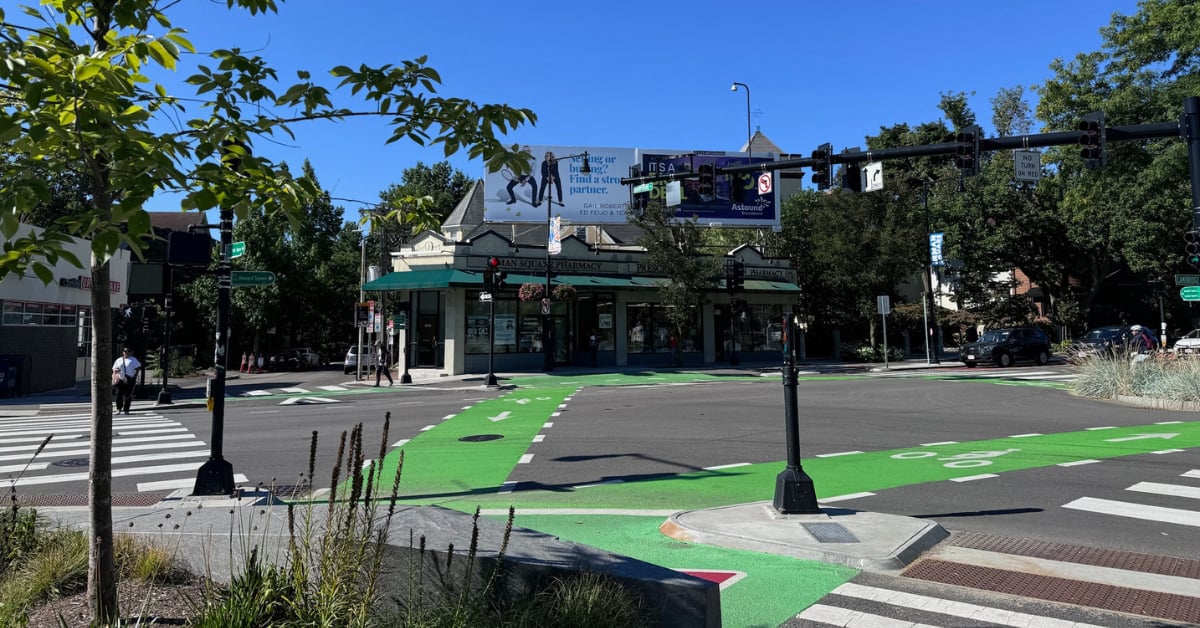
Central Square BID president Michael Monestime has been candid about the cost of the wait, noting that businesses on the Holmes Building side of the construction felt cut off from foot traffic once barrier fences went up. That is a real cost, and it is one Central Square merchants have absorbed for going on three years now. But the project was never generic infrastructure. The plan called for two new bus shelters, one on Green Street and one on River Street built to include a dedicated MBTA supervisor's office, plus a separated bike lane connecting River Street's protected cycle track into the existing network along Massachusetts Avenue. The plaza being rebuilt is not a placeholder plaza. It is one built around what already happens on that corner, the buses, the bikes, the gathering, translated into a design that is legible as Central Square rather than as any city's downtown square.
What's Actually on the Calendar This Fall
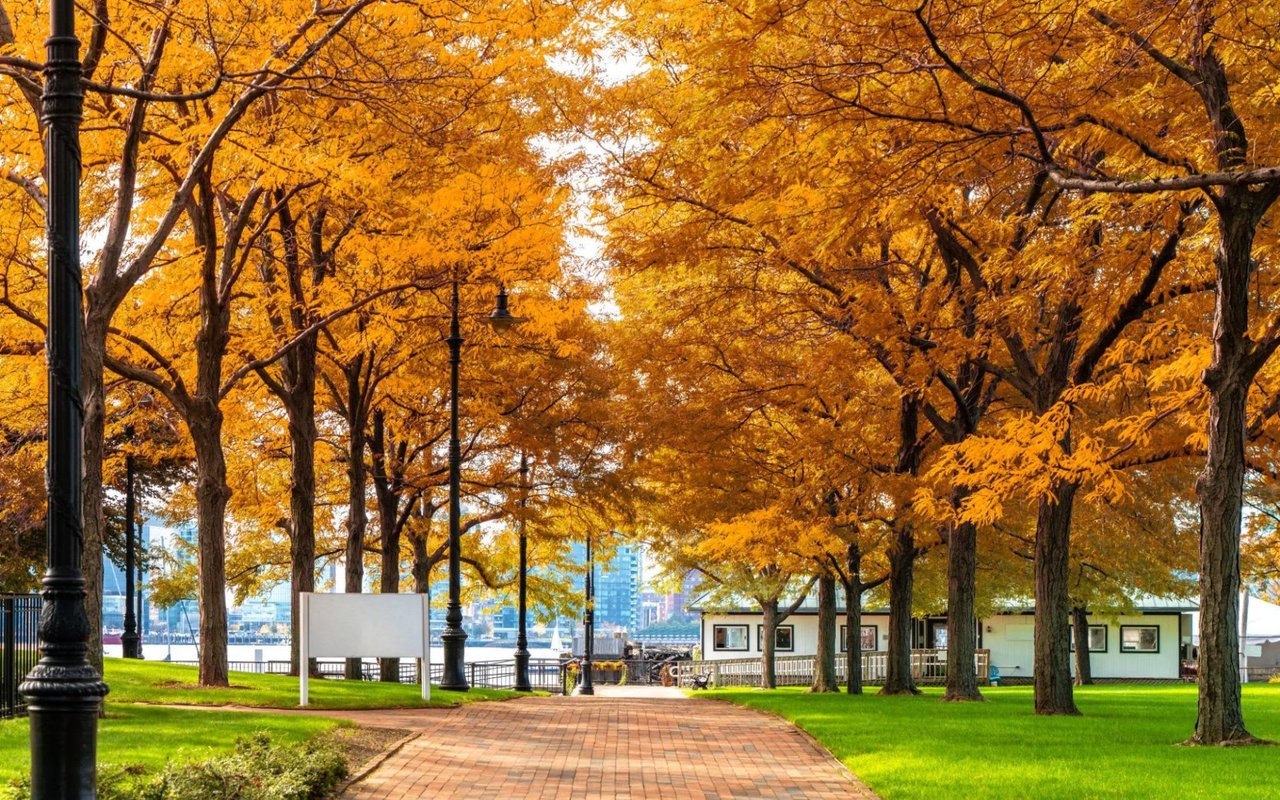
If the restaurant handoffs and the plaza reconstruction share a logic, that logic is showing up on the calendar too. The Central Square Night Market returns on September 20, 2026, from 5 to 10 p.m. at University Park, a free, all-ages event run in partnership with the Boston Night Market team that brings in food trucks, a beer garden and live performances. It is not a new event trying to establish itself. It is a recurring one that keeps choosing the same corner of the neighborhood to anchor in.
Central Square Theater's fall season opens with The Getaway Driver, running September 10 through October 4, 2026, continuing a run of professional theater that has operated out of the square for years alongside cultural anchors like the Dance Complex and Improv Boston.
Neither event depends on the plaza being finished to happen. But if the mid-to-late-2026 completion window holds, residents heading to the Night Market or a night at the theater this fall could be walking across a finished Carl Barron Plaza for close to the first time since the fences went up, at the same moment Darling is just past its first anniversary at 464 Mass Ave and Moona's café side has been running long enough to have regulars of its own.
None of this is a coincidence built by any single business or agency. It is what happens when a neighborhood's commercial and public investments both lean the same direction at the same time, toward continuity over erasure, toward building on what was already specific about the place instead of replacing it with something that could exist anywhere.
That is the version of Central Square worth knowing if you already live here, whether or not you ever end up buying or selling on these blocks. Sandrine Deschaux + Co has spent two decades watching Cambridge neighborhoods change block by block, and the pattern holding here right now, new businesses that build on what came before rather than paving over it, is the kind of local detail worth understanding regardless of what brings you to this square next.