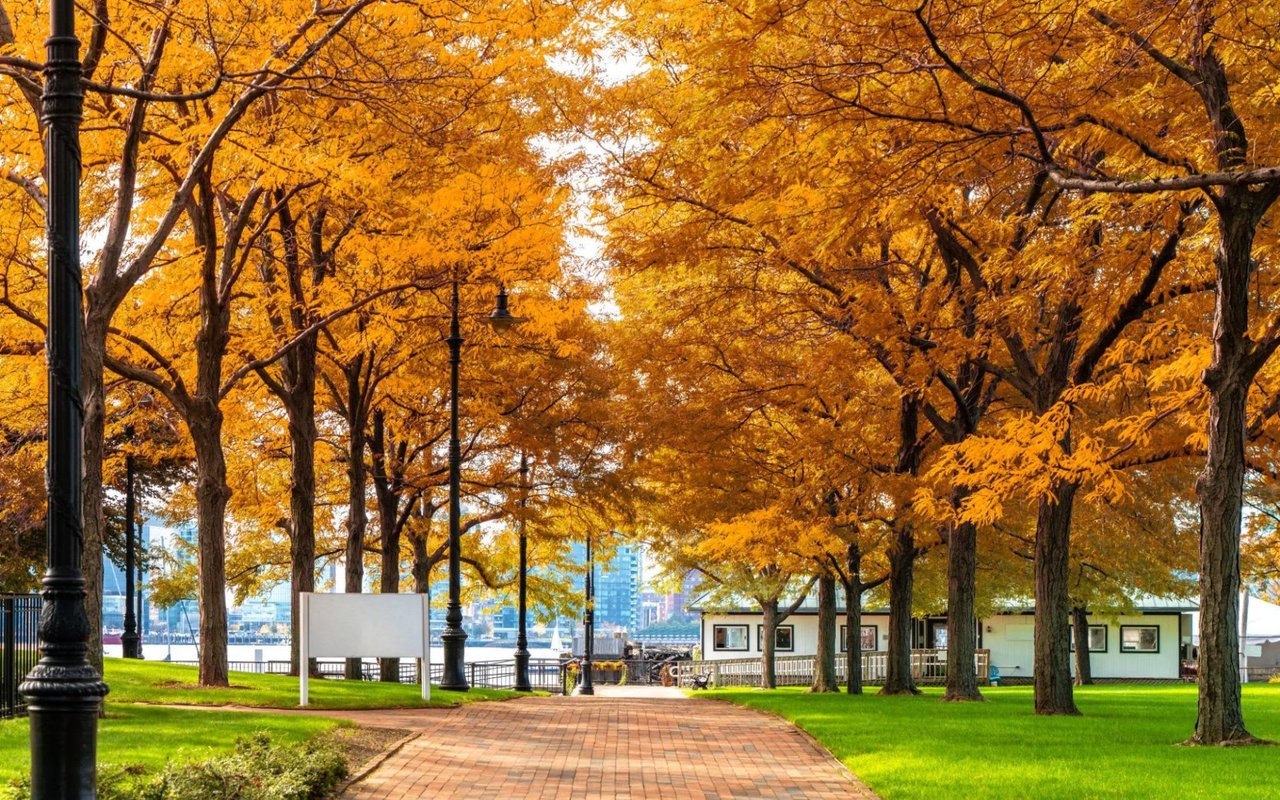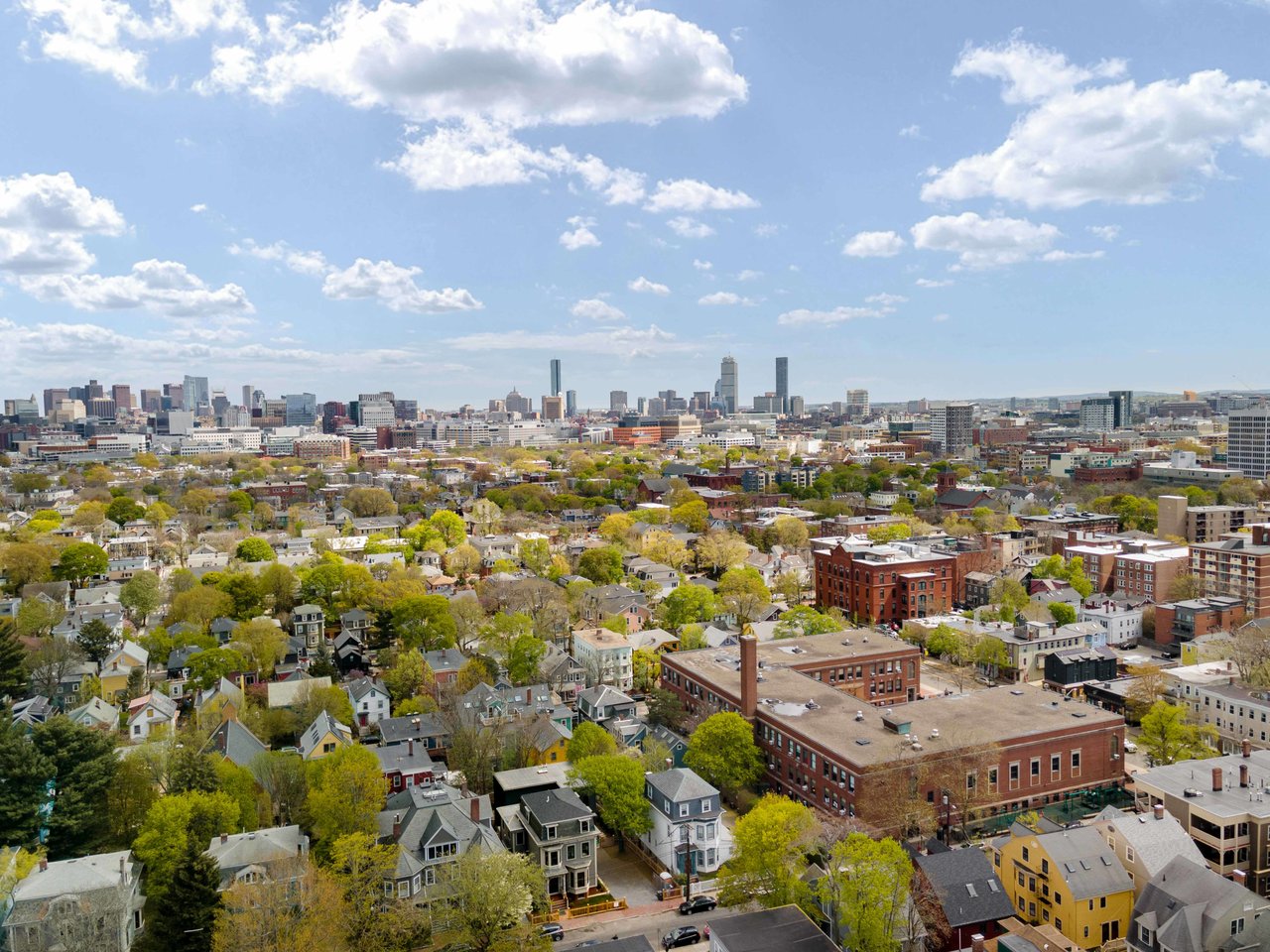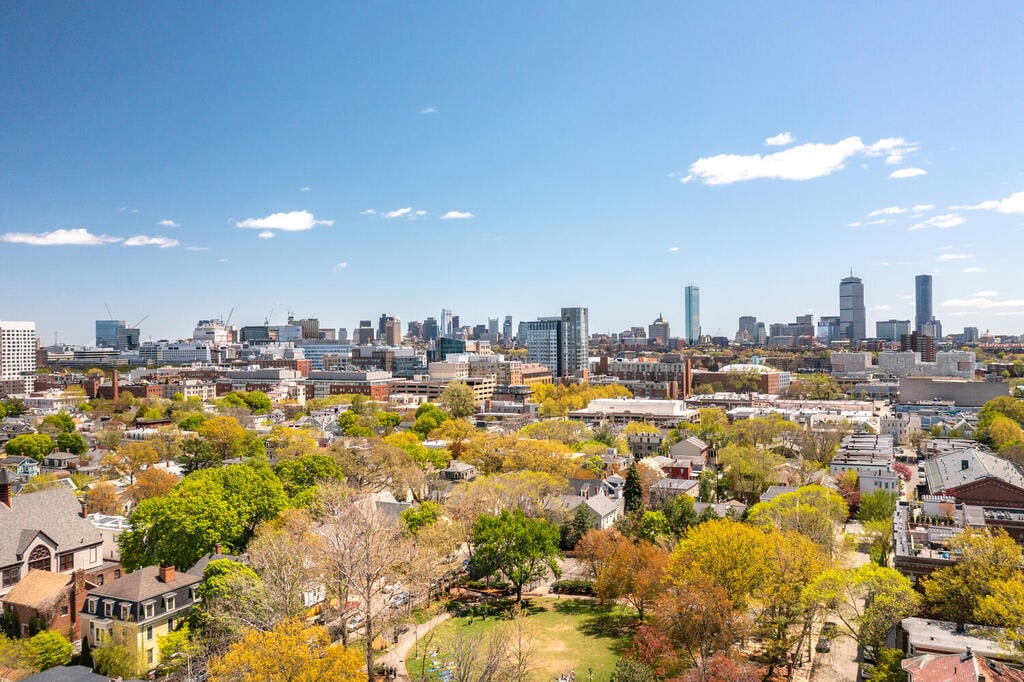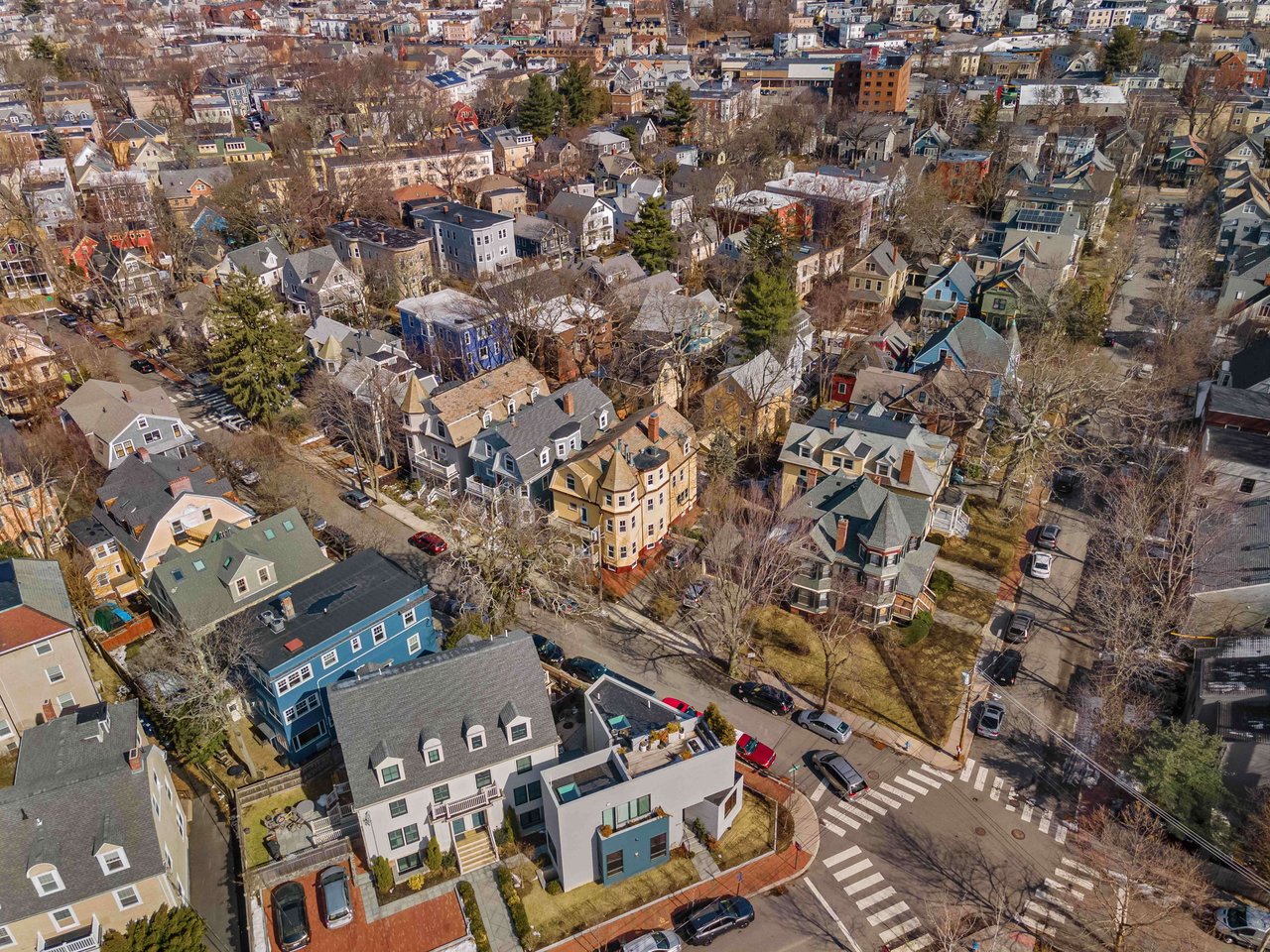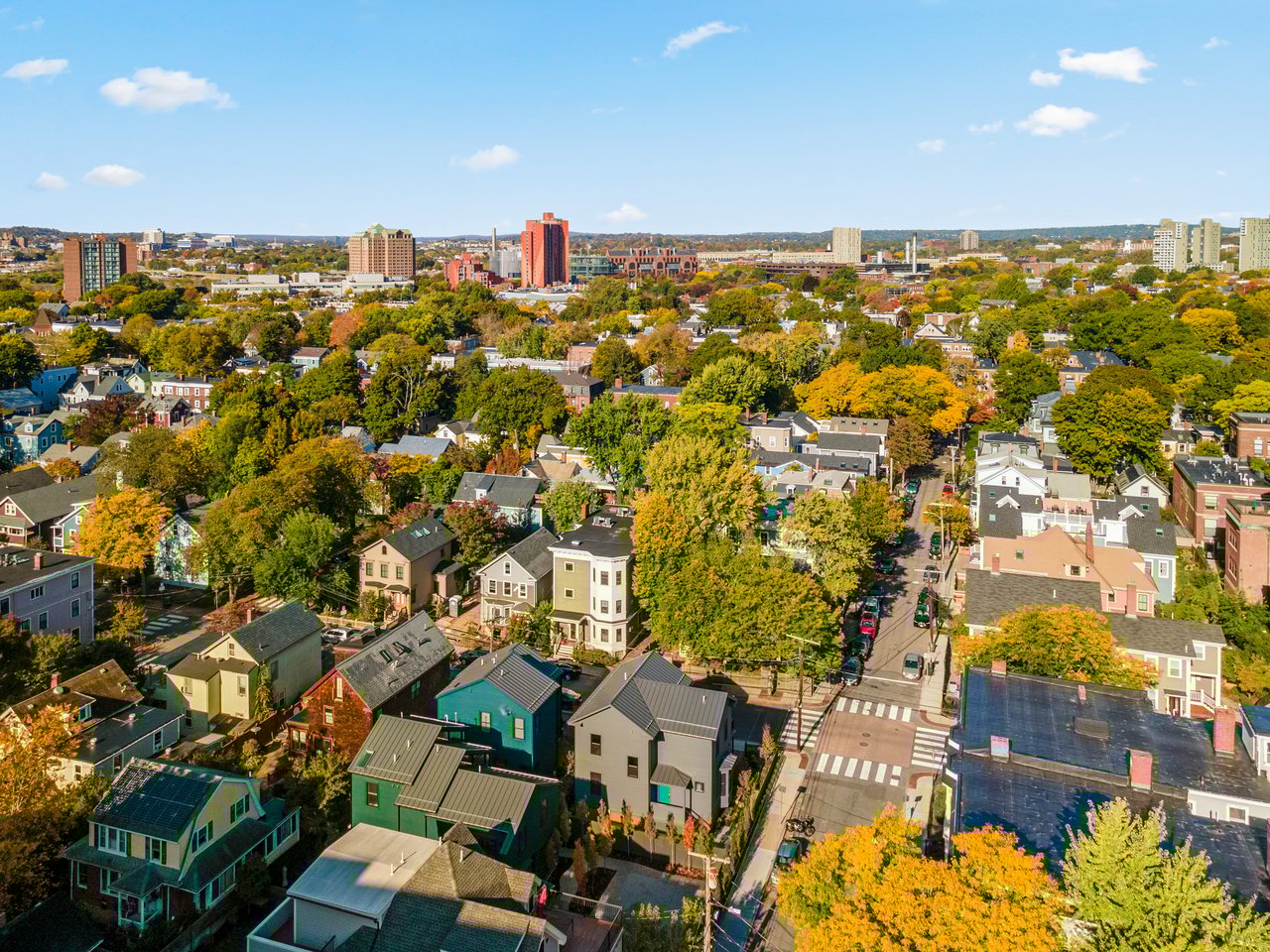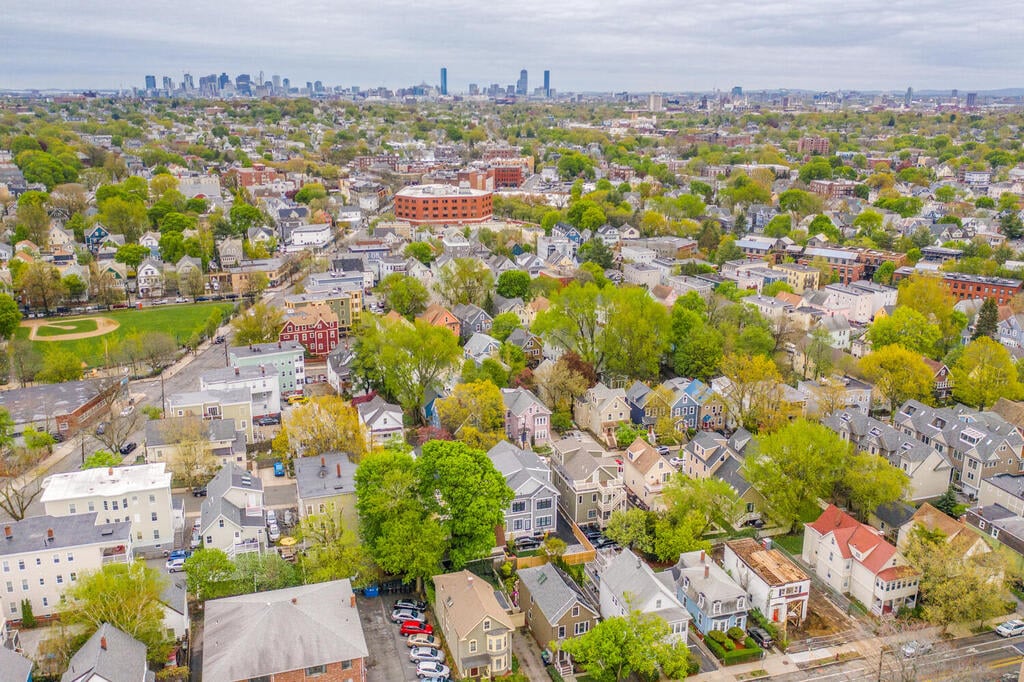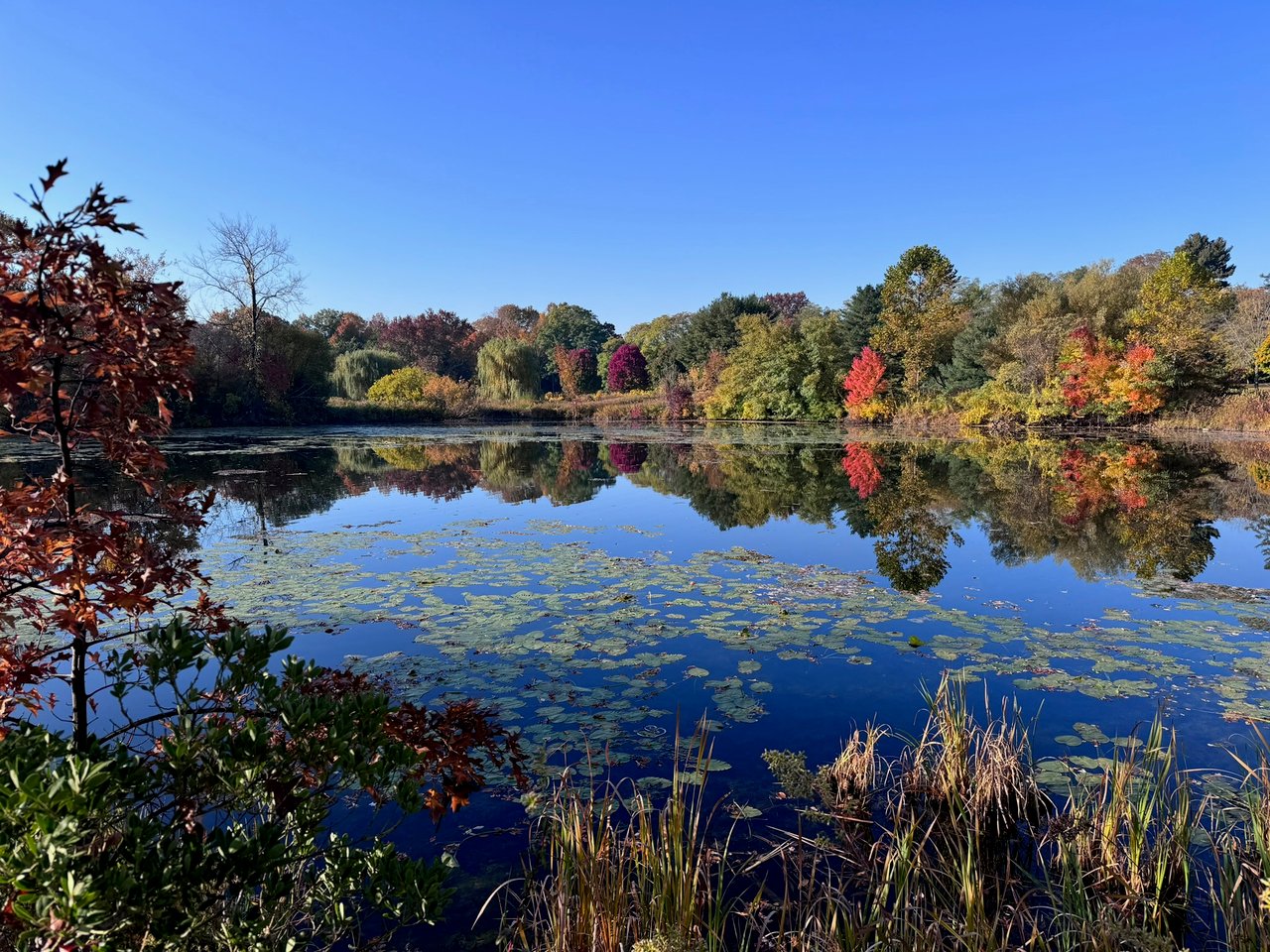
The two-mile loop around Fresh Pond is the most reliable walk in West Cambridge, and almost none of its small frustrations make sense until you remember what the pond is actually for. It is not, technically, a park. It is Cambridge's active drinking water supply, and the recreation happens because the Water Department allows it, not because a parks department built it that way. Once you see the pond through that lens, the parking signs, the swim rules, and even who throws the neighborhood's biggest June party there all click into place.
A reservoir wearing a park's clothes
Fresh Pond has been put to work for as long as anyone has recorded its history. In the 1800s, workers living in cottages near the water cut and shipped ice from the pond before refrigeration existed, and some of those same cottages still stand in the section of West Cambridge nearest the reservoir. The extraction changed form, but it never really stopped. Today the pond is a 155-acre reservoir that supplies between 10 and 14 million gallons of water a day to Cambridge homes and businesses. Before any of that water reaches a tap, it passes through the Walter J. Sullivan Water Treatment Facility, then on to the Payson Park Reservoir in Belmont for distribution citywide.
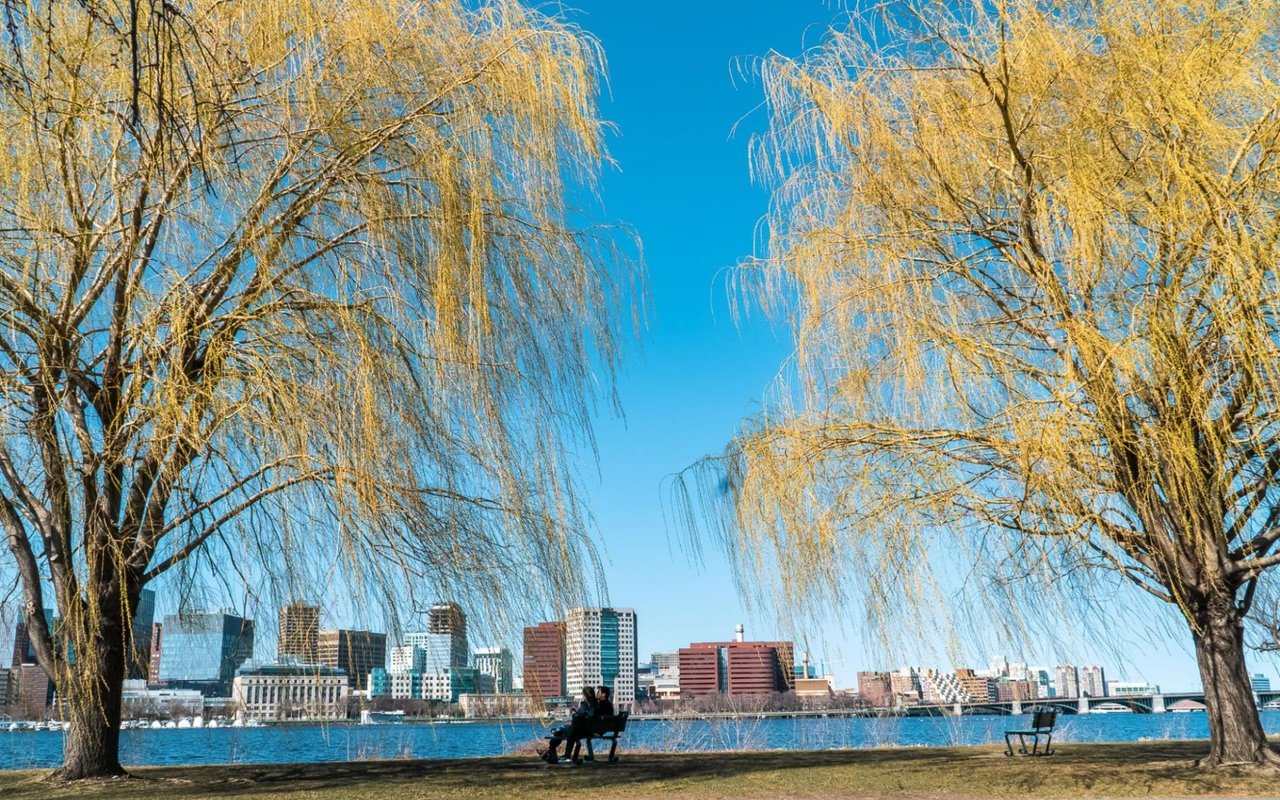
The 162-acre Fresh Pond Reservation that surrounds the water exists because the city has to protect a working reservoir, and a wide buffer of parkland happens to be an effective way to do that. Walking the loop, watching a heron, letting a dog off leash in a permitted stretch: all of it sits on top of a piece of municipal infrastructure that was never primarily designed for any of those things.
The parking rule nobody explains
Ask anyone who has driven to Fresh Pond on a Saturday and they will tell you the same thing: the lot at the Cambridge Water Works building requires a resident sticker, full stop. If you are hosting a friend from out of town who wants to see the loop, the one dependable public option is the lot at William G. Maher Park on Concord Avenue, a few minutes' walk from the reservation entrance rather than right at the water's edge.
This is not an oversight. A reservoir that supplies drinking water for the whole city has a legitimate reason to control who parks closest to its treatment infrastructure. The inconvenience visitors feel is the same logic that keeps the water safe. Better to know this before you promise a guest an easy pull-in than after they have circled Fresh Pond Parkway twice looking for a spot.
Dog beach exists because nobody's stopped it
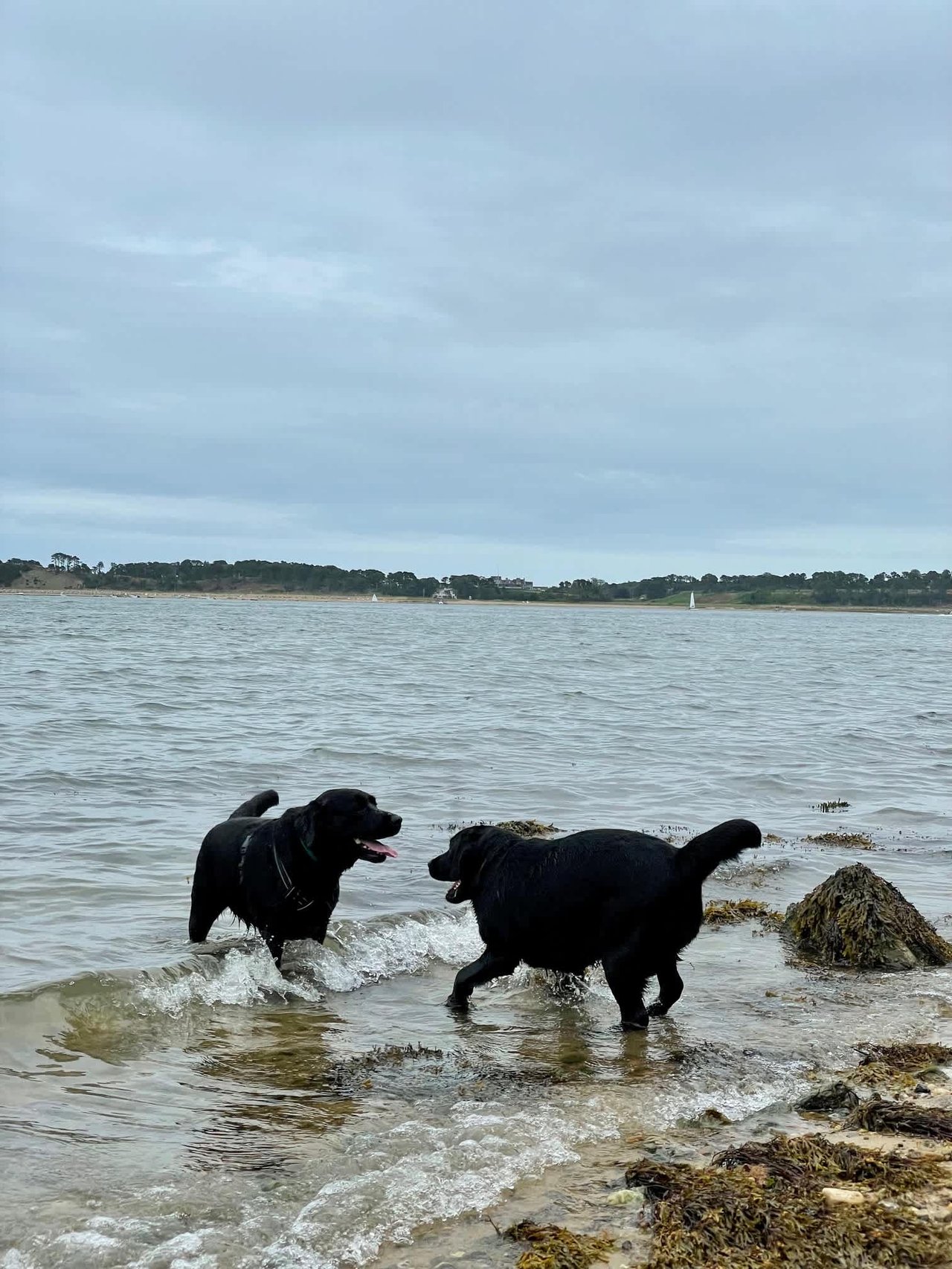
Here is where the reservoir and the park pull in opposite directions most visibly. Official water board rules exist to prevent contamination and generally restrict swimming and bathing in the reservoir. At the same time, ask any regular where to bring a dog on a hot afternoon and they will point you to the cove that everyone in the neighborhood calls the dog beach, where off-leash dogs are a known, ongoing part of the scene.
Neither fact cancels the other out. That is the point. Fresh Pond has never fully resolved whether it is a protected water supply or a neighborhood park, and the dog beach is the clearest evidence of a compromise nobody wrote down. The same tension shows up in smaller ways: there is no fee and no permit required to walk the trail itself, but bring your car and the resident-only lot reminds you exactly whose infrastructure this is. Birders who have logged more than 110 species around the water over the years are enjoying a wildlife corridor that exists mostly because a utility needed a buffer zone, not because anyone set out to build a birding destination.
For anyone actually walking it, the practical picture looks like this:
- The paved perimeter loop runs a bit over two miles, roughly 2.25 by the Cambridge Office for Tourism's own figure, and connects to the Watertown-Cambridge Greenway and the Minuteman Bikeway for anyone who wants to keep going.
- No entrance fee or permit is required to use the trail on foot or bike.
- Parking at the Water Works lot requires a Cambridge resident sticker. Maher Park on Concord Avenue is the more reliable option for visitors.
- Dogs are common on the loop, with a specific cove known locally as the swim spot, even as broader water board rules govern activity in the reservoir itself.
September is when the Water Department runs the show
Every June, the Cambridge Water Department, not the parks department, hosts Fresh Pond Day, a festival built around live music, a guided tour of the treatment plant, and a touch-a-truck for kids. This year's edition in June marked the 16th annual celebration, and the framing never changes: it is billed as a celebration of water, community, and sustainability, in that order. The agency that keeps your tap running is the same one that throws the party.
That pattern continues this month. On Saturday, September 26, from 7 to 9:30 a.m., the Boston Birding Festival is running a free guided walk called Fresh Pond Ducks and Such, timed to the fall migration that brings ducks and other waterfowl through the reservation. The walk meets outside the Cambridge Water Department's building at 250 Fresh Pond Parkway, requires a signed waiver, and asks participants to register in advance since spaces are limited. Loaner binoculars are available for anyone who emails ahead. It is a small detail, but it says something real: even a bird walk on public land has to check in with the water utility first, because that utility is still the landlord here in every sense that matters.
Fall is genuinely the better season to notice any of this. The path that gets crowded with weekend cyclists in July settles into a quieter rhythm by late September, and the same loop that felt purely recreational in summer starts to reveal its other identity, the one where a ranger station shares space with a treatment plant and a migration count doubles as an infrastructure tour.
Huron Avenue keeps trading storefronts while the loop stays the same
The commercial strip that feeds into the reservation tells the opposite story. Where the water rules barely shift year to year, the businesses along Huron Avenue turn over more than regulars sometimes expect. In March of this year, Sumi House opened at 359 Huron Avenue in the space that had belonged to Fupo Cafe, bringing a Japanese menu that includes shumai, gyoza, ramen, poke bowls, and even tempura ice cream to a spot that had built its own following on Asian fusion and Chinese-American dishes.
The anchors around it have held steadier. Formaggio Kitchen and Hi-Rise Bread Co. remain fixtures on the same stretch, and Imagine Cafe, named Boston Magazine's Best New Bakery-Cafe in 2025, has settled into the neighborhood's coffee rotation alongside them. That contrast between a strip willing to swap tenants and a reservoir bound by rules that predate most of the storefronts is part of what makes this specific corner of West Cambridge feel the way it does. You can read more about the shops and rhythms that define the immediate area in Sandrine Deschaux's Huron Village guide.
None of this is really about the pond as scenery. It is about understanding why a neighborhood amenity that looks like a simple park behaves the way it does, parking sticker and all. Once the reservoir logic clicks, the walk gets easier to plan and the small annoyances stop feeling arbitrary.
If you are watching Huron Village and the rest of West Cambridge for reasons that go beyond a Saturday walk, Sandrine Deschaux + Co has spent two decades tracking exactly this kind of neighborhood detail. Schedule a Consultation to talk through what a home near this stretch of Cambridge actually looks like, block by block.