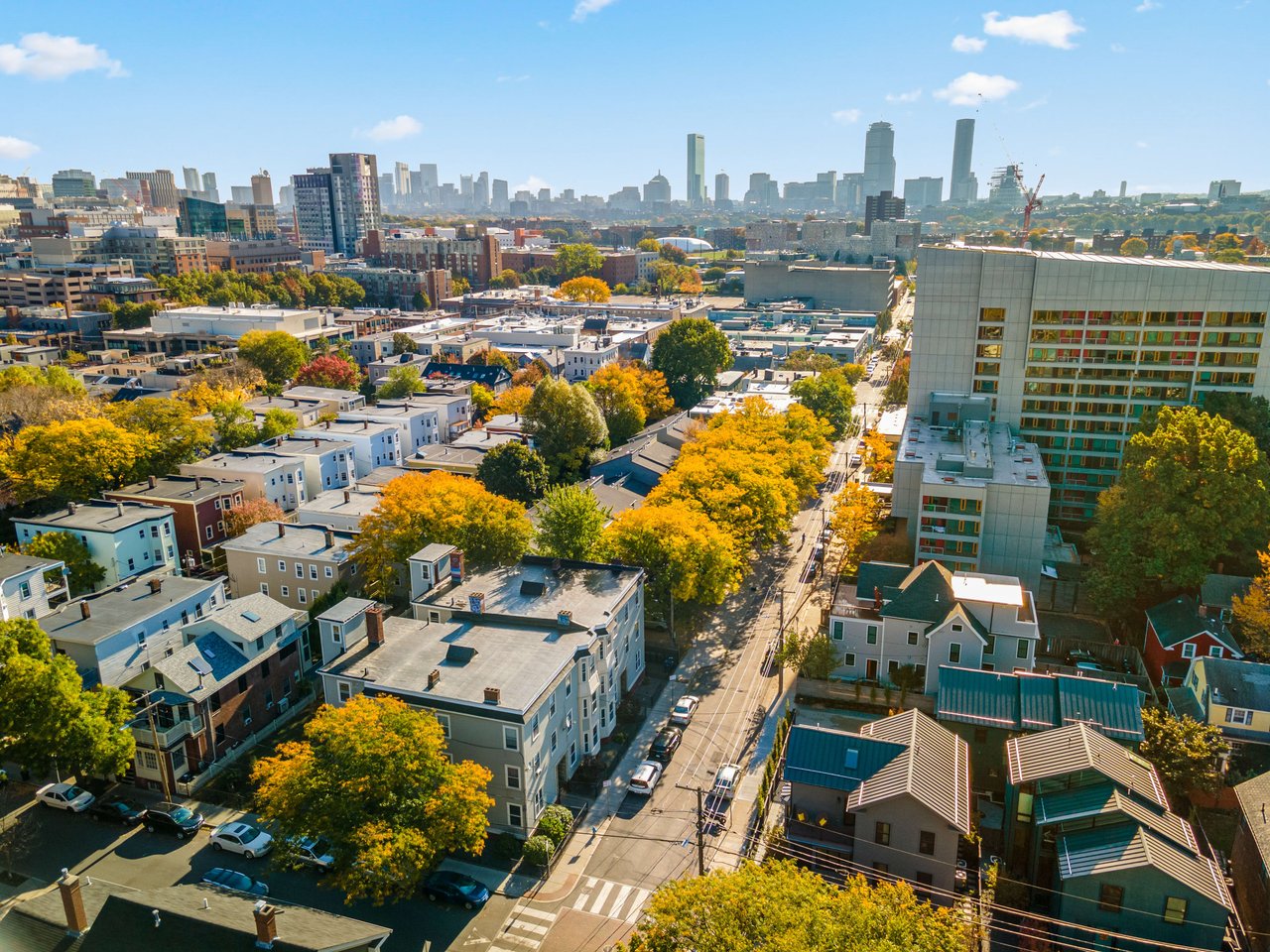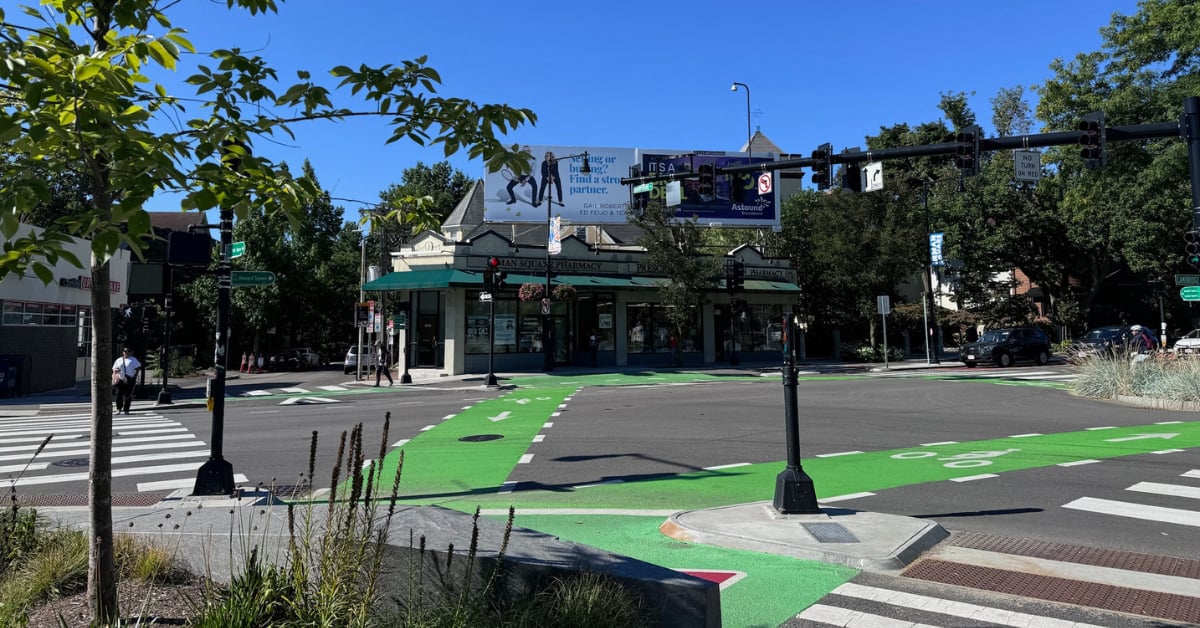
Walk the two blocks of Cambridge Street between Springfield and Hampshire and you'll pass three restaurant addresses that, on paper, look like they belong to three unrelated news stories. One reopened in June with a full bar it never had before. One occupies a building that sat empty for over a decade before anyone figured out what to do with it. One just left the neighborhood entirely, tripling its size a mile away in Central Square.
Read those as separate headlines and Inman Square looks like it's in flux. Read them together and a different pattern shows up: when a restaurant here outgrows its space, the owner's first instinct is almost never to leave the neighborhood. It's to find the next building on the same block.
The one that moved in, not out
Erin Miller's Urban Hearth spent years as a 24-seat restaurant in North Cambridge, the kind of place that picks up a James Beard nomination and a Michelin recommendation while still running a tasting counter with no bar. When it was time to grow, Miller didn't look outside Cambridge. She looked two neighborhoods over, to a space at 1281 Cambridge Street that had most recently housed Bukowski's, a fine-dive stalwart that held the corner for 17 years before it was Turing Tavern.
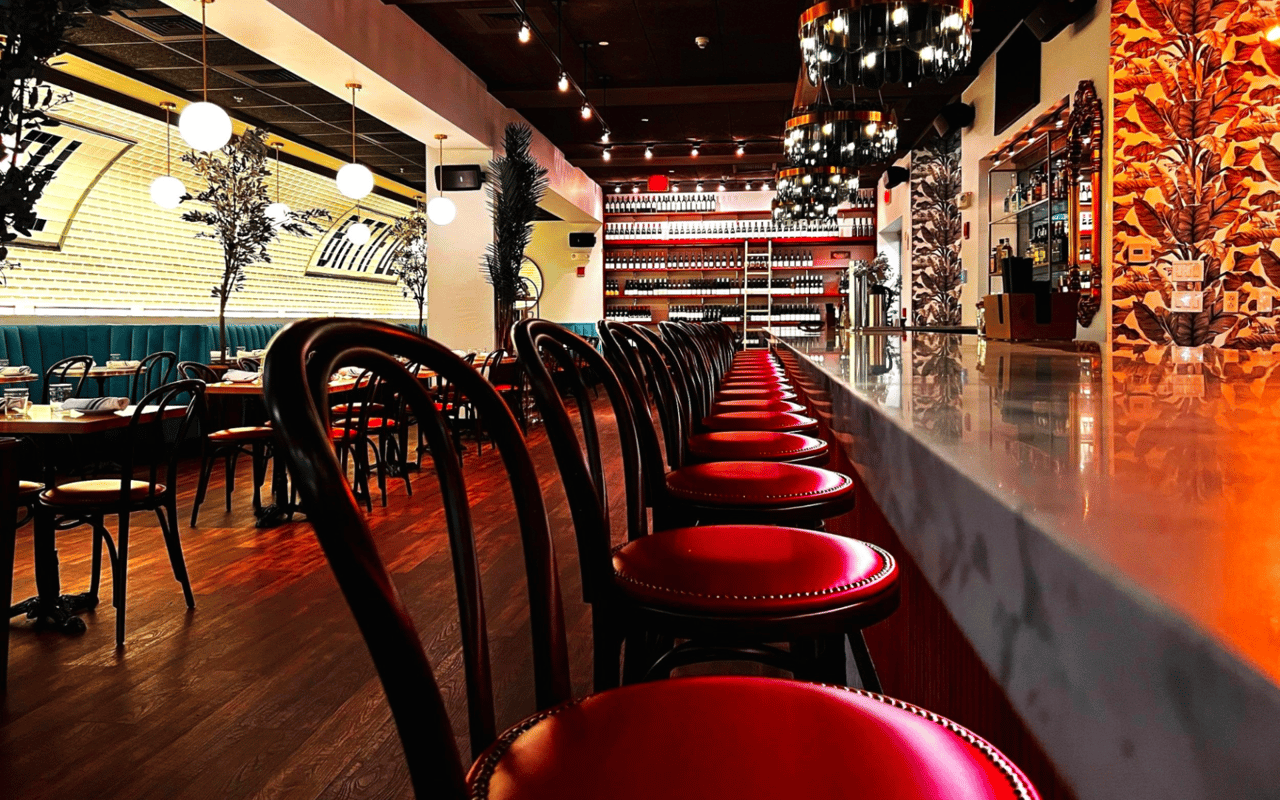
Urban Hearth reopened there on June 20, in a space Cambridge Day described as having more than double the old seating capacity, with a marble bar, a six-seat tasting table, and a bar ceiling hung with hand-blown glass leaves made by local artisan Andrew Iannazzi. It's a real jump in scale, but the growth stayed local almost stubbornly. Miller isn't even done with the old North Cambridge address. She's kept it operating as a catering outpost through the summer and plans to reopen it around October as a smaller, more casual concept for regulars in that neighborhood, something she's described as a contemporary American bistro built around the same seasonal, locally sourced ingredients. The old space doesn't get sold off. It gets a second act.
That's growth that expands the footprint without ever cutting the cord.
The chef who keeps building on the same three blocks
Will Gilson has been running Puritan & Co. in Inman Square since it opened, and the way he's expanded since tells you something about how attached success gets to a specific address. When the building next door to Puritan & Co. sat unused for over a decade, Gilson didn't look elsewhere. He waited. Around year two or three of running Puritan & Co., he'd already imagined an oyster bar going into that space. It took until 2023 for Puritan Oyster Bar to actually open there. Gilson told Boston.com at the time that he wanted the new room to feel like it had always belonged:
"I wanted Puritan Oyster to feel like it's always been here, like it's connected to the area. Nothing flashy, just a place people will stop in a couple of times a week for a bite."
That's the pattern across his whole portfolio. Gilson now runs seven food businesses, and all but one of them are in Cambridge, including Café Beatrice, Geppetto, Amba, First Street Market, and The Lexington at Cambridge Crossing. The single exception is Puritan Tavern, a casual sibling restaurant opening in Groton, the town where Gilson's family has lived for more than 300 years. But even that expansion isn't a story about Cambridge running out of room for him. It's explicitly personal. Gilson has called it a way of putting down roots in his hometown, not a search for a market Inman Square couldn't offer. The flagship stays exactly where it's always been, at 1166 Cambridge Street.
The one that actually had to go
Then there's Moona, which shows what it looks like when the math doesn't work the way it did for Miller and Gilson. After nine years in a 30-seat space in Inman Square, Moona needed room to triple its footprint, add a full café and lounge concept, and build out an all-day menu with breakfast and lunch service the old space couldn't support. That kind of expansion needed real square footage, and Inman Square's building stock, mostly small, older storefronts built for a different era of retail, couldn't provide it within the neighborhood.
So owner Mohamad El Zein moved the new flagship a mile away to 750 Main Street in Central Square, where the space allowed for both a dinner room and a separate all-day café-and-lounge concept. The original Inman location keeps running until its lease expires in spring 2027, but the writing is on the wall. This is what leaving actually looks like here: not dissatisfaction with the neighborhood, but a physical ceiling that only a much bigger commercial building somewhere else could solve.
Put the three stories side by side and the difference isn't ambition. It's square footage. Inman Square's real estate rewards restaurants that grow in modest, additive steps, one building over or one seat count higher, and it pushes out the ones whose next chapter requires a footprint the block was never built to hold.
What that means for the neighborhood you're actually standing in
This is also why Inman Square still feels the way it does on a Tuesday night. It's dense with small, personal dining rooms rather than a handful of sprawling ones, because the buildings themselves keep the scale in check. That same density shows up outside of restaurants too. The Lilypad, the 1353 Cambridge Street venue that's been Boston's home for avant-garde music and art since 2005, still books the kind of intimate, artist-driven programming that only works in a small room. And the neighborhood's commitment to its own small businesses was on full display in May, when Inman Eats & Crafts turned the square into a one-day street fair built almost entirely around local names. The lineup of bites came from:
- 1369 Coffee House
- An Sibin
- Christina's Ice Cream
- Formaggio Kitchen Kendall
- Oak Bistro
- Puritan Oyster Bar
- S&S Delicatessen
with a beer garden pouring Lamplighter Brewing Co., Portico Brewing Co., and Remnant Brewing, and a handmade marketplace organized alongside gather here, the neighborhood's stitch lounge. None of that is chain retail filling space. It's the same small-footprint, deeply local character that shapes how restaurants here grow in the first place.
If you live in Mid-Cambridge or along this stretch of Cambridge Street, the practical read is simple. The square's dining scene isn't thinning out or being hollowed out by relocations. It's recirculating. A restaurant leaves a small space, and a chef who's been waiting years for that exact address finally gets it. Urban Hearth's old North Cambridge spot won't sit empty. Moona's original Inman room has almost a year left before its lease runs out, which means there's still time to get a table in the space that started it all. And if you're weighing whether to book Puritan & Co. or wait for its casual Groton sibling, the flagship two blocks from the Lilypad isn't going anywhere.
That kind of continuity, restaurants and chefs staying rooted to specific blocks even as they grow, is part of what makes a neighborhood worth knowing well rather than just visiting. It's also the kind of detail that matters if you're the one trying to understand what a home a few doors down from all this is actually worth, or what it means to own property on a stretch of street where the businesses have this much staying power.
If you're curious what that kind of neighborhood durability means for property values on this stretch of Cambridge Street, or anywhere else in Mid-Cambridge, Sandrine Deschaux + Co has spent two decades watching these blocks change one storefront at a time. Schedule a Consultation to talk through what's happening on your street specifically.