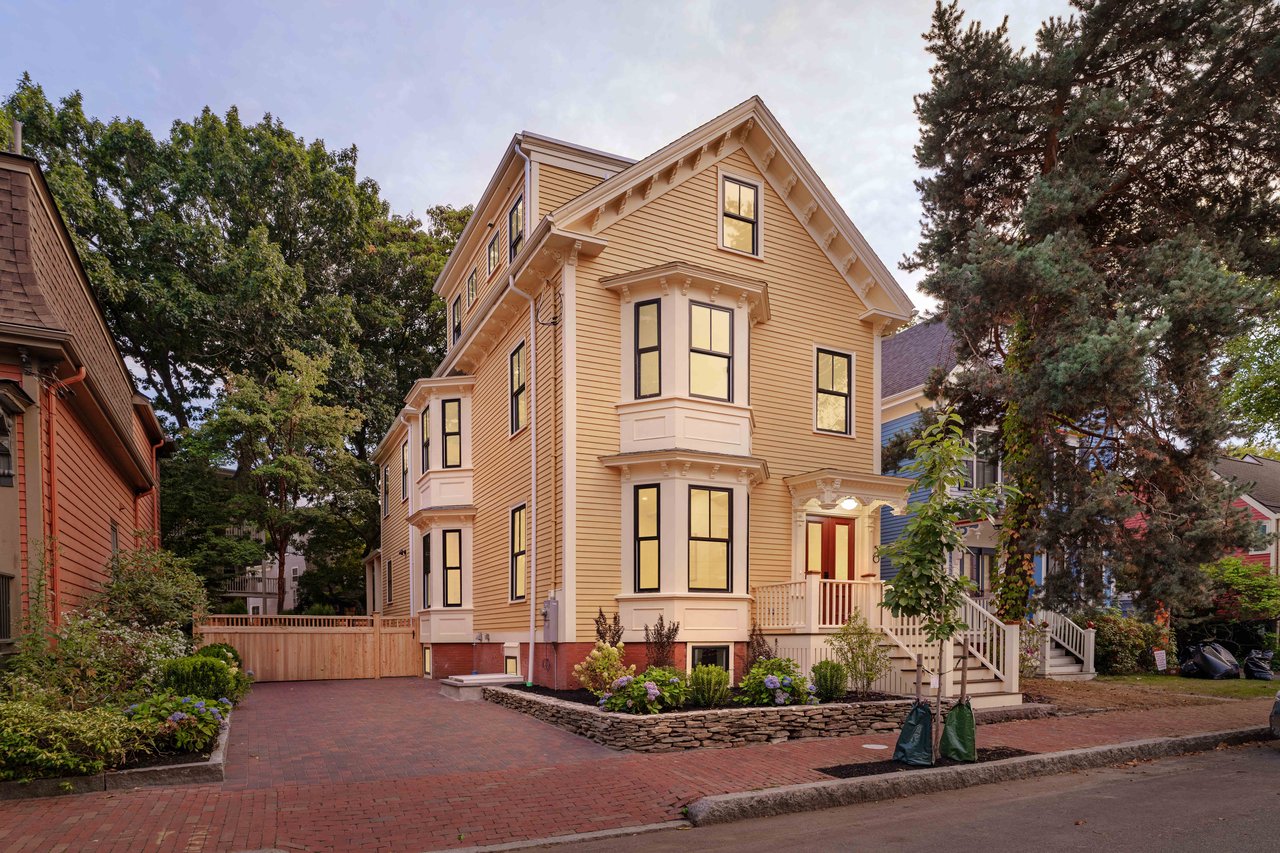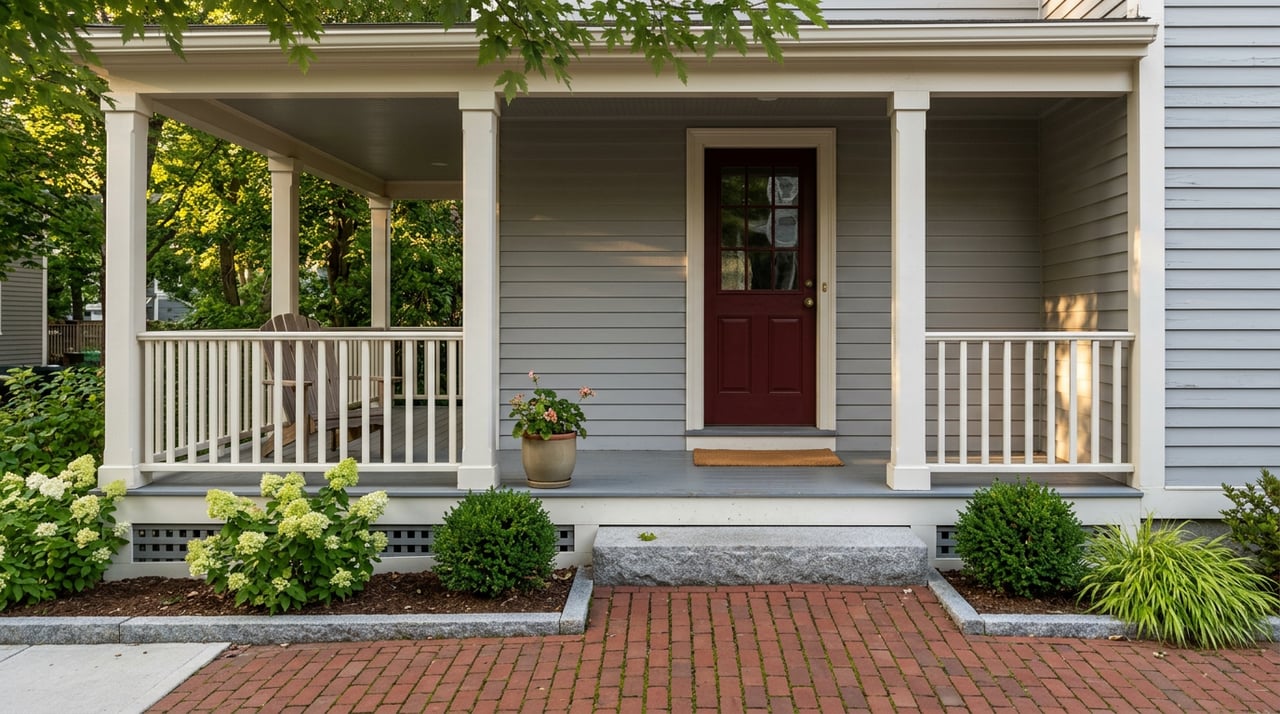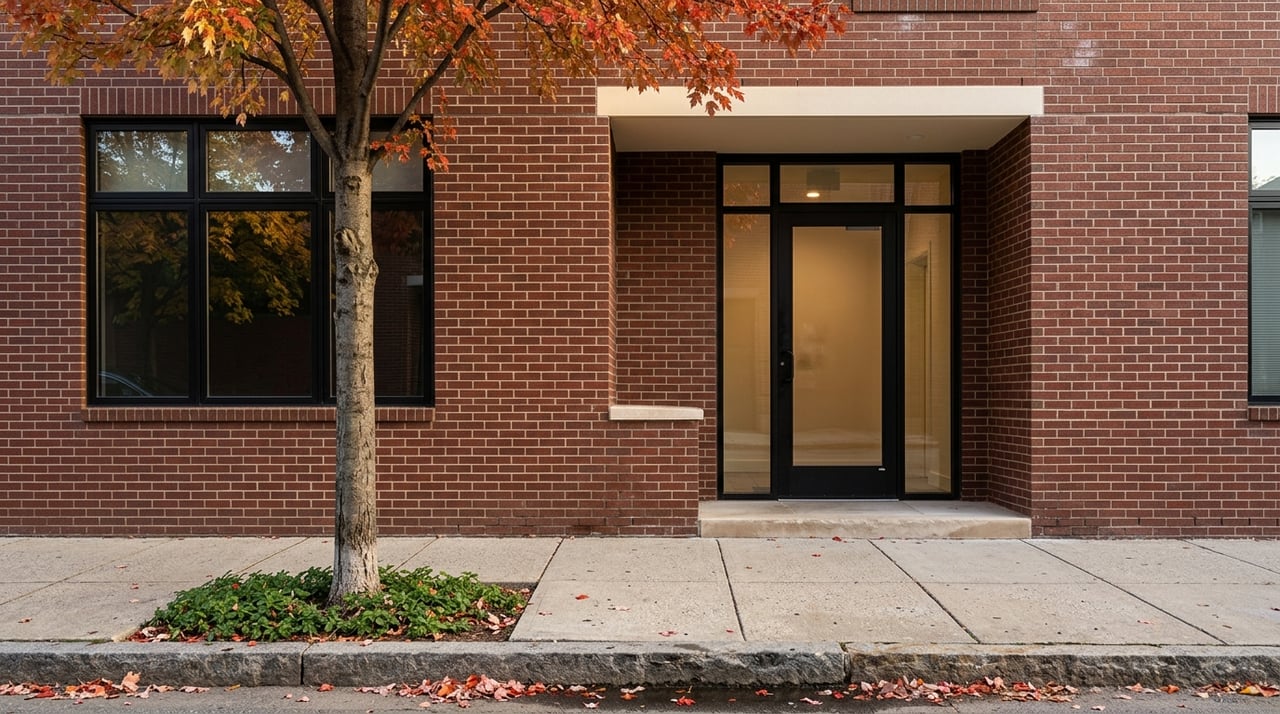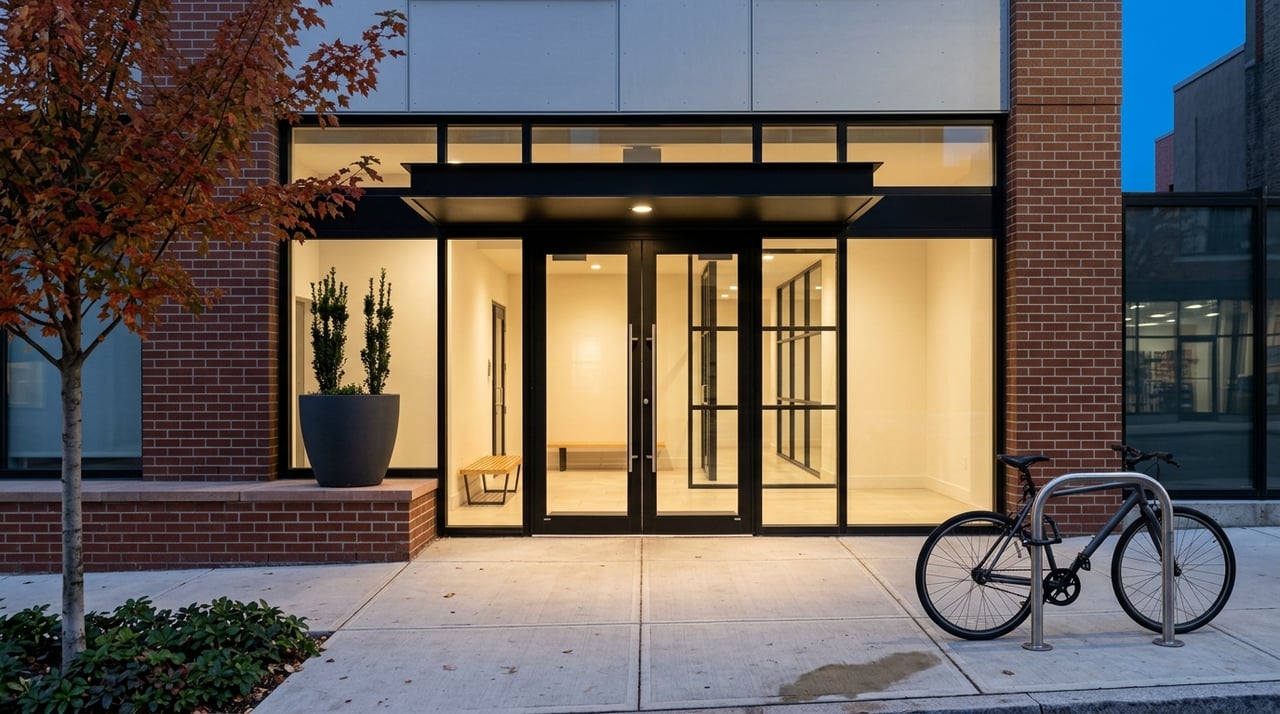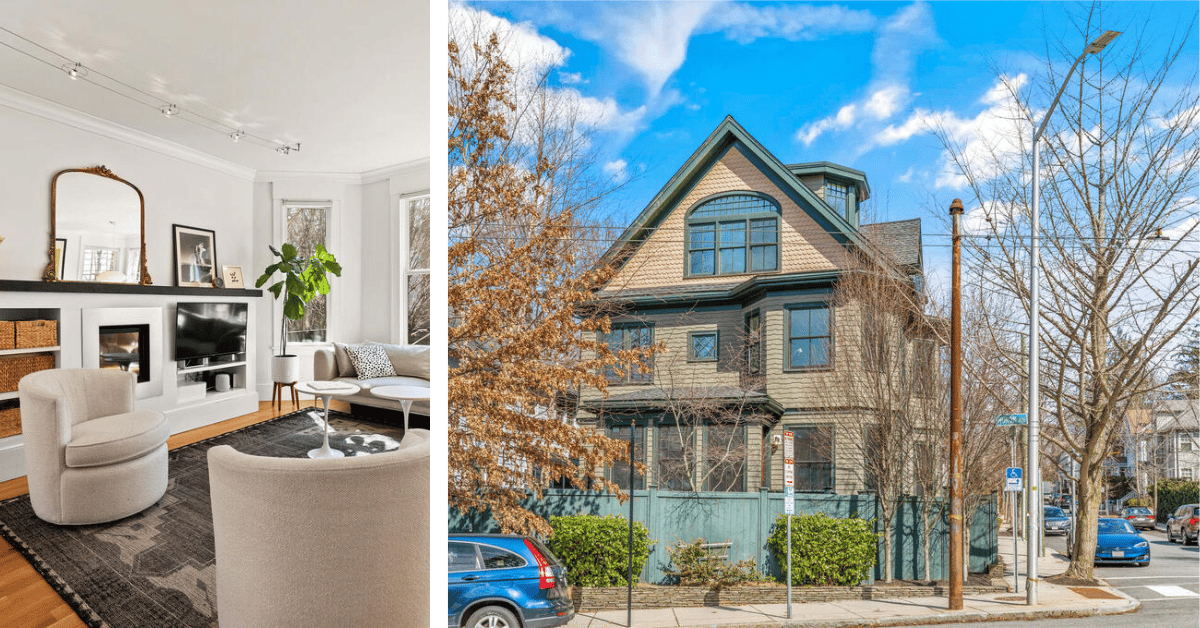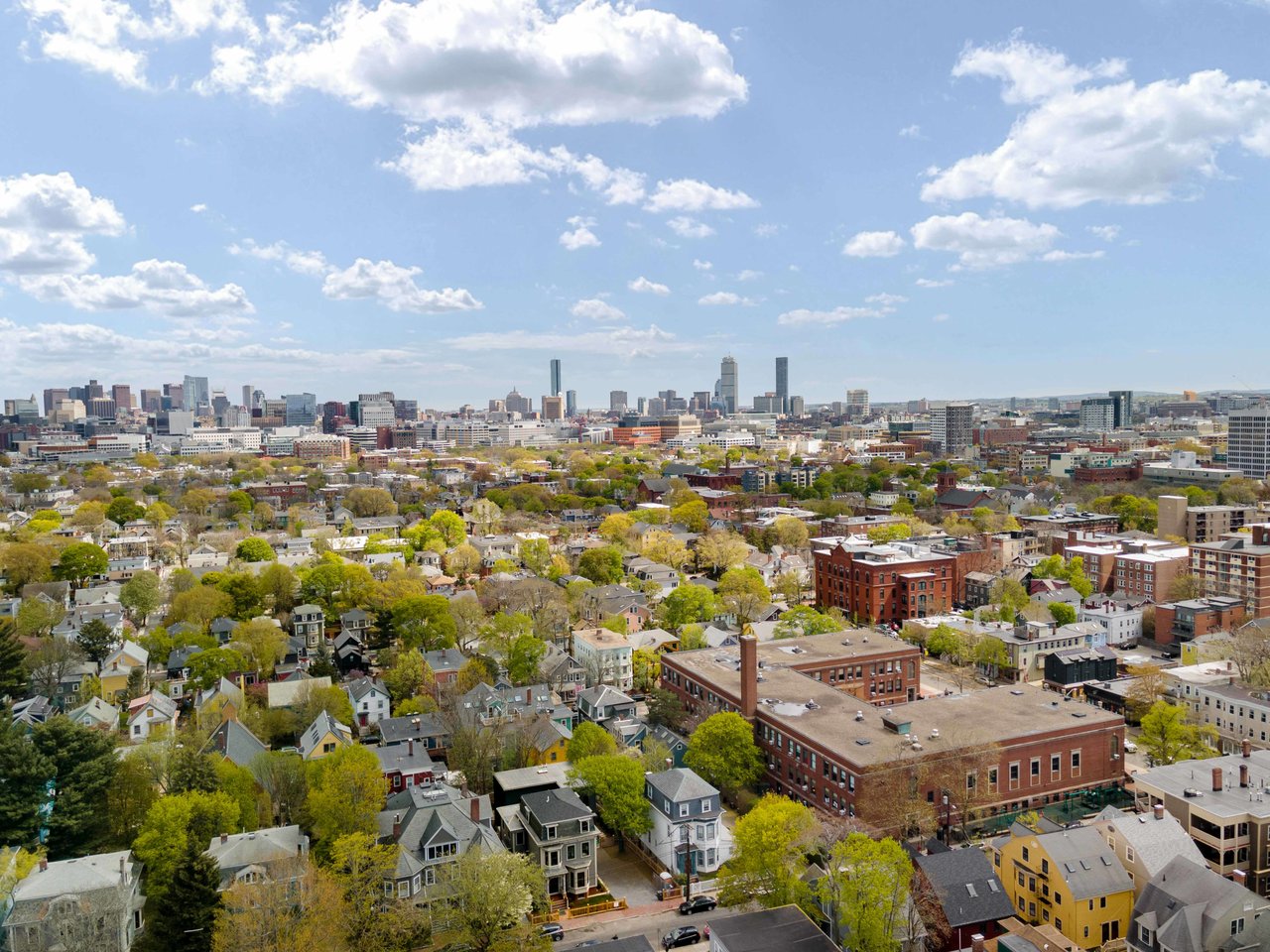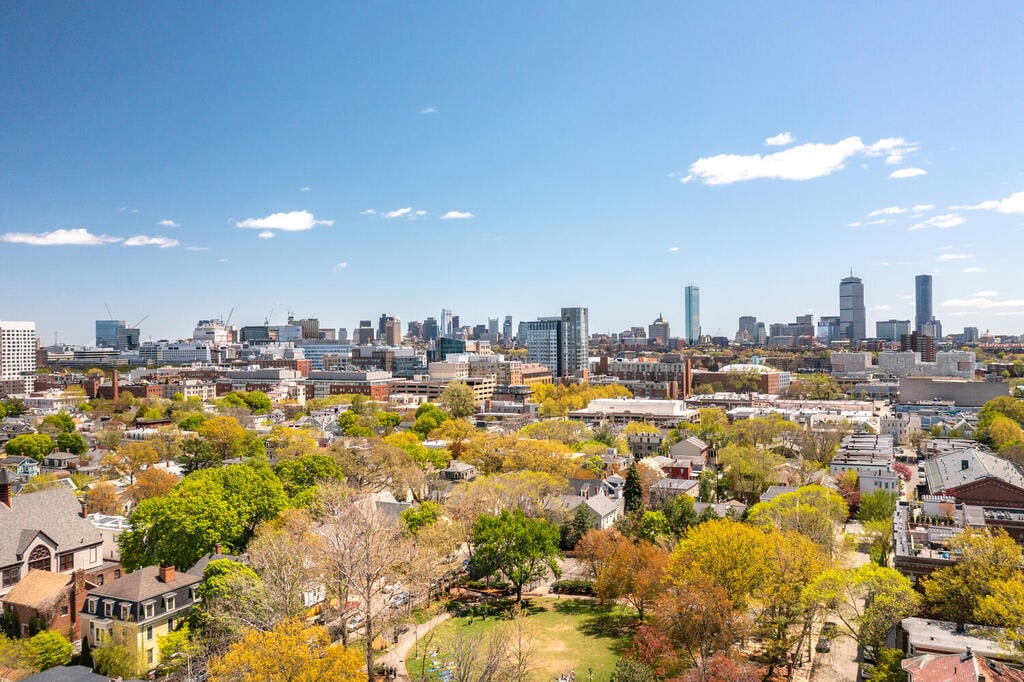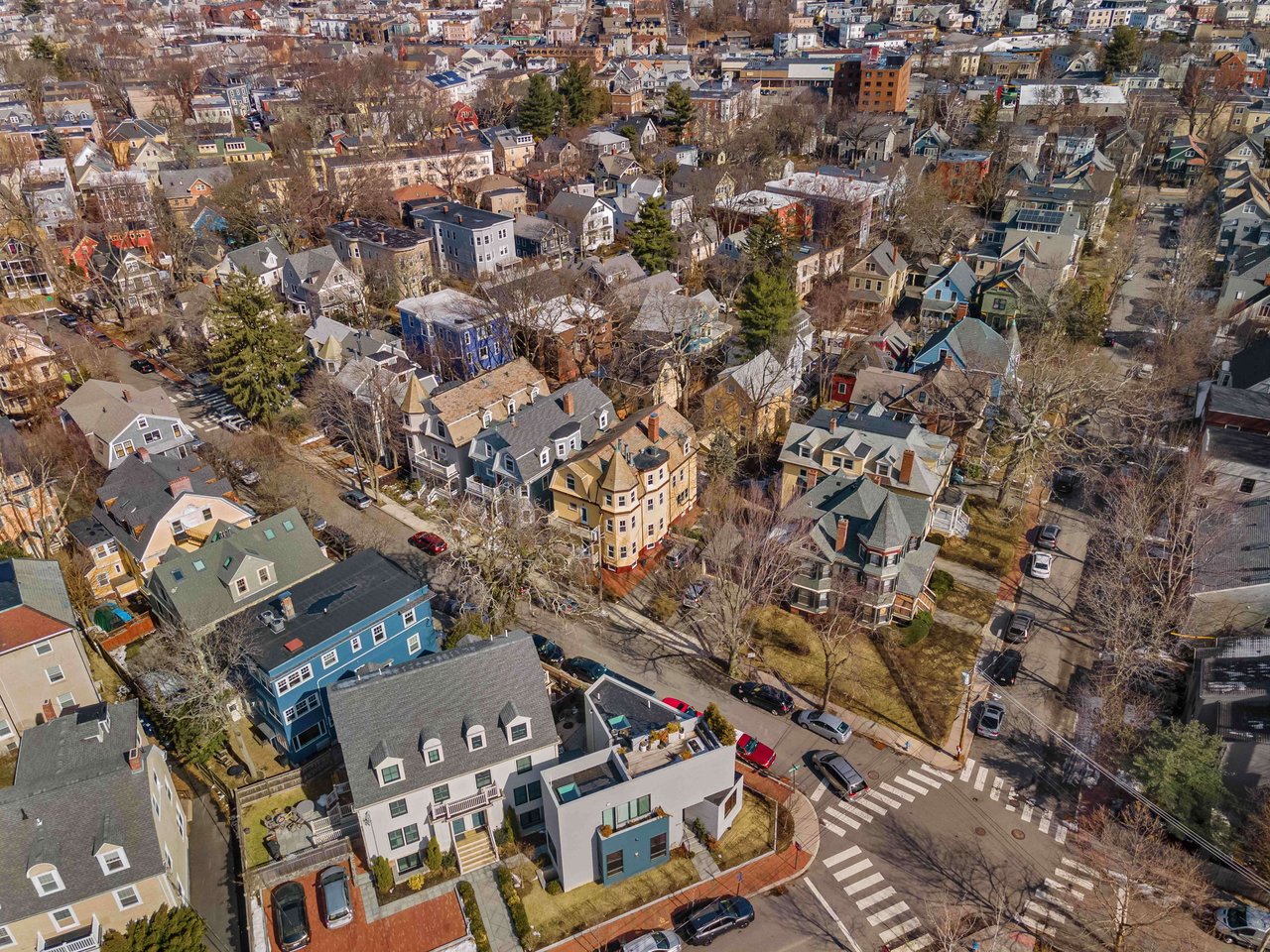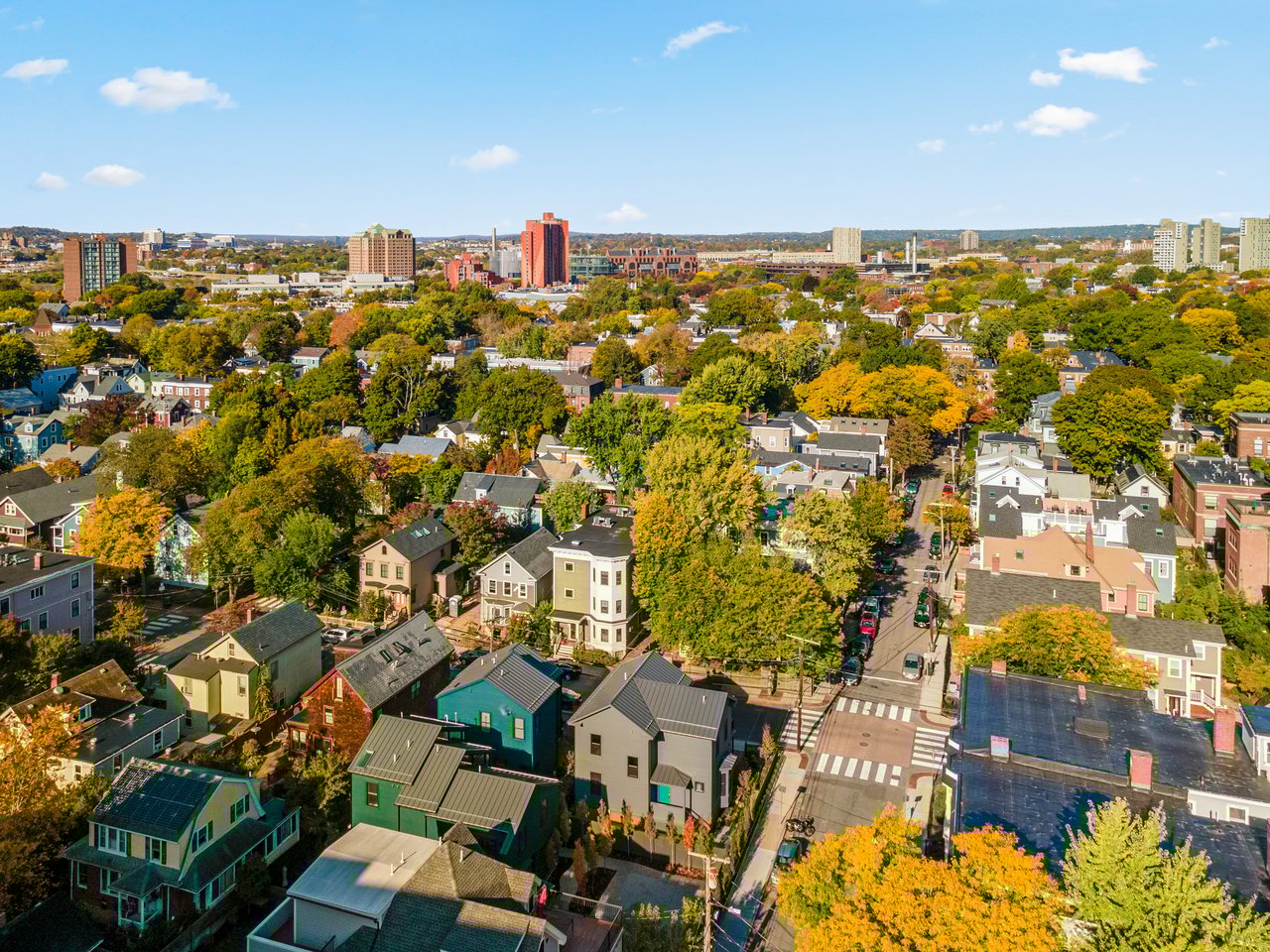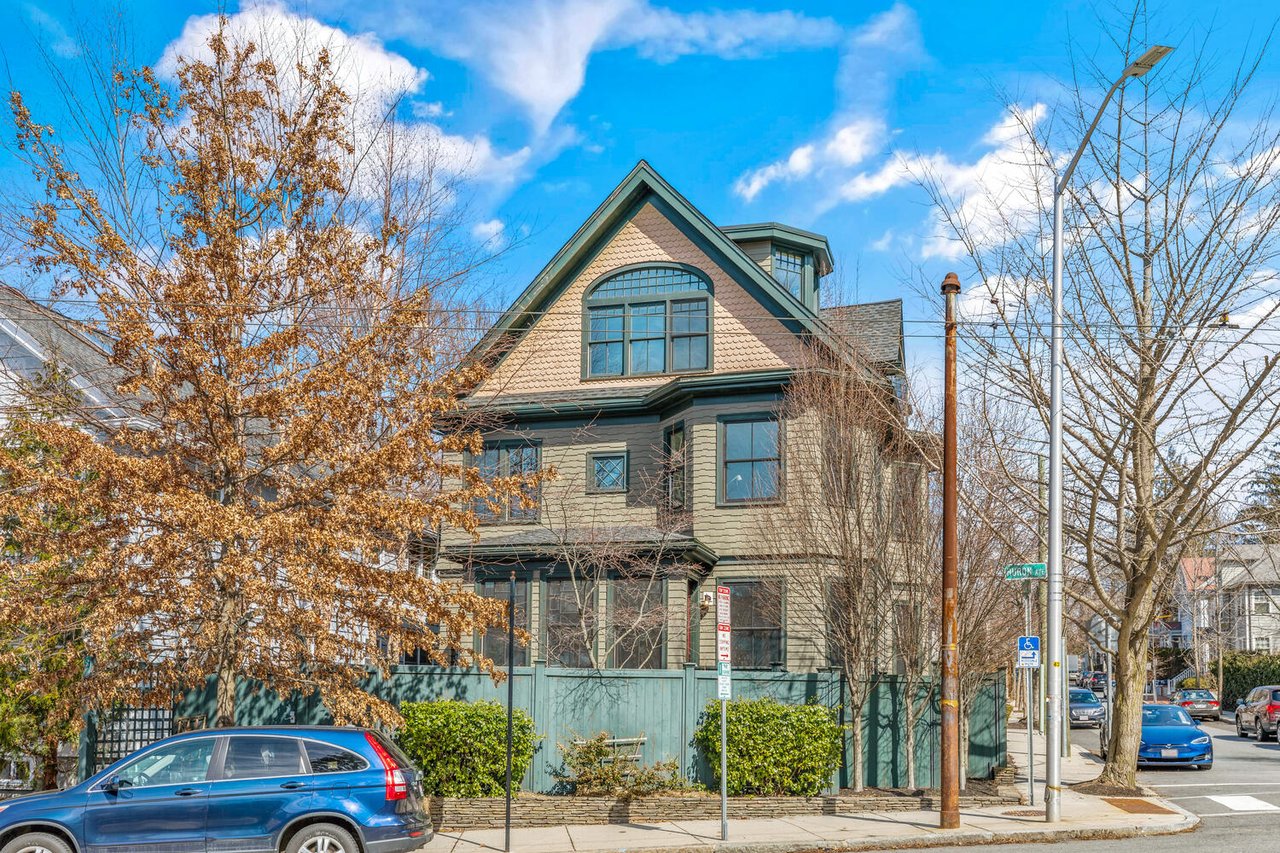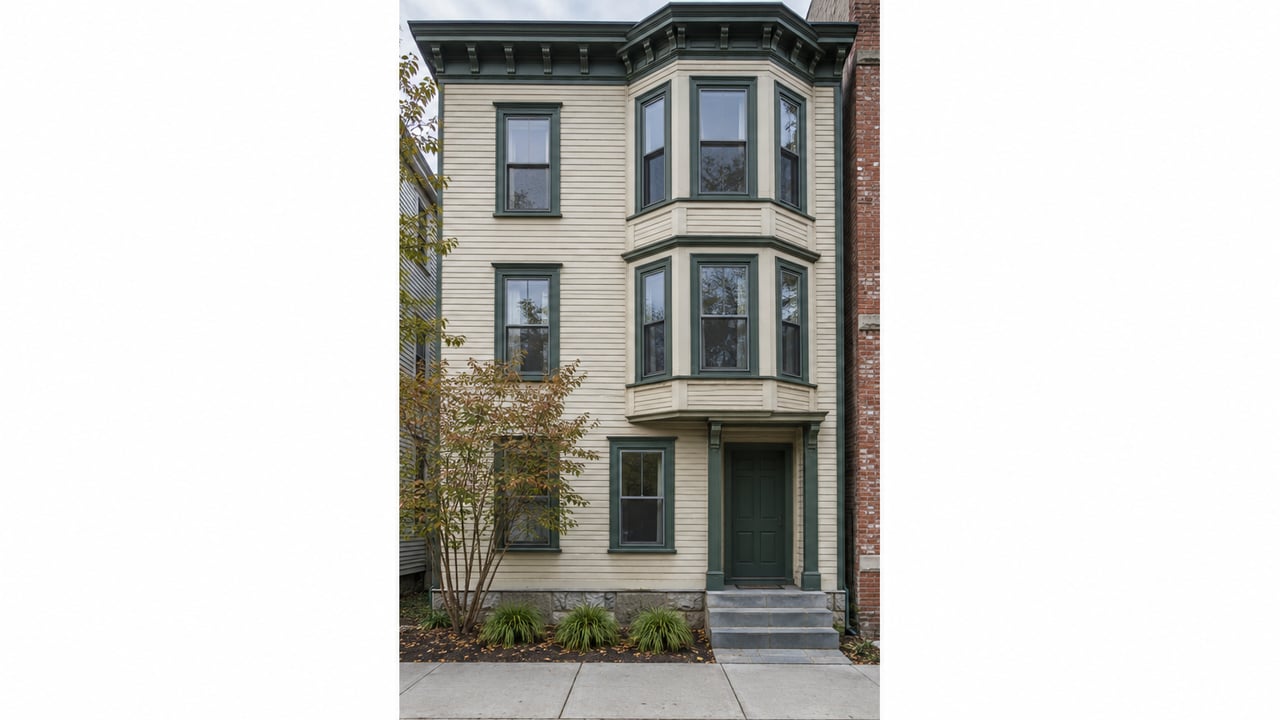
The Harvard Crimson reported that at a City Council hearing back in June, a resident stood up to talk about a house near his own in Cambridge. It wasn't a vacant lot or a crumbling structure. It was a working multi-family building, and a developer had torn it down to put up a larger three-unit house in its place, built out to the edge of what the city's zoning now allows. He wasn't arguing against redevelopment as a concept. He was describing something he said keeps happening, and raising concerns about the relationship between redevelopment and affordability.
His concern highlights a policy question: the zoning rule that made his neighbor's project possible is less than two years old, and the City Council is now considering changes to the ordinance.
What the February 2025 Vote Actually Opened
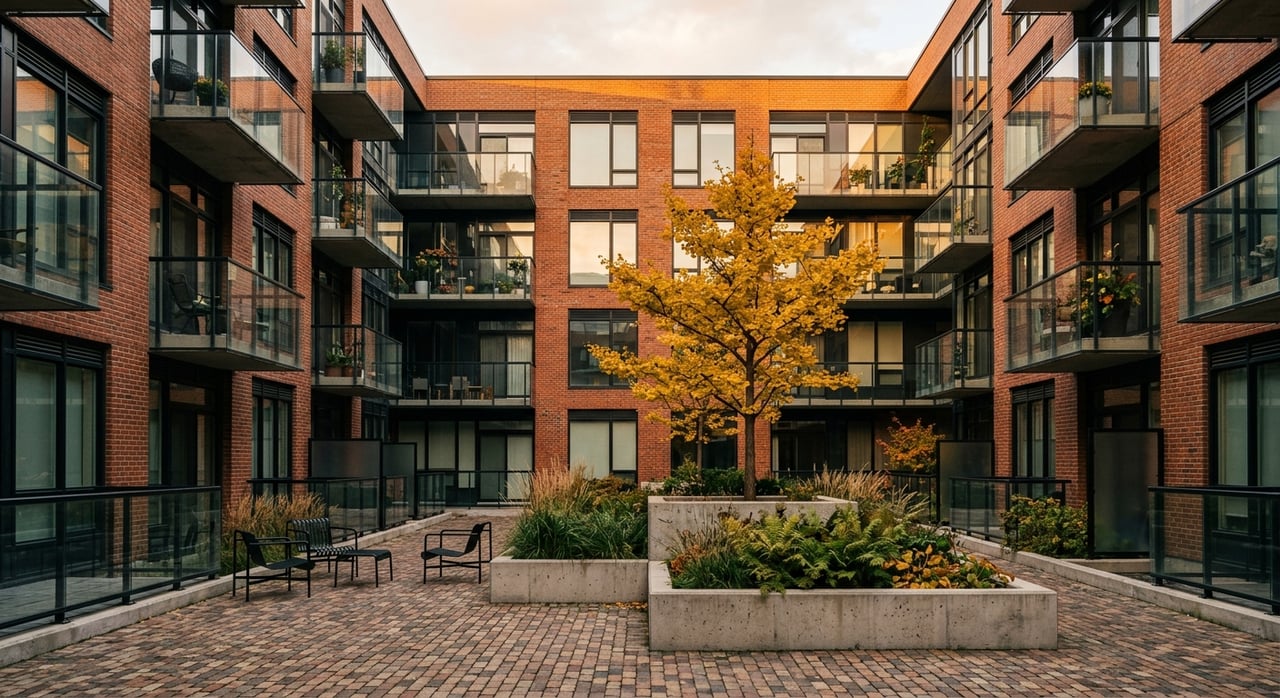
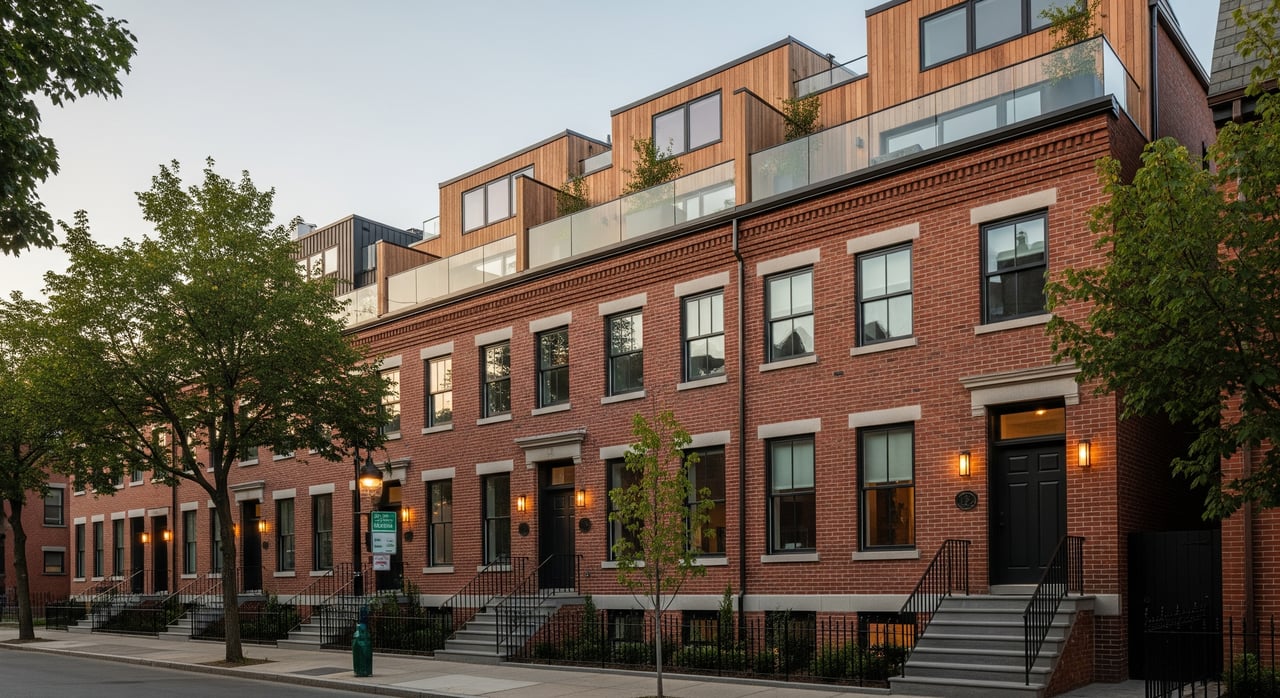
Abundant Housing Massachusetts reported that on February 10, 2025, the Cambridge City Council voted 8 to 1 to end single- and two-family-only zoning across the entire city. The vote extended multifamily construction into residential districts that had previously allowed only one or two units; A Better Cambridge reported that six stories were available on lots larger than 5,000 square feet if the project set aside income-restricted units. Councilor Burhan Azeem called it the biggest upzoning effort in the country. Councilor Sumbul Siddiqui described it as one necessary step among several, not a solution on its own.
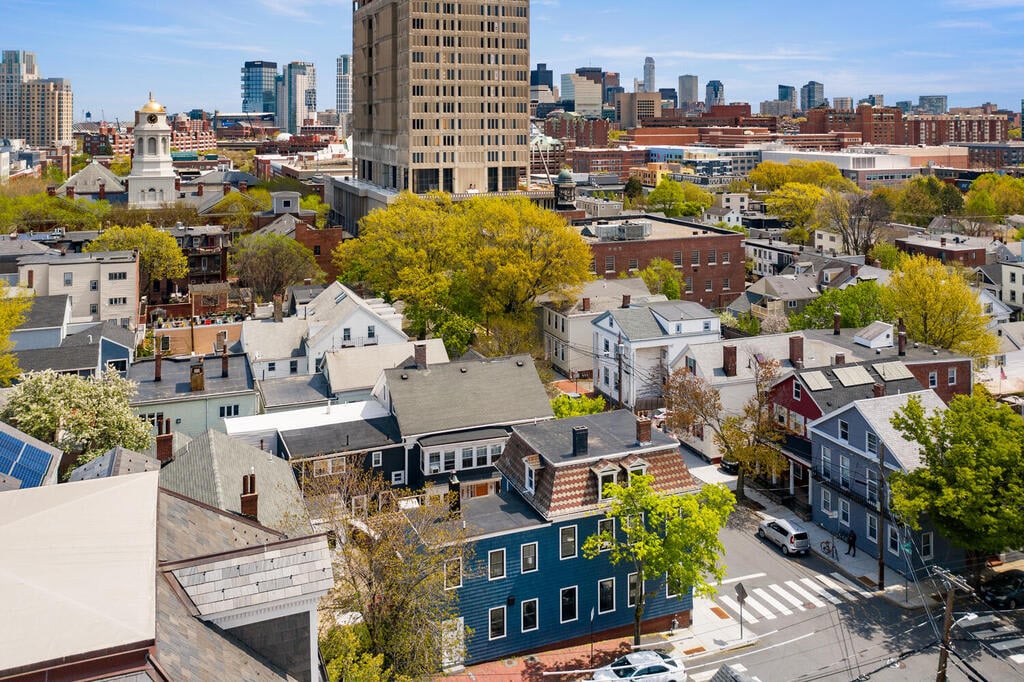
The change landed hardest in neighborhoods built mostly on small, older residential parcels, which describes much of Cambridgeport. Even before the citywide reform, advocates at A Better Cambridge had pointed to a telling case on Pearl Street, in the middle of Cambridgeport, where a lot sitting in a district that already permitted multi-family construction ended up with a new single-family house instead, because the dimensional standards in place at the time, the setbacks and lot coverage rules, made a multi-family project infeasible on a lot that size. It was the same mechanism the city is revisiting again this fall: zoning district and buildable envelope are two different questions, and on a small lot, the second one usually decides the outcome.
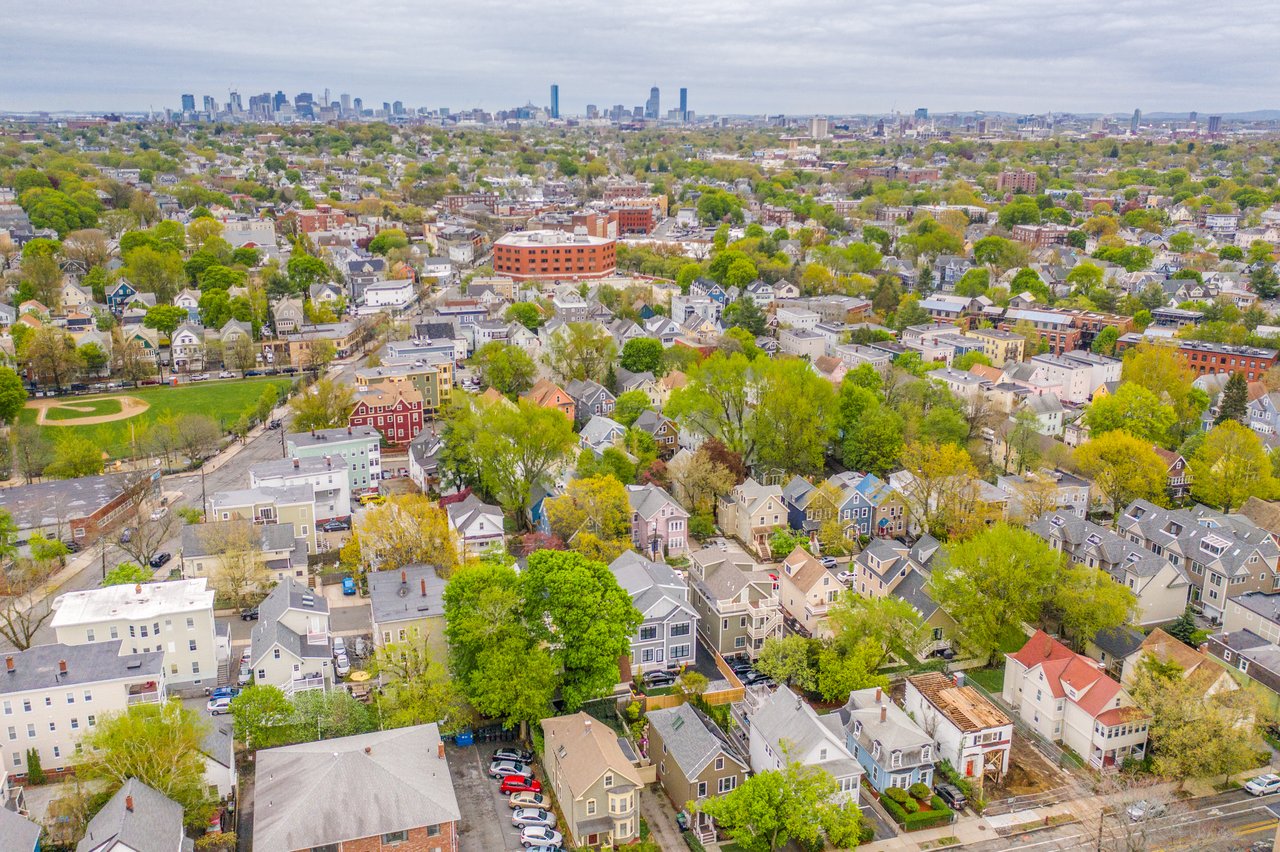
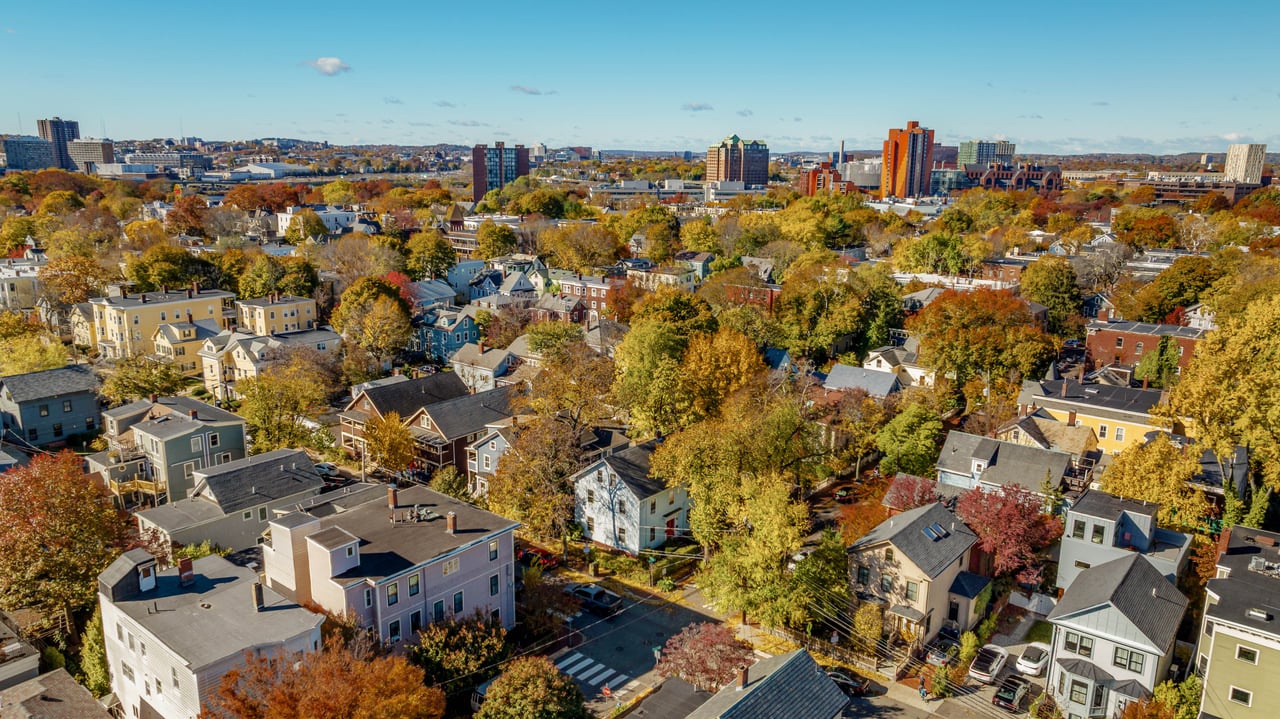
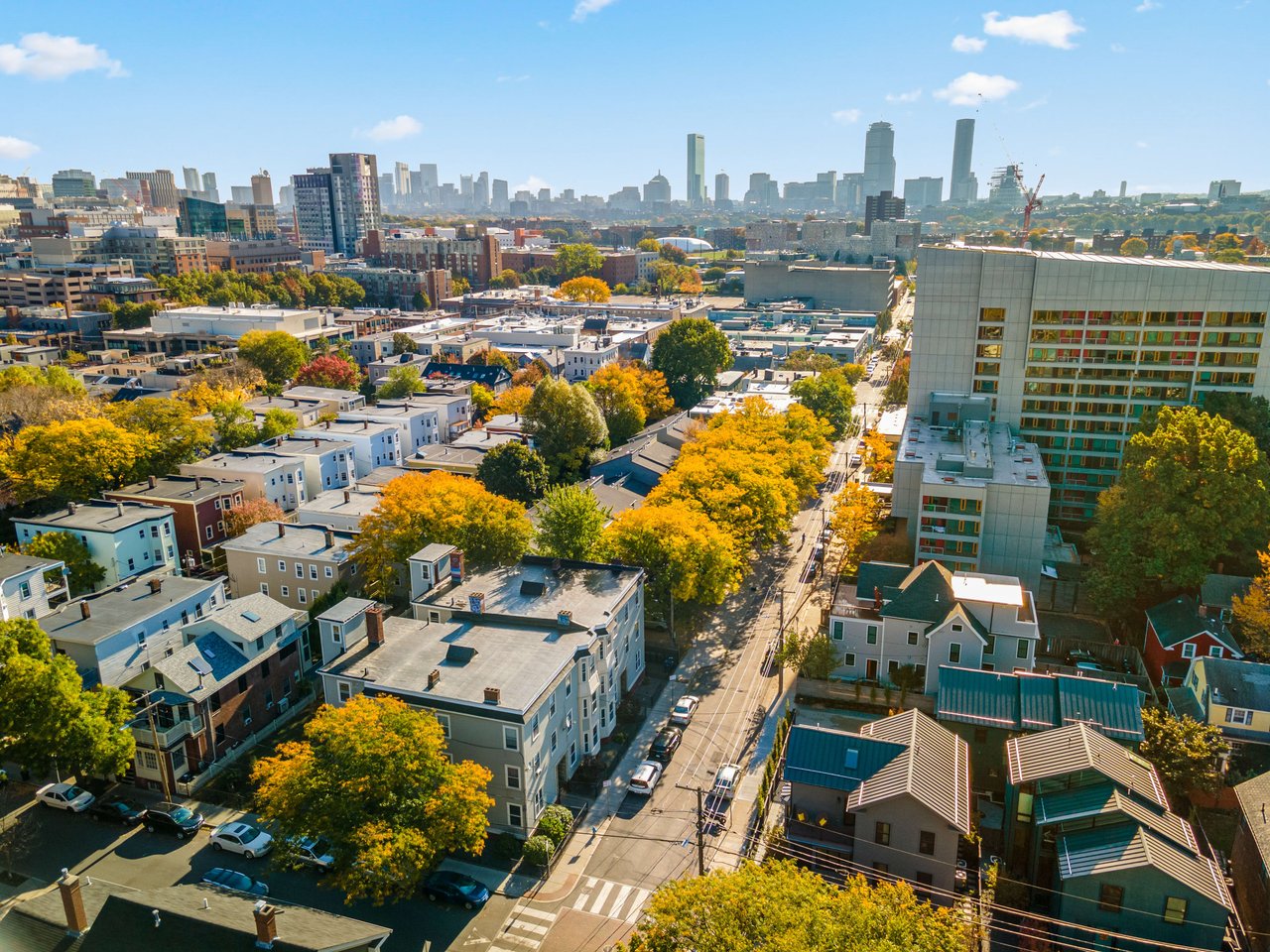
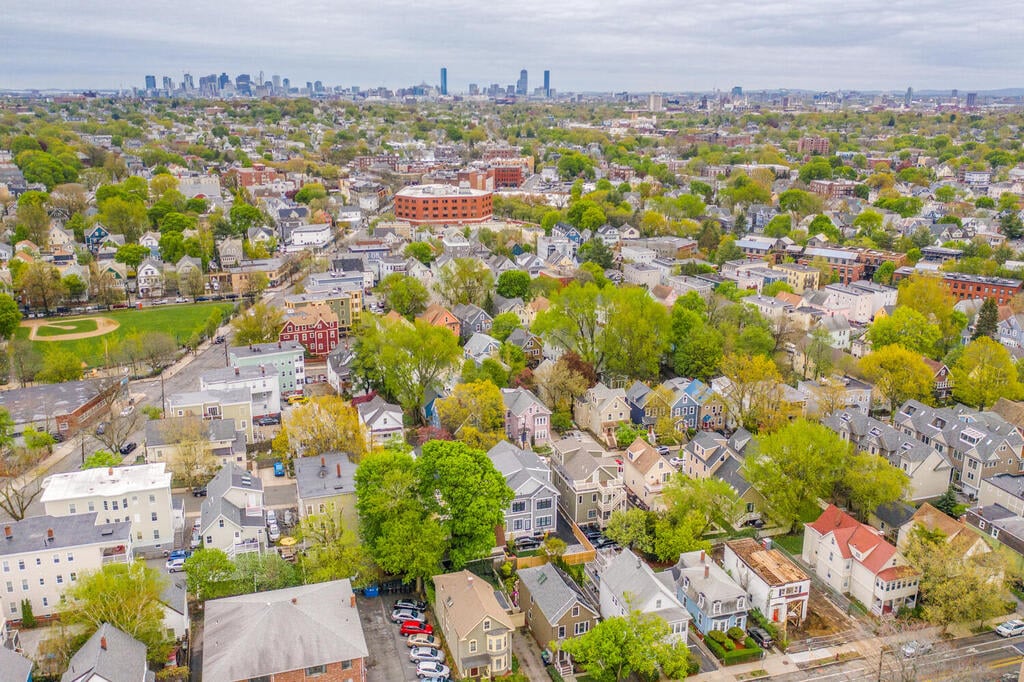
That's not a small shift for a neighborhood whose housing stock, along streets like Speridakis Terrace, was built row after row as connected triple-deckers on narrow lots to begin with. The zoning finally matched the physical reality of the neighborhood's older buildings.
Less Than Two Years Later, the Council Is Considering Amendments
The city's own planners call the ordinance a success. Cambridge Day reported that Assistant City Manager for Community Development Melissa Peters told a joint council committee that "the ordinance is doing a lot of things right, but there are some impacts that can be addressed." On September 16, those same committees advanced the first formal set of amendments to the multifamily ordinance, less than two years after it passed.
The proposed changes don't touch the four-story base height or the six-story affordability bonus. They touch the geometry around a building instead.
| Standard | Current (post-Feb 2025) | Proposed (advanced Sept. 16, 2026) |
|---|---|---|
| Combined side setbacks | At least 10 feet | At least 15 feet |
| Combined front/rear setbacks | Baseline under MFHO | At least 25 feet |
| Ground-level open space | Baseline under MFHO | About one-third more required |
| Height cap for larger units | 4 stories | Cambridge Day reported that buildings averaging more than 2,000 square feet per unit would be capped at three stories. |
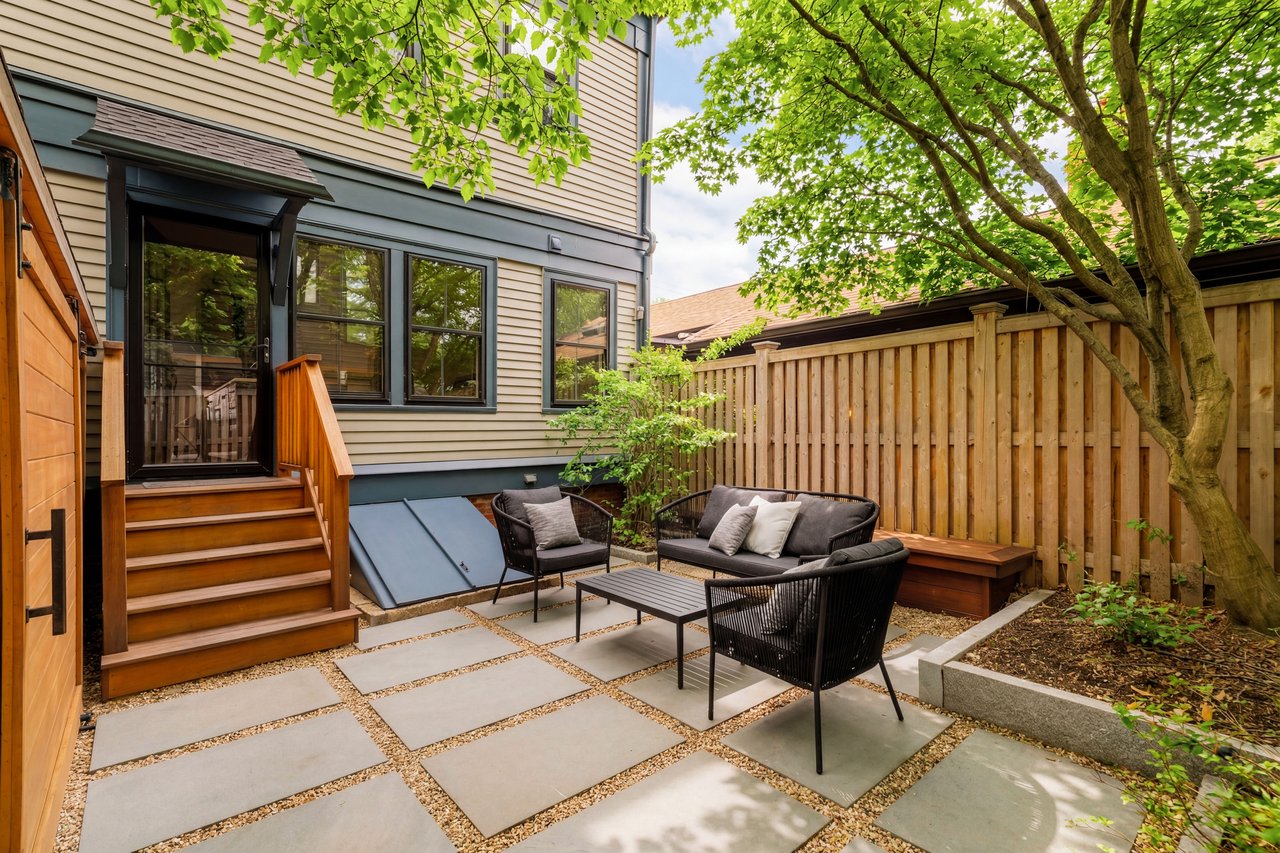
None of these numbers sound dramatic in isolation. On the kind of lot that dominates Cambridgeport's residential blocks, they aren't small. Cambridge Day's reporting on the hearing put it plainly: on the small lots that make up much of the city's residential fabric, a few feet are not a rounding error. They can decide whether a project is feasible at all.
The unit-size trigger works differently. It's aimed less at how many units a building has and more at how large each one is. A CDD staffer, discussing the proposal at an earlier hearing, said the rule would push some developers to redesign projects with more, smaller units, and push others to simply build less. According to the city's own review, only one currently permitted project would actually shrink under the new threshold, which tells you the rule is written for what comes next, not what's already in the pipeline.
Why the Timing Lands Differently in Cambridgeport
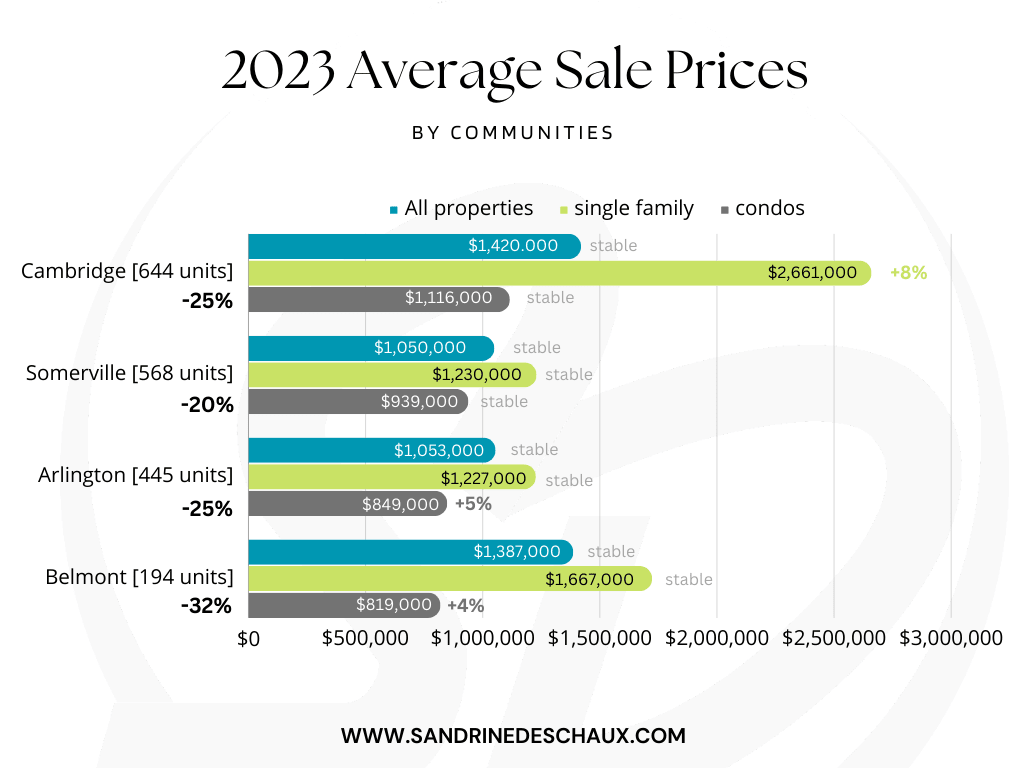
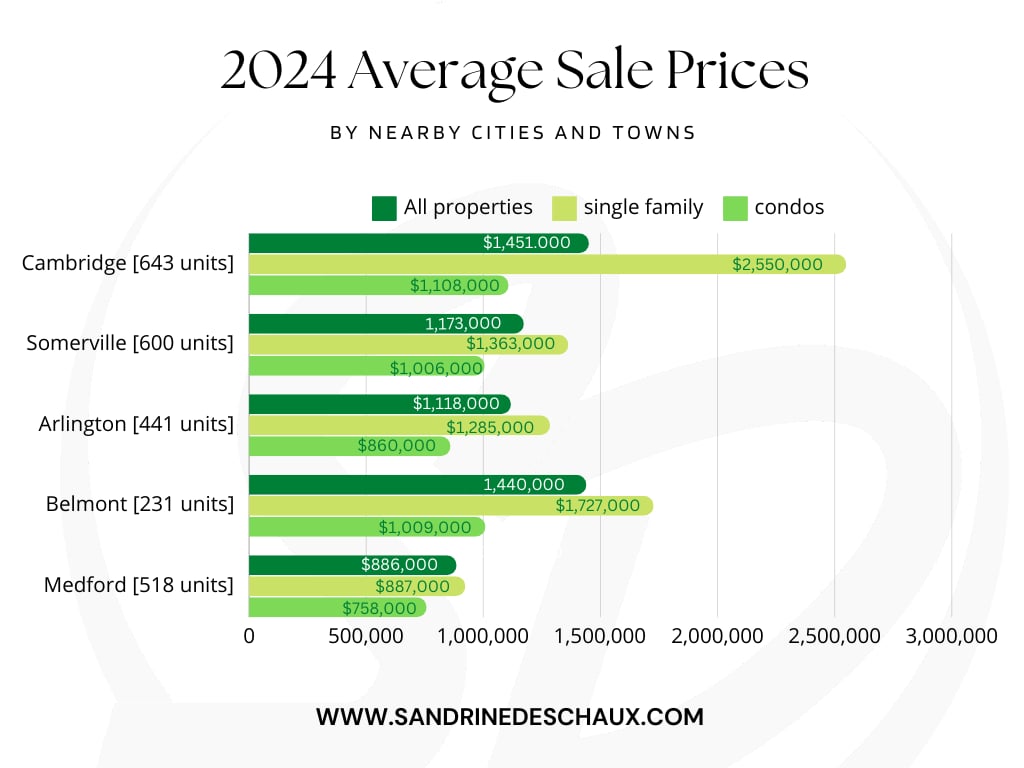
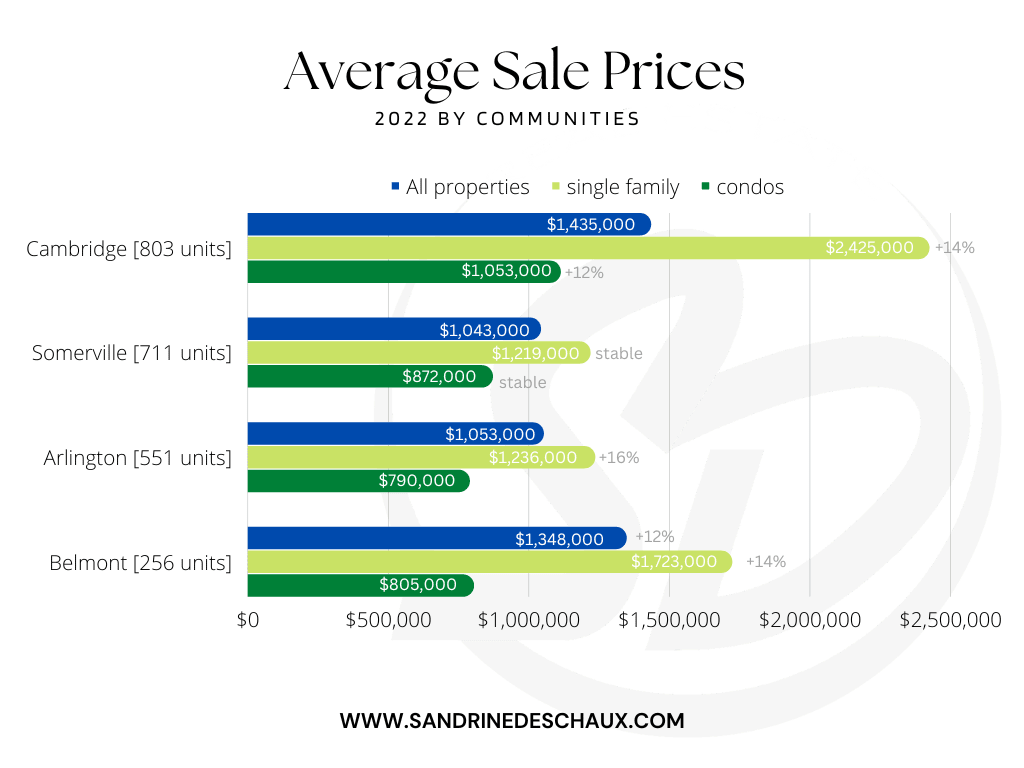
Cambridgeport's numbers over the past year read a little strangely if you don't know what's underneath them. Homes there have sold in a median of 20 days over the trailing twelve months, well ahead of the national average of 53. Over that same window, the median sale price came in at $1,350,000, down 10 percent from the prior twelve months, even as Cambridge's citywide median moved the other direction, landing around $1.1 million as of June 2026.
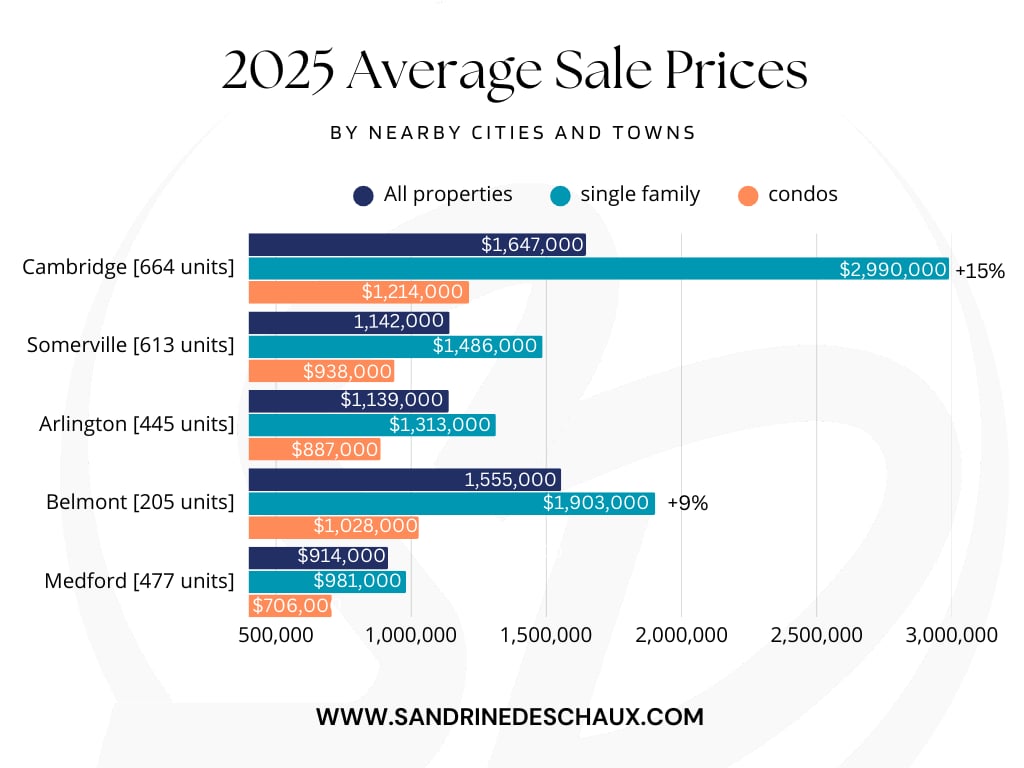
A neighborhood that's selling faster than average while its median price falls usually isn't telling you demand is cooling. It's telling you the mix of what's selling has changed. Some of what's moving quickly through Cambridgeport right now are the older, smaller-footprint parcels the zoning fight is specifically about, priced and purchased for their development capacity rather than as finished single-family homes. Across Cambridge as a whole, multi-family listings currently span from $1,195,000 to $19,800,000, a range wide enough that it's the zoning envelope on a given lot, not just its condition or square footage, doing much of the work in that spread.
The Sequence Worth Tracking
- February 10, 2025: City Council votes 8-1 to pass the Multifamily Housing Ordinance, ending single- and two-family-only zoning citywide.
- June 29, 2026: The Community Development Department formally proposes amendments covering setbacks, open space, and a unit-size height trigger.
- September 16, 2026: Two council committees advance those amendments out of committee, with no date yet set for a full council vote.
- Next: A full Council vote, timing still unannounced as of this writing.
Councilor Marc McGovern has described the ordinance and the city's separate Affordable Housing Overlay as two distinct tools serving different purposes, a distinction worth keeping in mind since only the multifamily ordinance is currently under revision.
What to Ask Before You Value a Cambridgeport Lot
If you're evaluating a Cambridgeport property for its redevelopment potential rather than its finished condition, the questions that matter right now aren't the ones a standard listing sheet answers.
- Confirm what CDD's current standards allow for the specific lot, since the proposed amendments haven't passed yet and today's rules still apply.
- Ask whether comparable projects nearby already hold building permits, and check whether the proposed unit-size threshold could affect them.
- If a project's math depends on fewer, larger units, run the numbers against the proposed unit-size threshold, not just the rule as written today.
- Watch the council's calendar. No final vote date has been set, and the gap between committee advancement and a floor vote can run months.
Is Cambridgeport singled out in the proposed rules? Their practical weight falls hardest on neighborhoods built on narrow, small lots, which is most of Cambridgeport's residential streets.
Zoning windows like this one don't stay open on a fixed schedule, and they don't close with much warning either. If you're weighing what a Cambridgeport lot is actually worth under the rules as they stand today, versus what they might look like in six months, Sandrine Deschaux + Co can walk through the specifics with you. Schedule a consultation before the council sets its next vote.
This article is general information, not legal, tax or financial advice. Consult a qualified professional about your situation.