"As each park undergoes improvements, are these the park uses that should go back?"
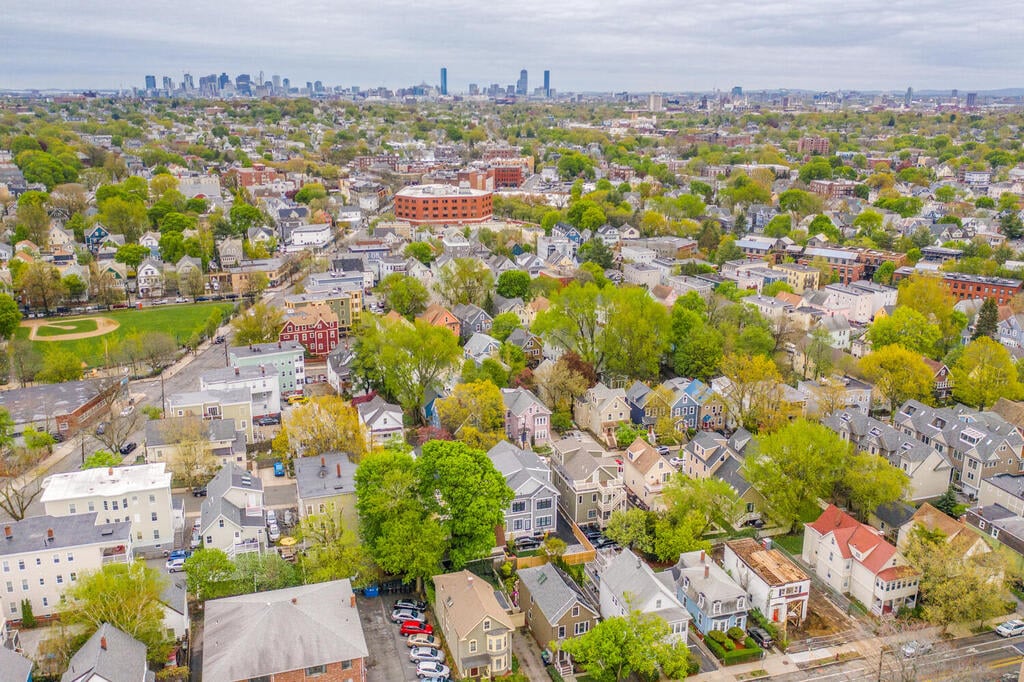
That question sits on one slide of the presentation the City of Cambridge gave on June 16, 2026, to open its Mid-Cambridge Parks Vision. Under it is a list of what each small park in the neighborhood holds today: a playground here, a splash pad there, a single basketball hoop, a sloped lawn, a mural. The city isn't treating these as separate repair jobs. It's planning them as one network, scheduling the work so families always have somewhere to play while it happens, and asking neighbors which features should stay. Most of that conversation happens this fall.
A rebuild scheduled so play space stays open
The Parks Vision page puts the order in writing. The city says the goal is "to develop a plan for different parks in the neighborhood." It also says the individual projects "will be implemented at different times."
| Site | Location | What the city has scheduled |
|---|---|---|
| Play Spaces at 359 Broadway | Outside the Old Longfellow School building | Design meetings and open houses in fall 2026, dates TBD; construction expected to start spring 2027 |
| Wilder-Lee Park | Lee Street and West Street | Design expected to start fall 2026; construction only after 359 Broadway is finished |
| Maple Avenue Playground | Maple Avenue and Marie Avenue | Expected to start around 2029 |
| Paine Park | Amory Street and St. Mary Road | Expected to start around 2029 |
| Joan Lorentz Park | 441 Broadway, in front of the Main Library | No major work planned |
| Cooper Park | 115 Hancock Street | No major work planned |
The Wilder-Lee row explains the whole schedule. Design there can start this fall, but construction waits until 359 Broadway is done. The city's stated reason is "to ensure play space remains available in the area." The neighborhood is dense and has few play spaces, and two of them close enough to share kids won't be fenced off at the same time.
Joan Lorentz Park and Cooper Park are left alone, and that matters too. Joan Lorentz has an enclosed playground, three tennis courts and a large lawn in front of the Main Library and Cambridge Rindge and Latin School. Cooper Park on Hancock Street has a playground and water play. With both staying open while the others rotate through construction, the neighborhood keeps a steady base of play space for the next few years.
Why 359 Broadway goes first
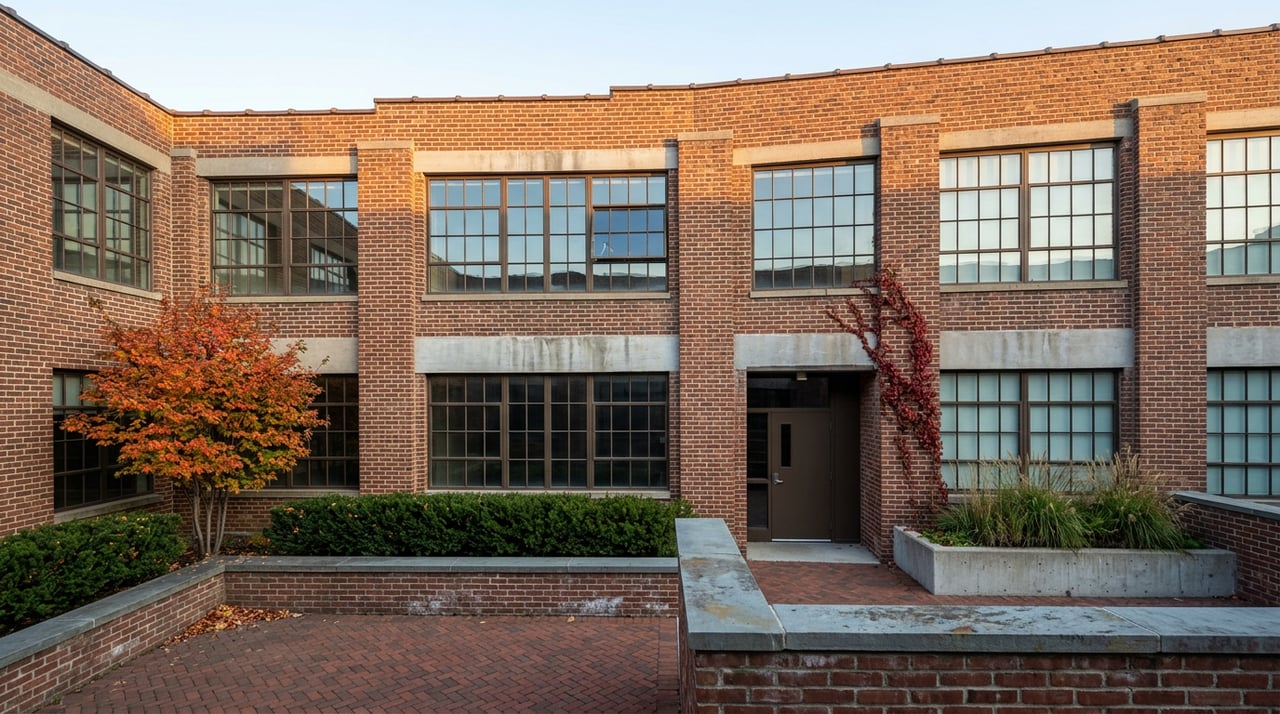
The first project is the one most people pass without knowing its name. The city's open-house notice calls the building at 359 Broadway the Old Longfellow School. The June presentation lists what's outside it now: an open central courtyard, play areas along the sides, and basketball.
These spaces have two audiences. The city says the renovated areas will keep serving the High School Extension Program and other youth programs. It also says the building has been swing space for schools and youth programs and may house programs such as Pre-K. So the design has to work for teenagers on a weekday afternoon and for toddlers on a Saturday morning. That's a big part of why the neighborhood's input on this site counts.
The money was approved more than a year ago. On June 2, 2025, the City Council unanimously adopted a $1.6 million order for design and construction at Wilder-Lee Playground and the play areas at 359 Broadway. The order covers both sites together and doesn't split the amount between them. Funding both sites in one order fits the plan to design them one after the other.
The city held a drop-in open house at the site on August 17 from 2 to 7 p.m., with August 18 as the rain date. The 359 Broadway survey is now closed. Next on the schedule are fall design meetings, which the city still lists as "TBD."
Fifteen street numbers away, an exhibit on what playgrounds can be
While those design meetings are being scheduled, the most useful reference for them is a short walk down Broadway. Cambridge Arts' exhibit "Joyful Anarchy: Mitch Ryerson – Playgrounds" is at Gallery 344, 344 Broadway, from September 21 through December 31, 2026.
Many Cambridge families have already played on Ryerson's work without knowing his name. He built the logs, ladders and hull-shaped climbing structure at Alberico Park, the ship at Kemp Playground on Cambridge Common, and the "Sensory Hilltop" at the Louis A. DePasquale Universal Design Playground at Danehy Park. For about twenty years he also had a Winnie-the-Pooh house carved into the stump of a fallen silver maple on Hurlbut Street, until it was removed in 2017. Cambridge Arts describes his handmade structures as "exciting alternatives to the usual mass-produced plastic playgrounds." The exhibit shows them through models, sketches and full-size pieces, including a centerpiece structure visitors can climb on.
To be clear, no city document links Ryerson to the Mid-Cambridge projects. The connection is the setting. The city has said it wants to know "how public art could be a tool to connect these parks," and whether shared design features could make the parks "relate to one another or complement each other." The exhibit is a free, walk-in example of what play spaces can look like when someone designs them as one-off pieces instead of ordering from a catalog.
The free events on the exhibit calendar:
- Monday, October 5, 5 to 7 p.m. Reception inside Gallery 344, with refreshments.
- Monday, October 19, 4 to 6 p.m. Hands-on outdoor workshop at City Hall Annex Plaza, 344 Broadway, described as an outdoor maker space to build and play.
The same week, the Main Library hosts Theaster Gates and Henry Louis Gates Jr. for an "Another View" book discussion on Tuesday, October 6. Registration is required. On those evenings, the stretch of Broadway from the gallery to Joan Lorentz Park is busy with civic events.
Broadway itself has already been rebuilt
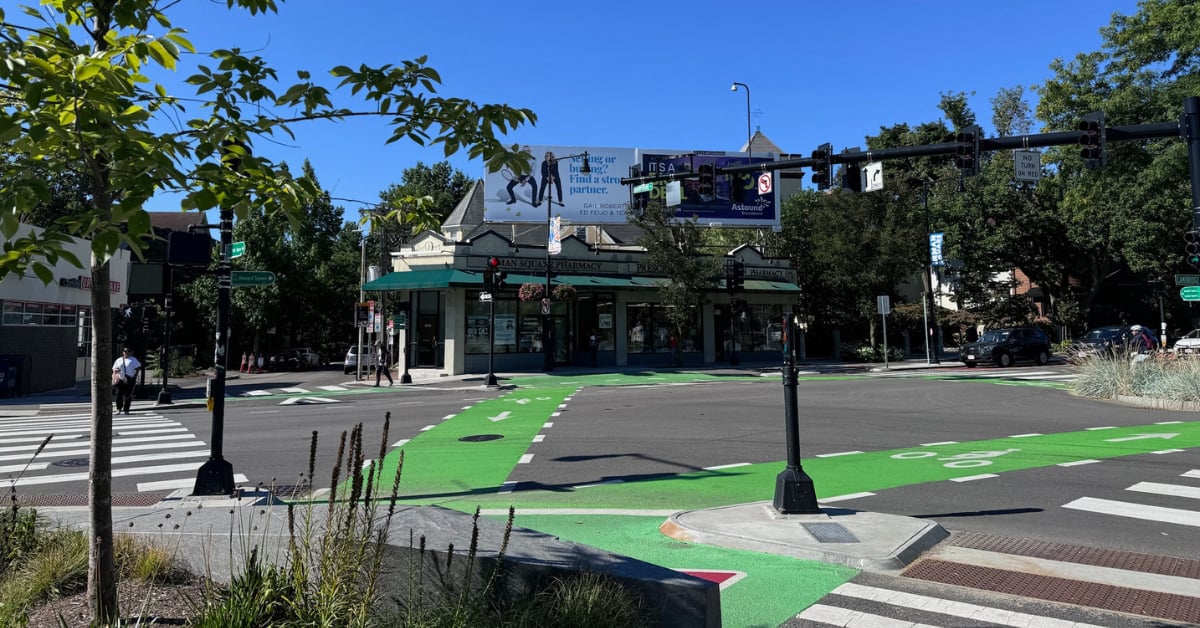
The street that connects these parks went through its own redesign this year. Cambridge's Broadway Safety Improvement Project is adding separated bike lanes between Quincy Street and Portland Street: curbside lanes separated from traffic by white flex-posts or other barriers, plus crosswalk improvements and possible bus stop changes. The city's project page now marks both Mid-Cambridge sections, Columbia Street to Ellery Street and Ellery Street to Quincy Street, as installed in 2026. The segment from Portland Street to Columbia Street was already complete.
Parking took a hit. During design, the city said it hoped to keep about 40% of the existing on-street spaces, with the final number varying by block. The work ran block by block through the summer, including sidewalk replacement between Inman Street and Prospect Street and paving that started in early June.
This affects the parks plan directly. Gallery 344, the play spaces at 359 Broadway and Joan Lorentz Park all front the newly redesigned corridor. As the 359 Broadway courtyard moves toward construction in spring 2027, people getting there on foot or by bike will be using a street that has already been reworked.
How to have a say before the drawings exist
The city's own schedule shows that most of the input period is still ahead. The June 16 introduction was set up as a presentation, not a feedback session; the slides say questions would not be recorded, though notes would be taken and shared. Here's what remains:
- The neighborhood-wide survey. The Parks Vision page posted a questionnaire in August 2026 about how people use parks in Mid-Cambridge.
- Virtual office hours. Anyone can book a call with the project team through the Mid-Cambridge Parks Vision page. The project contact is Gary Chan, Neighborhood Planner.
- The fall 2026 neighborhood workshop. It's on the schedule, but no date or venue has been posted yet.
- Design meetings for 359 Broadway. These are also listed for fall 2026, dates TBD, ahead of construction expected in spring 2027.
- Wilder-Lee design. It's expected to start this fall, which makes this season the first chance to weigh in on the playground and seating plaza at Lee and West streets.
Paine Park and Maple Avenue Playground are about three years out, with work currently expected around 2029. Even so, whatever the neighborhood decides this fall about public art, shared design features and which uses should "go back" will set the direction for those projects too. The slide's question applies to every park on the list, and the two sites being designed now are where it gets its first answer.
Sandrine Deschaux + Co has lived and worked in Cambridge for more than twenty years, and we follow changes like the 359 Broadway courtyard and Wilder-Lee Park because buyers ask about them. If you live near one of these parks and want to know how a multi-year renovation could affect your plans to sell or stay, we're happy to talk it through. Schedule a Consultation, and we'll start with what's on the city's calendar for your block.